10 Healthy Snack Options for Diabetics: Keep Your Blood Sugar Steady

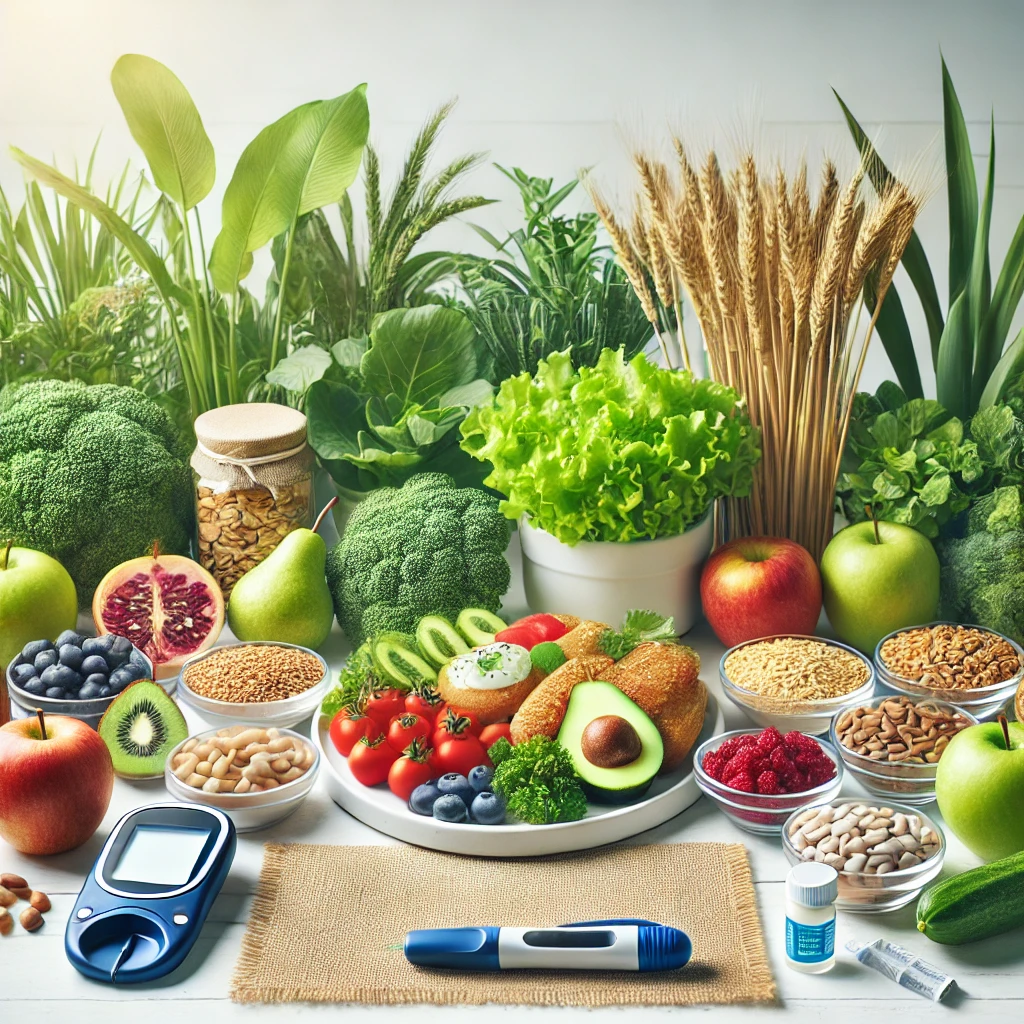
Healthy snack options for diabetics are essential to maintaining stable blood sugar levels throughout the day. Choosing the right snacks can help prevent sugar spikes while keeping you satisfied between meals. In this article, we’ll explore easy-to-prepare, nutrient-rich snacks specifically designed to support diabetic health. Whether you’re craving something savory or sweet, these options will provide you with the energy you need without compromising your blood sugar.

Why Healthy Snacks Are Important for Diabetics

Healthy snacks can help control hunger and prevent overeating at mealtimes. They also provide an opportunity to include more nutrients in your diet, helping to maintain overall health. For diabetics, choosing snacks with low sugar and high fiber is essential to keep blood sugar levels stable.

It’s important to note that while healthy snacks can help regulate blood sugar levels, the timing of when you eat them is just as crucial. For diabetics, eating smaller, frequent meals or snacks throughout the day can prevent sudden drops or spikes in glucose levels. Instead of waiting until you’re overly hungry, it’s best to plan your snacks at regular intervals. This strategy not only helps maintain energy levels but also supports better overall blood sugar management. for more information please visite our blog: https://mymealrecipes.com/low-carb-breakfast-recipes/

Healthy Snack Options for Diabetics

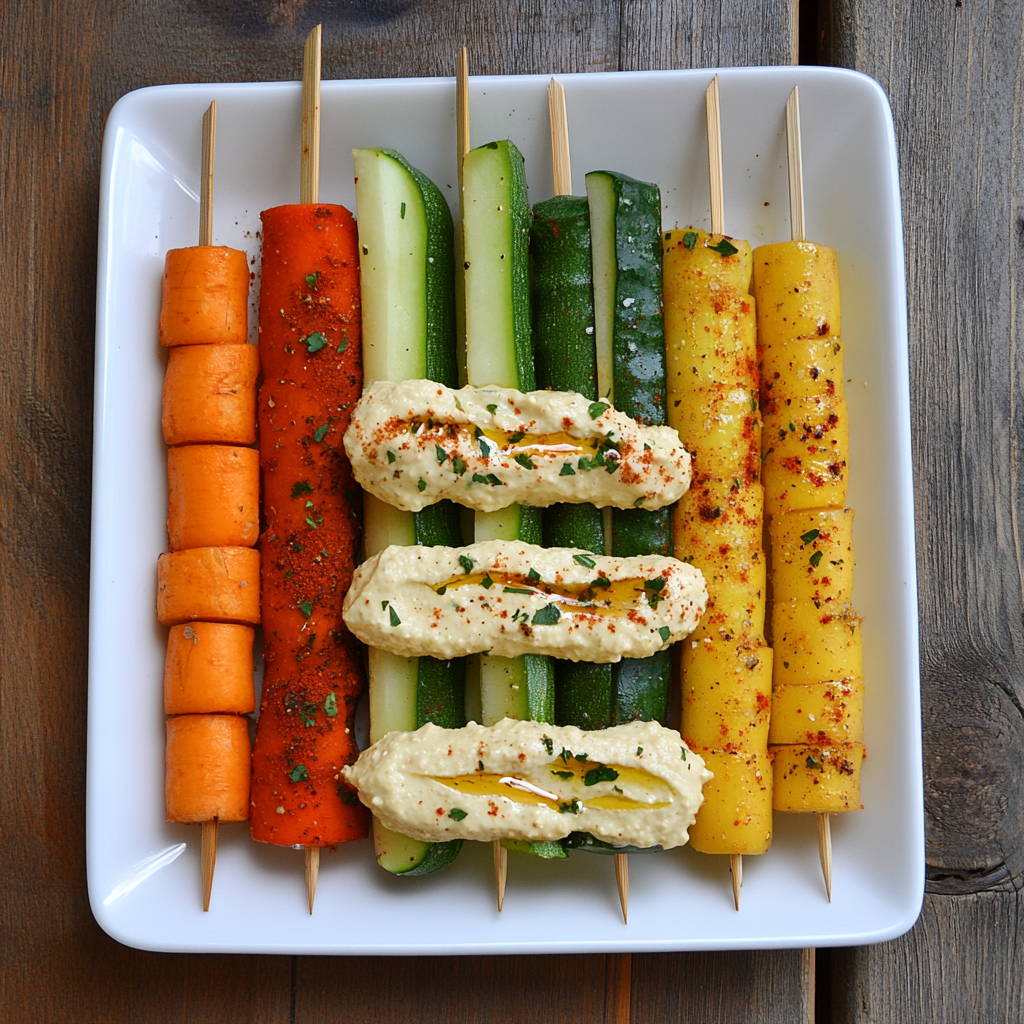
1. Vegetable Sticks with Hummus

Ingredients:

  • 1 cup carrot sticks
  • 1 cup cucumber sticks
  • 1 cup bell pepper strips
  • 1/2 cup hummus (store-bought or homemade)

Preparation:

  1. Cut vegetables into sticks or strips.
  2. Serve with hummus for dipping.

Time: 10 minutes

Difficulty: Very easy

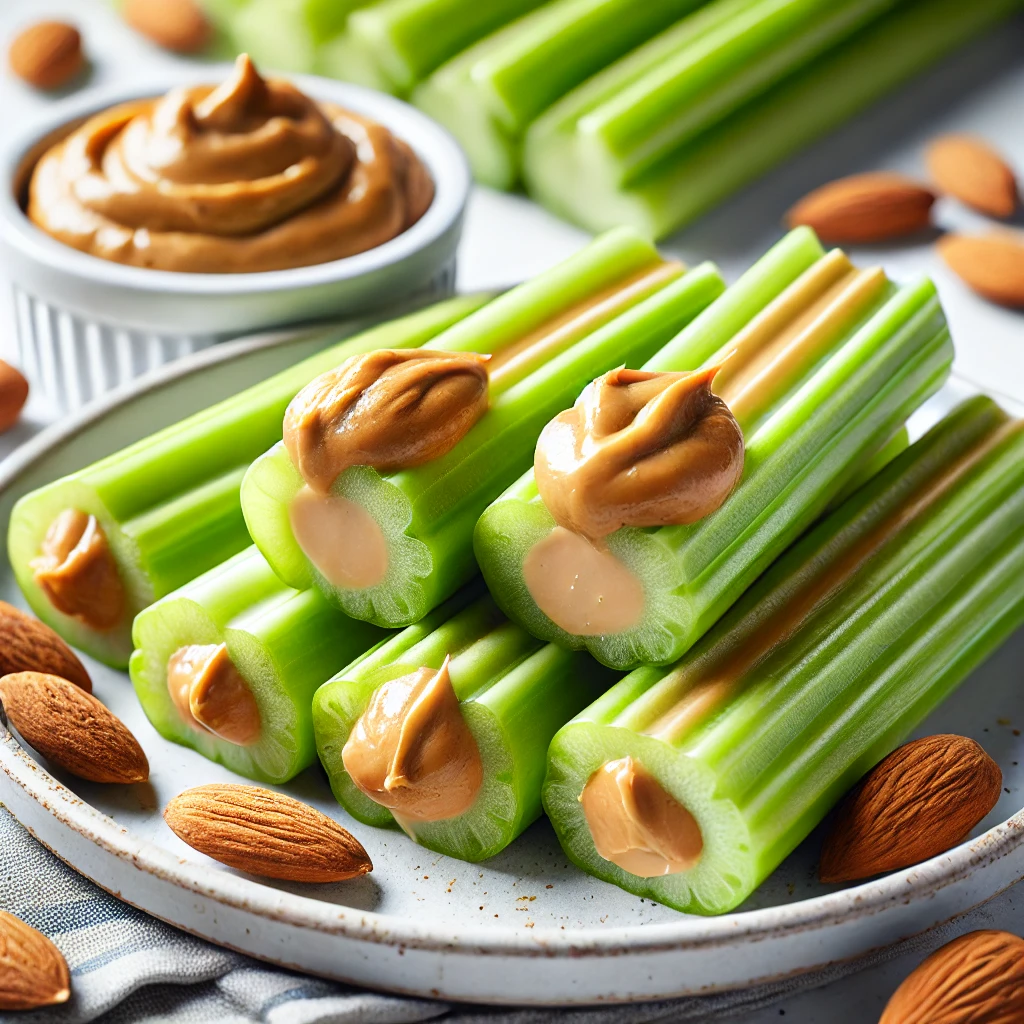
2. Almond Butter and Celery Sticks

Ingredients:

  • 2-3 celery stalks
  • 2 tablespoons almond butter
  • A sprinkle of cinnamon (optional)

Preparation:

  1. Cut celery stalks into 3-4 inch pieces.
  2. Spread almond butter on each celery stick.
  3. Sprinkle with cinnamon if desired.

Time: 5 minutes

Difficulty: Very easy

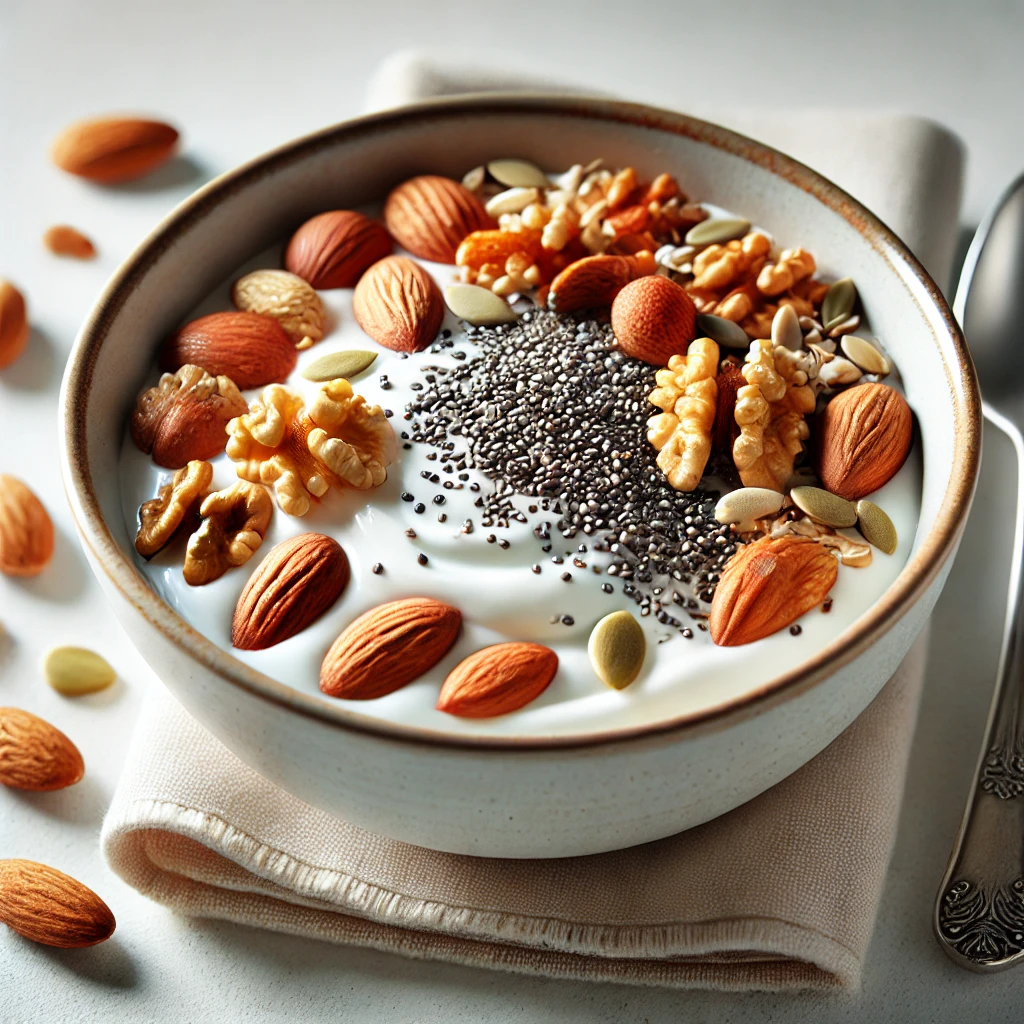
3. Greek Yogurt with Nuts and Seeds

Ingredients:

  • 1 cup unsweetened Greek yogurt
  • 2 tablespoons mixed nuts (unsalted)
  • 1 tablespoon chia seeds

Preparation:

  1. Spoon Greek yogurt into a bowl.
  2. Top with mixed nuts and chia seeds.

Time: 5 minutes

Difficulty: Very easy

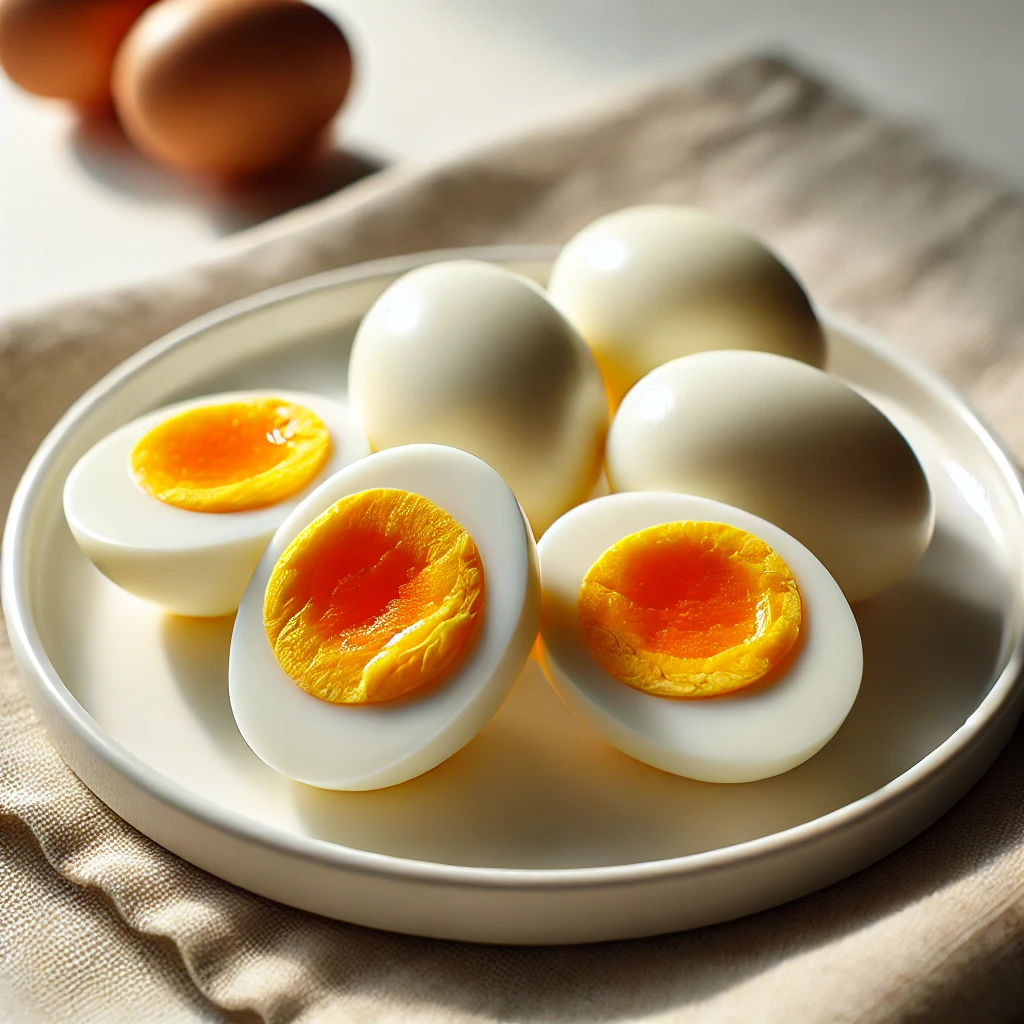
4. Hard-Boiled Eggs

Ingredients:

  • 2 eggs
  • Salt and pepper to taste

Preparation:

  1. Place eggs in a pot and cover with water.
  2. Bring to a boil, then reduce heat and simmer for 9-12 minutes.
  3. Cool in ice water, peel, and season with salt and pepper.

Time: 15 minutes

Difficulty: Easy

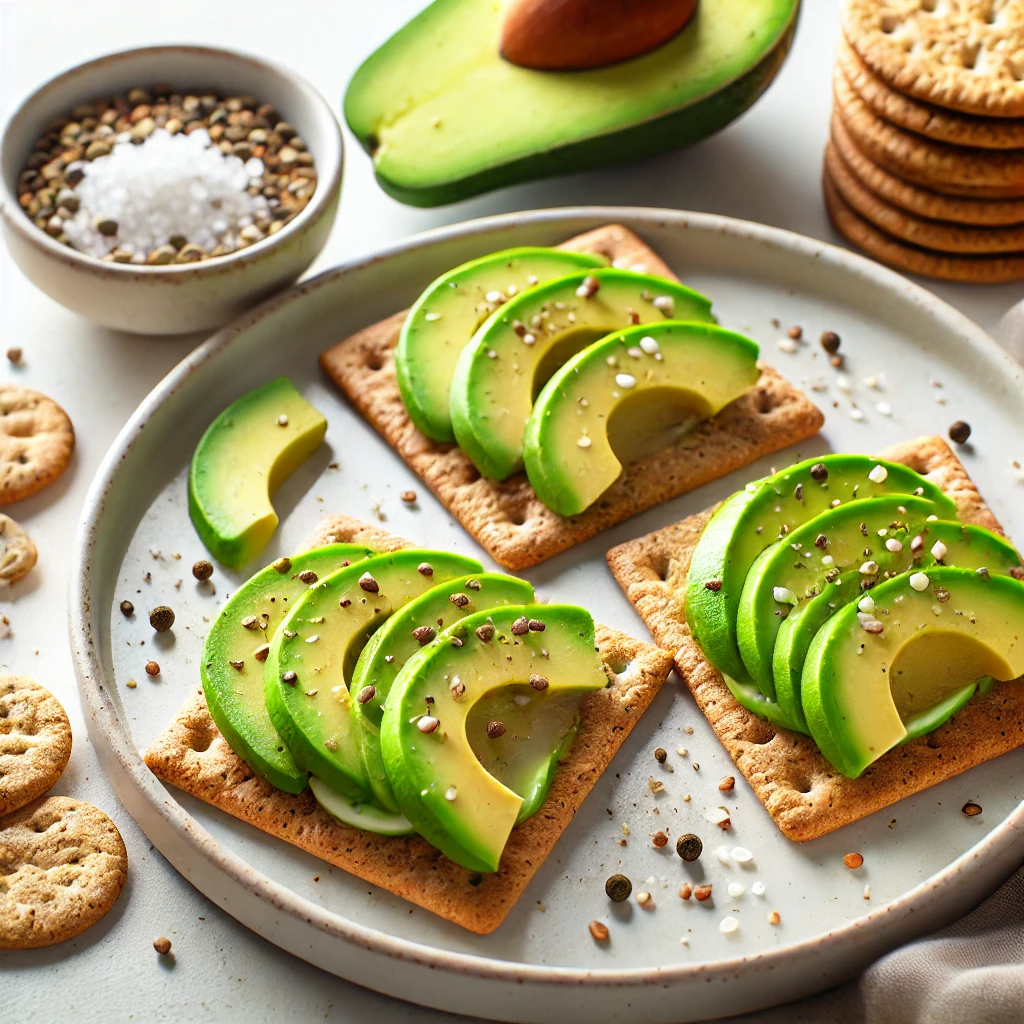
5. Avocado on Whole Grain Crackers

Ingredients:

  • 1 ripe avocado
  • 4 whole grain crackers
  • Salt and pepper to taste

Preparation:

  1. Mash avocado in a bowl and season with salt and pepper.
  2. Spread the mashed avocado on whole grain crackers.

Time: 5 minutes

Difficulty: Very easy

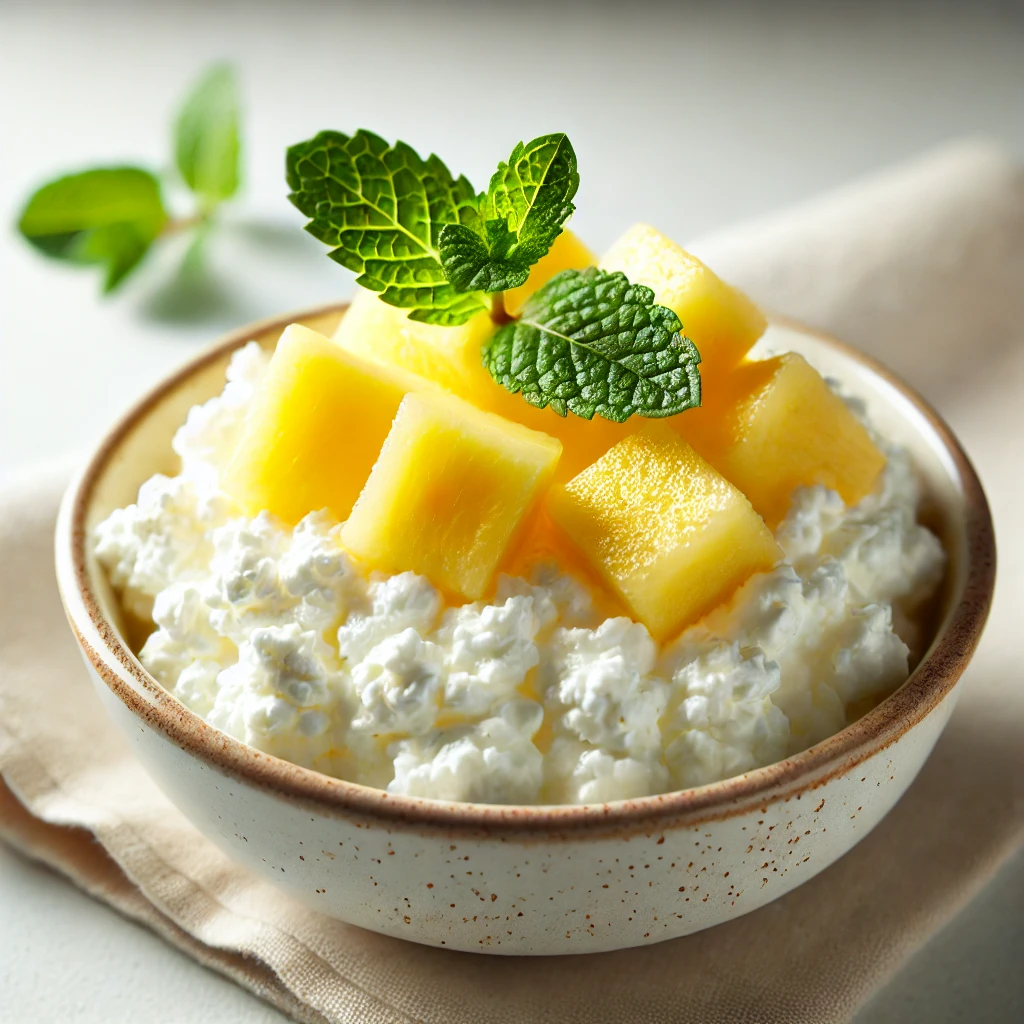
6. Cottage Cheese with Pineapple

Ingredients:

  • 1 cup low-fat cottage cheese
  • 1/2 cup fresh pineapple chunks (or canned in juice, drained)

Preparation:

  1. Mix cottage cheese and pineapple chunks in a bowl.
  2. Serve chilled.

Time: 5 minutes

Difficulty: Very easy

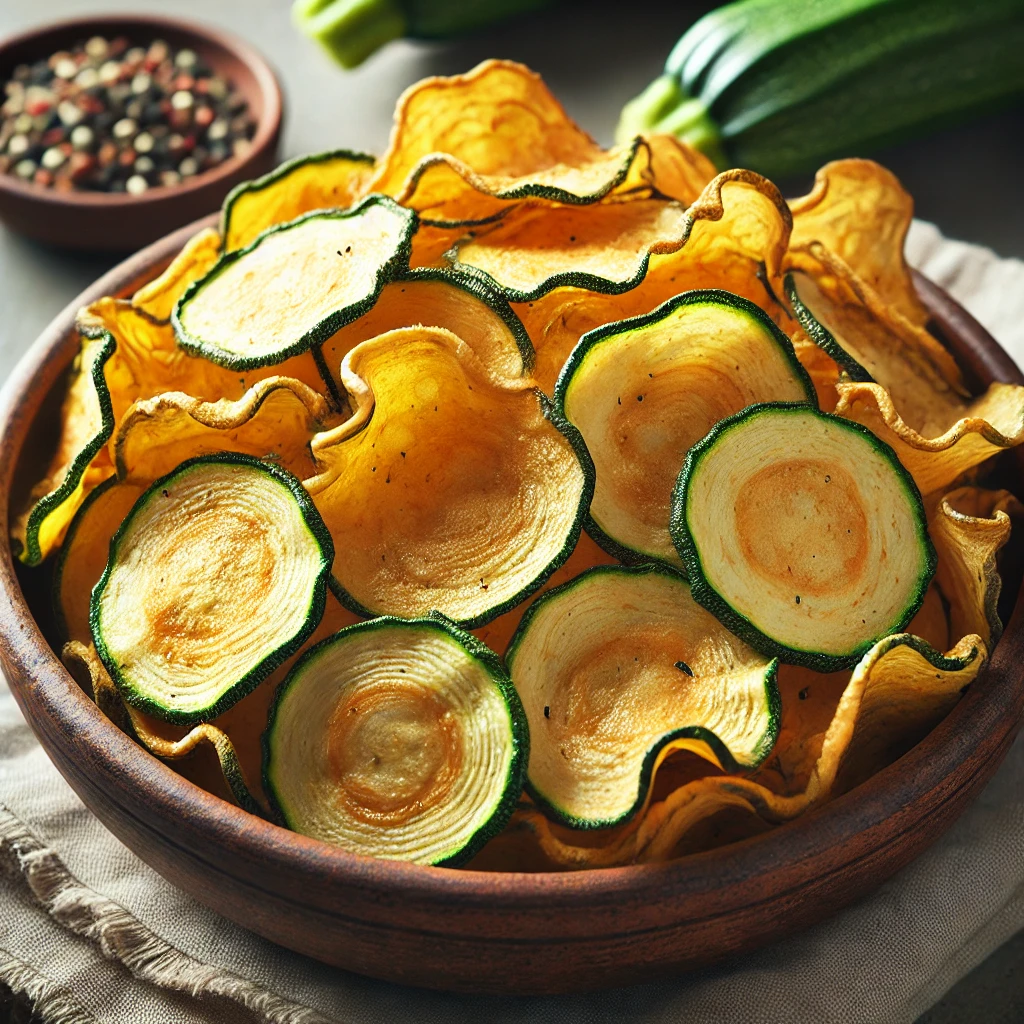
7. Zucchini Chips

Ingredients:

  • 1 medium zucchini
  • 1 tablespoon olive oil
  • Salt to taste

Preparation:

  1. Preheat oven to 225°F (110°C).
  2. Slice zucchini thinly and toss with olive oil and salt.
  3. Arrange on a baking sheet and bake for 2-3 hours until crisp.

Time: 10 minutes prep, 2-3 hours baking

Difficulty: Medium

When it comes to making healthy snack choices, preparation is key. Having pre-prepared snacks on hand can make a significant difference in sticking to a healthy diet, especially for diabetics. By setting aside time each week to prepare snacks like vegetable sticks, boiled eggs, or portioned nut mixes, you can ensure that you always have nutritious options available. This reduces the temptation to reach for unhealthy, processed snacks that could negatively impact your blood sugar levels. Taking the time to plan ahead is one of the best strategies to stay on track with your health goals.

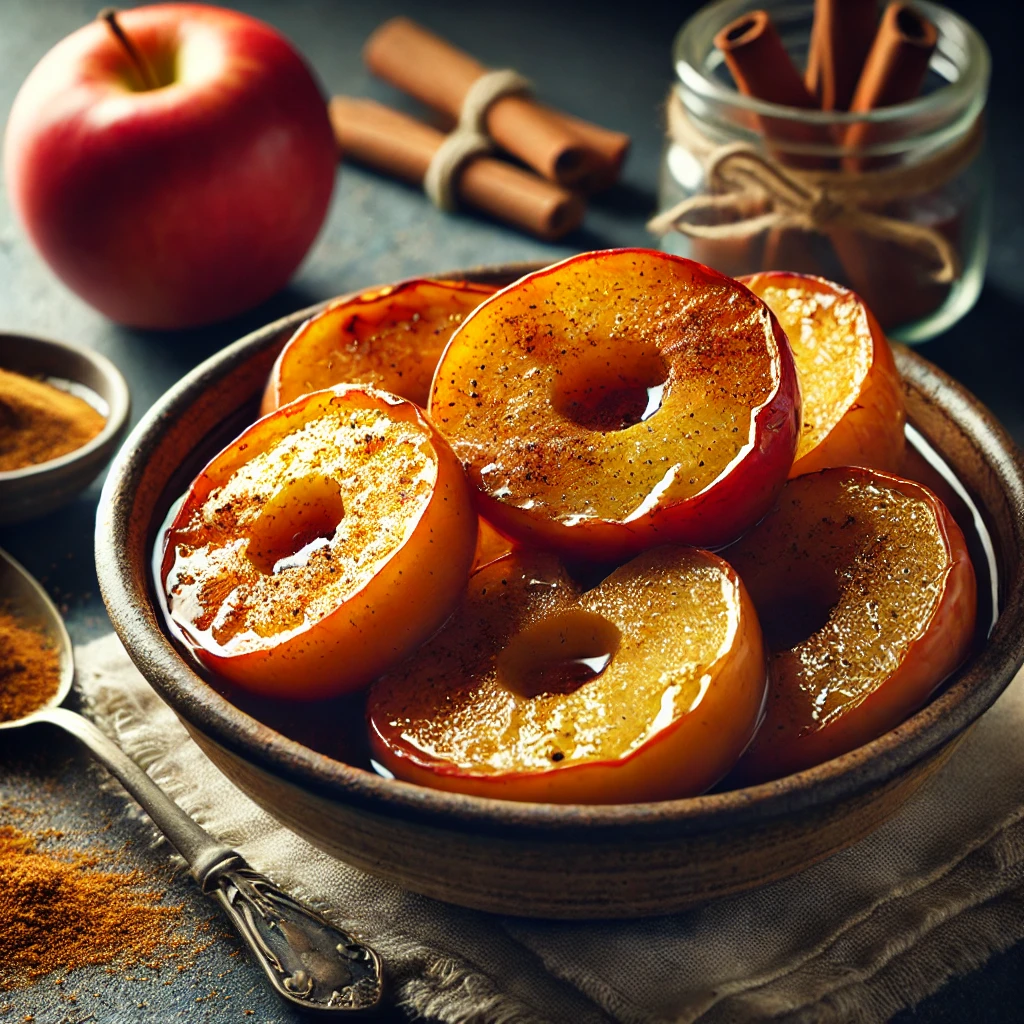
8. Baked Apples with Cinnamon

Ingredients:

  • 2 apples, cored and sliced
  • 1 teaspoon cinnamon
  • 1 tablespoon stevia or other sweetener (optional)

Preparation:

  1. Preheat oven to 350°F (175°C).
  2. Place sliced apples in a baking dish, sprinkle with cinnamon and sweetener.
  3. Bake for 20-25 minutes until soft.

Time: 30 minutes

Difficulty: Easy

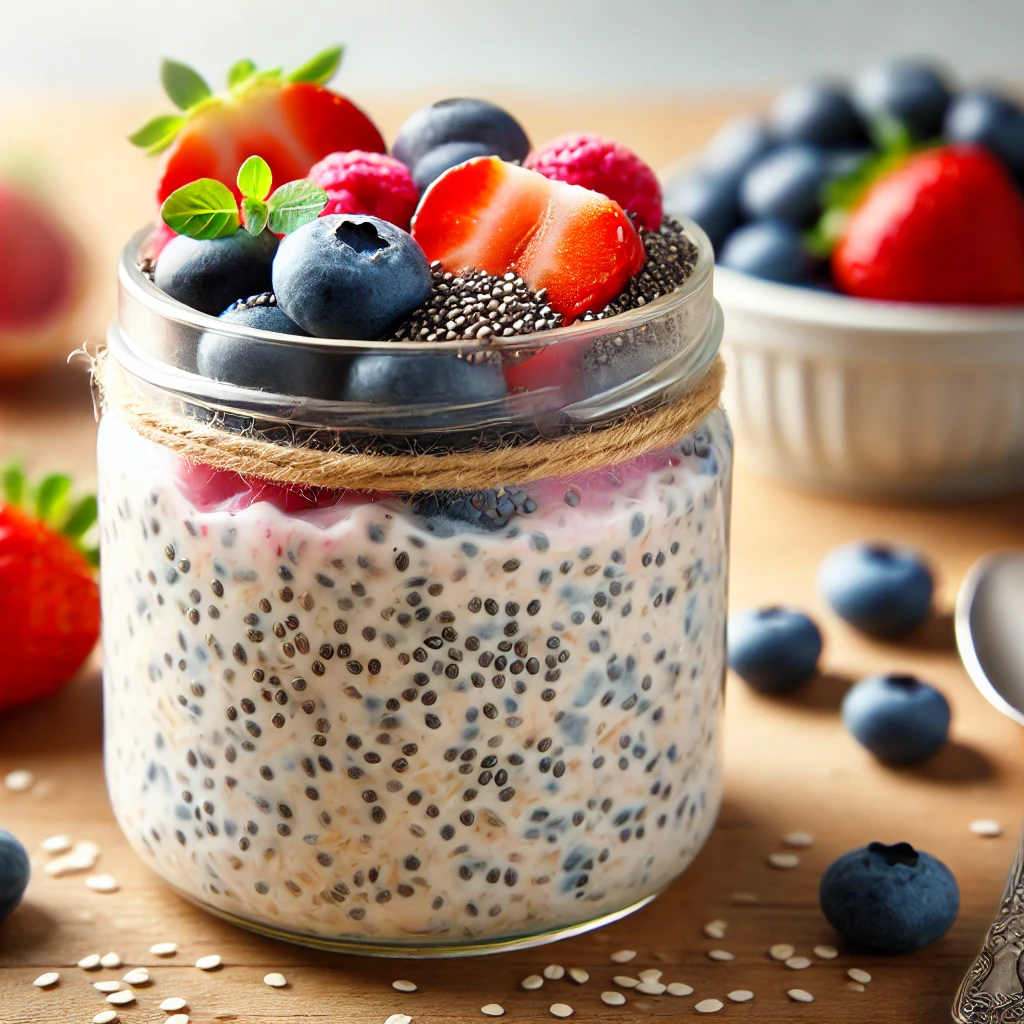
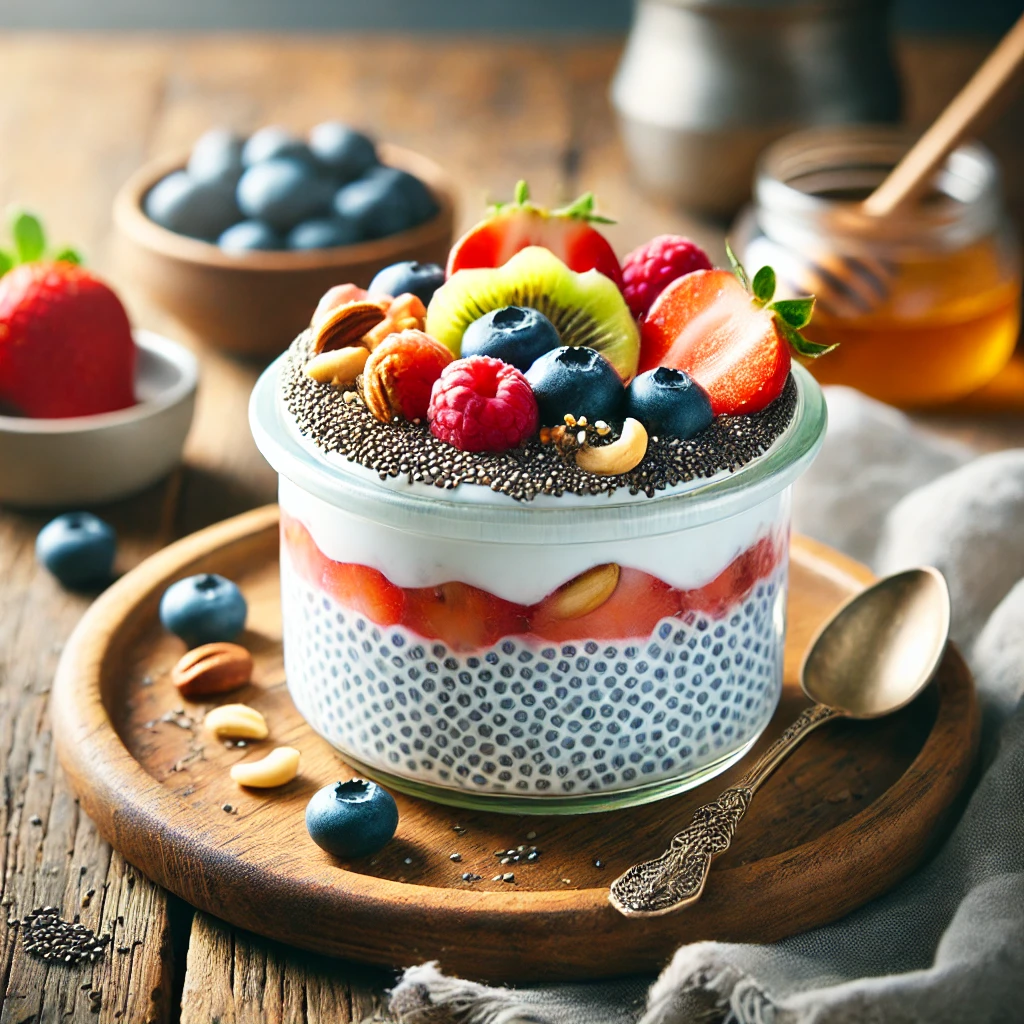
9. Chia Seed Pudding

Ingredients:

  • 1/4 cup chia seeds
  • 1 cup unsweetened almond milk
  • 1 teaspoon vanilla extract
  • Fresh fruit for topping

Preparation:

  1. Mix chia seeds, almond milk, and vanilla in a bowl.
  2. Refrigerate for at least 2 hours or overnight.
  3. Top with fresh fruit before serving.

Time: 5 minutes prep, refrigerate

Difficulty: Easy

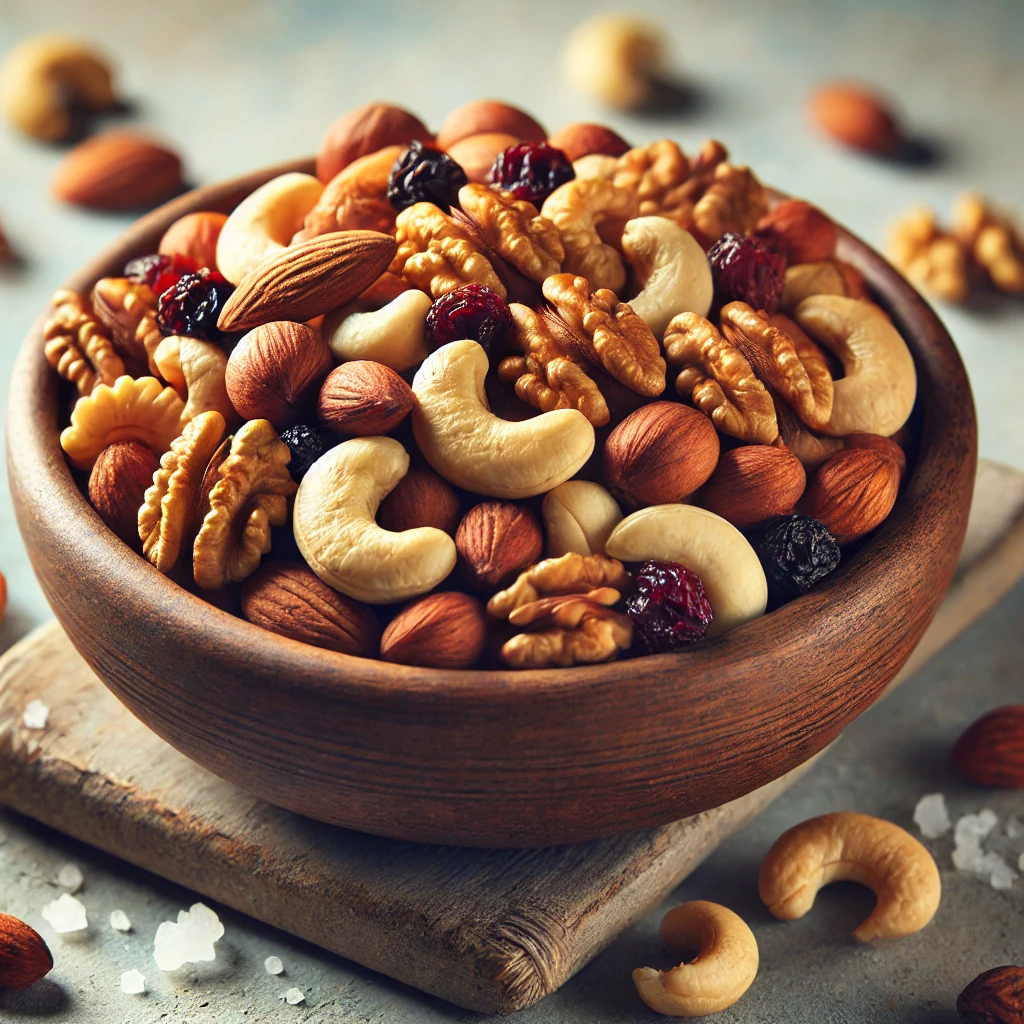
10. Nut Mix

Ingredients:

  • 1/4 cup almonds
  • 1/4 cup walnuts
  • 1/4 cup pumpkin seeds

Preparation:

  1. Mix all ingredients in a bowl.
  2. Portion into small containers for easy snacking.

Time: 5 minutes

Difficulty: Very easy

Tips for Choosing Healthy Snacks

  • Opt for whole foods that are high in fiber and protein.
  • Avoid processed snacks high in sugar and unhealthy fats.
  • Keep portion sizes in check to avoid overeating.

One key tip to remember when selecting healthy snacks is to avoid those labeled as ‘low-fat’ or ‘diet-friendly’ without checking the ingredients. Often, these products contain added sugars or artificial sweeteners to compensate for the reduced fat content, which can lead to unintentional blood sugar spikes. Instead, prioritize whole, unprocessed foods that are naturally low in sugar and high in fiber and protein to keep you full and energized without compromising your health.

Conclusion

In conclusion, choosing healthy snack options for diabetics is a key part of maintaining steady blood sugar levels and overall health. By opting for snacks that are high in fiber, protein, and healthy fats while avoiding those loaded with sugar and unhealthy additives, you can enjoy satisfying and nutrient-rich options that support your well-being. Remember, small changes in your snack choices can make a big difference in managing diabetes. With these easy-to-prepare snacks, you can keep your energy levels stable throughout the day while indulging in delicious and healthy alternatives.

FAQ

1. What are good snacks for diabetics?

Good snacks for diabetics include vegetables with hummus, nuts, Greek yogurt, and hard-boiled eggs. These snacks are low in sugar and provide essential nutrients.

2. How often should diabetics snack?

Diabetics should snack when hungry, but it’s essential to choose healthy options. Regular snacks can help maintain stable blood sugar levels.

3. Can I have fruit as a snack?

Yes, but it’s best to choose fruits that are lower in sugar, like berries or small portions of apples, and pair them with protein or healthy fats.

Related Link

  1. https://shorturl.at/0PImU

10 Delicious Diabetic-Friendly Desserts: Guilt-Free and Easy to Make

Diabetic-friendly desserts don’t have to be bland or boring! If you think managing your blood sugar means giving up sweet treats, think again. With the right ingredients and a little creativity, you can enjoy delicious desserts that are safe for diabetics and won’t cause blood sugar spikes. In this article, we’ll share a variety of easy-to-make, flavorful recipes for diabetic-friendly desserts that are both satisfying and guilt-free. Whether you’re a chocolate lover or a fan of fruity treats, we’ve got something for everyone!for more information, please visite our blog: https://mymealrecipes.com/diabetic-friendly-desserts

Cheesecake with Stevia

Ingredients

  • 250 g low-fat cream cheese
  • 200 g sugar-free Greek yogurt
  • 2 eggs
  • 1 teaspoon vanilla extract
  • 1/4 cup Stevia powder
  • 1 sugar-free whole-grain cookie crust (optional)

Preparation time: 20 minutes
Cooking time: 45 minutes
Difficulty: Easy

Instructions:

  1. Preheat your oven to 170°C (340°F).
  2. In a bowl, combine the cream cheese, yogurt, eggs, vanilla, and Stevia, and mix until smooth.
  3. Pour the mixture into a baking mold and bake for 45 minutes.
  4. Let the cheesecake cool before serving. If desired, add a sugar-free cookie crust at the bottom for extra texture.

Oat and Banana Cookies

Ingredients:

  • 2 ripe bananas
  • 1 cup whole-grain oats
  • 1/4 cup chopped almonds
  • 1/2 teaspoon cinnamon
  • 1 tablespoon Stevia

Preparation time: 10 minutes
Cooking time: 15 minutes
Difficulty: Easy

Instructions:

  1. Preheat your oven to 180°C (350°F).
  2. Mash the bananas in a bowl and combine them with the oats, almonds, cinnamon, and Stevia.
  3. Shape the mixture into small balls and place them on a baking sheet.
  4. Bake for 15 minutes or until golden brown. These cookies are perfect for a quick, sugar-free snack.

Sugar-Free Chocolate Mousse

Ingredients:

  • 200 g sugar-free dark chocolate (minimum 70% cocoa)
  • 200 ml whipping cream
  • 1 teaspoon Stevia
  • 1 teaspoon vanilla extract

Preparation time: 15 minutes
Difficulty: Easy

Instructions:

  1. Melt the dark chocolate using a double boiler.
  2. Whip the cream until stiff peaks form.
  3. Stir in the melted chocolate with Stevia and vanilla.
  4. Gently fold the whipped cream into the chocolate mixture and refrigerate for at least 2 hours before serving. This mousse is creamy, rich, and satisfying without the added sugar.

Another great option for diabetic-friendly desserts is experimenting with fruit-based treats. Fruits like berries, apples, and citrus fruits are naturally lower in sugar compared to other fruits, making them an excellent choice for diabetics. You can create delicious, refreshing desserts by combining these fruits with sugar-free whipped cream or Greek yogurt, adding a touch of cinnamon or vanilla extract for extra flavor. These fruit-based desserts not only satisfy your sweet tooth but also provide essential vitamins and fiber, which can help manage blood sugar levels.

Benefits of These Desserts for Diabetics

These diabetic-friendly desserts are specially crafted to be low in sugar and carbohydrates, ensuring they don’t cause blood sugar spikes. Ingredients like Stevia, oats, and dark chocolate are known for their low glycemic index, making these recipes suitable for diabetics while still being full of flavor.

In addition to controlling blood sugar, these diabetic-friendly desserts can help curb cravings for unhealthy, sugar-laden snacks. By incorporating natural sweeteners like Stevia or erythritol, you can enjoy desserts that taste indulgent without the negative effects of refined sugar. Moreover, using whole grains like oats and high-fiber ingredients such as nuts and seeds will help you feel fuller for longer, reducing the temptation to overeat. These healthier alternatives support not only diabetic management but also overall well-being.

Conlusion

In conclusion, diabetic-friendly desserts offer a way to satisfy your sweet cravings without compromising your health. With the right ingredients, like Stevia, oats, and dark chocolate, you can enjoy flavorful treats that won’t spike your blood sugar. These desserts not only help manage diabetes but also contribute to a balanced and nutritious diet. By choosing healthier alternatives, you can indulge guilt-free while supporting your overall well-being. So, whether you’re preparing a cheesecake with Stevia or a batch of oat and banana cookies, you can enjoy dessert time with confidence!

FAQ

1. Can I use other sweeteners instead of Stevia?
Yes, other diabetic-friendly sweeteners like erythritol or sucralose can be used as alternatives in these recipes.

2. How often can I eat these desserts?
While these are healthier options, moderation is key. Stick to recommended portion sizes to maintain a balanced diet.

3. Are these desserts only for diabetics?
Not at all! These desserts are perfect for anyone looking to reduce their sugar intake without sacrificing taste. They are great for both diabetics and those following low-carb diets.

  1. Best Low-Carb Desserts for Weight Loss
  2. Top Sugar Substitutes for Baking
  3. How to Manage Diabetes with a Low-Carb Diet

With these diabetic-friendly desserts, you can indulge your sweet tooth without worrying about your blood sugar levels. Try out these recipes and share them with others looking for healthier dessert options!

Links:

  1. https://shorturl.at/S682l
  2. https://www.mayoclinic.org/
  3. https://www.everydayhealth.com/conditions/

10 Easy Low-Carb Breakfast Ideas for Diabetics: Start Your Day Right

An Easy Low-Carb Breakfast is key to maintaining stable blood sugar levels for diabetics. These breakfasts are designed to provide energy, reduce blood sugar spikes, and keep you full throughout the morning. In this article, we’ll share 10 easy-to-make, Easy Low-Carb Breakfast ideas for diabetics, with step-by-step instructions, ingredients, and preparation details.

Why Low-Carb Breakfasts Are Important for Diabetics

Easy Low-Carb Breakfasts help control blood sugar by limiting the glucose released into the bloodstream after eating. This is crucial for diabetics who need to maintain steady glucose levels throughout the day. Additionally, Easy Low-Carb Breakfasts are usually higher in protein and fiber, which keep you fuller for longer. for more information , please visite aour blog: https://mymealrecipes.com/low-carb-breakfast-recipes/

Incorporating a Low-Carb Breakfast into your daily routine doesn’t have to be complicated. Simple swaps, such as replacing traditional high-carb cereals with options like eggs, avocado, or almond flour pancakes, can make a big difference in managing blood sugar levels. These meals not only provide sustained energy but also help reduce cravings later in the day, making it easier to maintain a balanced diet.

10 Low-Carb Breakfast Ideas for Diabetics

1. Egg Muffins with Vegetables

Ingredients:

  • 6 eggs
  • 1/2 cup spinach, chopped
  • 1/4 cup bell peppers, diced
  • 1/4 cup onions, diced
  • Salt and pepper to taste

Preparation:

  1. Preheat oven to 350°F (175°C).
  2. Whisk eggs in a bowl, add the vegetables, salt, and pepper.
  3. Pour the mixture into a greased muffin tin.
  4. Bake for 15-20 minutes until fully set.

Time: 20 minutes

Difficulty: Easy

Close-up of a bowl of unsweetened Greek yogurt topped with chia seeds, fresh blueberries, and strawberries. The bowl is placed on a rustic wooden table with a spoon on the side. The background is bright and minimal, evoking a healthy and clean breakfast atmosphere.

2. Greek Yogurt with Chia Seeds and Berries

Ingredients:

  • 1 cup unsweetened Greek yogurt
  • 1 tablespoon chia seeds
  • 1/4 cup mixed berries (strawberries, blueberries)

Preparation:

  1. Mix the chia seeds with the Greek yogurt.
  2. Top with fresh berries and serve.

Time: 5 minutes

Difficulty: Very easy

3. Avocado and Poached Egg on Whole Grain Toast

Ingredients:

  • 1 slice whole-grain bread
  • 1/2 avocado, mashed
  • 1 egg
  • Salt and pepper to taste

Preparation:

  1. Toast the bread.
  2. Poach the egg by cracking it into simmering water for 3-4 minutes.
  3. Spread avocado on the toast, place the poached egg on top, and season with salt and pepper.

Time: 10 minutes

Difficulty: Easy

4. Cottage Cheese with Almonds and Blueberries

Ingredients:

  • 1/2 cup cottage cheese
  • 1/4 cup almonds
  • 1/4 cup blueberries

Preparation:

  1. Combine the cottage cheese, almonds, and blueberries in a bowl.
  2. Mix well and serve.

Time: 5 minutes

Difficulty: Very easy

5. Smoothie with Spinach, Almond Milk, and Protein Powder

Ingredients:

  • 1 cup unsweetened almond milk
  • 1/2 cup spinach
  • 1 scoop protein powder
  • 1/2 banana (optional)

Preparation:

  1. Blend all ingredients together until smooth.
  2. Pour into a glass and serve.

Time: 5 minutes

Difficulty: Very easy

6. Chia Seed Pudding with Coconut Milk

Ingredients:

  • 1/4 cup chia seeds
  • 1 cup coconut milk
  • 1/4 cup berries for topping

Preparation:

  1. Mix chia seeds and coconut milk in a bowl.
  2. Refrigerate overnight.
  3. Top with berries before serving.

Time: 5 minutes prep, overnight refrigeration

Difficulty: Easy

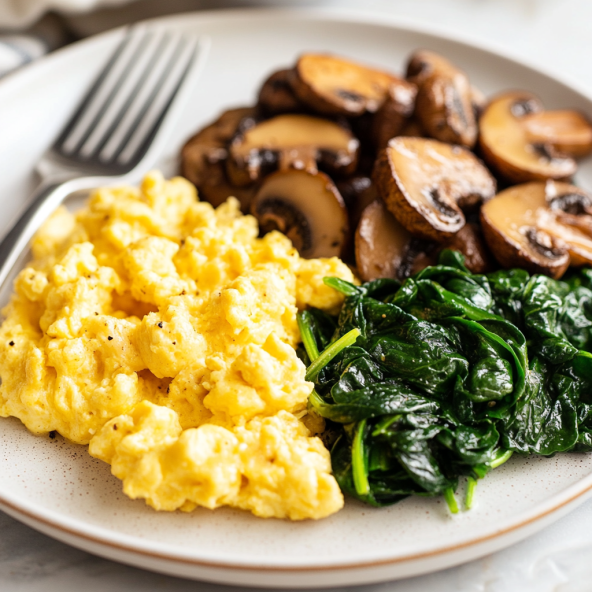
A plate of fluffy scrambled eggs served alongside sautéed spinach and mushrooms. The spinach is bright green and lightly wilted, and the mushrooms are golden brown. The breakfast is served on a white plate with a fork beside it, in a bright and cozy kitchen setting

7. Scrambled Eggs with Sautéed Spinach and Mushrooms

Ingredients:

  • 2 eggs
  • 1/2 cup spinach
  • 1/4 cup mushrooms, sliced
  • 1 tablespoon olive oil
  • Salt and pepper to taste

Preparation:

  1. Heat olive oil in a pan, sauté spinach and mushrooms for 3-4 minutes.
  2. Add beaten eggs to the pan and cook until scrambled.
  3. Season with salt and pepper and serve.

Time: 10 minutes

Difficulty: Easy

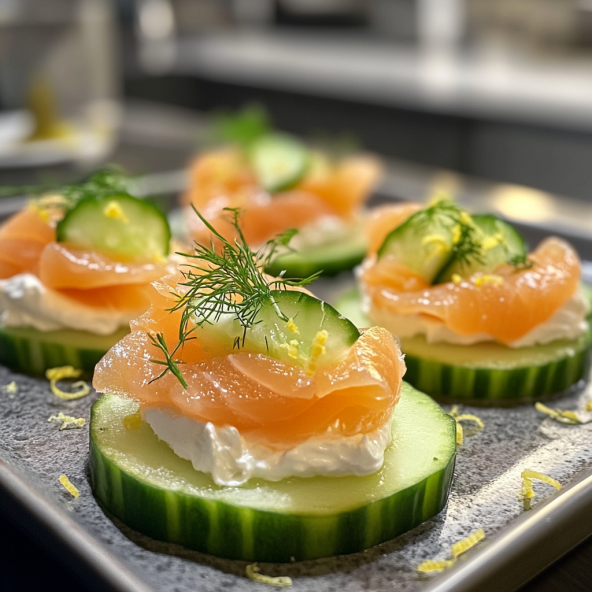
8. Smoked Salmon and Cream Cheese on Cucumber Slices

Ingredients:

  • 4 cucumber slices
  • 2 tablespoons cream cheese
  • 2 ounces smoked salmon

Preparation:

  1. Spread cream cheese on cucumber slices.
  2. Top with smoked salmon and serve.

Time: 5 minutes

Difficulty: Very easy

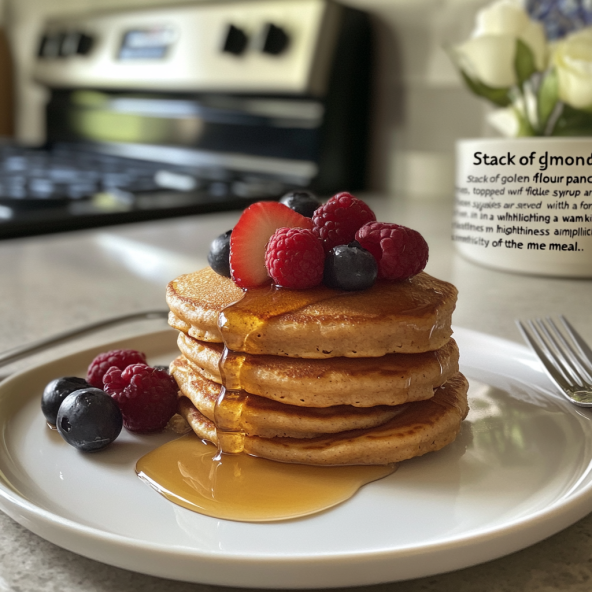
9. Low-Carb Pancakes with Almond Flour

Ingredients:

  • 1/2 cup almond flour
  • 1 egg
  • 1/4 cup unsweetened almond milk
  • 1 teaspoon baking powder

Preparation:

  1. Mix all ingredients in a bowl until smooth.
  2. Cook on a hot pan over medium heat until golden on both sides.

Time: 10 minutes

Difficulty: Easy

10. Omelette with Cheese, Tomatoes, and Bell Peppers

Ingredients:

  • 2 eggs
  • 1/4 cup cheese (cheddar or mozzarella)
  • 1/4 cup tomatoes, diced
  • 1/4 cup bell peppers, diced
  • Salt and pepper to taste

Preparation:

  1. Beat the eggs and pour them into a heated non-stick pan.
  2. Add the tomatoes, bell peppers, and cheese.
  3. Cook until the omelette is firm and fold it in half.

Time: 10 minutes

Difficulty: Easy

Another benefit of choosing a Low-Carb Breakfast is the flexibility in ingredients. Whether you prefer a savory omelette loaded with vegetables or a sweet chia seed pudding with coconut milk, there are endless possibilities to suit your taste preferences. By focusing on whole foods that are low in carbs, you can enjoy delicious, nutrient-packed breakfasts that keep your blood sugar in check while keeping you satisfied until your next meal.

Tips for Preparing Low-Carb Breakfasts

  • Choose whole foods that are naturally low in carbs, like eggs, vegetables, and dairy.
  • Avoid processed foods, pastries, and high-sugar cereals.
  • Use healthy fats such as olive oil, avocado, and nuts to keep you full longer.

Conclusion

In conclusion, choosing a Low-Carb Breakfast is an essential step in maintaining stable blood sugar levels for diabetics. By incorporating meals that are high in protein and fiber, and low in carbohydrates, you can start your day with sustained energy while avoiding blood sugar spikes. Whether you prefer egg-based dishes, smoothies, or innovative recipes like almond flour pancakes, there are plenty of delicious and satisfying options available. Making a Low-Carb Breakfast a part of your routine will not only help with glucose management but also support your overall health and well-being.

FAQ

1. Why are low-carb breakfasts important for diabetics?

Low-carb breakfasts help prevent blood sugar spikes by limiting the amount of glucose entering the bloodstream. This helps diabetics maintain stable glucose levels throughout the day.

2. Can I include fruits in my low-carb breakfast?

Yes, but it’s best to choose low-sugar fruits such as berries. Berries are high in fiber and antioxidants, making them an excellent choice for diabetics.

3. Are low-carb pancakes a good option for diabetics?

Yes, low-carb pancakes made with almond flour or coconut flour are perfect for diabetics. They are low in carbs and won’t cause a spike in blood sugar levels.

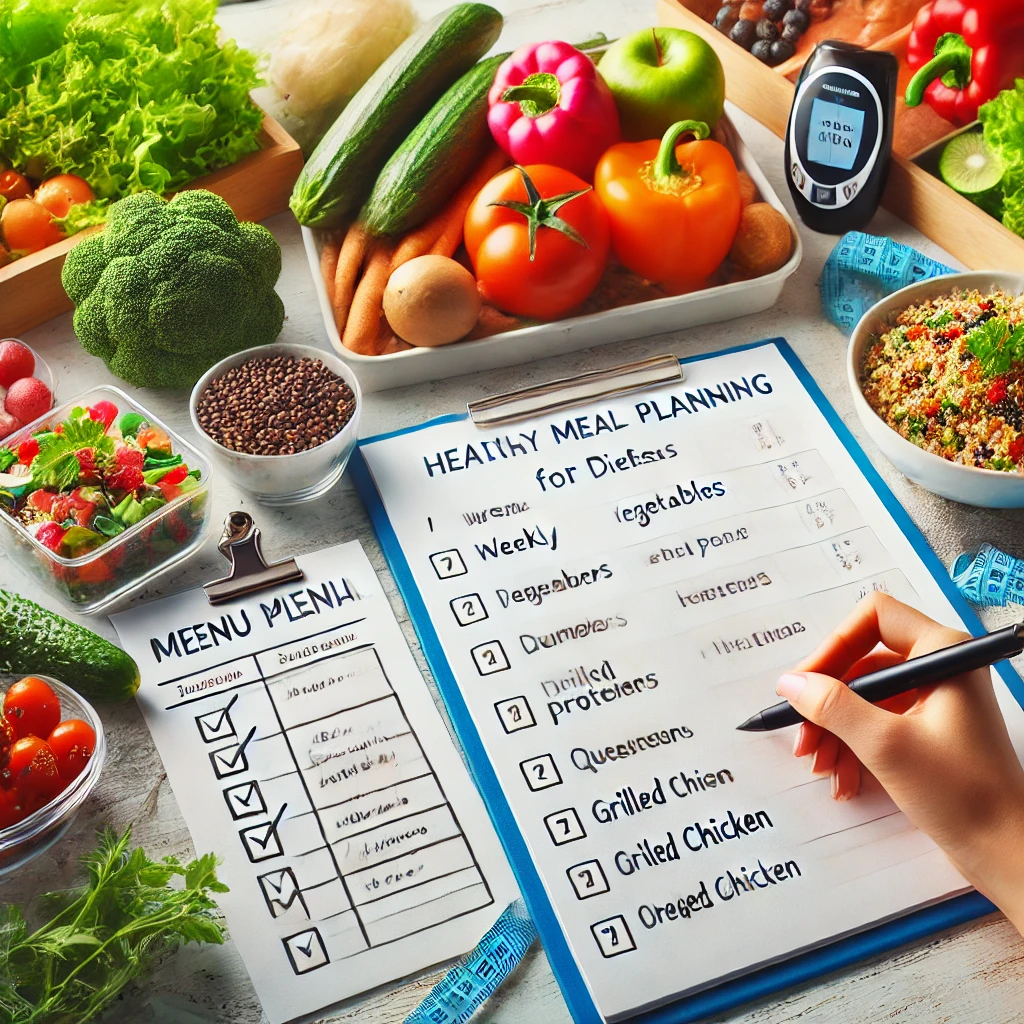
5 Benefits of Weekly Menu Planning for Diabetics: Delicious Recipes Included

Weekly Menu Planning for Diabetics is an effective strategy for managing diabetes while still enjoying delicious and nutritious foods. By preparing a weekly menu, you can ensure that your meals are balanced, low in sugar, and rich in essential nutrients. In this article, we will discuss the benefits of Weekly Menu Planning for Diabetics and provide simple and tasty recipes to make your meal prep easier and more efficient. For more information, please visit our blog; https://www.mymealrecipes.com

Benefits of Weekly Menu Planning for Diabetics

1. Control Blood Sugar Levels

By planning your meals, you can choose ingredients that help stabilize blood sugar levels. A well-thought-out menu includes high-fiber foods, lean proteins, and healthy fats.

2. Save Time and Money

Meal planning can help you save time during the week by reducing the need for last-minute grocery shopping or takeout. Additionally, buying ingredients in bulk can save you money.

3. Promote Healthy Eating Habits

Having a weekly menu encourages you to make healthier food choices. You can focus on cooking at home and exploring new recipes that align with your dietary needs.

Incorporating Variety for Nutrient Balance is essential for diabetics to ensure they are receiving a broad range of nutrients. By rotating different types of proteins like chicken, fish, and legumes, and including a colorful assortment of vegetables, you can prevent meal fatigue and maintain a balanced diet. This approach not only helps control blood sugar but also promotes overall health and wellness. Planning ahead allows you to be creative with your meals while staying within the necessary dietary guidelines for diabetes management.

4. Reduce Stress

Knowing what to cook each day can eliminate the stress of last-minute meal decisions. A planned menu makes mealtime enjoyable and organized.

Additionally, portion control plays a key role in managing diabetes through meal planning. It’s important to measure portion sizes, especially for carbohydrate-heavy foods like grains and starchy vegetables, to avoid overconsumption and subsequent blood sugar spikes. Having a structured weekly menu helps you plan your portions more accurately and ensures you’re eating the right amount of food for your specific needs. This attention to portion control can lead to better blood sugar stability and improved long-term health outcomes.

Incorporating Variety for Nutrient Balance

is essential for diabetics to ensure they are receiving a broad range of nutrients. By rotating different types of proteins like chicken, fish, and legumes, and including a colorful assortment of vegetables, you can prevent meal fatigue and maintain a balanced diet. This approach not only helps control blood sugar but also promotes overall health and wellness. Planning ahead allows you to be creative with your meals while staying within the necessary dietary guidelines for diabetes management.

Simple and Tasty Weekly Menu for Diabetics

Day 1: Monday

Breakfast: Greek Yogurt Parfait with Berries and Nuts
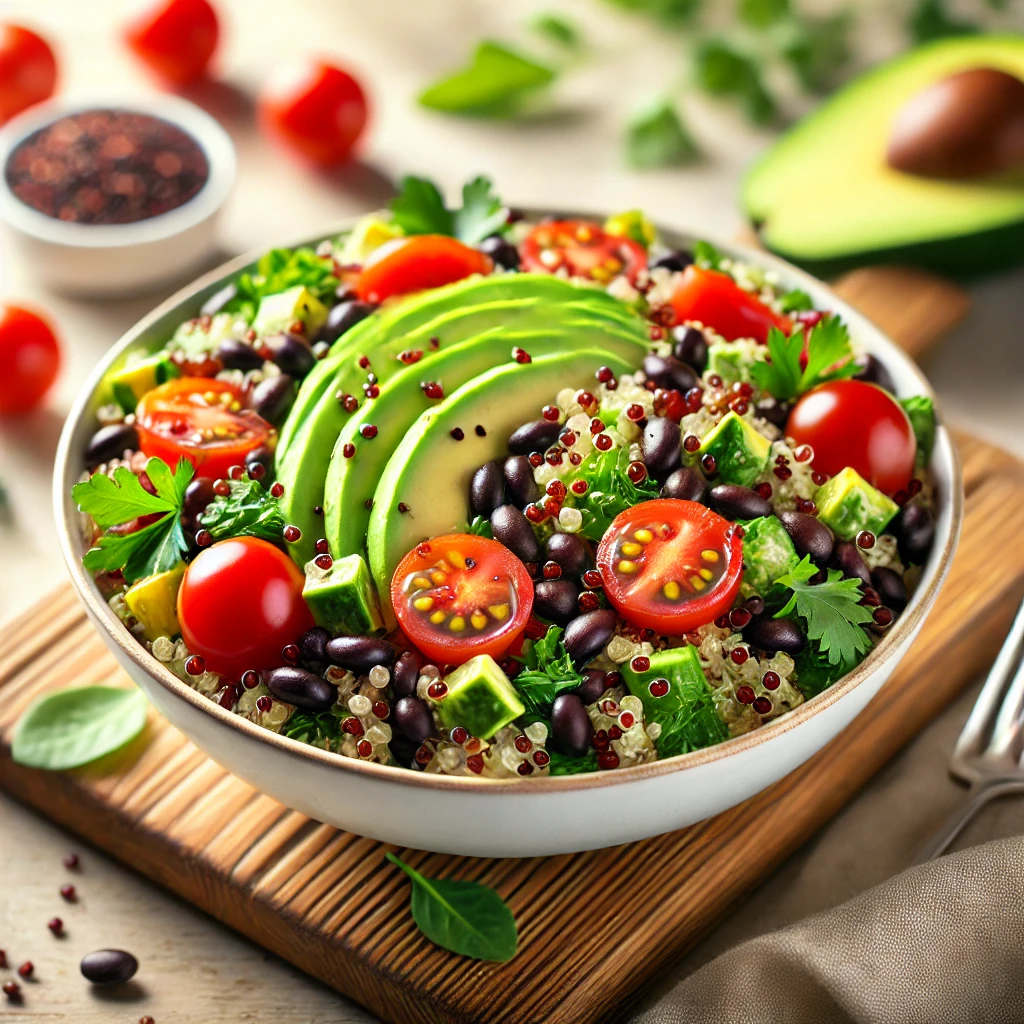
Lunch: Quinoa Salad with Black Beans and Avocado
Dinner: Grilled Chicken with Steamed Broccoli and Sweet Potato

Day 2: Tuesday

Breakfast: Overnight Oats with Chia Seeds and Almond Milk
Lunch: Lentil Soup with Spinach
Dinner: Baked Salmon with Asparagus and Quinoa

Day 3: Wednesday

Breakfast: Smoothie with Spinach, Banana, and Protein Powder
Lunch: Turkey Wrap with Whole Wheat Tortilla and Mixed Greens
Dinner: Vegetable Stir-Fry with Tofu and Brown Rice

Day 4: Thursday

Breakfast: Scrambled Eggs with Spinach and Tomatoes
Lunch: Chickpea Salad with Cucumber and Feta Cheese
Dinner: Beef and Vegetable Stew

Day 5: Friday

Breakfast: Cottage Cheese with Pineapple and Flaxseeds
Lunch: Stuffed Bell Peppers with Quinoa and Black Beans
Dinner: Zucchini Noodles with Marinara Sauce and Grilled Shrimp

Day 6: Saturday

Breakfast: Avocado Toast on Whole Grain Bread
Lunch: Tomato Basil Soup with a Side Salad
Dinner: Grilled Vegetable Skewers with Quinoa

Day 7: Sunday

Breakfast: Chia Seed Pudding with Berries
Lunch: Spinach and Feta Omelette
Dinner: Roast Chicken with Root Vegetables

Simple Recipes to Try

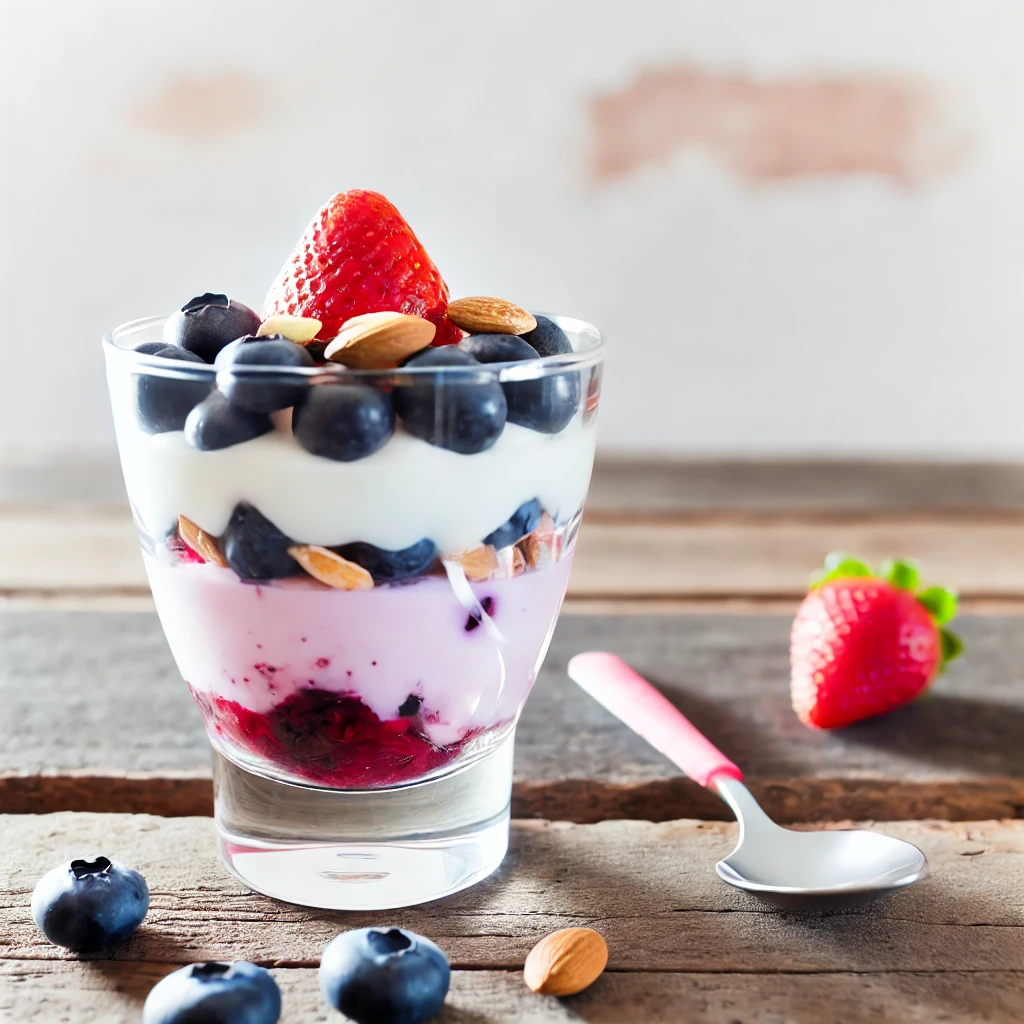
The photo shows a Greek yogurt parfait in a clear glass, layered with fresh blueberries, strawberries, and topped with almonds and walnuts. It’s set on a rustic wooden table, with a bright, minimalist background, creating a fresh and healthy breakfast atmosphere.

Greek Yogurt Parfait with Berries and Nuts

Ingredients:

  • 1 cup Greek yogurt (unsweetened)
  • ½ cup mixed berries (blueberries, strawberries)
  • 2 tablespoons nuts (almonds, walnuts)

Instructions:

  1. Layer Greek yogurt, mixed berries, and nuts in a glass.
  2. Enjoy immediately.

Ingredients:

  • 1 cup cooked quinoa
  • 1 can black beans (drained and rinsed)
  • 1 avocado (diced)
  • ½ cup cherry tomatoes (halved)
  • Juice of 1 lime
  • Salt and pepper to taste

Instructions:

  1. In a bowl, combine all ingredients and toss gently.
  2. Serve chilled.

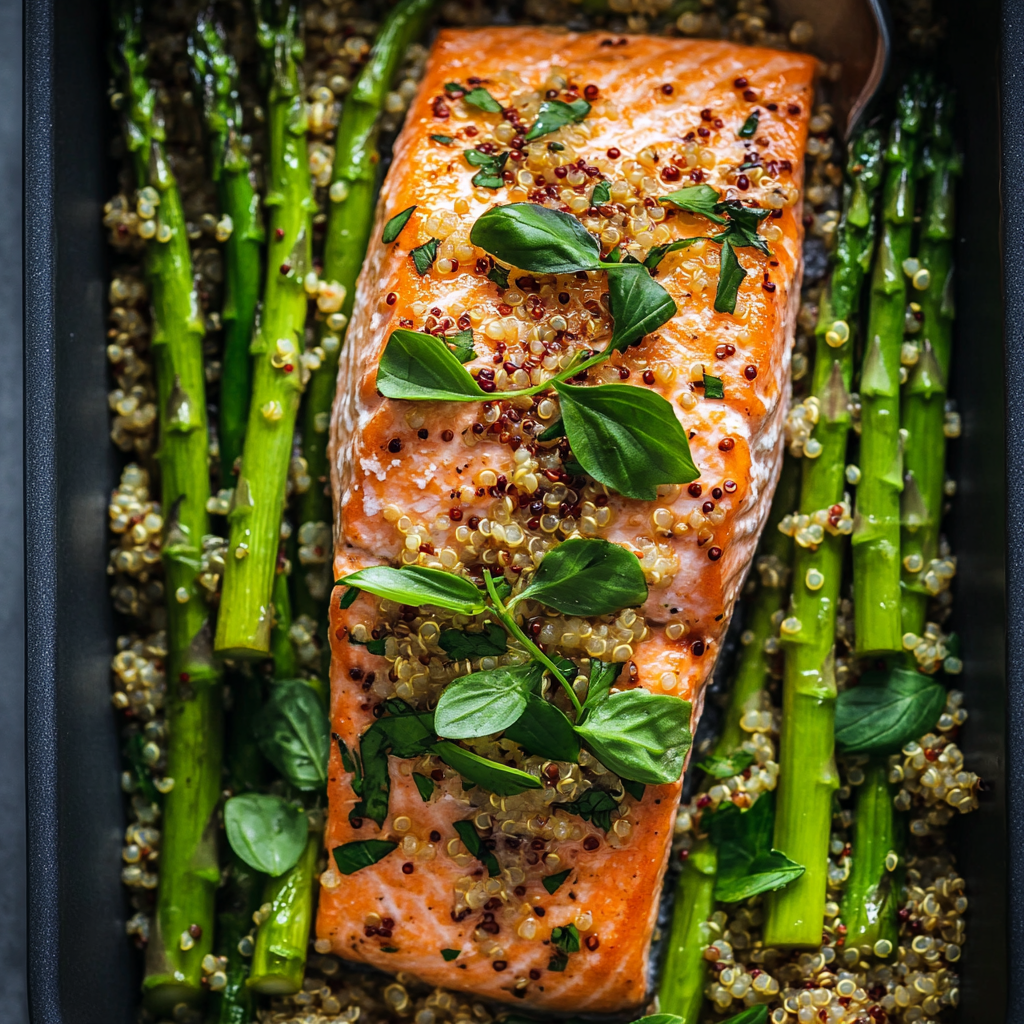
Baked Salmon with Asparagus and Quinoa

Ingredients:

  • 1 pound salmon fillet
  • 1 bunch asparagus (trimmed)
  • 1 cup cooked quinoa
  • 2 tablespoons olive oil
  • Lemon slices for garnish

Instructions:

  1. Preheat the oven to 375°F (190°C).
  2. Place salmon and asparagus on a baking sheet, drizzle with olive oil, and season with salt and pepper.
  3. Bake for 15-20 minutes or until the salmon is cooked through.
  4. Serve with cooked quinoa and lemon slices.

FAQ

1. Why is it important to plan a weekly menu for diabetics?

Planning a weekly menu helps control blood sugar levels by allowing you to select healthy ingredients. It also makes it easier to save time and money, while promoting healthier eating habits.

2. What types of ingredients should I include in my meals?

It’s recommended to include foods rich in fiber, lean proteins, healthy fats, and a variety of vegetables. Examples include whole grains, legumes, fresh fruits, and vegetables.

3. Can I adapt the recipes to fit my dietary preferences?

Yes! The provided recipes are versatile and can be adjusted according to your tastes and dietary needs. You can change ingredients or portions to suit your preferences.

4. How often should I plan my meals?

It is recommended to plan meals on a weekly basis. This allows you to better organize your diet and ensure you have the necessary ingredients on hand.

5. Where can I find more healthy recipes for diabetics?

You can explore health websites, cooking blogs, and recipe books that focus on healthy eating for diabetics.

Final Thoughts

Weekly menu planning is a valuable tool for individuals managing diabetes. By preparing simple and tasty recipes, you can maintain a balanced diet while enjoying a variety of flavors. Use the menu and recipes provided as a guide to create your own weekly meal plan that suits your tastes and dietary needs.

For more tips and delicious recipes tailored for diabetics, explore our blog!

Related Links

  1. American Diabetes Association – Meal Planning
  2. Diabetes UK – Recipe Collection

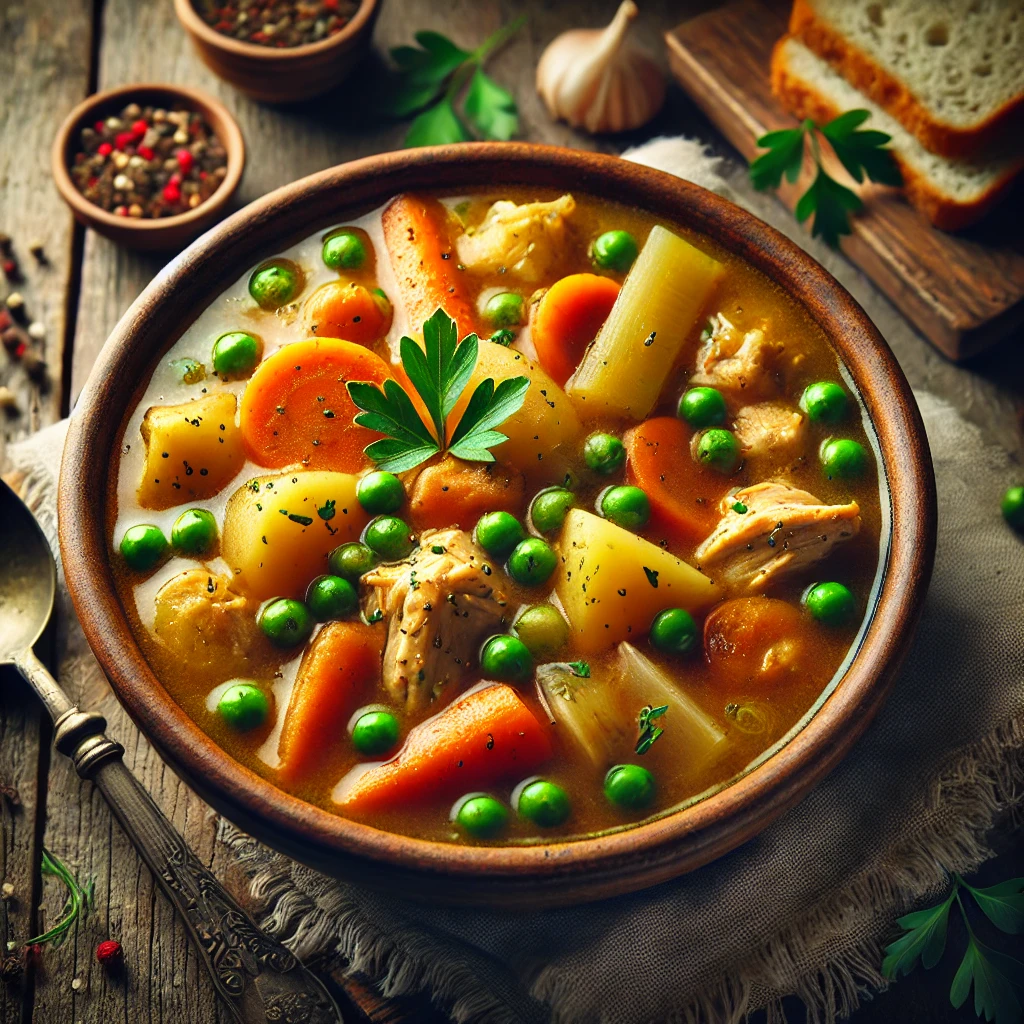
5 Healthy Soup and Stew Recipes for Diabetics: Nutritious and Delicious Options

Healthy soup recipes are an excellent way to nourish your body while managing diabetes. Soups and stews, when packed with nutrient-dense ingredients like vegetables, lean proteins, and fiber-rich legumes, can help control blood sugar levels while providing comforting, delicious meals. In this article, we will explore a variety of healthy soup and stew recipes specifically tailored for diabetics, along with tips on how to maximize the nutritional benefits of each dish.for more information , please visite aor blog: https://mymealrecipes.com/low-carb-breakfast-recipes/

Benefits of Eating Healthy Soup for Diabetics

Párrafo: Incorporating healthy soup into your diet can provide multiple benefits for diabetics. Soups that are rich in vegetables, lean proteins, and fiber can help regulate blood sugar levels by slowing down digestion and preventing sudden glucose spikes. Additionally, the high water content in soups promotes hydration and keeps you feeling full for longer, reducing the temptation to snack on unhealthy foods. These meals are not only satisfying but also play a crucial role in managing diabetes effectively.

Benefits of Soups and Stews for Diabetics

1. Low in Calories, High in Nutrients

Soups and stews can be low in calories while still being nutrient-dense. They are typically made with a variety of vegetables, legumes, and lean proteins, making them filling without excessive calories.

2. Fiber-Rich Ingredients

Incorporating high-fiber ingredients like vegetables, legumes, and whole grains helps regulate blood sugar levels. Fiber slows digestion and prevents rapid spikes in glucose.

3. Hydration

Soups and stews are mostly liquid, which can contribute to your daily hydration needs, promoting overall health and well-being.

4. Versatility

These dishes can be easily customized based on personal preferences, dietary restrictions, and seasonal ingredients, allowing for creativity in the kitchen.

Healthy Soup and Stew Recipes for Diabetics

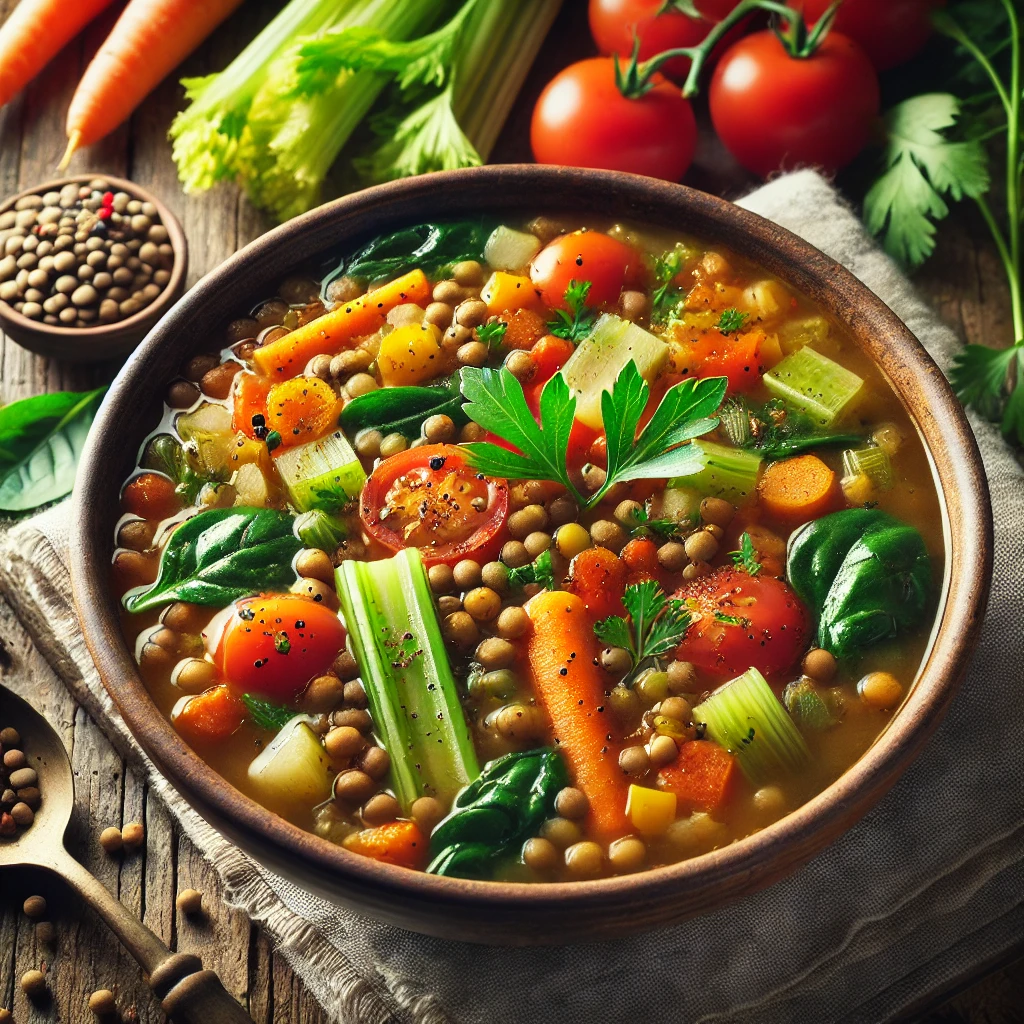
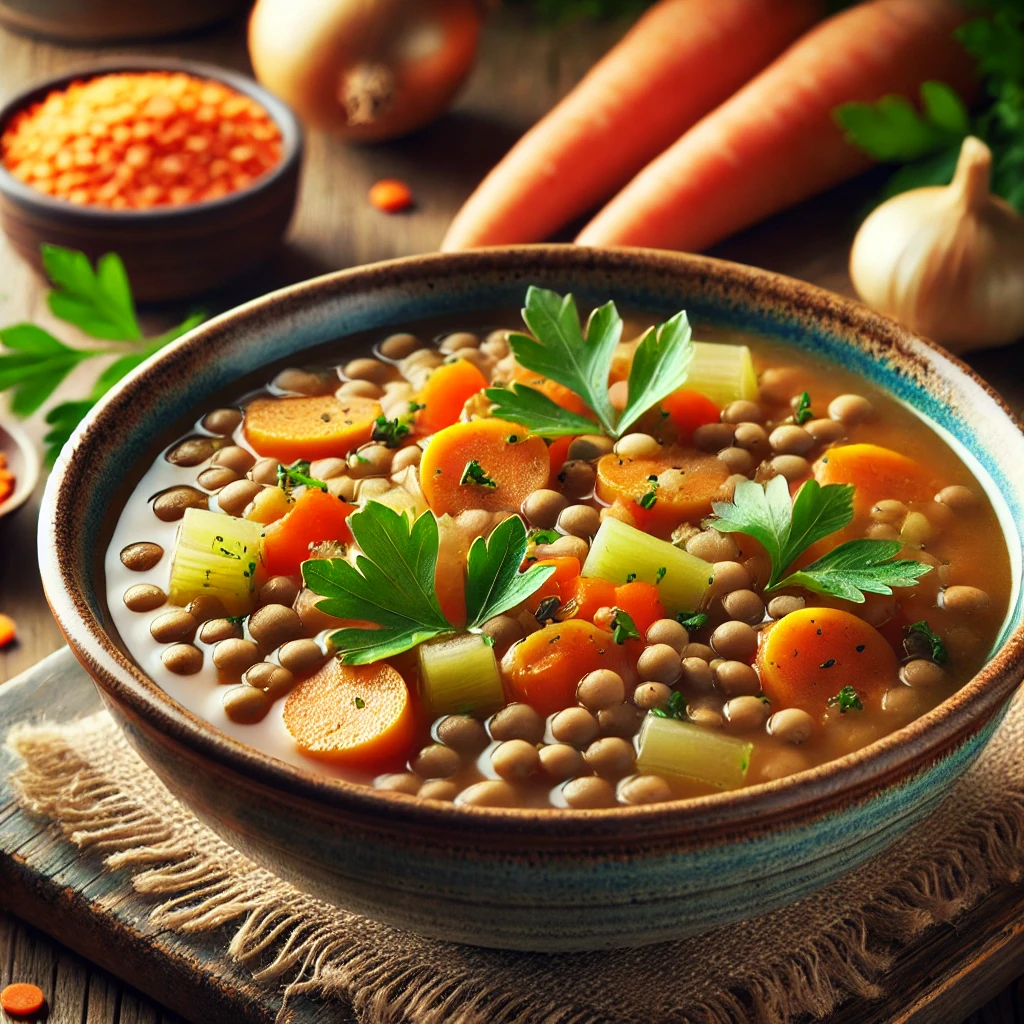
1. Vegetable and Lentil Soup

Ingredients:

  • 1 cup lentils (rinsed)
  • 2 carrots (diced)
  • 1 celery stalk (diced)
  • 1 onion (chopped)
  • 4 cups vegetable broth (low-sodium)
  • 2 cloves garlic (minced)
  • 1 teaspoon thyme
  • Salt and pepper to taste

Instructions:

  1. In a large pot, sauté onion, carrots, and celery until softened.
  2. Add garlic and cook for an additional minute.
  3. Stir in lentils, broth, thyme, salt, and pepper.
  4. Bring to a boil, then reduce heat and simmer for about 30 minutes or until lentils are tender.

Prep Time: 10 minutes; Cook Time: 30 minutes

2. Chicken and Vegetable Stew

Ingredients:

  • 1 pound boneless, skinless chicken thighs (cubed)
  • 2 cups carrots (sliced)
  • 2 cups zucchini (diced)
  • 1 onion (chopped)
  • 4 cups chicken broth (low-sodium)
  • 2 cloves garlic (minced)
  • 1 teaspoon rosemary
  • Salt and pepper to taste

Instructions:

  1. In a large pot, sauté onion and garlic until fragrant.
  2. Add cubed chicken and cook until browned.
  3. Stir in carrots, zucchini, broth, rosemary, salt, and pepper.
  4. Simmer for 25-30 minutes, or until the chicken is cooked through and vegetables are tender.

Prep Time: 15 minutes; Cook Time: 30 minutes

3. Butternut Squash and Black Bean Soup

Ingredients:

  • 1 medium butternut squash (peeled and diced)
  • 1 can black beans (drained and rinsed)
  • 1 onion (chopped)
  • 4 cups vegetable broth (low-sodium)
  • 2 cloves garlic (minced)
  • 1 teaspoon cumin
  • Salt and pepper to taste

Instructions:

  1. In a large pot, sauté onion and garlic until softened.
  2. Add diced butternut squash, black beans, broth, cumin, salt, and pepper.
  3. Bring to a boil, then reduce heat and simmer for 20-25 minutes, or until the squash is tender.
  4. Use an immersion blender to puree the soup to your desired consistency.

Prep Time: 15 minutes; Cook Time: 25 minutes

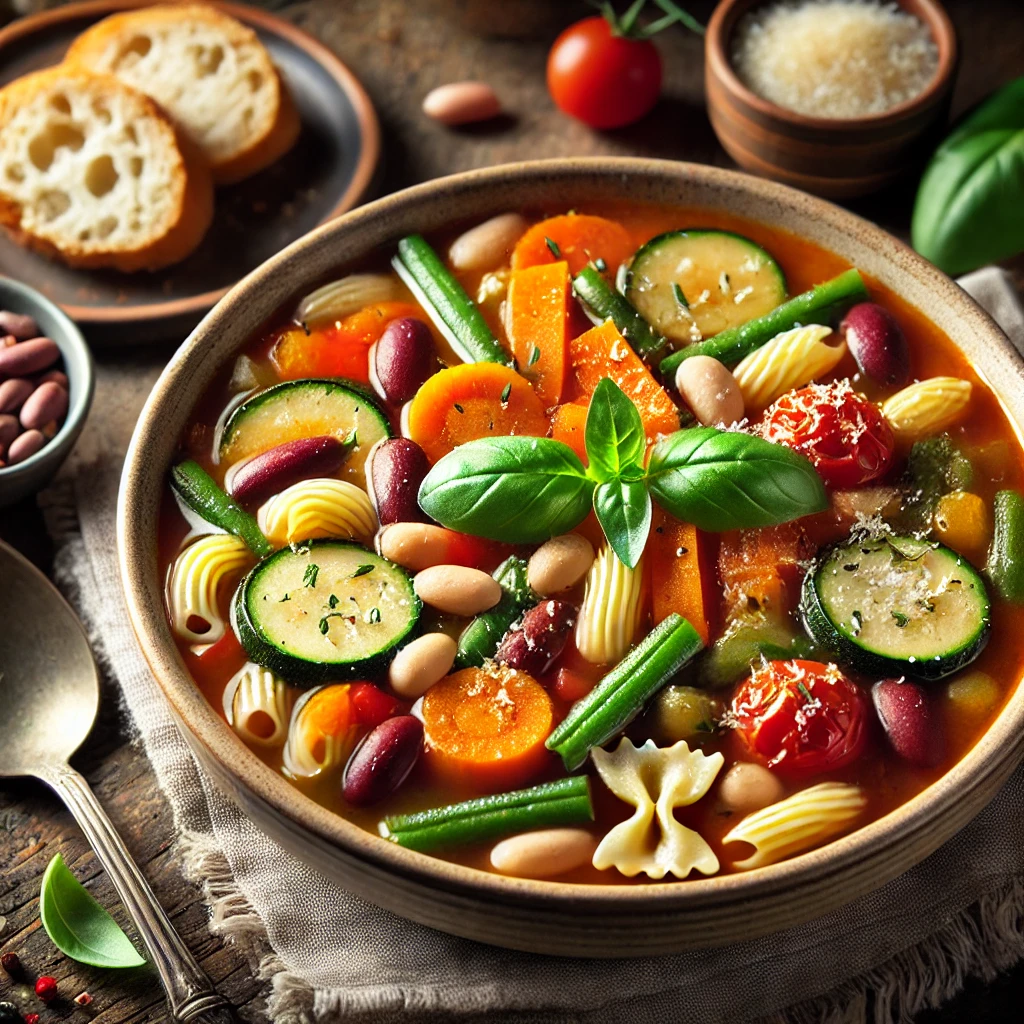
4. Minestrone Soup

Ingredients:

  • 1 cup diced tomatoes (canned or fresh)
  • 1 cup green beans (trimmed and cut)
  • 1 cup zucchini (diced)
  • 1 cup carrots (diced)
  • 4 cups vegetable broth (low-sodium)
  • 1 can cannellini beans (drained and rinsed)
  • 1 teaspoon Italian seasoning
  • Salt and pepper to taste

Instructions:

  1. In a large pot, combine all ingredients.
  2. Bring to a boil, then reduce heat and simmer for 30-35 minutes, or until vegetables are tender.

Prep Time: 10 minutes; Cook Time: 35 minutes

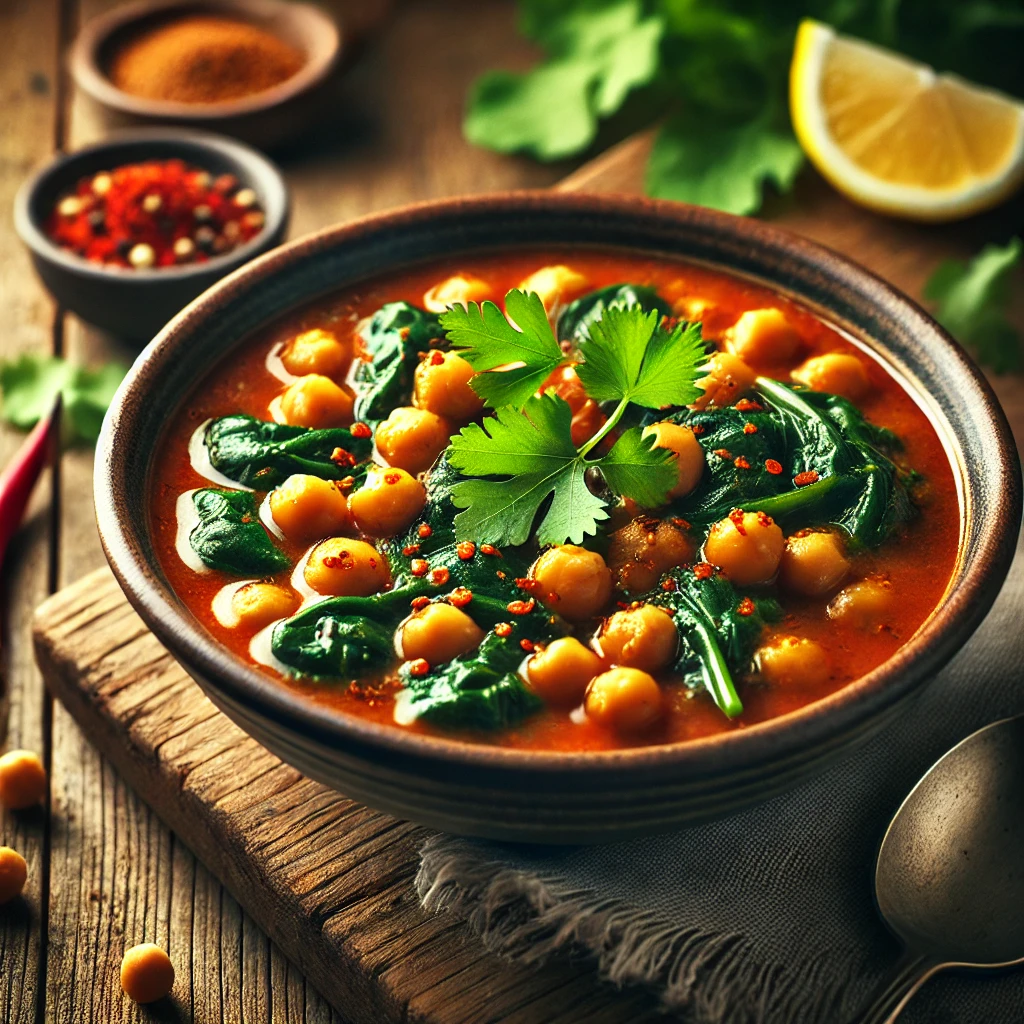
5. Spicy Chickpea and Spinach Stew

Ingredients:

  • 1 can chickpeas (drained and rinsed)
  • 2 cups spinach (fresh or frozen)
  • 1 onion (chopped)
  • 2 cloves garlic (minced)
  • 1 teaspoon smoked paprika
  • 4 cups vegetable broth (low-sodium)
  • Salt and pepper to taste

Instructions:

  1. In a large pot, sauté onion and garlic until softened.
  2. Stir in chickpeas, smoked paprika, broth, salt, and pepper.
  3. Bring to a boil, then reduce heat and simmer for 15 minutes.
  4. Add spinach and cook until wilted.

Prep Time: 10 minutes; Cook Time: 15 minutes

How to Make Your Healthy Soup More Diabetic-Friendly

Párrafo: To make your healthy soup more diabetic-friendly, focus on ingredients with a low glycemic index. Avoid using starchy vegetables like potatoes in large quantities, and instead opt for non-starchy options such as spinach, broccoli, and zucchini. Adding a source of lean protein like chicken, turkey, or tofu will also help stabilize blood sugar levels. Finally, use herbs and spices for flavor instead of adding extra salt or sugar, making your soup not only delicious but also better for managing diabetes.

Final Thoughts

Healthy soups and stews are excellent choices for individuals managing diabetes. Not only are they nutritious and filling, but they also provide an opportunity to experiment with various ingredients and flavors. Incorporate these recipes into your meal planning for delicious and diabetes-friendly options that can help you maintain balanced blood sugar levels.

Conclusion

Incorporating healthy soups and stews into your diet is a great way to nourish your body while managing diabetes. These dishes, packed with vegetables, lean proteins, and fiber-rich ingredients, offer both flavor and nutrients while helping to maintain stable blood sugar levels. Whether you prefer the heartiness of a lentil soup or the comforting flavors of a chicken stew, these recipes provide a wide range of options tailored to diabetic-friendly needs.

By making simple adjustments like choosing low-glycemic ingredients and focusing on fresh, whole foods, you can easily prepare meals that are satisfying, delicious, and health-conscious. Add these soups and stews to your weekly menu to support your diabetes management while enjoying tasty, wholesome meals. For more information and additional recipes, please visit our blog: Low-Carb Breakfast Recipes.

FAQ

  1. Why are soups and stews good for diabetics?
    Soups and stews are excellent options for diabetics because they are typically low in calories, high in fiber, and packed with nutrient-dense ingredients like vegetables and lean proteins. These meals can help stabilize blood sugar levels and promote overall health, while also providing hydration.
  2. What ingredients should I avoid when making soups and stews for diabetics?
    It’s best to avoid high-glycemic ingredients like white potatoes, corn, and large amounts of starchy vegetables. Instead, focus on non-starchy vegetables such as spinach, broccoli, and zucchini. Additionally, avoid adding excess salt, sugar, or high-fat dairy products to keep the recipe healthier.
  3. How can I make my soups more diabetic-friendly?
    To make soups more diabetic-friendly, use ingredients with a low glycemic index, like non-starchy vegetables, lean proteins, and legumes. Opt for healthy seasonings like herbs and spices to enhance flavor without adding extra calories or sodium. You can also substitute high-carb ingredients with alternatives such as cauliflower or zucchini.
  4. Can I meal prep soups and stews in advance?
    Yes! Soups and stews are ideal for meal prep. You can prepare large batches and store them in the refrigerator for several days or freeze them for longer storage. Just make sure to use airtight containers to maintain freshness.
  5. Are these soup and stew recipes suitable for non-diabetics?
    Absolutely! These recipes are healthy and balanced, making them perfect for anyone who wants to enjoy nutritious, low-calorie meals. Even if you are not managing diabetes, these soups and stews are a great way to incorporate more vegetables and lean proteins into your diet.
  6. How often should diabetics eat soups and stews?
    Diabetics can enjoy soups and stews as part of their regular meal plan, as these dishes provide a convenient way to consume nutrient-dense foods. However, it’s important to maintain variety in the diet, so these meals should be balanced with other healthy food options throughout the week.
  7. Can I substitute ingredients in the recipes?
    Yes, you can easily substitute ingredients in these recipes to suit your preferences or dietary restrictions. For example, you can swap out chicken for tofu or lentils for chickpeas. Just ensure that any substitutions you make are also diabetic-friendly and low in carbohydrates.

For more healthy recipes and tips for diabetes management, explore our blog!

links

https://diabetes.org/food-nutrition

https://www.mayoclinic.org/diseases-conditions/diabetes/in-depth/diabetes-diet/art-20044295

https://www.diabetes.org.uk/living-with-diabetes/eating/recipes

7 Powerful Benefits of High-Fiber Meals for Diabetics: Delicious and Healthy Recipes

Managing diabetes effectively requires a balanced diet, and High-Fiber Meals are key to helping control blood sugar levels. Fiber-rich foods can play a crucial role in managing blood glucose, improving digestion, and supporting overall health. In this article, we will explore the benefits of incorporating High-Fiber Meals into your daily diet and provide delicious recipe ideas that make it easy to enjoy these nutritious foods every day. for more information , please visite aor blog: https://mymealrecipes.com/low-carb-breakfast-recipes/

How Fiber Helps Regulate Blood Sugar in Diabetics

Párrafo: Fiber plays a crucial role in helping regulate blood sugar levels, especially for diabetics. High-fiber meals slow down digestion, which in turn leads to a more gradual release of glucose into the bloodstream. This can prevent the spikes and crashes in blood sugar that are common after meals high in refined carbohydrates. By including fiber-rich foods like legumes, vegetables, and whole grains, diabetics can better manage their glucose levels and maintain more stable energy throughout the day.

Why Is Fiber Important for Diabetes Management?

Fiber is a type of carbohydrate that the body cannot digest. Unlike other carbohydrates, fiber passes through the digestive system relatively intact, which helps to regulate blood sugar levels. Here are some key reasons why fiber is important for individuals with diabetes:

1. Blood Sugar Control

High-fiber foods can slow down the absorption of sugar into the bloodstream, preventing spikes in blood glucose levels after meals. This can lead to more stable energy levels throughout the day.

2. Improved Digestive Health

Fiber promotes healthy digestion by adding bulk to the stool and preventing constipation. A healthy digestive system is crucial for overall well-being.

3. Weight Management

High-fiber foods tend to be more filling, which can help reduce overall calorie intake and support weight management—a key factor in diabetes control.

4. Heart Health

Many high-fiber foods, such as whole grains, legumes, and fruits, are also heart-healthy, helping to lower cholesterol levels and reduce the risk of heart disease.

High-Fiber Foods to Include in Your Diet

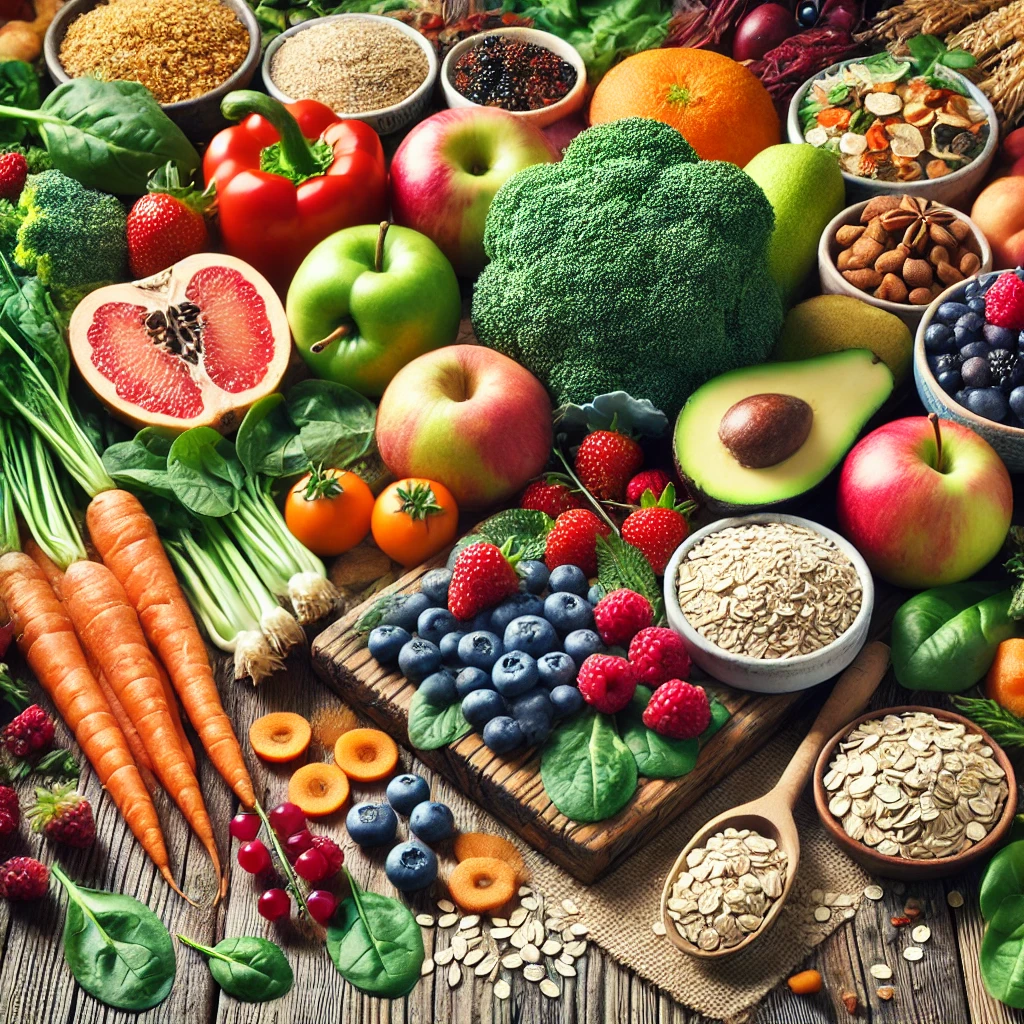
Incorporating a variety of high-fiber foods into your meals is essential for maximizing health benefits. Here are some excellent sources of dietary fiber:

  • Fruits: Berries, pears, apples, and oranges
  • Vegetables: Broccoli, carrots, Brussels sprouts, and leafy greens
  • Whole Grains: Oats, quinoa, brown rice, and whole wheat bread
  • Legumes: Lentils, chickpeas, black beans, and kidney beans
  • Nuts and Seeds: Chia seeds, flaxseeds, almonds, and walnuts

Best Sources of Fiber for a Diabetic Diet

Párrafo: When planning a diet rich in fiber for diabetes management, focus on incorporating foods like beans, lentils, leafy greens, and whole grains. These foods not only provide essential nutrients but also help regulate digestion and improve gut health. Additionally, fruits like berries and apples, and seeds like flaxseeds and chia seeds are excellent sources of fiber that can be easily included in meals. These options provide a healthy, natural way to boost fiber intake without adding unnecessary carbohydrates or sugars.
5 High-Fiber Meal Ideas for Managing Diabetes

1. Overnight Oats with Chia Seeds and Berries

Ingredients:

  • 1 cup rolled oats
  • 2 tablespoons chia seeds
  • 1 cup almond milk (unsweetened)
  • 1 cup mixed berries (blueberries, strawberries, raspberries)
  • 1 tablespoon honey or maple syrup (optional)

Instructions:

  1. In a bowl, mix rolled oats, chia seeds, and almond milk.
  2. Stir in honey or maple syrup if desired.
  3. Refrigerate overnight.
  4. Top with mixed berries before serving.

Prep Time: 10 minutes (plus overnight soaking)

2. Lentil and Vegetable Soup

Ingredients:

  • 1 cup lentils (rinsed)
  • 1 carrot (diced)
  • 1 celery stalk (diced)
  • 1 onion (chopped)
  • 4 cups vegetable broth (low-sodium)
  • 2 cloves garlic (minced)
  • 1 teaspoon thyme
  • Salt and pepper to taste

Instructions:

  1. In a large pot, sauté onion, carrot, and celery until softened.
  2. Add garlic and cook for another minute.
  3. Stir in lentils, broth, thyme, salt, and pepper.
  4. Bring to a boil, then reduce heat and simmer for 30 minutes or until lentils are tender.

Prep Time: 10 minutes; Cook Time: 30 minutes

3. Quinoa Salad with Black Beans and Avocado

Ingredients:

  • 1 cup quinoa (cooked)
  • 1 can black beans (drained and rinsed)
  • 1 avocado (diced)
  • 1 bell pepper (diced)
  • ¼ cup cilantro (chopped)
  • Juice of 1 lime
  • Salt and pepper to taste

Instructions:

  1. In a large bowl, combine cooked quinoa, black beans, avocado, bell pepper, and cilantro.
  2. Drizzle with lime juice and season with salt and pepper.
  3. Toss gently and serve.

Prep Time: 15 minutes

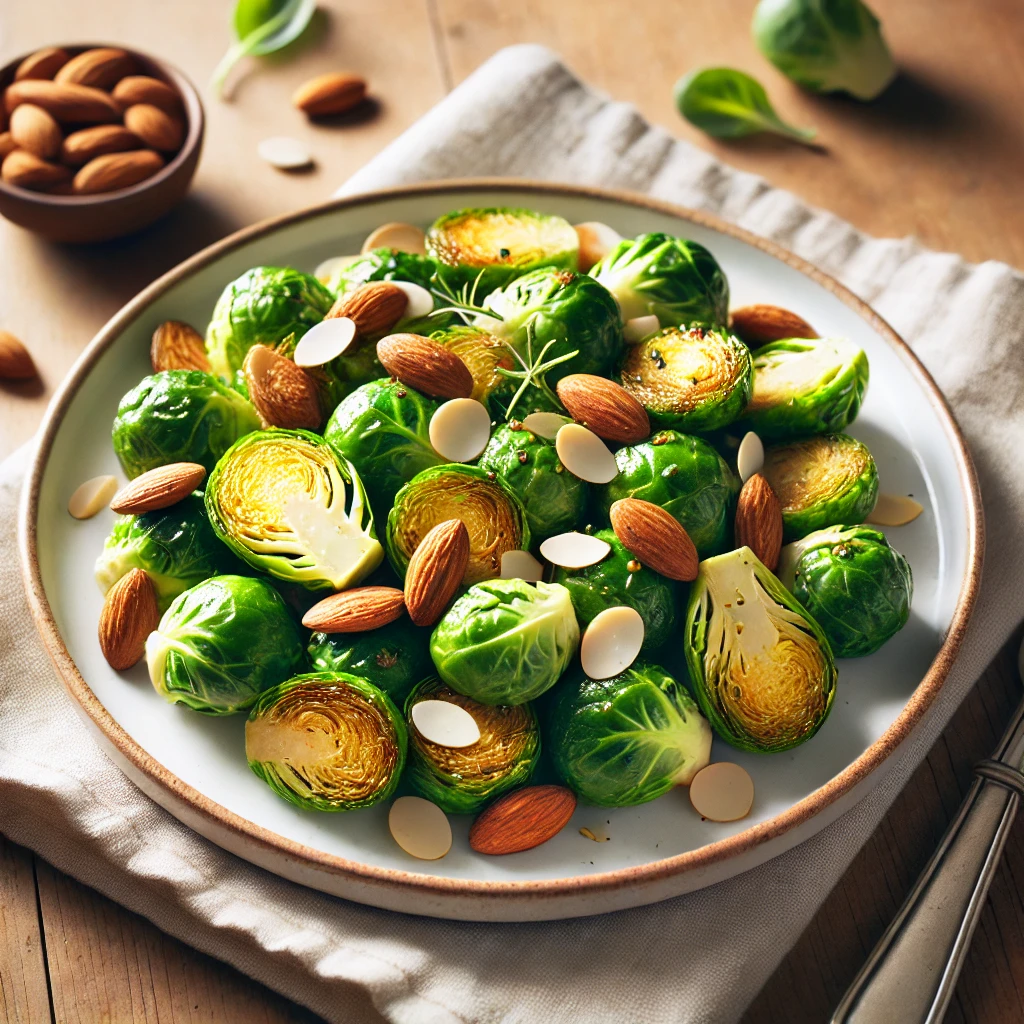
4. Roasted Brussels Sprouts with Almonds

Ingredients:

  • 2 cups Brussels sprouts (halved)
  • 2 tablespoons olive oil
  • ½ cup almonds (sliced)
  • Salt and pepper to taste

Instructions:

  1. Preheat the oven to 400°F (200°C).
  2. Toss Brussels sprouts with olive oil, salt, and pepper on a baking sheet.
  3. Roast for 20 minutes, then add sliced almonds and roast for an additional 10 minutes until golden brown.

Prep Time: 10 minutes; Cook Time: 30 minutes

5. Apple and Flaxseed Muffins

Ingredients:

  • 1 ½ cups whole wheat flour
  • ½ cup ground flaxseeds
  • 1 tablespoon baking powder
  • ½ teaspoon cinnamon
  • 1 cup unsweetened applesauce
  • 1/3 cup honey
  • 2 eggs (beaten)

Instructions:

  1. Preheat the oven to 350°F (175°C) and line a muffin tin with liners.
  2. In a bowl, mix flour, flaxseeds, baking powder, and cinnamon.
  3. In another bowl, combine applesauce, honey, and eggs.
  4. Combine wet and dry ingredients until just mixed.
  5. Pour the batter into the muffin tin and bake for 20-25 minutes.

Prep Time: 15 minutes; Cook Time: 25 minutes

Conclusion

Incorporating high-fiber meals into your daily diet is an effective strategy for managing diabetes and promoting overall health. Fiber helps regulate blood sugar levels, improves digestion, and keeps you feeling full for longer, making it an essential component of a balanced diet for diabetics. By including fiber-rich foods like vegetables, whole grains, legumes, and seeds, you can enjoy a variety of delicious, nutritious meals that support your health goals. Try the recipes and tips provided in this article to make high-fiber eating a part of your everyday routine for better diabetes management and overall wellness.

Final Thoughts

High-fiber meals are powerful allies in managing diabetes. By incorporating a variety of fiber-rich foods into your diet, you can stabilize blood sugar levels, improve digestion, and support overall health. Try the recipes above to enjoy delicious, nutrient-dense meals that will help you on your journey to better diabetes management.

For more tips and recipes focused on diabetes-friendly eating, explore our blog and discover how to build a healthier lifestyle today!

Links

  1. https://www.allrecipes.com

Low-Carb Recipe Guide for People with Diabetes

Managing diabetes effectively often involves monitoring carbohydrate intake. Low-carb diets can help regulate blood sugar levels while still providing delicious, satisfying meals. In this guide, we’ll explore a variety of low-carb recipes tailored for people with diabetes, ensuring you enjoy nutritious meals that won’t spike your glucose levels. For more information , please vesite aor blog https://mymealrecipes.com/low-carb-breakfast-recipes/
Why Choose Low-Carb Meals for Diabetes?

A low-carb diet focuses on reducing the consumption of carbohydrates, which are known to raise blood sugar levels. By cutting down on carbs, especially simple sugars and processed foods, you can stabilize your glucose levels more easily. Additionally, low-carb diets help in managing weight, improving heart health, and reducing insulin resistance.

Benefits of Low-Carb Recipes for Diabetics

  • Helps in maintaining stable blood sugar levels.
  • Reduces the need for high doses of insulin or other diabetes medications.
  • Promotes weight loss, which can improve insulin sensitivity.
  • Encourages a balanced intake of proteins and healthy fats.

Essential Ingredients for Low-Carb Cooking

When preparing low-carb meals, it’s important to focus on nutrient-dense ingredients. Here are some key components to include in your low-carb recipes:

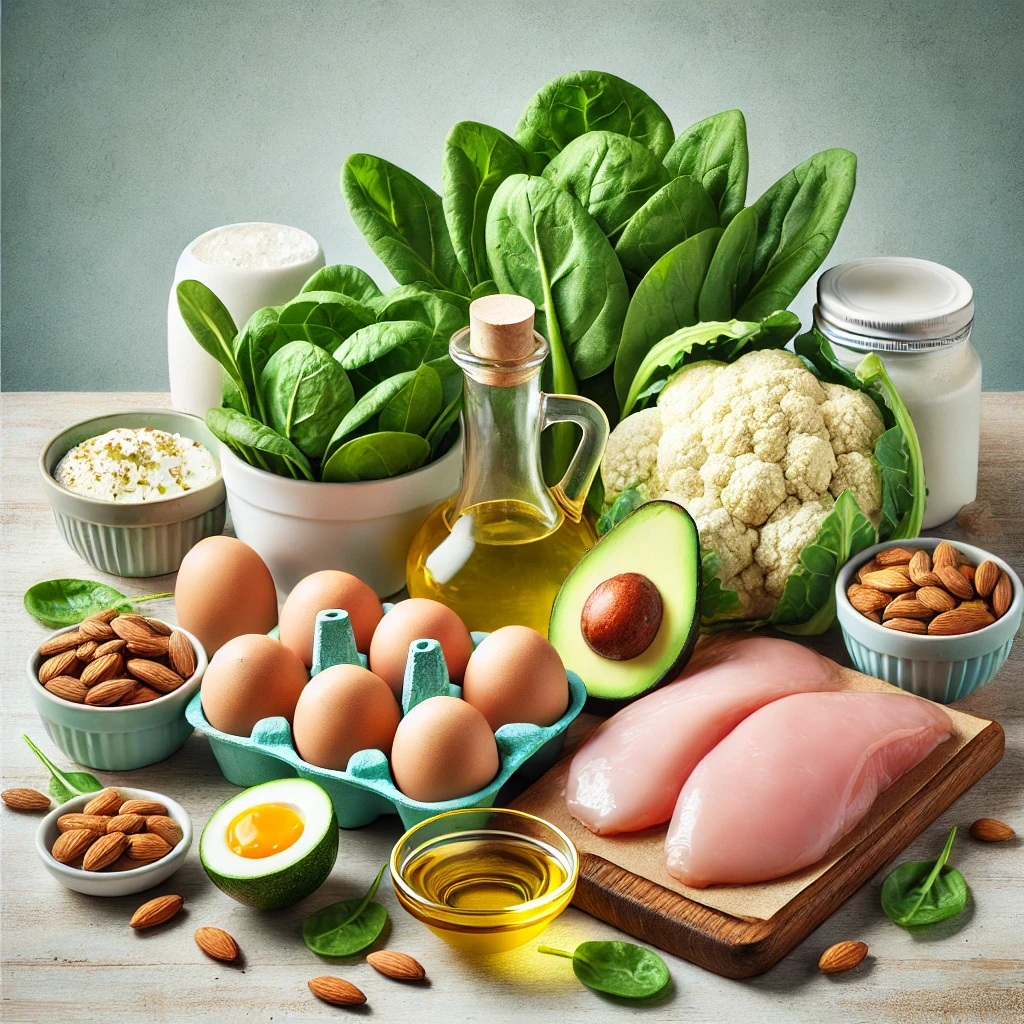
  • Lean Proteins: Chicken, turkey, fish, eggs, tofu, and legumes.
  • Healthy Fats: Olive oil, avocado, nuts, and seeds.
  • Low-Glycemic Vegetables: Leafy greens, zucchini, broccoli, cauliflower, and bell peppers.
  • Whole Grains (in moderation): Quinoa, oats, and brown rice.
  • Low-Sugar Fruits: Berries, citrus fruits, and melons.

5 Delicious Low-Carb Recipes for Diabetics

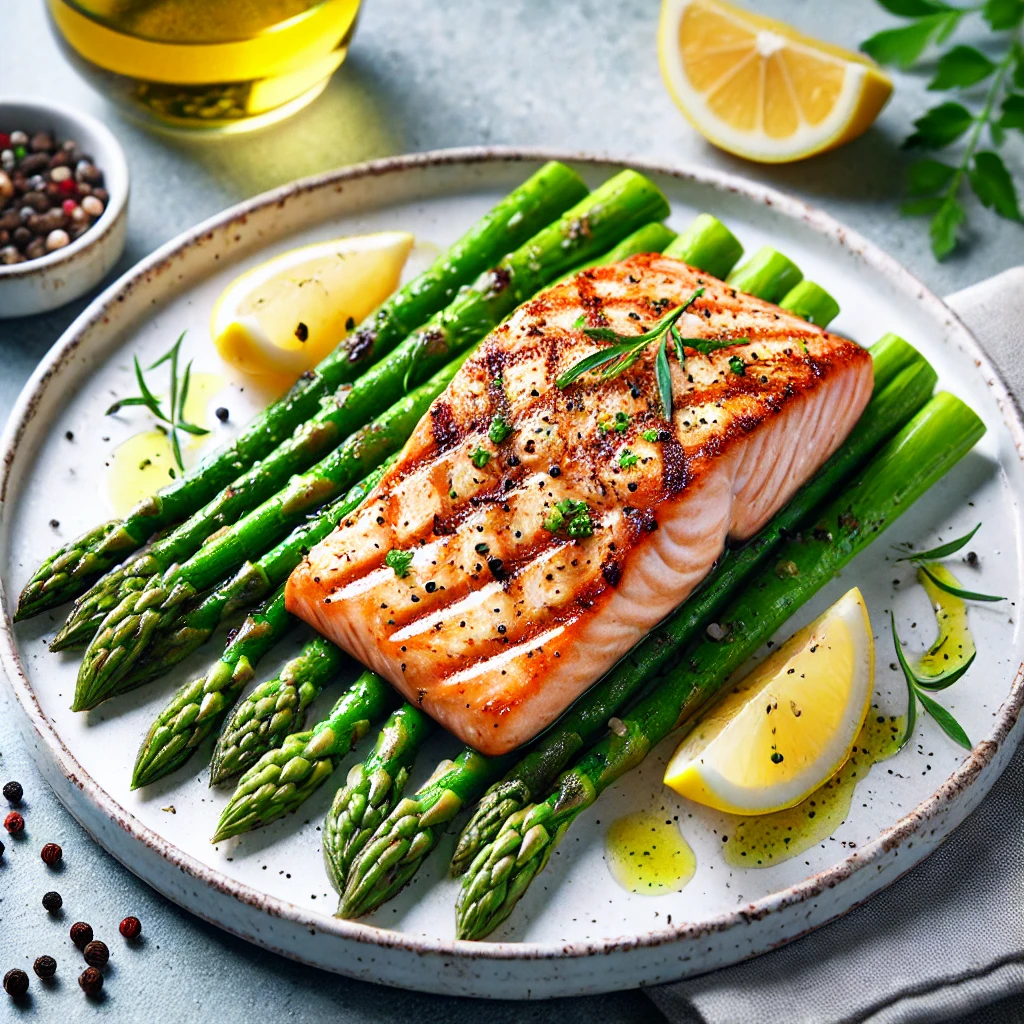
1. Grilled Salmon with Asparagus

This quick and easy dish is packed with healthy fats and proteins while being low in carbs.

Ingredients:

  • 2 salmon fillets
  • 1 bunch of asparagus (trimmed)
  • 2 tablespoons olive oil
  • 1 teaspoon garlic powder
  • Salt and pepper to taste

Instructions:

  1. Preheat the grill to medium heat.
  2. Drizzle salmon and asparagus with olive oil, then season with garlic powder, salt, and pepper.
  3. Grill the salmon for 5-6 minutes per side, until fully cooked.
  4. Grill the asparagus for 3-4 minutes, until tender.

Prep Time: 20 minutes

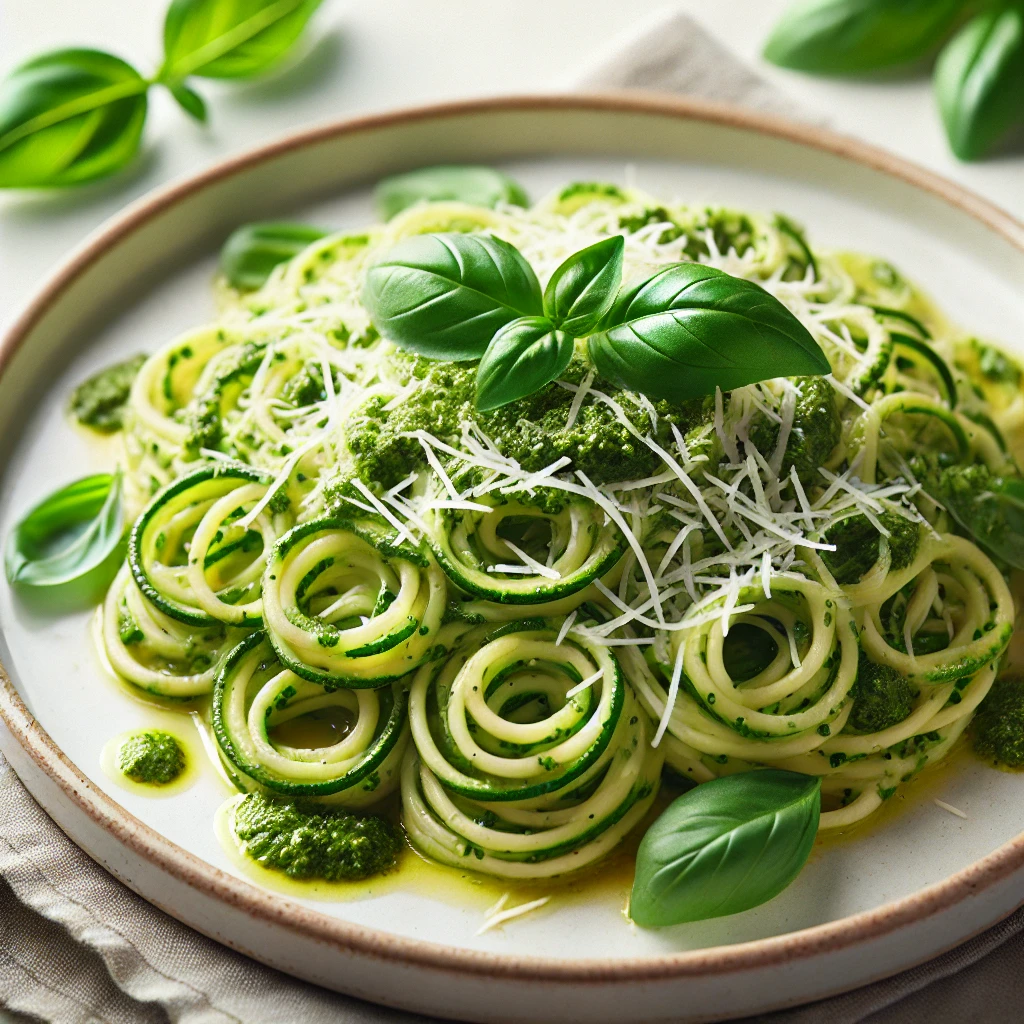
2. Zucchini Noodles with Pesto Sauce

A low-carb alternative to traditional pasta, zucchini noodles are light, flavorful, and diabetes-friendly.

Ingredients:

  • 2 zucchinis (spiralized)
  • ¼ cup basil pesto
  • 2 tablespoons olive oil
  • 1 tablespoon Parmesan cheese (optional)
  • Salt and pepper to taste

Instructions:

  1. Heat olive oil in a skillet over medium heat.
  2. Add zucchini noodles and sauté for 2-3 minutes.
  3. Stir in basil pesto and cook for another minute.
  4. Top with Parmesan cheese (optional) and serve.

Prep Time: 10 minutes

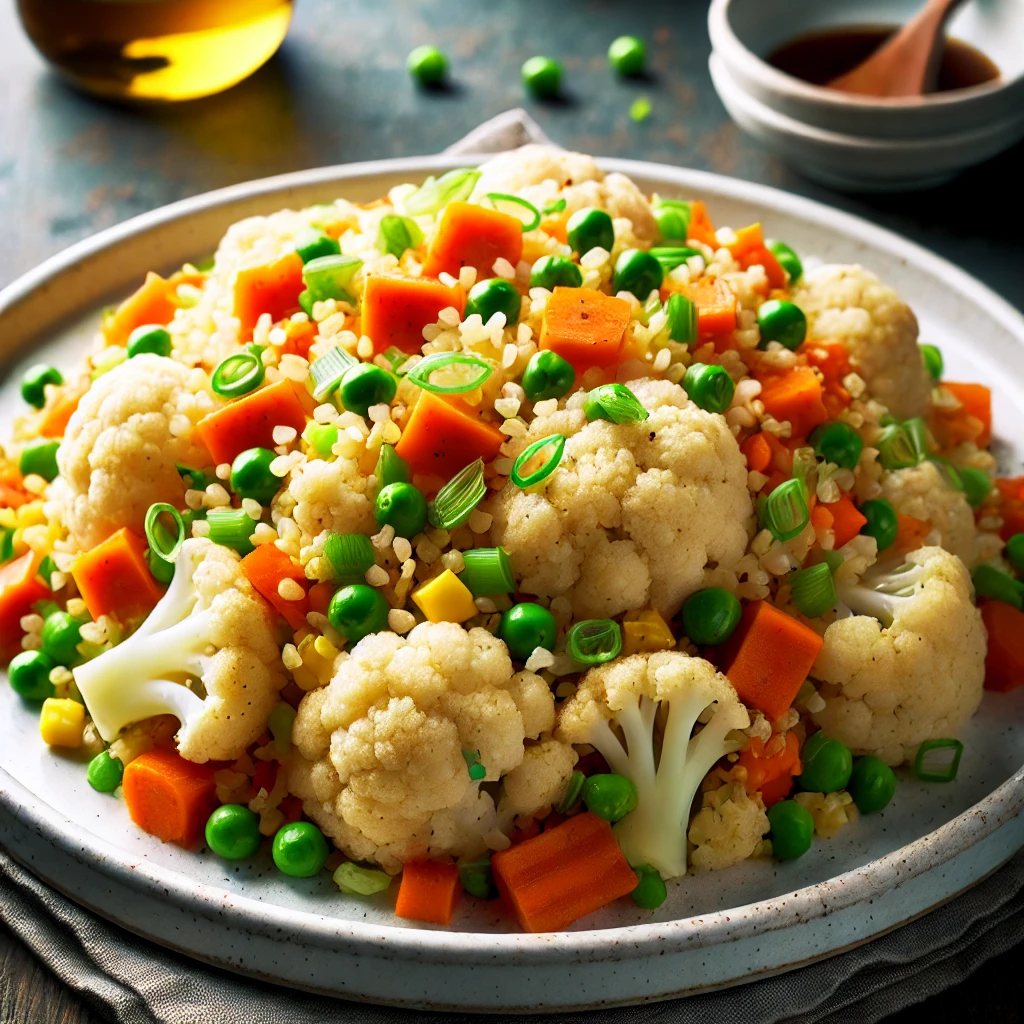
3. Cauliflower Fried Rice

Cauliflower makes an excellent low-carb substitute for rice, and this recipe is packed with flavor and nutrients.

Ingredients:

  • 1 head of cauliflower (grated into rice-sized pieces)
  • 1 cup mixed vegetables (carrots, peas, and bell peppers)
  • 2 eggs (beaten)
  • 2 tablespoons soy sauce (low-sodium)
  • 1 tablespoon sesame oil
  • 2 green onions (chopped)

Instructions:

  1. Heat sesame oil in a pan and scramble the eggs, then remove and set aside.
  2. In the same pan, stir-fry the cauliflower rice and mixed vegetables for 5-7 minutes.
  3. Add the soy sauce and scrambled eggs, and cook for another minute.
  4. Garnish with green onions and serve.

Prep Time: 15 minutes

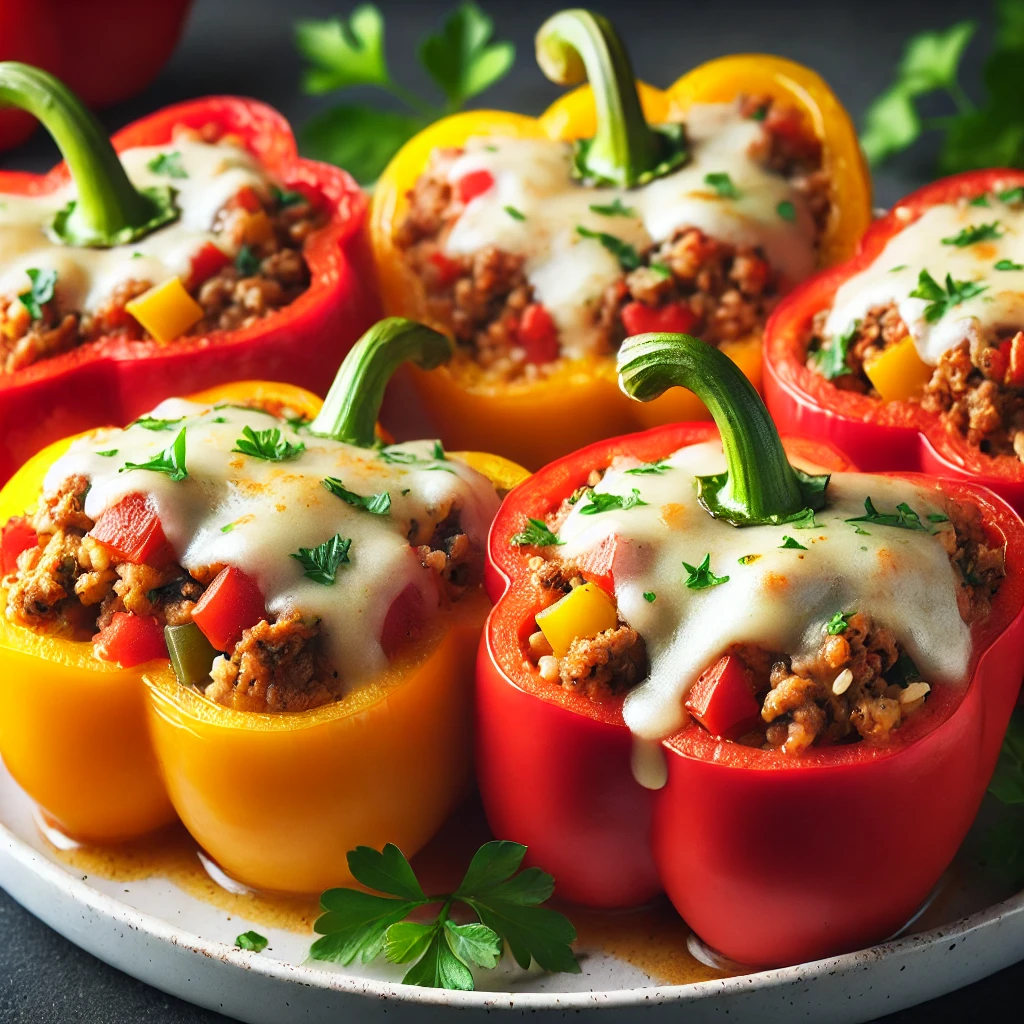
4. Stuffed Bell Peppers

These colorful stuffed bell peppers are rich in fiber and low in carbs, making them perfect for diabetes management.

Ingredients:

  • 4 large bell peppers (tops cut off, seeds removed)
  • 1 lb ground turkey or beef
  • 1 cup diced tomatoes (canned, no added sugar)
  • ½ cup shredded mozzarella cheese
  • 1 tablespoon olive oil
  • Salt and pepper to taste

Instructions:

  1. Preheat the oven to 375°F (190°C).
  2. In a skillet, heat olive oil and brown the ground turkey or beef.
  3. Add diced tomatoes and season with salt and pepper.
  4. Stuff the bell peppers with the meat mixture and top with shredded mozzarella.
  5. Bake for 20-25 minutes until the peppers are tender and the cheese is melted.

Prep Time: 30 minutes

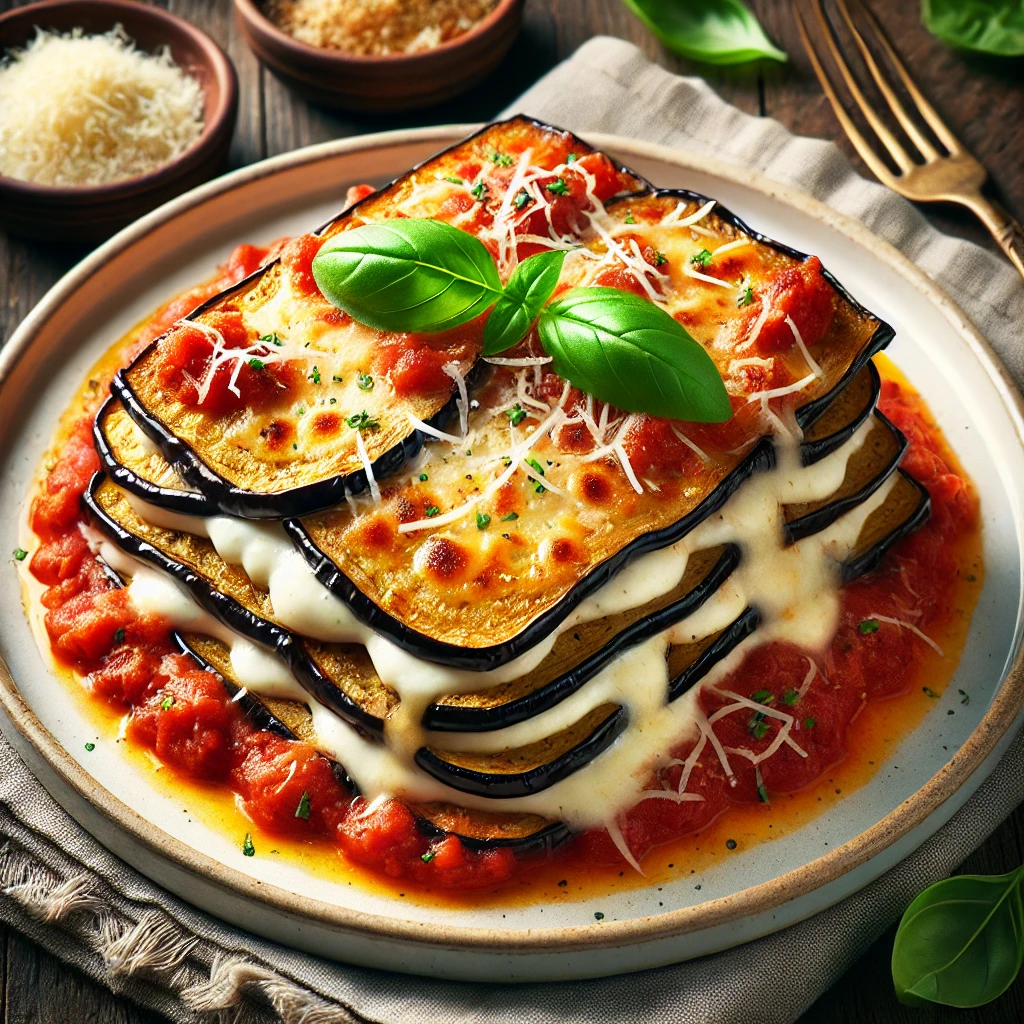
5. Eggplant Lasagna

This low-carb twist on traditional lasagna uses eggplant slices instead of pasta, offering a hearty, diabetes-friendly option.

Ingredients:

  • 2 large eggplants (sliced thin lengthwise)
  • 1 lb ground turkey or beef
  • 2 cups marinara sauce (no added sugar)
  • 1 cup ricotta cheese
  • 1 cup shredded mozzarella cheese
  • 1 tablespoon olive oil
  • 1 teaspoon Italian seasoning
  • Salt and pepper to taste

Instructions:

  1. Preheat the oven to 375°F (190°C). Brush the eggplant slices with olive oil and roast for 10 minutes until tender.
  2. In a skillet, brown the ground turkey or beef and season with Italian seasoning, salt, and pepper. Add the marinara sauce and simmer for 5 minutes.
  3. In a baking dish, layer the roasted eggplant, meat sauce, and ricotta cheese. Repeat the layers until the ingredients are used up.
  4. Top with shredded mozzarella and bake for 20-25 minutes until the cheese is golden and bubbly.

Prep Time: 40 minutes

Tips for Making Low-Carb Meals for Diabetics

Creating low-carb recipes for diabetes doesn’t have to be complicated. Here are a few tips to make your meals both nutritious and delicious:

1. Focus on Fiber-Rich Vegetables

Non-starchy vegetables such as spinach, kale, zucchini, and cauliflower are excellent low-carb options that provide fiber, which helps regulate blood sugar levels.

2. Incorporate Healthy Fats

Avocado, olive oil, nuts, and seeds are great sources of healthy fats that don’t raise blood sugar levels. They also help you feel full and satisfied.

3. Choose Lean Proteins

Opt for lean proteins like chicken, turkey, fish, and plant-based options like tofu or tempeh to keep your blood sugar stable.

4. Avoid Hidden Sugars

When preparing low-carb meals, be mindful of hidden sugars in store-bought sauces and dressings. Opt for homemade versions or check the labels for low-sugar or sugar-free options.

5. Experiment with Low-Carb Substitutes

Many traditional high-carb foods have low-carb alternatives, like zucchini noodles, cauliflower rice, and almond flour. These substitutions can reduce carbs without sacrificing flavor.

Final Thoughts

Following a low-carb diet is a powerful tool for managing diabetes and controlling blood sugar levels. By incorporating the recipes above, you can enjoy delicious meals that are not only low in carbs but also packed with nutrition. These recipes show that diabetes-friendly cooking can be simple, satisfying, and flavorful.

For more low-carb recipes and tips on managing diabetes, explore our blog and start building your healthy, balanced meal plan today!

links

https://diabetes.org/healthy-living/recipes-nutrition/low-carb-eating

https://www.healthline.com/

10 Delicious Diabetic-Friendly Salads to Enhance Your Health

Salads are an excellent option for anyone looking to maintain a healthy diet, especially for people with diabetes. Packed with fiber, vitamins, and low in carbs, the right salad can help regulate blood sugar levels without sacrificing flavor or variety. In this article, we’ll explore how to create delicious, nutritious, and diabetic-friendly salads that you can easily incorporate into your meal plan. for more information , please visite aor blog: https://mymealrecipes.com/how-to-make-nutritious-and-diabetic-friendly-salads/

Why Are Salads Ideal for Diabetics?

Salads are not only low in calories but also full of essential nutrients that can support blood sugar control. By choosing the right ingredients, you can create meals that are filling, tasty, and diabetes-friendly. The key is to focus on low-glycemic vegetables, lean proteins, and healthy fats, all of which help maintain stable glucose levels.

Key Ingredients for a Diabetic-Friendly Salad

To build a balanced and nutritious salad, incorporate the following components:

  • Non-starchy vegetables: Leafy greens like spinach, kale, arugula, and romaine lettuce, along with cucumbers, bell peppers, and broccoli.
  • Lean protein: Grilled chicken, turkey, tofu, or hard-boiled eggs to increase satiety and help balance blood sugar.
  • Healthy fats: Avocados, olive oil, seeds, and nuts provide beneficial fats that slow the digestion of carbohydrates.
  • Whole grains: Add quinoa or farro in moderation for extra fiber and nutrition.

5 Nutritious and Diabetic-Friendly Salad Recipes

Here are five easy-to-make salads that are perfect for anyone managing diabetes.

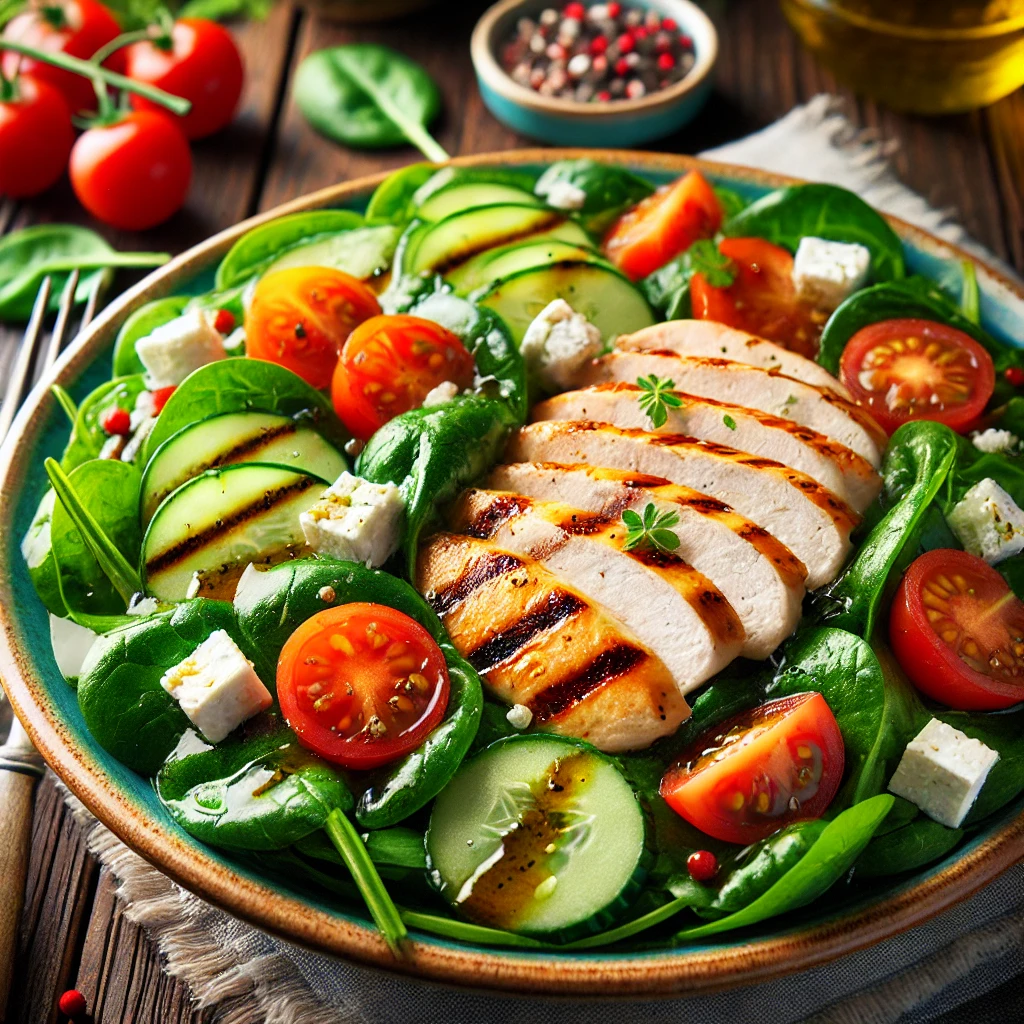
1. Spinach and Grilled Chicken Salad

This salad is rich in fiber and lean protein, making it an ideal option for blood sugar control.

Ingredients:

  • 2 cups fresh spinach leaves
  • 1 grilled chicken breast (sliced)
  • ¼ avocado (sliced)
  • ½ cucumber (sliced)
  • 1 tablespoon sunflower seeds
  • 2 tablespoons olive oil
  • 1 tablespoon apple cider vinegar

Instructions:

  1. In a large bowl, combine spinach, cucumber, and avocado.
  2. Add sliced grilled chicken breast and sprinkle with sunflower seeds.
  3. Drizzle with olive oil and apple cider vinegar, then toss gently to combine.

Prep Time: 10 minutes

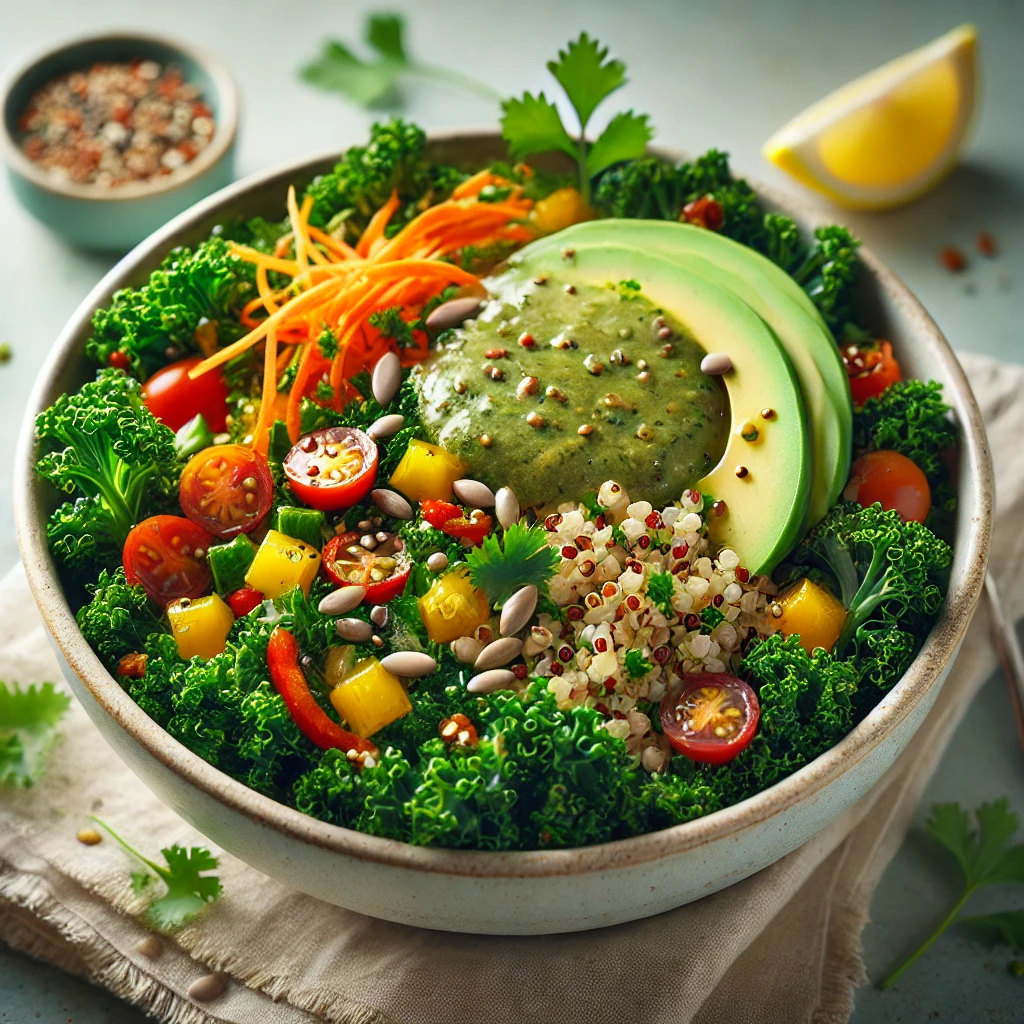
2. Kale and Quinoa Power Salad

Packed with fiber and nutrients, this kale-based salad provides lasting energy and helps stabilize blood sugar.

Ingredients:

  • 2 cups chopped kale (massaged with olive oil)
  • ½ cup cooked quinoa
  • ¼ cup crumbled feta cheese
  • ½ cup cherry tomatoes (halved)
  • 1 tablespoon pumpkin seeds
  • Lemon juice for dressing

Instructions:

  1. In a bowl, mix kale, quinoa, cherry tomatoes, and feta cheese.
  2. Top with pumpkin seeds and a squeeze of fresh lemon juice.
  3. Toss well and serve.

Prep Time: 15 minutes

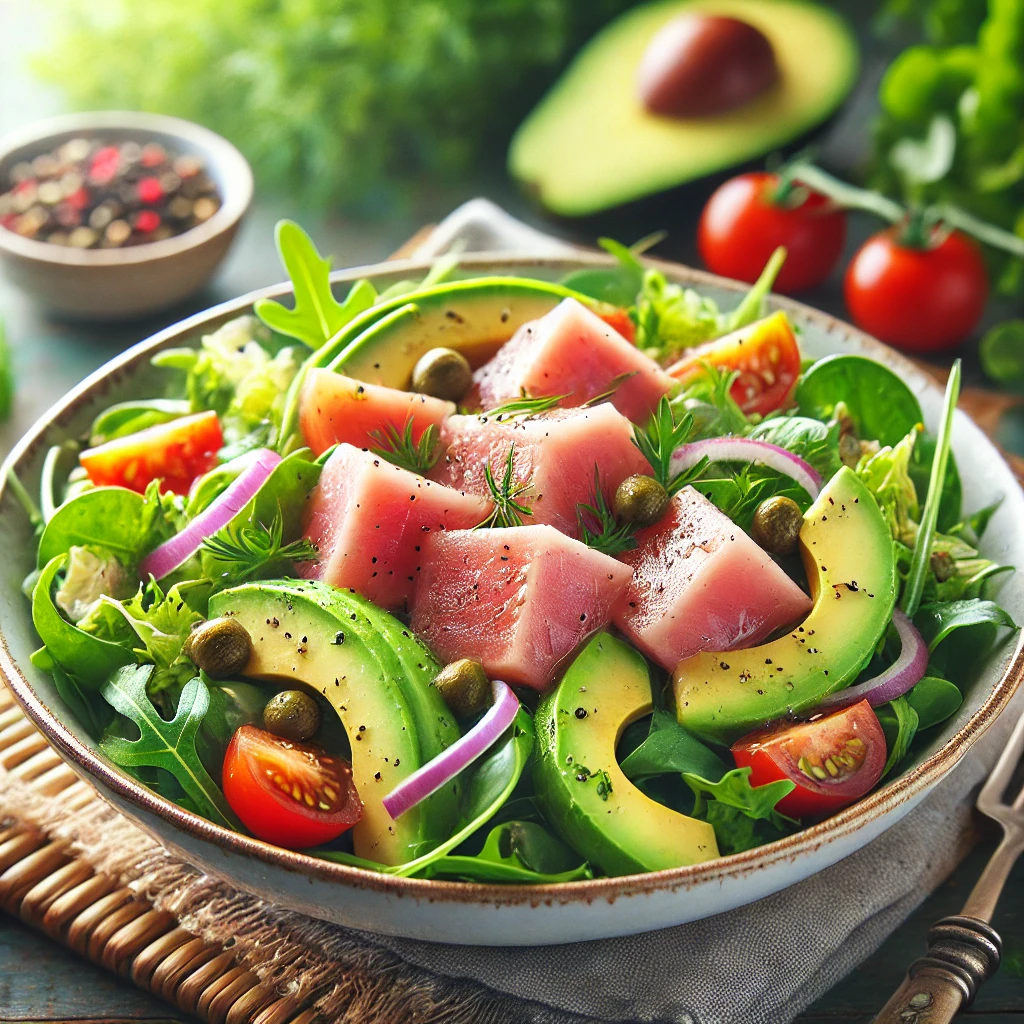
3. Tuna and Avocado Salad

This simple salad combines healthy fats from avocado with lean protein from tuna, making it a satisfying and diabetic-friendly choice.

Ingredients:

  • 1 can of tuna (in water, drained)
  • 1 avocado (cubed)
  • 1 small red onion (diced)
  • 1 tablespoon olive oil
  • 1 teaspoon Dijon mustard
  • Salt and pepper to taste

Instructions:

  1. In a bowl, combine tuna, avocado, and red onion.
  2. Drizzle with olive oil and add Dijon mustard.
  3. Mix gently and season with salt and pepper.

Prep Time: 10 minutes

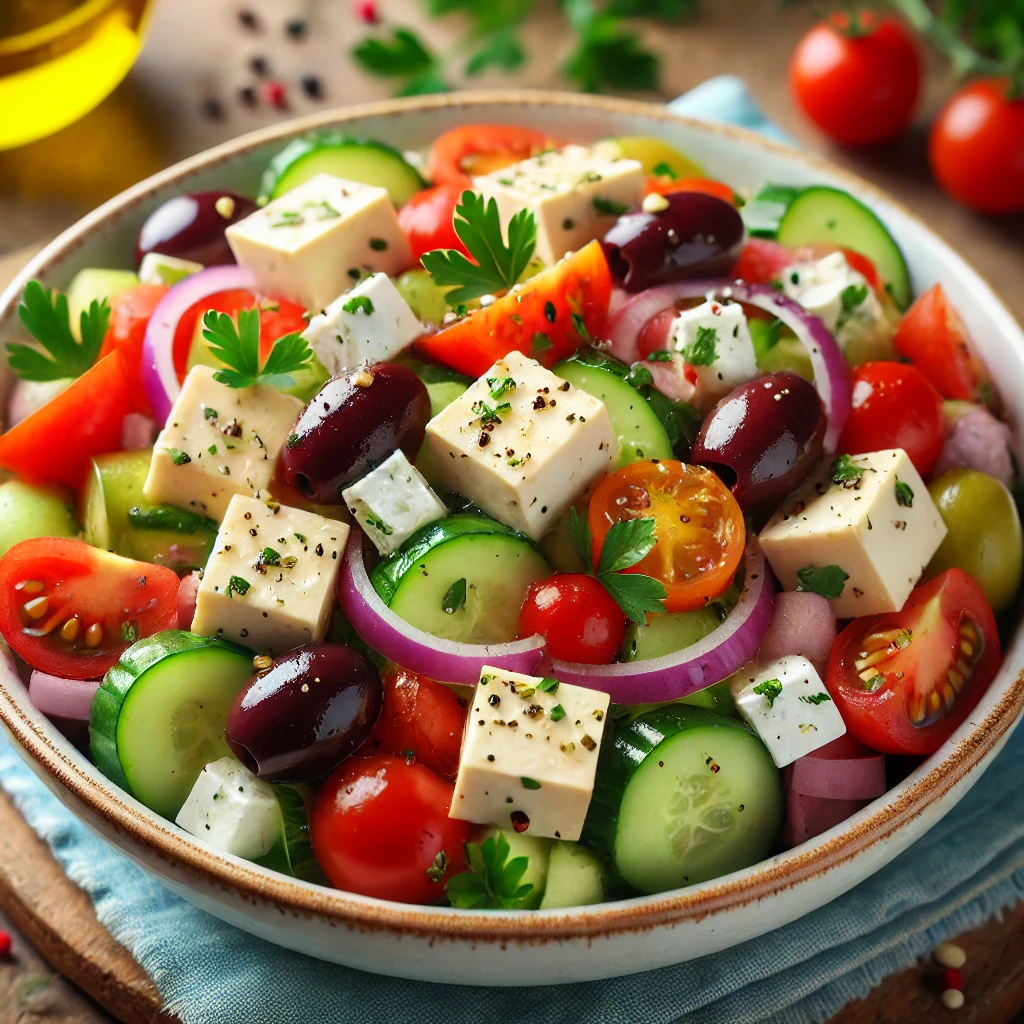
4. Greek Salad with Tofu

This plant-based salad is high in protein and low in carbs, perfect for managing blood sugar levels.

Ingredients:

  • 1 block of firm tofu (cubed and grilled)
  • 2 cups chopped romaine lettuce
  • ½ cucumber (sliced)
  • ½ red bell pepper (sliced)
  • ¼ cup Kalamata olives
  • ¼ cup feta cheese
  • 2 tablespoons olive oil
  • 1 tablespoon red wine vinegar

Instructions:

  1. Toss together romaine lettuce, cucumber, red bell pepper, olives, and feta cheese.
  2. Top with grilled tofu and drizzle with olive oil and red wine vinegar.
  3. Mix well and serve.

Prep Time: 15 minutes

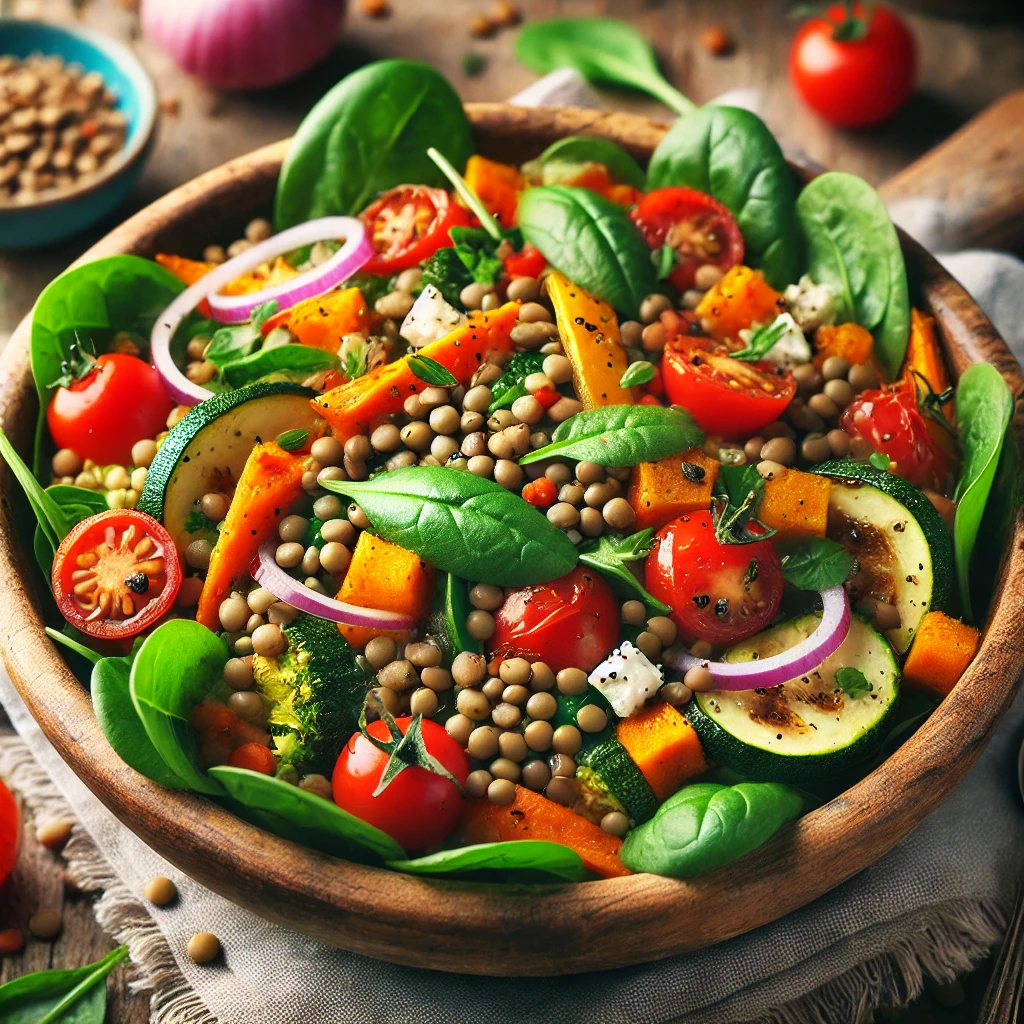
5. Roasted Veggie and Lentil Salad

This hearty salad features roasted vegetables and fiber-rich lentils for a filling, nutritious meal.

Ingredients:

  • 1 cup cooked lentils
  • 1 small sweet potato (cubed and roasted)
  • 1 zucchini (sliced and roasted)
  • 2 cups arugula
  • 1 tablespoon balsamic vinegar
  • 1 tablespoon olive oil

Instructions:

  1. Roast sweet potato and zucchini in the oven at 400°F (200°C) for 20 minutes.
  2. In a bowl, combine arugula, lentils, and roasted vegetables.
  3. Drizzle with balsamic vinegar and olive oil, then toss to combine.

Prep Time: 25 minutes

Salad Dressings for Diabetics

Choosing the right dressing is crucial to keeping your salad healthy and diabetic-friendly. Here are a few dressing options that are low in sugar and carbs:

  • Lemon and olive oil: Simple and refreshing, this dressing pairs well with any salad.
  • Apple cider vinegar and olive oil: Provides a tangy flavor and helps manage blood sugar levels.
  • Greek yogurt-based dressings: Use unsweetened Greek yogurt as a base to create creamy dressings without added sugar.
  • Tahini and lemon juice: A Mediterranean-inspired option that is rich in healthy fats and flavor.

Dressings to Avoid

Avoid dressings that are high in sugar and unhealthy fats, such as:

  • Store-bought ranch and Thousand Island
  • Creamy dressings with added sugars
  • Dressings with high fructose corn syrup or other sweeteners

Final Tips for Making Diabetic-Friendly Salads

To create the perfect salad for diabetes management, keep these tips in mind:

  • Focus on fiber: Include plenty of non-starchy vegetables to increase fiber and slow down the absorption of sugars.
  • Add lean proteins: Chicken, turkey, tofu, or beans help keep you full and stabilize blood sugar.
  • Incorporate healthy fats: Avocados, olive oil, and nuts can enhance flavor while helping to slow digestion.
  • Watch your portions: Even healthy foods can affect blood sugar if eaten in large quantities, so balance your portions.

Conclusion

Making nutritious and diabetic-friendly salads is easy with the right ingredients and planning. By incorporating fiber-rich vegetables, lean proteins, and healthy fats, you can enjoy satisfying, delicious meals that support your blood sugar management. Try the salad recipes above to create meals that are not only tasty but also tailored to your health needs.

FAQ:

1. Why are salads ideal for diabetics?
Salads are low in calories and packed with essential nutrients, making them beneficial for blood sugar control. They typically contain non-starchy vegetables, lean proteins, and healthy fats, which help maintain stable glucose levels and provide a filling meal without excessive carbohydrates.

2. What are key ingredients to include in a diabetic-friendly salad?
A balanced diabetic-friendly salad should include:

  • Non-starchy vegetables: Spinach, kale, cucumbers, bell peppers, and broccoli.
  • Lean proteins: Options like grilled chicken, turkey, tofu, or hard-boiled eggs.
  • Healthy fats: Avocados, olive oil, seeds, and nuts.
  • Whole grains: In moderation, consider quinoa or farro for extra fiber.

3. Can you provide examples of diabetic-friendly salad recipes?
Yes! Here are five easy recipes:

  • Spinach and Grilled Chicken Salad: Combines spinach, grilled chicken, avocado, and sunflower seeds.
  • Kale and Quinoa Power Salad: Features kale, quinoa, cherry tomatoes, and feta cheese.
  • Tuna and Avocado Salad: A mix of canned tuna, avocado, and red onion.
  • Greek Salad with Tofu: Includes grilled tofu, romaine lettuce, cucumbers, and feta.
  • Roasted Veggie and Lentil Salad: Combines roasted sweet potatoes and zucchini with lentils and arugula.

4. What types of dressings are suitable for diabetics?
Healthy dressing options include:

  • Lemon and olive oil
  • Apple cider vinegar and olive oil
  • Greek yogurt-based dressings
  • Tahini and lemon juice

These dressings are low in sugar and can enhance the flavor of salads without compromising health.

5. Are there any dressings I should avoid?
Yes, avoid dressings that are high in sugar and unhealthy fats, such as:

  • Store-bought ranch and Thousand Island dressings
  • Creamy dressings with added sugars
  • Dressings containing high fructose corn syrup or other sweeteners

6. What tips can help in making diabetic-friendly salads?
To create optimal salads for diabetes management:

  • Focus on fiber: Include plenty of non-starchy vegetables.
  • Add lean proteins: This helps keep you full and stabilize blood sugar.
  • Incorporate healthy fats: These enhance flavor and slow digestion.
  • Watch your portions: Balance portion sizes, as even healthy foods can impact blood sugar in large quantities.

7. Can these salads be part of a meal plan?
Absolutely! Incorporating these nutritious and diabetic-friendly salads into your meal plan can provide variety, flavor, and essential nutrients, all while supporting your health needs.

8. Where can I find more recipes and tips?
For more diabetes-friendly recipes and helpful tips, visit our blog at mymealrecipes.com.

4o mini

For more diabetes-friendly recipes and tips, explore our blog and start building your meal plan today!

Links

https://diabetes.org/food-nutrition

https://shorturl.at/CWnpl

https://diabetesfoodhub.org

Guilt-Free Sweets: 5 Best Diabetic Desserts That Don’t Sacrifice Flavor

Managing diabetes doesn’t mean you have to forgo dessert. With the right ingredients and a touch of creativity, you can indulge in delicious, guilt-free diabetic desserts that won’t cause a spike in your blood sugar. In this article, we’ll explore a variety of satisfying and flavorful dessert options specifically designed for those managing diabetes. Enjoying sweet treats can still be a part of your healthy lifestyle! For more information, please visite aor blog: https://mymealrecipes.com/guilt-free-sweets-diabetic-desserts-that-dont-sacrifice-flavor/

Why Choose Diabetic-Friendly Desserts?

For those managing diabetes, keeping blood sugar levels stable is a priority. Traditional desserts often contain high amounts of sugar and refined carbs, leading to glucose spikes. However, diabetic-friendly desserts are made using low glycemic index ingredients and sugar substitutes, ensuring that you can indulge without the guilt.

Key Ingredients for Diabetic Desserts

When making diabetic-friendly desserts, focus on these key elements:

  • Natural sweeteners: Stevia, monk fruit, and erythritol are great alternatives to sugar.
  • Whole grains and fiber-rich flours: Almond flour, coconut flour, and oat flour are healthier options than refined white flour.
  • Healthy fats: Use avocado, coconut oil, and nuts for added flavor and nutrition.
  • Fruits with low glycemic index: Berries, apples, and citrus fruits can add natural sweetness without spiking blood sugar.

Guilt-Free Desserts for Diabetics

Here are five delicious and easy-to-make desserts that will satisfy your sweet tooth while keeping your blood sugar in check.

1. Almond Flour Chocolate Chip Cookies

These cookies are made with almond flour, which is lower in carbs and higher in fiber than traditional flour, making them a perfect diabetic-friendly dessert.

Ingredients:

  • 1 ½ cups almond flour
  • ¼ cup unsweetened dark chocolate chips
  • ¼ cup coconut oil (melted)
  • 2 tablespoons erythritol or stevia
  • 1 teaspoon vanilla extract
  • 1 egg
  • ½ teaspoon baking soda
  • A pinch of salt

Instructions:

  1. Preheat the oven to 350°F (175°C) and line a baking sheet with parchment paper.
  2. In a bowl, mix the almond flour, erythritol, baking soda, and salt.
  3. In another bowl, whisk the egg, melted coconut oil, and vanilla extract.
  4. Combine the wet and dry ingredients, then fold in the chocolate chips.
  5. Scoop spoonfuls of the dough onto the baking sheet and flatten them slightly.
  6. Bake for 10-12 minutes until the edges are golden brown.

Prep Time: 20 minutes

Tip: Opt for dark chocolate chips with at least 70% cocoa for a lower sugar content.

2. Greek Yogurt Berry Parfait

This parfait combines creamy, unsweetened Greek yogurt with antioxidant-rich berries, making it a refreshing and healthy dessert.

Ingredients:

  • 1 cup plain, unsweetened Greek yogurt
  • ½ cup fresh strawberries and blueberries
  • 1 tablespoon chia seeds
  • A drizzle of sugar-free syrup or honey (optional)

Instructions:

  1. In a serving glass, layer Greek yogurt with fresh berries.
  2. Sprinkle chia seeds between the layers.
  3. Drizzle with sugar-free syrup or honey for added sweetness if desired.

Prep Time: 5 minutes

Tip: Greek yogurt is rich in protein and low in carbs, helping maintain stable blood sugar levels.

3. Chia Seed Pudding

Chia seed pudding is a fantastic dessert for diabetics due to its high fiber content, which helps slow glucose absorption.

Ingredients:

  • 2 tablespoons chia seeds
  • 1 cup unsweetened almond milk
  • 1 teaspoon vanilla extract
  • A few drops of stevia or monk fruit sweetener
  • Fresh berries for topping

Instructions:

  1. In a jar or bowl, mix the chia seeds, almond milk, vanilla extract, and stevia.
  2. Stir well and refrigerate for at least 4 hours, or overnight, until the mixture thickens.
  3. Top with fresh berries before serving.

Prep Time: 5 minutes (plus chilling time)

Tip: Add a tablespoon of cocoa powder for a chocolate version of this pudding.

4. Avocado Chocolate Mousse

This rich, creamy chocolate mousse is made from avocado, giving it a smooth texture without the need for dairy or refined sugar.

Ingredients:

  • 1 ripe avocado
  • ¼ cup unsweetened cocoa powder
  • 2 tablespoons almond milk
  • 1 tablespoon stevia or monk fruit sweetener
  • 1 teaspoon vanilla extract

Instructions:

  1. Blend all ingredients in a food processor until smooth and creamy.
  2. Adjust sweetness to taste and serve chilled.

Prep Time: 10 minutes

Tip: Garnish with a few fresh raspberries or a sprinkle of unsweetened coconut flakes for extra flavor.

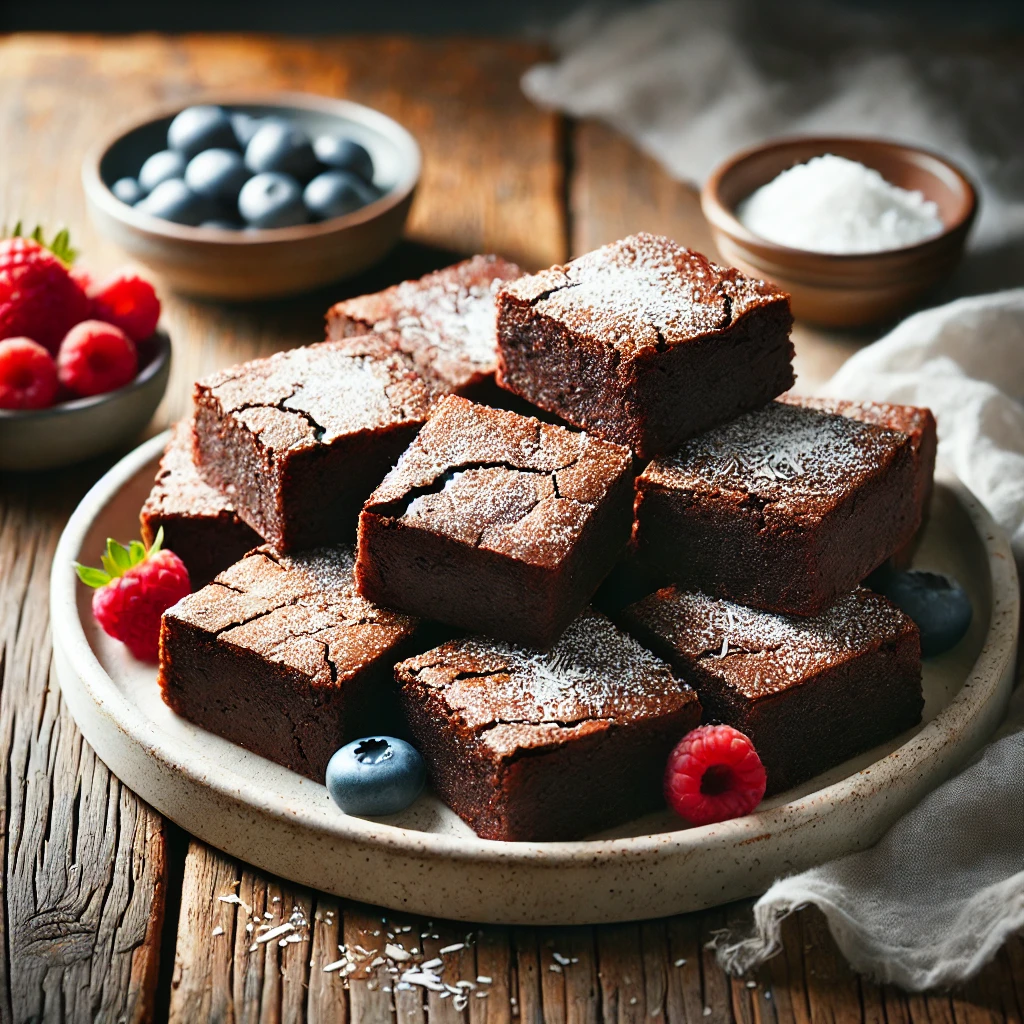
5. Coconut Flour Brownies

Coconut flour is a low-carb, high-fiber alternative to regular flour, making it ideal for diabetic-friendly brownies.

Ingredients:

  • ½ cup coconut flour
  • ¼ cup unsweetened cocoa powder
  • ½ cup melted coconut oil
  • ¼ cup erythritol
  • 4 eggs
  • 1 teaspoon vanilla extract
  • ½ teaspoon baking powder
  • A pinch of salt

Instructions:

  1. Preheat the oven to 350°F (175°C) and grease an 8×8-inch baking pan.
  2. In a bowl, whisk together the coconut oil, eggs, erythritol, and vanilla extract.
  3. In another bowl, mix the coconut flour, cocoa powder, baking powder, and salt.
  4. Combine the wet and dry ingredients, stirring until smooth.
  5. Pour the batter into the baking pan and bake for 20-25 minutes.

Prep Time: 30 minutes

Tip: Let the brownies cool completely before cutting for the best texture.

Ingredients to Avoid in Diabetic Desserts

While it’s possible to create delicious sweets without sugar, it’s important to avoid certain ingredients that can cause blood sugar spikes. Here are a few examples:

  • Refined sugars: Avoid white sugar, corn syrup, and honey in large amounts.
  • Refined flours: White flour has a high glycemic index and should be replaced with alternatives like almond or coconut flour.
  • High-carb fruits: Tropical fruits like bananas, pineapples, and mangoes contain higher sugar content and can cause a spike in blood glucose.

Final Tips for Making Diabetic-Friendly Desserts

To ensure your desserts are both healthy and satisfying, keep these tips in mind:

  • Use natural sweeteners: Opt for stevia, monk fruit, or erythritol instead of sugar.
  • Incorporate healthy fats: Avocados, coconut oil, and nuts add richness and nutrition.
  • Monitor portions: Even low-sugar desserts should be enjoyed in moderation to keep blood sugar levels stable.

Conclusion

Eating dessert while managing diabetes is entirely possible when you make the right choices. These guilt-free sweets are proof that you don’t have to sacrifice flavor to maintain stable blood sugar levels. Try these recipes at home and enjoy a delicious treat without the worry.

Looking for more diabetic-friendly recipes? Explore our blog for more healthy and flavorful dessert ideas.

links

https://www.thebakingchocolatess.com/coconut-flour-brownies/

https://www.allrecipes.com/recipe/241865/coconut-flour-chocolate-brownies

https://www.lowcarbspark.com/keto-brownies-coconut-flour/

7 Quick and Easy Dinners to Control Blood Sugar Levels

For individuals managing diabetes, preparing balanced and nutritious meals is crucial for maintaining stable blood sugar levels. In this article, we’ll explore several quick and easy dinners that are both delicious and diabetic-friendly. These meals are designed to be low in sugar while still packed with flavor and essential nutrients, making it simple to enjoy satisfying dinners that support your health.

If you’re looking for inspiration, these ideas will help you create meals that fit seamlessly into your dietary needs without sacrificing taste. For more information, please visite aor blog: https://mymealrecipes.com/low-carb-breakfast-recipes/

Why Is Dinner Important for Managing Blood Sugar?

Dinner is often the last meal of the day and plays a key role in keeping blood sugar levels stable overnight. Eating a balanced dinner can prevent blood sugar spikes and ensure you wake up with healthy glucose levels. Quick, healthy meals should focus on:

  • Low glycemic index (GI) foods: These help prevent blood sugar spikes.
  • High-fiber ingredients: Fiber slows down digestion, helping maintain steady glucose levels.
  • Healthy fats and lean proteins: These provide satiety and support blood sugar control.

Quick and Easy Dinners to Control Blood Sugar Levels

Here are five simple, nutritious, and quick-to-make dinners designed to support diabetes management.

1. Quick and Easy Dinners: Grilled Salmon with Steamed Vegetables

Salmon is a great source of omega-3 fatty acids, which are beneficial for heart health. Paired with non-starchy vegetables, it creates a low-carb, high-protein meal that’s perfect for keeping blood sugar stable.

Ingredients:

  • 1 salmon fillet
  • 1 cup broccoli florets
  • 1 cup sliced zucchini
  • 1 tablespoon olive oil
  • Salt, pepper, and lemon juice to taste

Instructions:

  1. Preheat the grill or grill pan to medium heat.
  2. Season the salmon with olive oil, salt, pepper, and a squeeze of lemon juice.
  3. Grill the salmon for 4-5 minutes on each side until fully cooked.
  4. While the salmon is grilling, steam the broccoli and zucchini for 5-7 minutes until tender.
  5. Serve the salmon with the steamed vegetables.

Preparation Time: 15 minutes

Tip: You can switch the vegetables with spinach, asparagus, or any non-starchy vegetables.

2. Quick and Easy Dinners: Stir-Fried Chicken with Vegetables

This quick stir-fry offers a low-carb option that’s high in protein and fiber, perfect for controlling blood sugar.

Ingredients:

  • 1 chicken breast, thinly sliced
  • 1 bell pepper, sliced
  • 1 cup snow peas
  • 1 tablespoon soy sauce (low-sodium)
  • 1 tablespoon sesame oil
  • 1 garlic clove, minced
  • 1 teaspoon grated ginger

Instructions:

  1. Heat sesame oil in a wok or skillet over medium heat.
  2. Add the minced garlic and grated ginger, stir for 30 seconds.
  3. Add the chicken slices and cook for 5-6 minutes, until browned.
  4. Add the bell pepper and snow peas, stir-fry for another 3-4 minutes.
  5. Drizzle with low-sodium soy sauce and serve.

Preparation Time: 15 minutes

Tip: Serve the stir-fry with cauliflower rice for a low-carb alternative to traditional rice.

3. Quick and Easy Dinners: Vegetable and Quinoa Bowl

Quinoa is a high-protein grain with a low glycemic index, making it an excellent option for diabetics. Combine it with roasted vegetables for a filling, nutrient-rich dinner.

Ingredients:

  • ½ cup quinoa
  • 1 cup water or vegetable broth
  • 1 cup diced butternut squash
  • 1 zucchini, sliced
  • 1 tablespoon olive oil
  • Salt, pepper, and herbs to taste

Instructions:

  1. Preheat the oven to 400°F (200°C).
  2. Toss the butternut squash and zucchini with olive oil, salt, pepper, and herbs.
  3. Roast the vegetables in the oven for 20 minutes, until tender.
  4. Meanwhile, cook the quinoa by bringing water or broth to a boil, adding the quinoa, and simmering for 15 minutes.
  5. Serve the roasted vegetables on top of the quinoa.

Preparation Time: 25 minutes

Tip: Add leafy greens like spinach or kale to boost the fiber content.

4. Quick and Easy Dinners: Turkey Lettuce Wraps

These lettuce wraps are a low-carb, high-protein option that’s quick to prepare and helps maintain steady blood sugar levels.

Ingredients:

  • ½ pound ground turkey
  • 1 tablespoon olive oil
  • 1 garlic clove, minced
  • 1 tablespoon soy sauce (low-sodium)
  • 1 teaspoon sesame oil
  • Romaine or butter lettuce leaves
  • Shredded carrots and cucumber slices for garnish

Instructions:

  1. Heat olive oil in a skillet over medium heat.
  2. Add garlic and ground turkey, cook until browned (about 7-8 minutes).
  3. Stir in soy sauce and sesame oil, then remove from heat.
  4. Scoop the cooked turkey mixture into lettuce leaves and top with shredded carrots and cucumber slices.
  5. Serve as wraps.

Preparation Time: 15 minutes

Tip: You can substitute ground turkey with ground chicken or beef.

5. Quick and Easy Dinners: Zucchini Noodles with Pesto

Zucchini noodles (zoodles) are a low-carb alternative to pasta, perfect for controlling blood sugar levels. Paired with homemade pesto, this meal is quick and flavorful.

Ingredients:

  • 2 zucchinis, spiralized into noodles
  • 1 tablespoon olive oil
  • 2 tablespoons homemade or store-bought pesto (without added sugars)
  • Parmesan cheese (optional)

Instructions:

  1. Heat olive oil in a skillet over medium heat.
  2. Add the zucchini noodles and cook for 3-4 minutes until tender.
  3. Remove from heat and toss the zoodles with pesto.
  4. Top with a sprinkle of Parmesan cheese (optional).

Preparation Time: 10 minutes

Tip: Add grilled chicken or shrimp for extra protein.

Foods to Avoid in a Diabetic Dinner

To keep your blood sugar in check, avoid the following foods at dinner:

  • Refined grains: Foods like white rice, pasta, and bread can cause quick blood sugar spikes.
  • Sugary sauces: Many sauces and dressings are loaded with hidden sugars.
  • Fried foods: These are often high in unhealthy fats and can contribute to insulin resistance.

Final Tips for Preparing Quick Diabetic-Friendly Dinners

  • Plan ahead: Prepping ingredients in advance can save time during busy evenings.
  • Portion control: Even healthy meals can raise blood sugar if eaten in large amounts.
  • Choose lean proteins: Opt for turkey, chicken, or plant-based proteins like tofu or lentils.

Conclusion

Preparing quick and easy dinners doesn’t mean sacrificing flavor or nutrition. By focusing on low-carb, nutrient-dense ingredients, you can create delicious meals that help control blood sugar levels. Incorporate these dinner ideas into your weekly routine to stay healthy and satisfied.

Looking for more recipes? Explore our blog for more diabetic-friendly meals.

FAQs

1. Why is dinner important for managing blood sugar?
Dinner helps stabilize blood sugar levels overnight, preventing spikes and ensuring healthy glucose levels in the morning.

2. What are low glycemic index foods?
Low glycemic index foods are those that cause a slower, more gradual increase in blood sugar levels, helping to maintain stability.

3. What quick and easy dinners are recommended?
Recommended dinners include Grilled Salmon with Steamed Vegetables, Stir-Fried Chicken with Vegetables, Vegetable and Quinoa Bowl, Turkey Lettuce Wraps, and Zucchini Noodles with Pesto.

4. What foods should I avoid for dinner?
Avoid refined grains, sugary sauces, and fried foods to keep blood sugar levels in check.

5. How can I make meal preparation easier?
Plan ahead, prep ingredients in advance, and practice portion control to save time and manage servings effectively.

links

https://www.theyummypalate.com/quick-and-easy-zucchini-pesto-pasta/