Eating well with diabetes doesn’t have to be complicated or bland. When you center meals on fiber-rich carbs, lean proteins, and healthy fats, you can enjoy satisfying portions and steady energy without overshooting calories. In this guide, you’ll find Low-Calorie Diabetic Recipes that are quick, adaptable, and genuinely tasty—plus planning tips, a sample day, and answers to common questions.
Low-Calorie Diabetic Recipes: Why They Work
Balanced, low-energy-dense meals leave you full on fewer calories because most of the volume comes from vegetables, protein, and hydration—not sugar or excess oil. The core framework in Low-Calorie Diabetic Recipes pairs slow-digesting carbohydrates (oats, beans, lentils, berries) with lean proteins (eggs/egg whites, chicken breast, fish, tofu) and smart fats (olive oil, avocado, nuts). This trio slows digestion, moderates post-meal spikes, and supports weight goals, while spices, citrus, garlic, ginger, and fresh herbs keep flavors lively.
Understanding glycemic load (GL) also helps. GL looks at both the type of carbohydrate and the portion size to predict real-world blood sugar impact. Combining intact grains or legumes with protein and non-starchy vegetables blunts glucose responses. Hydration (water or unsweetened tea) aids appetite control, while mindful sodium supports heart health. Label reading pays off—scan calories, fiber, and added sugars per serving, and watch for tiny serving sizes that distort the numbers. With a few habits like these, Low-Calorie Diabetic Recipes become a reliable daily system rather than a short-term plan.
The Balanced Plate Method
- Half your plate: non-starchy vegetables (broccoli, greens, zucchini, peppers, mushrooms).
- A quarter: lean protein (around 20–35 g per meal).
- A quarter: high-fiber, low-GI carbs (about 20–40 g net per meal).
- Add 1–2 teaspoons of healthy fat for satisfaction.
This simple visual makes portions intuitive across cuisines and turns healthy eating into a repeatable routine.
14 Low-Calorie Diabetic Recipes You Can Make Today


Use these ideas as flexible templates. Swap vegetables, change protein sources, and adjust seasonings. With a little practice, Low-Calorie Diabetic Recipes fit your tastes, budget, and schedule.
Low-Calorie Diabetic Recipes for Breakfast
Low-Calorie Diabetic Recipes: Spinach-Feta Egg Bites
Whisk 2 eggs (or 1 egg + 2 whites) with chopped spinach, mushrooms, onion, pepper, and 1 tbsp feta. Divide into a muffin tin; bake at 375°F/190°C for 15–18 minutes. Approx: 200–230 kcal; 4–7 g net carbs; 18–22 g protein.
Low-Calorie Diabetic Recipes: Berry Chia Greek Yogurt Parfait
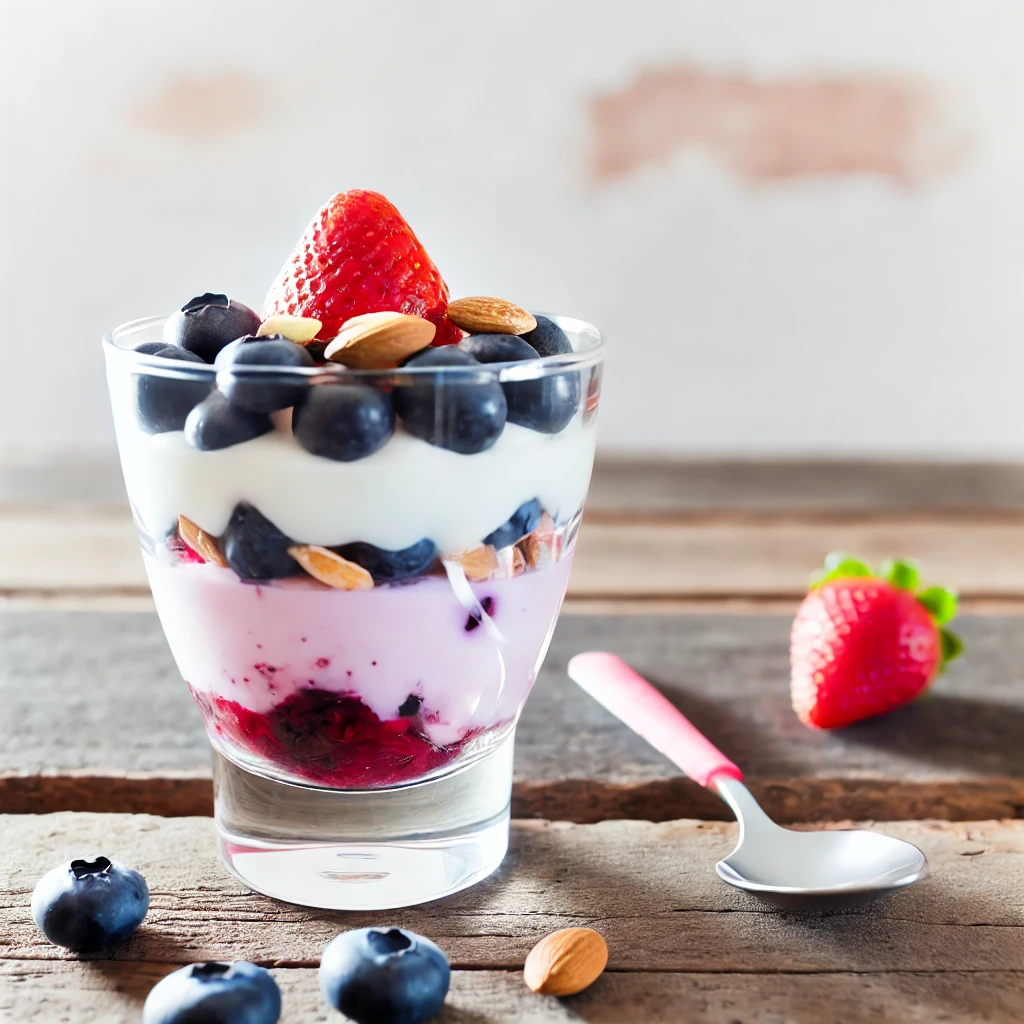
Mix plain Greek yogurt with 1–2 tbsp chia, cinnamon, vanilla, and a handful of berries; chill 10 minutes to thicken. Approx: 250–300 kcal; 20–28 g net carbs; 18–22 g protein.
Low-Calorie Diabetic Recipes: Savory Oatmeal with Mushrooms and Egg
Simmer oats in low-sodium broth; top with sautéed mushrooms, wilted spinach, a soft egg, and a sprinkle of Parmesan. Approx: 280–330 kcal; 28–35 g net carbs; 14–18 g protein.
Low-Calorie Diabetic Recipes: Cottage Cheese on Rye Crisps
Spread 1/2 cup cottage cheese on 2 rye crisps; add tomato, basil, and cracked pepper. Approx: 220–260 kcal; 20–25 g net carbs; 18–22 g protein.
Low-Calorie Diabetic Recipes for Lunch and Meal Prep
Low-Calorie Diabetic Recipes: Grilled Chicken Quinoa Power Salad
Combine 3–4 oz grilled chicken, 1/2 cup cooked quinoa, mixed greens, cucumber, and tomatoes; finish with lemon–olive oil. Approx: 400–460 kcal; 30–40 g net carbs; 30–35 g protein.
Low-Calorie Diabetic Recipes: Lentil and Kale Soup
Sauté onion, carrot, and celery; add garlic, cooked lentils, and low-sodium broth; simmer and stir in chopped kale and lemon. Approx: 280–320 kcal; 30–38 g net carbs; 16–20 g protein.
Low-Calorie Diabetic Recipes: Tuna–White Bean Lettuce Cups
Combine canned tuna with 1/4 cup white beans, celery, lemon, and herbs; spoon into romaine leaves. Approx: 230–270 kcal; 10–15 g net carbs; 22–26 g protein.
Low-Calorie Diabetic Recipes: Tofu Veggie Stir-Fry over Cauliflower Rice
Sear firm tofu; stir-fry peppers, snap peas, and mushrooms with ginger and garlic; splash with low-sodium tamari. Serve over cauliflower rice. Approx: 320–380 kcal; 18–24 g net carbs; 22–26 g protein.
Low-Calorie Diabetic Recipes for Dinner
Low-Calorie Diabetic Recipes: Lemon-Herb Salmon with Broccoli
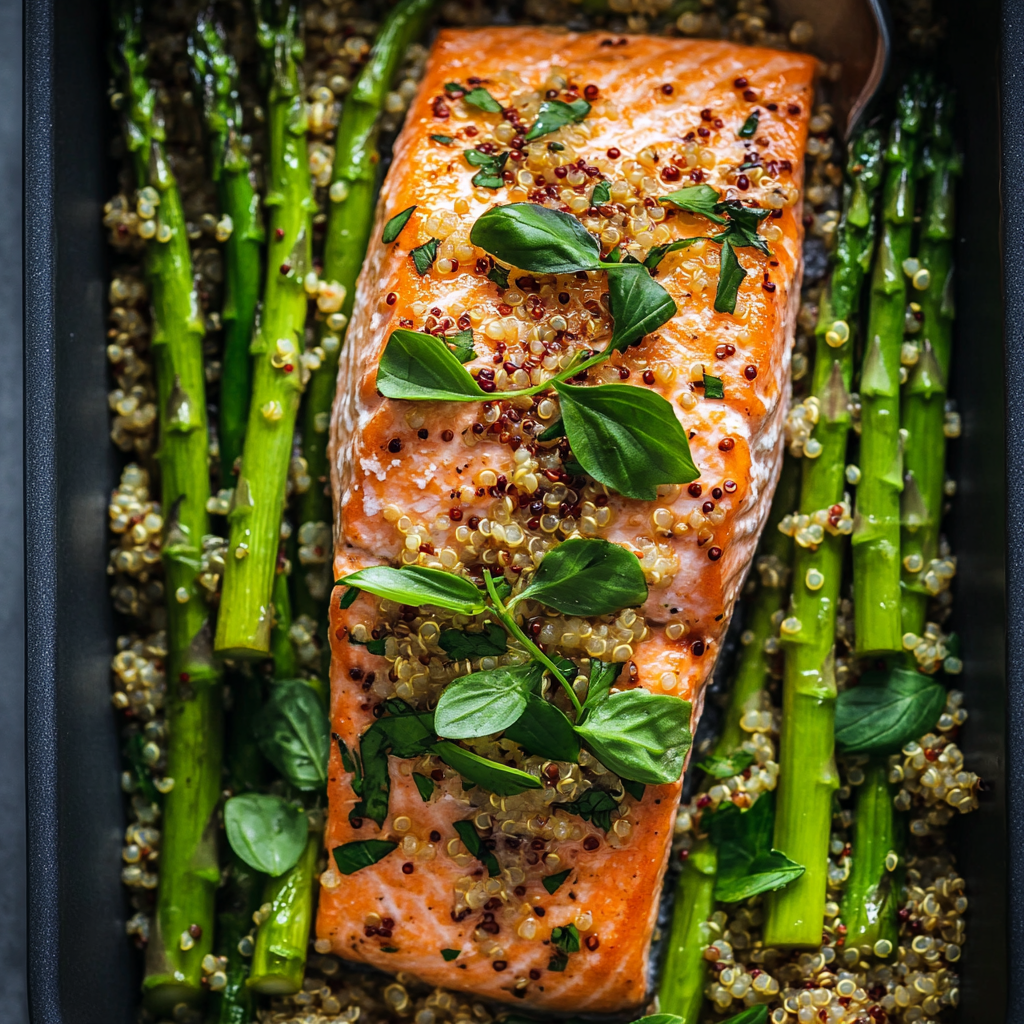
Roast a 4 oz salmon fillet and broccoli at 400°F/205°C for 10–14 minutes. Serve with cauliflower mash blended with 2 tbsp Greek yogurt. Approx: 420–480 kcal; 16–22 g net carbs; 35–40 g protein.
Low-Calorie Diabetic Recipes: Turkey–Zucchini Meatballs with Zoodles
Mix lean ground turkey with grated zucchini, garlic, onion, and herbs; bake as meatballs. Serve over spiralized zucchini with tomato–basil sauce. Approx: 360–430 kcal; 20–26 g net carbs; 32–36 g protein.
Low-Calorie Diabetic Recipes: Sheet-Pan Fajita Chicken
Roast sliced chicken, peppers, and onions with fajita seasoning; finish with lime and cilantro. Serve with avocado slices. Approx: 380–440 kcal; 20–26 g net carbs; 32–38 g protein.
Low-Calorie Diabetic Recipes: Shrimp and Asparagus Stir-Fry
Quick-sear shrimp with asparagus and garlic; add citrus and chili. Optional: 1/2 cup cooked brown rice. Approx: 340–420 kcal; 22–30 g net carbs; 28–32 g protein.
Low-Calorie Diabetic Recipes for Snacks and Desserts
Low-Calorie Diabetic Recipes: Apple–Cinnamon Skyr Bowl
Fold diced apple, cinnamon, and chopped walnuts into skyr or high-protein yogurt. Approx: 220–260 kcal; 22–28 g net carbs; 20–24 g protein.
Low-Calorie Diabetic Recipes: Chocolate Chia Pudding with Raspberries
Stir chia seeds with unsweetened cocoa, unsweetened almond milk, vanilla, and a non-nutritive sweetener; top with raspberries. Approx: 200–240 kcal; 18–22 g net carbs; 8–10 g protein.
Meal Planning with Low-Calorie Diabetic Recipes


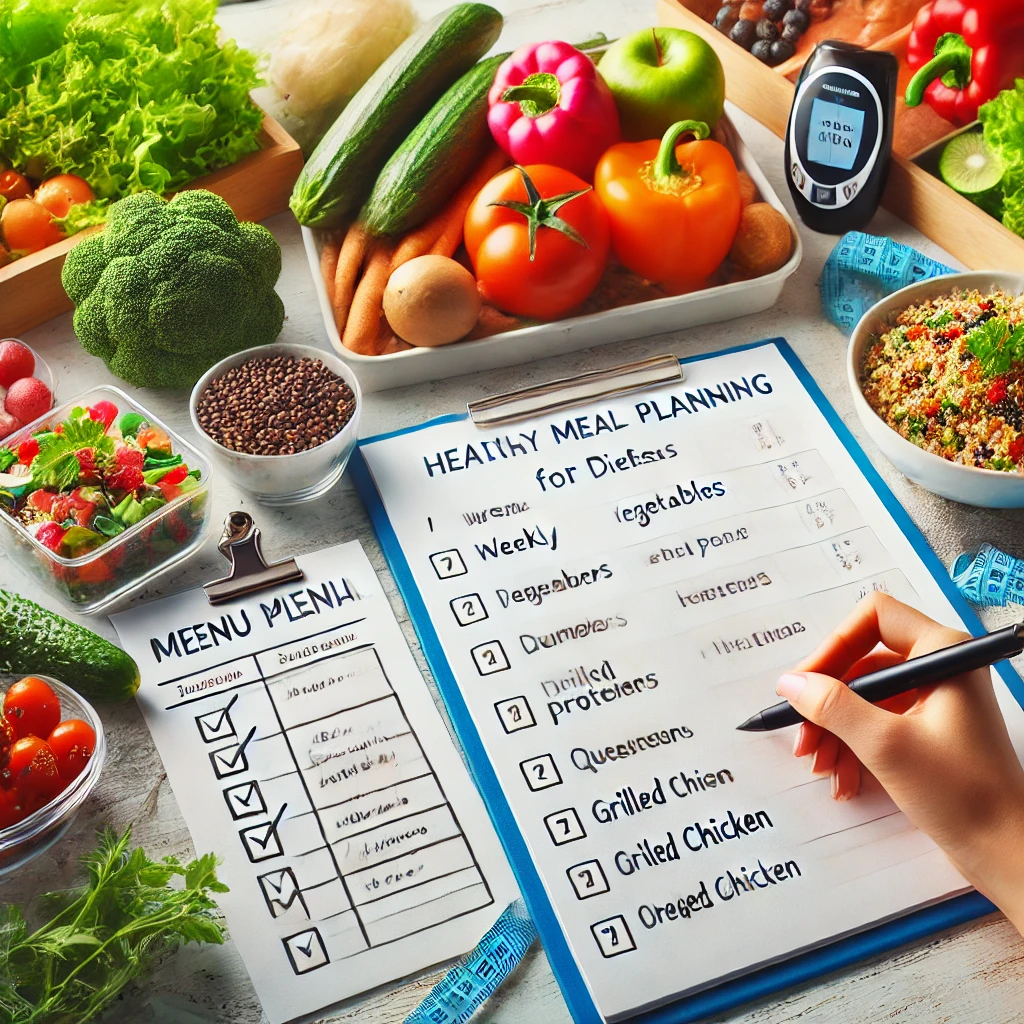
Consistency is everything. Batch-cook a protein (chicken, tofu, or turkey meatballs), roast a tray of mixed vegetables, and prepare one pot of soup for the week. With these anchors, you can assemble lunches and dinners in minutes. Plate protein first, then pile on vegetables for volume, and finish with a modest portion of high-fiber carbs to keep meals calorie-aware. Frozen vegetables and bulk legumes keep costs down while making Low-Calorie Diabetic Recipes easy on busy days.
Sample 1-Day Menu
- Breakfast: Spinach-Feta Egg Bites with a handful of berries and coffee or tea.
- Lunch: Grilled Chicken Quinoa Power Salad with lemon–herb dressing.
- Snack: Apple–Cinnamon Skyr Bowl.
- Dinner: Lemon-Herb Salmon with Broccoli and Cauliflower Mash.
- Dessert: Chocolate Chia Pudding with Raspberries.
Conclusion: Low-Calorie Diabetic Recipes for Everyday Success
The goal isn’t perfection—it’s momentum. Repeat a few favorites, season boldly, and keep portions personalized. With practice, your routine will feel effortless, your shopping list will get shorter, and your meals will stay satisfying. Partner with your healthcare team to tailor portions and medications, especially if you use insulin or agents that can cause hypoglycemia.
FAQs: Low-Calorie Diabetic Recipes
What are the best options for meal prep?
Batch-cook a versatile protein, roast two trays of mixed vegetables, and make a pot of lentil soup. Portion cooked quinoa or cauliflower rice. With these pieces on hand, assembling meals takes 5–10 minutes.
How many carbohydrates should I aim for per meal?
Many adults start with 20–40 g net carbs at main meals and 10–15 g for snacks, then adjust based on post-meal readings, medications, and activity levels. Personal targets may vary—work with your clinician.
Can I still have dessert?
Yes. Choose fiber-forward options like chia pudding or baked fruit, use non-nutritive sweeteners (stevia, monk fruit, allulose), and keep portions intentional. Balance desserts with protein and vegetables at the meal.
What are vegetarian protein choices?
Tofu, tempeh, edamame, lentils, chickpeas, beans, eggs (if included), and skyr/Greek-style yogurt alternatives. Pair with non-starchy vegetables and intact whole grains for fullness and nutrient density.
How do I stay full on fewer calories?
Build volume with vegetables and broth-based soups, include 20–35 g protein per meal, and add 1–2 teaspoons of healthy fat. This trio supports satiety without inflating calories.
Note: Nutrition estimates are approximate and vary by brand and portion size. Always follow guidance from your healthcare provider.