Explore 7 Incredible Moroccan Cuisine to Savor in the US

Moroccan Cuisine is a rich tapestry of flavors, blending Arab and Berber traditions with Mediterranean, Andalusian, and southern European influences.

This unique fusion creates complex-tasting dishes with deeply layered flavors, making Moroccan Cuisine a fascinating experience for food enthusiasts.

As North African flavors gain popularity in the US, Moroccan restaurants and food scenes are becoming increasingly popular, offering a taste of this exotic cuisine.

Key Takeaways

  • Moroccan Cuisine combines diverse cultural influences.
  • North African flavors are gaining popularity in the US.
  • Moroccan dishes offer complex and layered flavors.
  • The US food scene is embracing Moroccan Cuisine.
  • Moroccan restaurants are becoming increasingly popular.

The Rich Tapestry of Moroccan Cuisine in America

As American palates become more adventurous, Moroccan cuisine is gaining traction across the country. This North African culinary tradition is known for its rich flavors, aromas, and diverse influences, making it a fascinating addition to the American food scene.

The Growing Popularity of North African Flavors

The growing popularity of North African flavors in the US can be attributed to the increasing diversity of American cuisine. Moroccan food, with its blend of Arab, Mediterranean, and African influences, offers a unique gastronomic experience. Restaurants across the country are now serving traditional Moroccan dishes alongside innovative fusion creations, catering to the adventurous tastes of American diners.

Moroccan Cuisine is characterized by its use of bold spices, fragrant herbs, and a mix of sweet and savory flavors. This complexity is attracting food enthusiasts who are eager to explore beyond familiar culinary borders.

Key Ingredients in Authentic Moroccan Cooking

Authentic Moroccan cooking relies on a variety of staple ingredients, including lamb, couscous, apricots, olives, chickpeas, saffron, and preserved lemons. The ras el hanout spice blend and harissa chile paste are also essential components, adding depth and heat to many dishes.

These ingredients come together to create the distinctive flavors of Moroccan cuisine. For instance, couscous is often served with vegetable and meat stews, while lamb is used in various tagines and kebabs. The use of preserved lemons adds a salty, tangy flavor to many dishes, enhancing their overall complexity.

Tagine: Morocco’s Signature Clay Pot Masterpiece

In the heart of Moroccan cuisine lies the tagine, a culinary masterpiece that has captured the hearts of food enthusiasts worldwide. The tagine is not just a dish; it’s a traditional clay pot with a conical lid that gives its name to the myriad of recipes cooked in it. This iconic cooking vessel is ubiquitous in Morocco, found in roadside cafes, top-notch restaurants, and homes, always served with bread.

What Makes a Traditional Tagine Special

A traditional tagine is special due to its unique cooking method. The clay pot and conical lid work together to create a self-basting effect, where the steam condenses and drops back into the dish, ensuring the meat is tender and the flavors are rich. The slow-cooking process allows the ingredients to meld together, creating a depth of flavor that’s hard to achieve with other cooking methods.

The ingredients used in a traditional tagine can vary, but they often include meat (lamb, chicken, or beef), dried fruits, nuts, and a blend of spices. The combination of sweet and savory flavors is a hallmark of Moroccan cuisine.

Popular Tagine Variations Found in American Restaurants

In American restaurants, tagine variations have become increasingly popular, adapting to local tastes while maintaining the essence of the traditional dish. Some popular variations include:

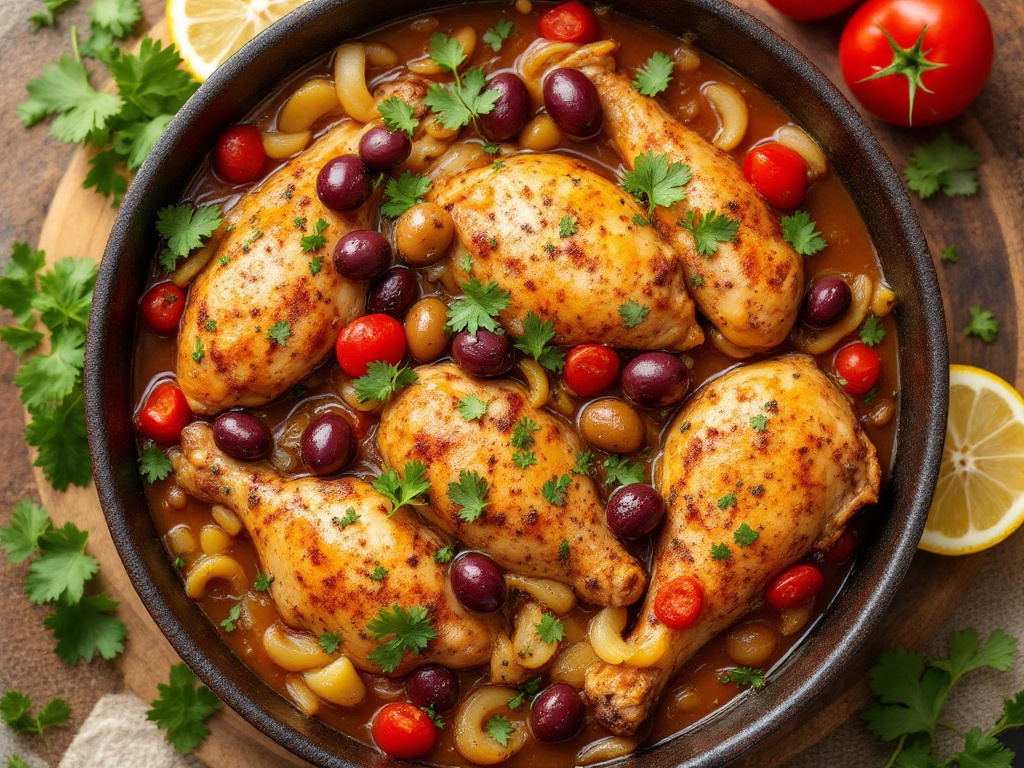
  • Chicken tagine with preserved lemons and olives
  • Lamb tagine with apricots and almonds
  • Vegetarian tagine with a variety of seasonal vegetables

These variations showcase the versatility of the tagine, allowing chefs to experiment with different ingredients while staying true to the traditional cooking method.

Tagine VariationMain IngredientsFlavor Profile
Chicken TagineChicken, preserved lemons, olivesSavory, tangy, slightly salty
Lamb TagineLamb, apricots, almondsRich, sweet, nutty
Vegetarian TagineSeasonal vegetables, spicesVaried, aromatic, slightly spicy

Where to Find Authentic Tagine in Major US Cities

For those looking to experience authentic tagine in the US, several cities offer top-notch Moroccan cuisine. Major cities like New York, Los Angeles, and Washington D.C. have restaurants that serve traditional tagine made with love and care, just like in Morocco.

Some recommended restaurants include:

  • Aziza in San Francisco
  • Marrakech Restaurant in New York
  • Kasbah Restaurant in Chicago

Couscous: The Fluffy Foundation of Moroccan Meals

Moroccan couscous, known for its light and airy texture, is a dish that has gained popularity worldwide. Couscous, or ‘Seksu’ as it’s traditionally known, is a fine wheat pasta that is typically steamed over a stew of meat and vegetables, absorbing the flavors and aromas of the accompanying ingredients.

The Art of Properly Prepared Couscous

Preparing couscous is an art that requires precision and patience. Traditionally, couscous is steamed in a couscoussier, a special pot with a steamer basket, over a simmering stew. The key to perfectly cooked couscous lies in achieving the right balance between the couscous and the steam from the stew. It’s essential to use a gentle heat to prevent the couscous from becoming mushy or undercooked.

Traditional Couscous Toppings and Accompaniments

Couscous is typically served with a variety of toppings and accompaniments that add flavor, texture, and color to the dish. Traditional toppings include slow-cooked meats such as lamb or chicken, along with a mix of vegetables like carrots, zucchini, and onions. The stew is often seasoned with a blend of spices, including cumin, coriander, and cinnamon, which infuse the couscous with rich flavors.

Traditional ToppingsDescription
Lamb or ChickenSlow-cooked meats that add tender flavor
Mixed VegetablesCarrots, zucchini, onions, and more, cooked to perfection
Spice BlendCumin, coriander, cinnamon, and other spices that enhance the flavor

Best Couscous Dishes in American-Moroccan Restaurants

In the United States, many Moroccan restaurants offer authentic couscous dishes that showcase the traditional flavors and preparation methods. Some top recommendations include restaurants that specialize in North African cuisine, where couscous is often served as part of a multi-course meal. These restaurants typically offer a range of couscous variations, from classic vegetable couscous to more elaborate meat and vegetable combinations.

Pastilla: Sweet and Savory Pastry Delight

Moroccan Pastilla, a dish fit for royalty, has been delighting palates with its intricate blend of flavors and textures for centuries. This traditional pastry is a masterpiece of Moroccan cuisine, combining the sweetness of spices and the savory taste of meat in a delicate, flaky crust.

The Fascinating History of This Royal Dish

Pastilla, also known as B’stilla, has its roots in the rich culinary heritage of Fez, Morocco. This dish was originally made with pigeon meat, almonds, eggs, and a blend of spices including saffron, cinnamon, and coriander, all wrapped in layers of paper-thin pastry known as “warqa.”

The historical significance of Pastilla lies in its preparation and presentation, which was often served at special occasions and feasts, symbolizing hospitality and generosity.

Traditional vs. American Adaptations of Pastilla

While traditional Pastilla is made with pigeon or chicken, almonds, and spices, American-Moroccan restaurants have adapted this dish to local tastes. Some variations include:

  • Using chicken or beef instead of pigeon for a more familiar flavor.
  • Incorporating additional spices or herbs to suit American palates.
  • Offering vegetarian or vegan versions by substituting meat with ingredients like mushrooms or eggplant.

These adaptations have made Pastilla more accessible to a wider audience while maintaining its essence.

Must-Try Pastilla Variations in the US

For those looking to experience authentic Pastilla in the US, there are several Moroccan restaurants across major cities that offer this dish. Some must-try variations include:

  1. Classic Pigeon Pastilla at traditional Moroccan eateries.
  2. Chicken and Almond Pastilla for a slightly different twist.
  3. Vegetarian Pastilla for a plant-based version of this classic dish.

Exploring these variations allows food enthusiasts to appreciate the versatility and richness of Pastilla.

Harira: The Comforting Moroccan Soup

As the sun sets during Ramadan, many break their fast with a steaming bowl of Harira. This traditional Moroccan soup is not only a staple during the holy month but is also a comforting dish enjoyed throughout the year. Harira is a rich and flavorful soup that embodies the heart of Moroccan cuisine.

The Cultural Significance of Harira

Harira holds a special place in Moroccan culture, particularly during Ramadan. It is a symbol of hospitality and community, often served to guests and family during the breaking of the fast. The soup’s nourishing ingredients help replenish energy after a day of fasting.

Key Ingredients That Make Harira Special

The magic of Harira lies in its hearty ingredients, including tomatoes, lentils, chickpeas, and lamb. The soup is typically finished with a squeeze of fresh lemon juice and a sprinkle of chopped coriander, adding a burst of freshness and flavor. Here’s a breakdown of the key ingredients:

IngredientRole in Harira
TomatoesProvide a rich, tangy base
Lentils & ChickpeasAdd protein and fiber
LambContributes depth of flavor
Lemon Juice & CorianderEnhance freshness and aroma

Where to Find Authentic Harira Soup in America

For those in the United States craving authentic Harira, many Moroccan restaurants offer this traditional soup. Cities with significant Moroccan communities, such as New York and Washington D.C., have eateries that serve genuine Harira. Look for restaurants that specialize in North African cuisine for the most authentic experience.

Zaalouk: The Eggplant Salad That Captivates American Palates

The allure of Zaalouk, a traditional Moroccan eggplant salad, is now being savored across the United States. This dish, rich in flavor and history, has become a staple in Moroccan cuisine and is slowly making its way into the hearts of American food enthusiasts.

Traditional Preparation Methods

Traditionally, Zaalouk is prepared by slowly cooking eggplant with a blend of aromatic spices, including garlic, paprika, and cumin, with a hint of chilli powder for added depth. The slow cooking process allows the eggplant to absorb all the flavors, resulting in a rich, smoky dip. “The art of making Zaalouk lies in the balance of its ingredients and the patience required to cook it to perfection,” notes a Moroccan chef.

Regional Variations and American Adaptations

While traditional Zaalouk remains a favorite, regional variations have emerged, incorporating local ingredients and tastes. In America, chefs are adapting Zaalouk to suit local palates, sometimes adding ingredients like roasted red peppers or different types of chili peppers. This fusion results in a unique flavor profile that is both familiar and exotic.

Some restaurants are also experimenting with the presentation, serving Zaalouk as a dip with crudités or pita bread, making it a hit as an appetizer or snack.

Restaurants Serving Outstanding Zaalouk in the US

Several Moroccan restaurants across the US are serving outstanding Zaalouk. Notable mentions include Azar Kitchen in New York, known for its authentic Moroccan dishes, and Marrakech Moroccan Cuisine in California, which offers a modern twist on traditional Zaalouk. These establishments are helping to introduce this delightful eggplant salad to a wider audience.

As American diners continue to explore international cuisines, Zaalouk stands out as a dish that is both exotic and accessible, offering a taste of Morocco’s rich culinary heritage.

7 Amazing Moroccan Dishes You Must Try in the United States

From spicy sausages to hearty stews, Moroccan cuisine has something for every food enthusiast in the US. Moroccan dishes are known for their rich flavors and aromas, often combining sweet and savory elements. The diversity of Moroccan cuisine is reflected in its various regional specialties, many of which have gained popularity in American restaurants and homes.

Moroccan Merguez Sausage: Spicy North African Delight

Merguez sausage is a spicy North African sausage made with lamb or beef, seasoned with a blend of spices including cumin, coriander, and chili peppers. This flavorful sausage is a staple in Moroccan cuisine and has become increasingly popular in the US. It’s often grilled and served with couscous or in a sandwich. The spicy kick of Merguez sausage adds a unique flavor to any dish it’s included in.

Rfissa: Chicken with Lentils and Msemen Bread

Rfissa is a traditional Moroccan dish made with chicken, lentils, and msemen bread, typically served during special occasions. The combination of tender chicken, nutritious lentils, and the soft, layered msemen bread creates a comforting and satisfying meal. Rfissa is often flavored with a mix of spices, including ginger, turmeric, and cinnamon, giving it a rich and aromatic taste.

Where to Experience These Authentic Flavors

To experience authentic Moroccan cuisine in the US, one can visit restaurants specializing in North African cuisine, particularly in cities with large Moroccan communities. Cities like New York, Los Angeles, and Washington D.C. have numerous Moroccan restaurants offering a range of traditional dishes, including Merguez sausage and Rfissa. Many of these restaurants also offer cooking classes, allowing visitors to learn about the preparation methods behind these delicious dishes.

Moroccan Desserts: Sweet Endings to Your Culinary Journey

As we explore the rich culinary landscape of Morocco in the US, our journey wouldn’t be complete without indulging in the sweet treats that define the country’s dessert culture. Moroccan desserts are a testament to the country’s rich culinary heritage, blending traditional flavors with intricate preparations.

Chebakia: Honey-Soaked Sesame Cookies

Chebakia are traditional Moroccan cookies made with sesame seeds and soaked in honey, typically served during special occasions. These sweet treats are not only delicious but also carry cultural significance, often being served to guests as a sign of hospitality.

M’hanncha: The Serpent Cake

M’hanncha, or “the serpent cake,” is a traditional Moroccan dessert made with layers of flaky pastry, almonds, and honey. This visually striking dessert is as delicious as it is beautiful, with its layers of pastry and nuts providing a delightful contrast of textures.

American Bakeries Specializing in Moroccan Sweets

For those looking to indulge in authentic Moroccan desserts in the US, several bakeries specialize in traditional Moroccan sweets. These bakeries offer a range of desserts, from Chebakia and M’hanncha to other traditional treats, allowing Americans to experience the rich flavors of Morocco.

DessertDescriptionKey Ingredients
ChebakiaHoney-soaked sesame cookiesSesame seeds, honey
M’hannchaSerpent cake with layers of pastry and nutsFlaky pastry, almonds, honey

Conclusion: Embracing Morocco’s Culinary Heritage in America

Moroccan cuisine has woven its rich tapestry into the fabric of American food culture, bringing with it a blend of traditional flavors and innovative twists. The dishes explored in this article showcase the diversity and depth of Moroccan culinary heritage, from the slow-cooked delights of tagine to the sweet endings of chebakia and m’hanncha.

As American-Moroccan fusion continues to evolve, it’s clear that the cultural exchange between Morocco and the US is enriching the culinary landscape. Restaurants across the US are embracing authentic Moroccan recipes, adapting them to local tastes while maintaining the essence of their heritage.

The growing popularity of Moroccan cuisine in America is a testament to the power of food to bridge cultures and bring people together. Whether you’re a seasoned foodie or just discovering the flavors of Morocco, there’s never been a better time to explore the rich culinary heritage that this North African nation has to offer.

FAQ

What is Moroccan cuisine known for?

Moroccan cuisine is known for its rich tapestry of flavors, blending Arab, Mediterranean, and African influences, characterized by the use of ingredients like lamb, couscous, preserved lemons, and a variety of spices.

What is a tagine, and how is it traditionally prepared?

A tagine is a traditional Moroccan dish named after the clay pot in which it’s cooked. The clay pot has a conical lid that allows steam to condense and drop back into the dish, creating tender and flavorful food. Tagine is typically prepared with meat, vegetables, and dried fruits, slow-cooked in the clay pot.

What is couscous, and how is it traditionally served?

Couscous is a staple in Moroccan cuisine, made from crushed durum wheat semolina. It’s traditionally served with vegetables, meat, and sauce, often steamed to a fluffy texture. Couscous is a versatile dish that can be served as a side or main course.

What is pastilla, and what’s its significance in Moroccan cuisine?

Pastilla is a traditional Moroccan pastry made with layers of flaky dough, meat, onions, and spices. It’s often served as an appetizer or main course. Pastilla has a rich history, dating back to the royal courts of Morocco, and is considered a symbol of hospitality.

What is harira, and why is it culturally significant?

Harira is a comforting Moroccan soup made with tomatoes, lentils, chickpeas, and spices. It’s culturally significant because it’s often served during Ramadan to break the fast, and it’s a staple in many Moroccan households.

What is zaalouk, and how is it prepared?

Zaalouk is a popular Moroccan eggplant salad made by cooking eggplant with tomatoes, garlic, and spices. It’s often served as a side dish or appetizer. Zaalouk is a versatile dish that can be adapted to various regional flavors and ingredients.

What are some must-try Moroccan dishes in the US?

Some must-try Moroccan dishes in the US include merguez sausage, rfissa, tagine, couscous, pastilla, harira, and zaalouk. These dishes can be found in many American-Moroccan restaurants, offering a taste of authentic Moroccan cuisine.

What are some traditional Moroccan desserts?

Traditional Moroccan desserts include chebakia, honey-soaked sesame cookies, and m’hanncha, a serpent cake made with layers of flaky dough and almond paste. These desserts can be found in American bakeries specializing in Moroccan sweets.

How is Moroccan cuisine adapting to American tastes?

Moroccan cuisine is adapting to American tastes by incorporating local ingredients and flavors into traditional dishes. American-Moroccan restaurants are innovating and creating fusion dishes that blend the best of both cuisines.

Ultimate Moroccan Chicken Recipe: 4 Easy & Delectable Ideas

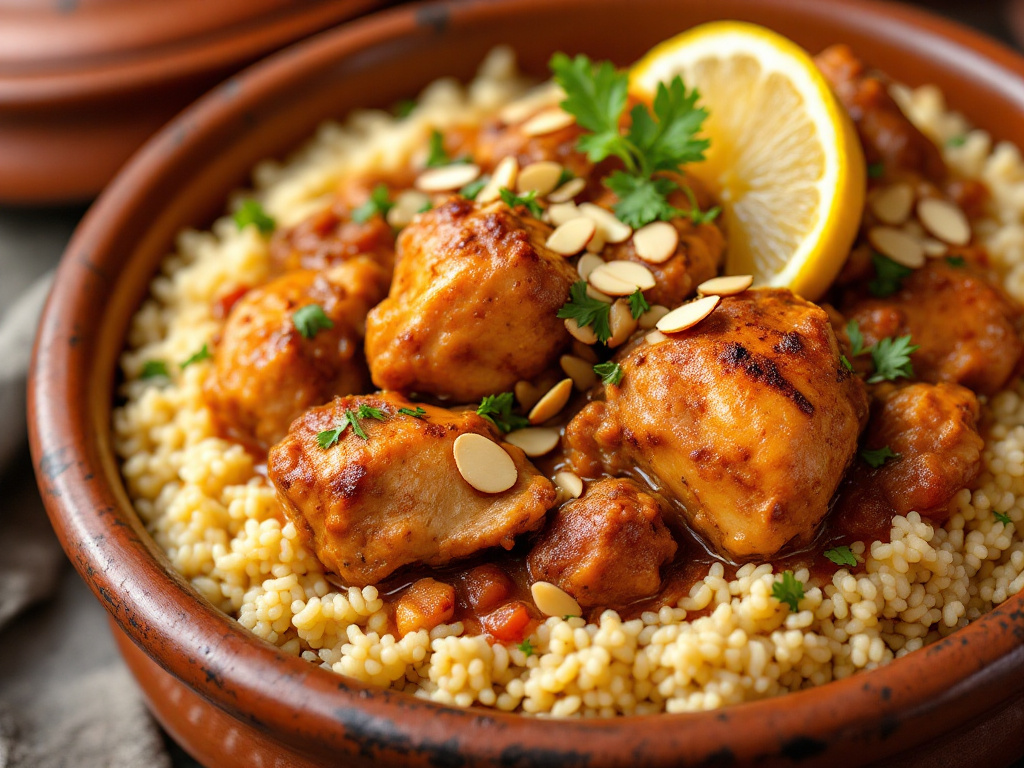
Are you ready to embark on a culinary journey that will leave your taste buds dancing with joy? Look no further than this Moroccan Chicken Recipe! This dish is a vibrant tapestry of flavors, deeply rooted in the rich history of Moroccan cuisine. With a perfect blend of spices, aromatic tagines, and hearty couscous, this recipe is sure to become a favorite in your kitchen.

Imagine the aroma of cumin, coriander, and cinnamon filling your kitchen as you prepare this dish. It’s a culinary masterpiece that combines the simplicity of chicken with the complexity of Moroccan spices. Whether you’re a seasoned chef or a culinary newbie, this recipe is designed to impress.

If you loved our popular Chicken Fajitas recipe, you’ll adore this Moroccan Chicken Recipe. It’s all about big flavors without the big effort. So, why not give it a try? Your taste buds will thank you!

What is Moroccan Chicken Recipe?

Have you ever wondered where the name “Moroccan Chicken Recipe” comes from? This dish is a classic example of Moroccan cuisine, known for its bold use of spices and the iconic tagine pot. The name reflects the cultural heritage and the traditional cooking methods of Morocco.

The origins of this recipe can be traced back to the medieval kitchens of Morocco, where spices from around the world converged. The dish has evolved over time, adapting to the availability of ingredients and regional preferences, yet it remains true to its roots.

As the saying goes, “The way to a man’s heart is through his stomach.” This Moroccan Chicken Recipe is sure to win hearts with its rich, aromatic flavors. So, why not give this Moroccan Chicken Recipe a try and see for yourself?

Why You’ll Love This Moroccan Chicken Recipe

This Moroccan Chicken Recipe is a true delight for the senses. The main highlight of this dish is its flavorful and aromatic profile, achieved through a perfect blend of spices. The combination of cumin, coriander, turmeric, and cinnamon creates a rich and complex sauce that coats the chicken perfectly.

One of the best things about this recipe is its cost-saving benefits. The ingredients are affordable and widely available, making it a budget-friendly option for a delicious meal. Plus, it makes multiple servings, perfect for feeding a family or entertaining guests.

The flavorful toppings and ingredients are what truly make this dish special. The addition of fresh herbs like parsley or cilantro adds a bright, fresh note, while the optional honey or sugar balances the acidity of the tomatoes.

Just like our popular Chicken Fajitas, this Moroccan Chicken Recipe is all about big flavors without the big effort. It’s quick, easy, and packed with nutrients, making it a great choice for a weeknight dinner.

Ready to add this Moroccan Chicken Recipe to your menu? Let’s get cooking!

How to Make Moroccan Chicken Recipe

Quick Overview

This Moroccan Chicken Recipe is incredibly simple to make, packed with flavor, and ready in under an hour. The standout element is the rich, aromatic sauce that coats the chicken perfectly. Whether you’re in the mood for a classic tagine, a spicy stir-fry, a fresh salad, or a hearty soup, this recipe offers versatility and delicious results.

Key Ingredients for Moroccan Chicken Recipe

Here are the ingredients you’ll need to make this Moroccan Chicken Recipe:

  • 4 boneless, skinless chicken breasts or thighs, cut into bite-sized pieces
  • 2 tablespoons olive oil
  • 1 large onion, finely chopped
  • 3 cloves garlic, minced
  • 1 tablespoon grated ginger
  • 1 teaspoon ground cumin
  • 1 teaspoon ground coriander
  • 1 teaspoon turmeric
  • 1 teaspoon cinnamon
  • 1 teaspoon paprika
  • A pinch of cayenne pepper (optional, for some heat)
  • 1 can (400g) crushed tomatoes
  • 1 cup (250ml) chicken broth
  • 1 tablespoon honey or sugar (optional, for balancing flavors)
  • Fresh parsley or cilantro, chopped (for garnish)
  • Lemon wedges (for serving)
Learn how to make a delicious Moroccan chicken recipe with our step-by-step guide. Enjoy the rich flavors of Morocco in your own kitchen.

Step-by-Step Instructions

  1. Heat the Olive Oil: In a large skillet or Dutch oven, heat 2 tablespoons of olive oil over medium heat.
  2. Sauté the Onions: Add the chopped onions and sauté until they are translucent and fragrant, about 3-4 minutes.
  3. Add Garlic and Ginger: Stir in the minced garlic and grated ginger, cooking for another minute until aromatic.
  4. Cook the Chicken: Add the chicken pieces to the skillet, browning them on all sides. This step ensures the chicken is tender and flavorful, about 5-7 minutes.
  5. Stir in Spices: Add the cumin, coriander, turmeric, cinnamon, paprika, and cayenne pepper (if using). Cook for 1-2 minutes to release the spices’ aroma.
  6. Add Tomatoes and Broth: Stir in the crushed tomatoes and chicken broth. Bring the mixture to a simmer.
  7. Simmer: Reduce the heat to low and let the dish simmer, uncovered, for 20-25 minutes, or until the chicken is cooked through and the sauce has thickened.
  8. Balance Flavors: If desired, stir in the honey or sugar to balance the acidity of the tomatoes.
  9. Garnish and Serve: Sprinkle with fresh parsley or cilantro and serve with lemon wedges on the side.

What to Serve with Moroccan Chicken Recipe

This Moroccan Chicken Recipe is versatile and can be served with a variety of sides to enhance your meal. Here are some suggestions:

  • Couscous: A traditional choice, couscous pairs perfectly with the aromatic sauce.
  • Warm Pita Bread: Ideal for scooping up the flavorful sauce.
  • Simple Green Salad: A refreshing contrast to the rich dish.
  • Steamed Vegetables: Add some crunch and color to your plate.
  • Rice or Quinoa: For a hearty and filling meal.

Top Tips for Perfecting Moroccan Chicken Recipe

Master the art of cooking Moroccan chicken with our top tips. From selecting the right spices to perfecting the cooking technique, these tips will help you create the perfect Moroccan chicken recipe every time.

To ensure your Moroccan Chicken Recipe turns out perfectly, here are some top tips:

  • Ingredient Substitutions: If you don’t have fresh ginger, you can use ground ginger as a substitute. Similarly, you can adjust the level of spiciness to your liking by adding more or less cayenne pepper.
  • Timing Adjustments: For a quicker meal, you can brown the chicken and cook the onions while preparing the spices in advance.
  • Avoid Overcrowding: Don’t overcrowd the skillet when browning the chicken to ensure even cooking and a nice crust.

Storing and Reheating Tips

Proper storage and reheating are crucial to maintaining the quality of your Moroccan Chicken Recipe. Here’s how you can store and reheat your dish:

  • Storage: Store leftovers in an airtight container in the refrigerator for up to 3 days. For longer storage, place the container in the freezer for up to 2 months.
  • Reheating: Reheat the dish gently on the stovetop or in the microwave until warmed through. If reheating from frozen, thaw overnight in the refrigerator before reheating.

Conclusion

The Moroccan Chicken Recipe is a dish that beautifully balances rich flavors with quick and simple preparation. With its unique blend of spices like cumin, coriander, turmeric, and cinnamon, this recipe offers a flavor profile that is both familiar and exotic. Additionally, its versatility allows it to be adapted to different tastes and needs, whether as a classic tagine, a spicy stir-fry, a fresh salad, or a hearty soup.

This recipe is not only delicious but also accessible and economical, making it an excellent choice for family dinners or gatherings with friends. Plus, its quick preparation and intense flavor make it ideal for busy days.

So, if you’re ready to dive into a culinary experience full of color and aroma, don’t hesitate to try this Moroccan Chicken Recipe! Share your experience in the comments and don’t forget to save this recipe for future occasions. Enjoy your meal!

FAQs

1. How long does it take to prepare the Moroccan Chicken Recipe?

Answer: The preparation of the Moroccan Chicken Recipe is quick and straightforward. In about 35-40 minutes, you can have a delicious meal full of flavor. This includes cooking the chicken and preparing the aromatic sauce.

2. Can I substitute some ingredients if I don’t have them?

Answer: Absolutely! For example, if you don’t have fresh ginger, you can use ground ginger. Additionally, if you prefer less heat, you can reduce or omit the cayenne pepper. The recipe is very versatile and can be adapted to your tastes and ingredient availability.

3. What sides do you recommend serving with the Moroccan Chicken Recipe?

Answer: There are several delicious options to accompany this recipe. You can serve it with traditional couscous, rice, warm pita bread, or a fresh salad. It’s also excellent with steamed vegetables or mashed potatoes for a more homey touch.

4. Can I make this recipe in a slow cooker?

Answer: Yes! If you prefer a slower cooking method and hands-free preparation, you can cook the chicken and ingredients in a slow cooker. Cook on low for 4-5 hours for tender and flavorful results.

5. Can I freeze the Moroccan Chicken Recipe for later?

Answer: Yes, this recipe is ideal for freezing. Let it cool completely, then place it in an airtight container or freezer bag. It can be stored for up to 2 months. When you’re ready to eat it, thaw it overnight in the refrigerator and gently reheat it on the stovetop or in the microwave.

6. Is the Moroccan Chicken Recipe healthy?

Answer: Absolutely! Chicken is a lean protein source, and ingredients like fresh herbs, spices, and vegetables add nutrients and antioxidants. Additionally, the use of olive oil and honey or sugar in moderate amounts makes this recipe a healthy and balanced option.

Call to Action: Ready to embark on this flavorful journey? Try this gybèu-7_ and let your taste buds experience the vibrant spices of Morocco. Share your cooking adventure in the comments below, and don’t forget to pin this post for future reference. Happy cooking!

How to Make Authentic Moroccan Chicken: 1 Easy Recipe

Are you ready to embark on a flavorful journey to Morocco without leaving your kitchen? Moroccan chicken is a dish that will transport your taste buds to the vibrant souks of Marrakech, with its rich blend of aromatic spices, tender chicken, and creamy sauce. I discovered the magic of Moroccan chicken at a friend’s dinner party, where the flavors were so captivating that I was determined to learn how to make it myself.

What I love most about this recipe is its simplicity and quick preparation time, making it perfect for a busy day or a cozy family dinner. Plus, it’s a great alternative to our popular chicken parmesan recipe, offering a unique and exciting flavor profile. So, why not give it a try and bring a piece of Morocco to your table?

What is Moroccan Chicken?

Have you ever wondered where the name “Moroccan chicken” comes from? This dish is named after the country of Morocco, known for its rich culinary history and spice blends. The name reflects the authentic flavors and ingredients traditionally used in Moroccan cuisine.

The story goes that Moroccan chicken was created by chefs who wanted to showcase the country’s love for aromatic spices and hearty meals. As the saying goes, “the way to a man’s heart is through his stomach,” and this dish certainly captures that essence. So, are you ready to give this Moroccan chicken recipe a try?

Why You’ll Love This Moroccan Chicken

This Moroccan chicken recipe is a standout for many reasons. First, the highlight of the dish is its aromatic blend of spices, which creates a flavor profile that is both exotic and comforting. Making it at home is not only cost-effective but also allows you to customize the flavors to your liking.

The best part? It’s incredibly easy to prepare, with a quick cooking time that makes it ideal for a weeknight meal. Plus, the flavorful toppings and ingredients, like fresh parsley and a squeeze of lemon, add a bright and refreshing touch. If you enjoyed our chicken stir-fry recipe, you’ll love this unique and delicious alternative. So, why not try making it at home and experience the magic for yourself?

How to Make Moroccan Chicken

Quick Overview

This Moroccan chicken recipe is a perfect blend of simplicity and flavor. With its aromatic spices, tender chicken, and creamy sauce, it’s a dish that is both satisfying and easy to prepare. The preparation time is quick, and the result is a meal that feels special, whether it’s for a family dinner or a gathering with friends.

Key Ingredients for Moroccan Chicken

To make this delicious Moroccan chicken, you’ll need the following ingredients:

  • Chicken: 4 boneless, skinless chicken breasts or thighs, cut into bite-sized pieces.
  • Olive Oil: 2 tablespoons for sautéing.
  • OniMoroccan chicken with olives and lemonons: 1 large onion, finely chopped.
  • Garlic: 3 cloves, minced.
  • Ginger: 1 tablespoon, grated.
  • Spices: 1 teaspoon ground cumin, 1 teaspoon ground coriander, 1 teaspoon turmeric, 1 teaspoon cinnamon, 1 teaspoon paprika, and a pinch of cayenne pepper (optional).
  • Tomatoes: 1 can of crushed tomatoes (400g).
  • Chicken Broth: 1 cup (250ml).
  • Honey or Sugar: 1 tablespoon for a touch of sweetness.
  • Fresh Parsley or Cilantro: Chopped, for garnish.
  • Lemon Wedges: For serving.
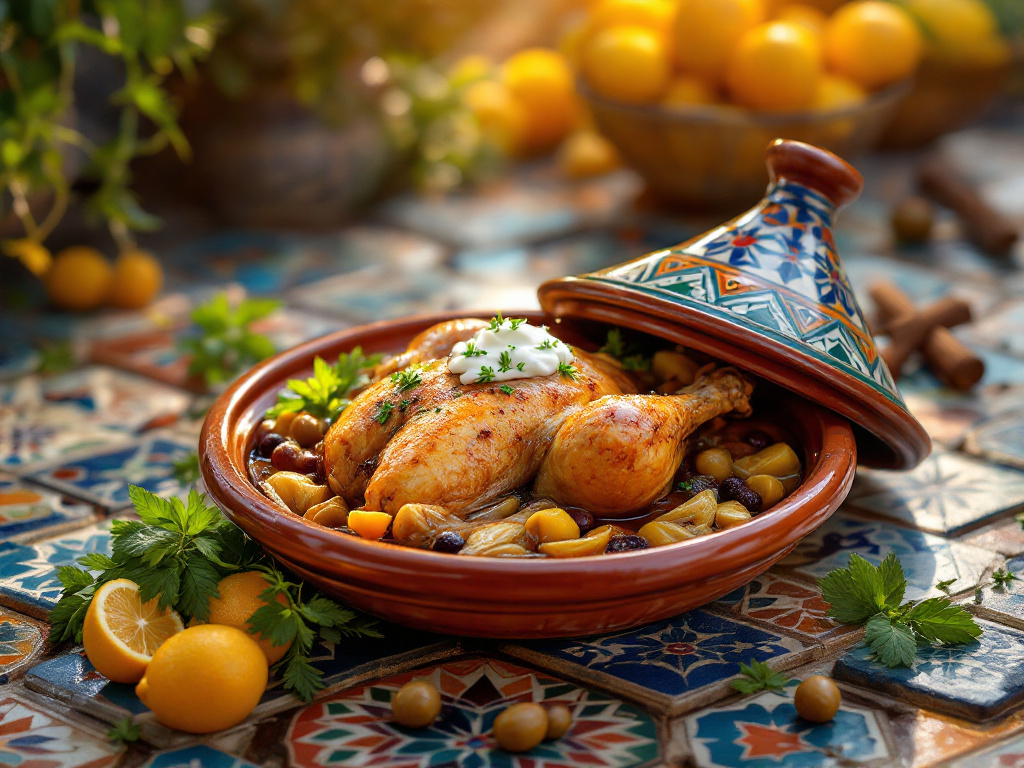
A beautifully presented Moroccan chicken dish with olives and lemon, ready to be served.

Step-by-Step Instructions

  1. Heat the Olive Oil: In a large skillet or Dutch oven, heat 2 tablespoons of olive oil over medium heat.
  2. Sauté the Onions: Add the chopped onions and sauté until they are translucent and fragrant, about 3-4 minutes.
  3. Add Garlic and Ginger: Stir in the minced garlic and grated ginger, cooking for another minute until aromatic.
  4. Cook the Chicken: Add the chicken pieces to the skillet, browning them on all sides. This step ensures the chicken is tender and flavorful, about 5-6 minutes.
  5. Mix in Spices: Sprinkle the spices over the chicken and onions, stirring well to coat. Allow the spices to cook for a few minutes to release their flavors.
  6. Add Tomatoes and Broth: Pour in the crushed tomatoes and chicken broth, stirring to combine. Bring the mixture to a gentle simmer.
  7. Season with Honey or Sugar: Add a drizzle of honey or a sprinkle of sugar to balance the acidity of the tomatoes and the boldness of the spices.
  8. Let it Simmer: Reduce the heat to low and let the Moroccan chicken simmer for about 20-25 minutes, allowing the flavors to meld together and the chicken to become tender.
  9. Garnish and Serve: Once cooked, garnish with fresh parsley or cilantro. Serve hot with a side of couscous, rice, or crusty bread, accompanied by a squeeze of lemon juice for a refreshing touch.

What to Serve Moroccan Chicken With

Moroccan chicken is versatile and can be paired with a variety of sides to enhance your meal. Here are some suggestions:

  • Couscous: A traditional Moroccan side that soaks up the flavorful sauce beautifully.
  • Roasted Vegetables: Roasted carrots, zucchini, and bell peppers complement the dish with their vibrant colors and textures.
  • Fresh Salad: A simple green salad with a light vinaigrette provides a refreshing contrast to the rich flavors of the chicken.
  • Mint Tea: For a truly authentic experience, serve the meal with a refreshing glass of mint tea.

Top Tips for Perfecting Moroccan Chicken

To ensure your Moroccan chicken turns out perfectly, here are some valuable tips:

  • Use Fresh Spices: For the best flavor, use fresh whole spices and grind them yourself if possible.
  • Substitute Chicken Thighs: For a juicier texture, consider using chicken thighs instead of breasts.
  • Avoid Overcooking: Ensure the chicken is cooked through but not overcooked to maintain its tenderness.

Storing and Reheating Tips

  • Refrigeration: Cool the dish completely, then refrigerate in an airtight container for up to 3 days.
  • Freezing: Transfer the cooled Moroccan chicken to a freezer-safe container or bag and store for up to 3 months. Reheat gently over low heat, adding a splash of water or broth if needed.
  • Reheating: Reheat the dish in a saucepan over low heat until warmed through. For best results, reheat with a lid to retain moisture.

With this easy and flavorful Moroccan chicken recipe, you can enjoy a taste of Morocco in the comfort of your home. Whether you’re cooking for a family dinner or a special occasion, this dish is sure to please. So, go ahead, give it a try, and let the aromatic spices transport you to the heart of Morocco!

Conclusion:

Embark on a culinary journey to Morocco with this simple yet flavorful Moroccan Chicken recipe. Perfect for a busy day or a special occasion, this dish offers a delightful blend of aromatic spices, tender chicken, and a creamy sauce that will captivate your taste buds. With its quick preparation time and versatile serving options, Moroccan Chicken is an excellent addition to any meal. Whether you’re cooking for family or friends, this recipe promises to transport you to the vibrant souks of Marrakech, all from the comfort of your own kitchen. So, why not give it a try and let the aromatic spices of Morocco enchant your senses?

FAQs:

  1. Q: Can I use chicken thighs instead of breasts for a juicier texture?
    • A: Absolutely! Using chicken thighs can result in a juicier and more flavorful dish. They are a great substitute if you prefer a heartier texture.
  2. Q: What are some good side dishes to serve with Moroccan Chicken?
    • A: Moroccan Chicken pairs well with couscous, roasted vegetables like carrots and zucchini, a fresh salad, or crusty bread. For an authentic touch, serve with a refreshing glass of mint tea.
  3. Q: Can I make this recipe vegetarian?
    • A: Yes, you can easily make a vegetarian version by substituting the chicken with chickpeas or roasted vegetables, maintaining the rich and aromatic flavor profile.
  4. Q: How long can I store leftover Moroccan Chicken?
    • A: Leftovers can be refrigerated in an airtight container for up to 3 days or frozen for up to 3 months. Reheat gently over low heat, adding a splash of water or broth if needed.
  5. Q: What if I don’t have all the listed spices? Can I substitute any?
    • A: While the blend of spices is key to the authentic flavor, you can adjust based on what you have. For example, cumin and coriander are essential, but you can omit the cayenne pepper for a milder version.
  6. Q: Is this recipe suitable for a low-carb diet?
    • A: Yes, this recipe is low in carbs, especially if served with a side salad or roasted vegetables instead of couscous or bread. It’s a great option for those watching their carbohydrate intake.

Delicious Moroccan Chicken Tagine: How to Make It in 7 Simple Steps


Imagine tender chicken, golden and juicy, simmered with apricots, olives, and a symphony of spices that whisper of bustling Moroccan markets. Craving a dish that’s exotic yet effortless? Moroccan Chicken Tagine is your answer. This one-pot wonder isn’t just a meal—it’s a passport to North Africa, no plane ticket required. Fun fact: The dish is named after the clay pot it’s traditionally cooked in, whose cone-shaped lid traps steam, infusing every bite with flavor. Think of it as Morocco’s answer to your Instant Pot—but with 1,000 years of history!

Why bother with takeout when you can whip up this family-friendly feast in 7 simple steps? It’s faster than waiting for delivery and way more satisfying. If you loved our Greek Lemon Chicken, you’ll adore this recipe—it’s like that dish’s adventurous cousin. Ready to turn your kitchen into a Marrakech-inspired oasis? Let’s dive in!

What Is Moroccan Chicken Tagine?

What Is Moroccan Chicken Tagine?

Ever wondered why it’s called a “tagine”? Is it because it’s ta-genius? (Okay, we’ll stop.) The name actually comes from the iconic clay pot used to cook it. Picture this: a dish so beloved, they named the cookware and the meal after each other. Talk about a power couple!

But here’s the real question: Does the way to someone’s heart truly involve a tagine? According to Moroccan grandmas, absolutely. This dish—with its sweet apricots, briny olives, and spices that dance on your tongue—is love served in a pot. Whether you’re wooing a date or just your hungry family, this recipe never fails. Ready to play matchmaker with your taste buds? Grab that pot and let’s get cooking!

Why You’ll Love This Moroccan Chicken Tagine

  1. Flavor Bomb Alert: Cumin, cinnamon, and saffron create a warm, aromatic base, while apricots and olives add sweet-and-savory magic. Every bite is like a hug from a Moroccan spice merchant.
  2. Wallet-Friendly Wins: Skip the pricey restaurant tab! This dish costs half as much to make at home, and leftovers taste even better tomorrow.
  3. Toppings That Shine: Finish with lemon zest and fresh cilantro for a zesty kick. It’s like confetti for your plate!

If you’re obsessed with our Harissa Chickpea Stew, you’ll flip for this tagine. Both are cozy, spiced to perfection, and begging for a crusty bread sidekick. Hungry yet? Your kitchen adventure starts now!

How to Make Moroccan Chicken Tagine

How to Make Moroccan Chicken Tagine

Quick Overview

This dish is easyflavor-packed, and forgiving. Sear chicken, layer veggies and spices, then let the pot work its magic. Total time? Just 1 hour—most of which is hands-off simmering.

Key Ingredients

(Serves 4)

  • Chicken: 6 bone-in, skin-on thighs (trust us, the bones add flavor!).
  • Veggies: 1 onion (sliced), 3 carrots (chopped), 1 zucchini (sliced).
  • Fruits: ½ cup dried apricots, ¼ cup green olives.
  • Spices: 1 tsp cumin, 1 tsp coriander, ½ tsp cinnamon, ½ tsp turmeric, ¼ tsp ginger, 1 saffron pinch (optional).
  • Extras: 2 garlic cloves (minced), 1 cup chicken broth, lemon zest, cilantro.

Step-by-Step Instructions

  1. Prep Like a Pro: Chop veggies, pat chicken dry, and measure spices.
  2. Sear the Chicken: Heat olive oil in a Dutch oven. Brown thighs skin-side down for 4 mins. Set aside.
  3. Sauté Aromatics: Cook onions until golden. Add garlic, carrots, and spices—toast for 2 mins.
  4. Layer It Up: Nestle chicken into the pot. Add zucchini, apricots, olives, and broth.
  5. Simmer Slow & Low: Cover and cook on low heat for 45 mins. No peeking—let the flavors mingle!
  6. Finish with Flair: Stir in lemon zest and cilantro. Taste and tweak salt/honey as needed.
  7. Serve with Style: Plate over couscous, garnish with parsley, and dig in!

What to Serve With Moroccan Chicken Tagine

  • Couscous: Fluffy and perfect for soaking up sauce.
  • Warm Flatbread: For scooping every last bit.
  • Mint Tea: A Moroccan classic to balance the spices.
  • Cucumber Salad: Cool, crisp, and refreshing.

Top Tips for Perfecting Your Tagine

  • Spice Swap: No saffron? Use a pinch of smoked paprika for depth.
  • Veggie Flexibility: Swap zucchini for eggplant or sweet potatoes.
  • Avoid Overcooking: Chicken should pull apart easily—check at 40 mins.
  • Sweetness Hack: Too tangy? A drizzle of honey fixes everything.

Storing and Reheating Tips

  • Fridge: Store in airtight containers for up to 3 days.
  • Reheat: Warm on the stove with a splash of broth to revive flavors.
  • Freeze: Portion and freeze for up to 2 months. Thaw overnight before reheating.

The Surprising Benefits of Moroccan Chicken Tagine

Moroccan Chicken Tagine isn’t just a feast for your taste buds—it’s a powerhouse of flavor, nutrition, and cultural richness! Here’s why this dish deserves a spot in your weekly meal rotation:

1. Nutrient-Rich & Balanced

  • Protein-packed: Chicken thighs provide lean protein to keep you full and energized.
  • Veggie-loaded: Carrots, zucchini, and onions add fiber, vitamins, and antioxidants.
  • Spice superpowers: Turmeric (anti-inflammatory), cumin (aids digestion), and cinnamon (blood sugar balance) turn this dish into edible wellness.

2. One-Pot Wonder = Less Stress

No mountain of dishes! Everything cooks in a single pot, making cleanup a breeze. Perfect for busy weeknights or lazy Sundays.

3. Budget-Friendly Gourmet

Skip the pricey restaurant version. With pantry staples like spices, dried fruit, and olives, this tagine costs a fraction to make at home.

4. Adaptable for All Diets

  • Gluten-free? Naturally! Just pair with gluten-free couscous or quinoa.
  • Vegetarian? Swap chicken for chickpeas and tofu.
  • Kid-friendly? Omit spicy elements and watch even picky eaters dig in.

5. Slow-Cooked Goodness

The low-and-slow method tenderizes the chicken and melds flavors into a rich, aromatic sauce. It’s like a hug in a pot!

6. Freezer-Friendly & Meal-Prep Hero

Make a double batch and freeze portions for future dinners. Reheats beautifully without losing flavor—ideal for meal preppers.

7. A Culinary Adventure at Home

No passport needed! Cooking this tagine lets you explore Morocco’s vibrant food culture. Impress guests with a dish that’s as exotic as it is comforting.

8. Mood-Boosting Comfort Food

The blend of sweet apricots, savory olives, and warm spices like cinnamon creates a serotonin-boosting combo. It’s happiness on a plate!

Ready to Reap the Benefits?
Whip up this Moroccan Chicken Tagine and savor a meal that’s as nourishing as it is delicious. Don’t forget to tag your creations with #TagineMagic—we love seeing your culinary wins! 🍋✨

P.S. Craving more healthy global recipes? Try our Lebanese Lentil Soup next—it’s another nutrient-packed crowd-pleaser!

Ready to Spice Up Dinner?

Your Moroccan Chicken Tagine awaits—a dish that’s equal parts comfort and adventure. Share your masterpiece on Instagram and tag us @SpiceQuestKitchen. We’ll feature our favorites! And if you’re craving more global flavors, try our Turkish Lentil Soup next. Now, go conquer that tagine and let the aromas transport you to Marrakech. Bon appétit, or as they say in Morocco, “B’ssaha!” 🍋✨

Conclusion

Congratulations! You now have everything you need to create an authentic Moroccan Chicken Tagine that will transport your senses straight to the bustling markets of Marrakech. This dish isn’t just a burst of flavors—sweet, savory, and spiced—it’s also proof that home cooking can be magical without requiring hours in the kitchen. The best part? Every bite tells a centuries-old story, and you just became its storyteller.

Ready to impress? Whip up this tagine, snap photos of your creation with #TagineMagic, and tell us how it turned out. And if you love global flavors, don’t miss our Indian-Style Lentil Curry for your next culinary adventure. Happy cooking!

FAQs

1. Can I substitute saffron if I don’t have it?
Absolutely! Saffron is pricey, but a pinch of smoked paprika or turmeric will add color and depth. It won’t taste identical, but it’ll still be delicious.

2. Can I make this recipe meat-free?
Yes. Swap chicken for chickpeas and firm tofu. Add squash or eggplant for extra texture.

3. How do I store leftovers?
In an airtight container in the fridge for up to 3 days. Reheat in a pot with a splash of broth to revive the flavors.

4. Do I need a clay tagine pot?
Nope! A Dutch oven or slow cooker works perfectly. The key is low-and-slow cooking with a lid.

5. Can I use chicken breast instead of thighs?
Yes, but thighs stay juicier. If using breast, reduce cooking time to 30 minutes to avoid dryness.

6. How do I make it spicier?
Add ½ tsp cayenne pepper or a drizzle of harissa when mixing the spices. Adjust to taste!

7. Can I freeze tagine?
Yes. Store it in freezer-safe bags for up to 2 months. Thaw overnight in the fridge and reheat gently.

8. What kid-friendly sides do you recommend?
Serve with plain couscous (no spices) or pita bread with hummus. Shredded chicken and carrots are usually a hit.

We hope this Moroccan Chicken Tagine becomes a staple at your table! 🥘✨