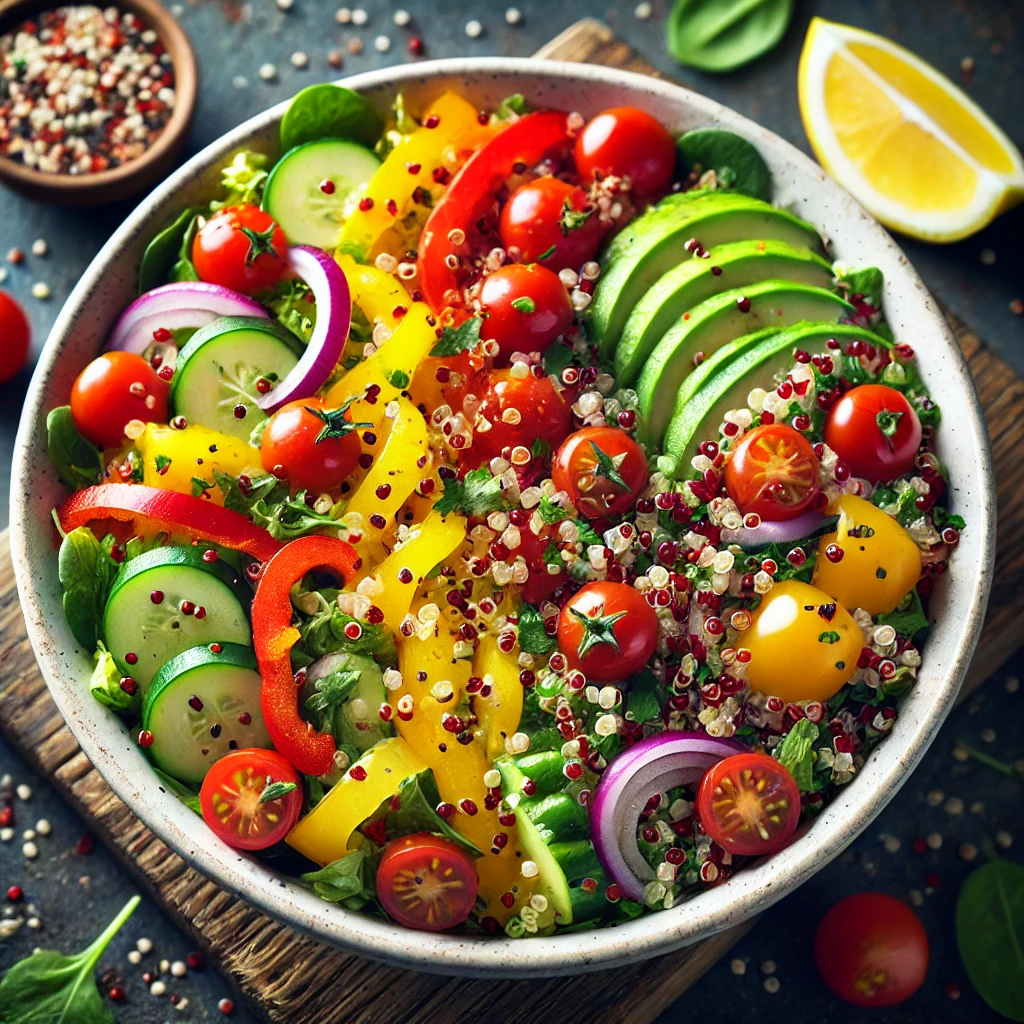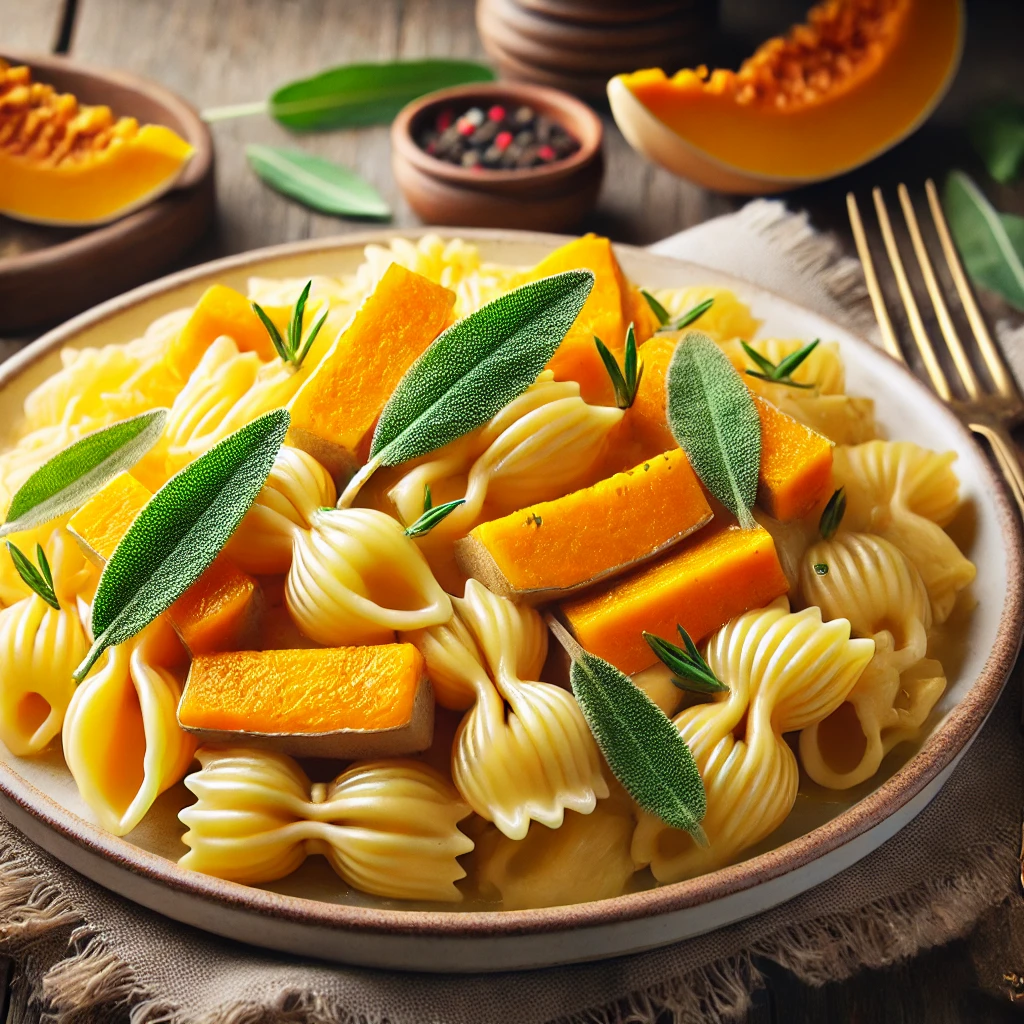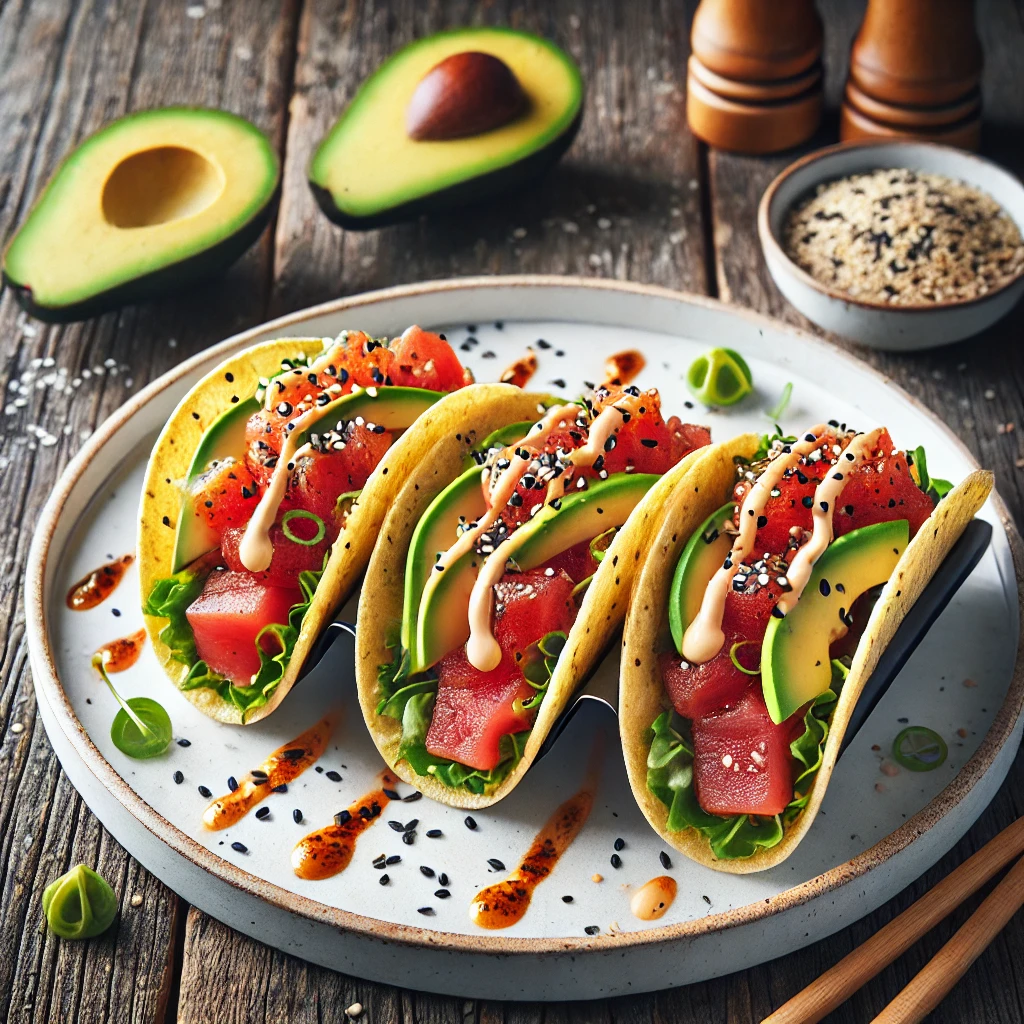


Are you tired of the same old cooking routine? Are you ready to discover the latest trends that are revolutionizing home cooking in the United States? In today’s kitchens, Feel-Good Culinary Innovations are reshaping how people cook, eat, and enjoy food at home.
Kitchen trends are evolving, and home cooks are embracing new ideas that make cooking more enjoyable and accessible. From innovative cooking techniques to new kitchen gadgets, the culinary landscape is changing rapidly thanks to these Feel-Good Culinary Innovations.
The latest home cooking inspiration is all about making mealtime more enjoyable and stress-free. With the rise of new kitchen technologies and cooking methods, home cooks can now experiment with a variety of flavors and cuisines while benefiting from Feel-Good Culinary Innovations that prioritize health, convenience, and sustainability..
Key Takeaways
- Discover the latest kitchen trends shaping American kitchens
- Explore new home cooking inspiration ideas
- Learn about the innovative cooking techniques and gadgets
- Understand how Feel-Good Culinary Innovations are making mealtime more enjoyable
- Find out how to incorporate new trends into your cooking routine
9 Feel-Good Culinary Innovations Taking Over American Kitchens: A New Era of Home Cooking
Culinary innovations are transforming American kitchens, bringing together technology, health, and sustainability in exciting new ways. This fusion of Feel-Good Culinary Innovations is not just changing how we cook, but also what we eat and how we feel about food.
The Intersection of Technology, Health, and Sustainability
The kitchen technology landscape is rapidly evolving, with smart appliances and cooking gadgets that make healthy cooking easier and more accessible. These Feel-Good Culinary Innovations are driven by consumer demand for healthier, more sustainable food options that don’t compromise on taste or convenience.
Health-conscious consumers are seeking out plant-based alternatives and low-fat cooking methods that align with their dietary preferences. At the same time, there’s a growing awareness of the environmental impact of food choices, leading to increased interest in sustainable cooking practices and eco-friendly kitchen tools—core elements of today’s Feel-Good Culinary Innovations.
How These Innovations Are Changing American Food Culture
The impact of these Feel-Good Culinary Innovations on American food culture is multifaceted. They’re not only changing the way we cook and eat but also influencing how we think about food. For instance, the rise of meal kit services with eco-conscious packaging is making sustainable eating more convenient. Similarly, air fryers and other kitchen gadgets are encouraging healthier eating habits without sacrificing flavor.
These changes are also reflected in the growing popularity of fermentation and indoor gardening, which are not just about cooking but also about cultivating a healthier relationship with food. As Americans become more interested in the origins and production of their food, Feel-Good Culinary Innovations are helping to foster a more mindful and sustainable food culture.
1. Plant-Based Meat Alternatives: The Protein Revolution

Plant-based meat alternatives are one of the most prominent Feel-Good Culinary Innovations, revolutionizing the protein landscape and offering consumers a more sustainable and often healthier option. This shift is driven by growing awareness of the environmental and health impacts of traditional meat consumption.
Beyond Burgers: The Evolution of Meat Substitutes
The market for plant-based meat alternatives has expanded significantly beyond bThe market for plant-based meat alternatives has expanded significantly beyond burgers, with a wide range of products now available, including sausages, chicken nuggets, and even fish alternatives. These products are made from various plant-based ingredients such as pea protein, soy protein, and mushroom-based components.
Several key players have emerged in this category of Feel-Good Culinary Innovations, including:
- Beyond Meat
- Impossible Foods
- Gardein
- Quorn
These companies have been at the forefront of innovation, developing products that closely mimic the taste and texture of meat.
Cooking Applications That Win Over Skeptics
One of the main challenges for plant-based meat alternatives is winning over skeptics who are accustomed to traditional meat. However, various cooking applications have helped to change perceptions:
- Grilling and BBQ: Plant-based burgers and sausages are perfect for grilling, offering a meat-like experience without the meat.
- Stir-fries and curries: Plant-based chicken and beef alternatives blend seamlessly into stir-fries and curries, providing a familiar texture and flavor.
- Tacos and sandwiches: Plant-based meat alternatives are versatile and can be used in tacos, sandwiches, and wraps, making them a convenient option for meal preparation.
Health and Environmental Impact
Plant-based meat alternatives offer several health benefits, including lower saturated fat content and higher fiber content compared to traditional meat. Environmentally, they have a lower carbon footprint, require less water, and generate less waste.
The adoption of plant-based meat alternatives is a significant step towards more sustainable and healthy eating habits. As consumers continue to embrace these products, the environmental and health benefits are likely to grow.
2. Smart Kitchen Appliances: Connectivity Meets Cooking
As technology advances, smart kitchen appliances are increasingly becoming an integral part of modern American cooking trends. These devices are central to Feel-Good Culinary Innovations because they make cooking more convenient, efficient, and enjoyable.
Voice-Controlled Cooking Assistants
One of the most exciting developments in smart kitchen technology is the introduction of voice-controlled cooking assistants. These devices allow home chefs to control their cooking process hands-free, making it easier to follow recipes and adjust cooking times. Brands like Amazon and Google are leading the charge with Alexa- and Google Assistant–enabled appliances, which play a key role in many Feel-Good Culinary Innovations.
App-Based Recipe Guidance and Remote Monitoring
Smart kitchen appliances are also being equipped with app-based recipe guidance and remote monitoring capabilities. This allows users to select recipes, monitor cooking progress, and even adjust settings remotely using their smartphones. This feature is particularly useful for busy home cooks who need flexibility and want to tap into Feel-Good Culinary Innovations that support their lifestyle.
Popular Smart Appliance Ecosystems
Several companies are creating ecosystems around their smart appliances, making it easier for consumers to integrate multiple devices into their kitchens. For example, Samsung’s SmartThings platform allows users to control a range of devices—from refrigerators to ovens—from a single app.
Such ecosystems show how Feel-Good Culinary Innovations can streamline routines, improve precision, and reduce stress in the kitchen.
| Brand | Ecosystem | Key Features |
|---|---|---|
| Samsung | SmartThings | Multi-device control, voice assistant integration |
| LG | ThinQ | Smart appliance integration, AI-powered cooking |
| Whirlpool | Everyday Cooking | Recipe guidance, cooking tips, smart appliance control |
How Connected Kitchens Reduce Food Waste
Connected kitchens are not just about convenience; they’re also helping reduce food waste. Smart appliances can track the freshness of stored food, suggest recipes based on ingredients nearing expiration, and even automate meal planning. This not only saves money but also contributes to a more sustainable kitchen environment.
By embracing smart kitchen appliances, home cooks can enjoy a more streamlined, efficient, and enjoyable cooking experience. As these technologies continue to evolve, we can expect to see even more innovative features that make cooking easier and more fun.
3. Air Fryers: Guilt-Free Crispy Delights

Air fryers have revolutionized home cooking with their ability to produce crispy delights without the guilt. These appliances are among the most popular Feel-Good Culinary Innovations, changing the way we cook comfort foods.
The Science of Air Circulation Cooking
Air fryers use a combination of hot air and rapid air circulation to cook food. This technology allows for the Maillard reaction—a chemical reaction between amino acids and reducing sugars that gives browned food its distinctive flavor—to occur, resulting in a crispy exterior and a tender interior, similar to deep-frying but with much less oil.
The key to these Feel-Good Culinary Innovations lies in their ability to circulate hot air evenly around the food, ensuring consistent cooking and browning.
The key to air fryers’ success lies in their ability to circulate hot air around the food. This circulation ensures even cooking and browning, making it possible to achieve that perfect crispy texture without submerging the food in oil.
Beyond French Fries: Unexpected Air Fryer Uses
While French fries are a classic air fryer favorite, these appliances can do much more. Popular uses include:
- Crispy chicken wings
- Roasted vegetables
- Kale chips and other crunchy snacks
- Simple desserts like cinnamon sugar apples or doughnut-style treats
This versatility makes air fryers a cornerstone of many Feel-Good Culinary Innovations in everyday home kitchens.
Air Fryer Cooking Charts for Perfect Results
Cooking charts for air fryers help home cooks achieve consistent results. These charts provide guidelines on temperature and cooking times for different foods, making it easier to get the most out of this Feel-Good Culinary Innovation.
| Food | Temperature (°F) | Cooking Time (minutes) |
|---|---|---|
| French Fries | 400 | 12-15 |
| Chicken Wings | 375 | 20-25 |
| Steak | 400 | 8-12 |
Calorie and Fat Reduction Benefits
One of the most significant advantages of air fryers is the reduction in calories and fat compared to traditional deep-frying methods. By using little to no oil, air fryers make it possible to enjoy fried foods that are not only delicious but also healthier—embodying the essence of Feel-Good Culinary Innovations.
By incorporating air fryers into your cooking routine, you can significantly cut down on your oil consumption without sacrificing flavor. This makes air fryers an excellent addition to any kitchen, providing a healthier alternative for cooking a variety of dishes.
4. Sous Vide Cooking: Precision and Perfection
Sous vide cooking has revolutionized the way we prepare meals at home, offering unparalleled precision and consistency. This technique is widely recognized as one of the more advanced Feel-Good Culinary Innovations for home cooks.
Temperature-Controlled Water Bath Cooking
The core of sous vide cooking lies in its ability to maintain a consistent water bath temperature, ensuring that the food is cooked evenly throughout. This precision cooking technique eliminates the risk of overcooking, a common issue with traditional cooking methods.
Foolproof Proteins: Never Overcook Again
One of the biggest advantages of sous vide cooking is its ability to cook proteins to perfection every time. Whether it’s steak, chicken breast, or fish fillet, sous vide guarantees a consistent level of doneness. This makes it a favorite among Feel-Good Culinary Innovations for people who want restaurant-quality results at home.
Essential Sous Vide Equipment for Home Cooks
To get started with sous vide cooking, home cooks will need a few essential pieces of equipment. These include:
- A sous vide machine, which controls the water bath temperature
- Air-tight bags or containers for sealing food
- A large pot or container for the water bath
Make-Ahead Meal Preparation Benefits
Sous vide is particularly helpful for make-ahead meal preparation. You can cook multiple portions in advance, chill them, and reheat as needed. This time-saving aspect is a hallmark of many Feel-Good Culinary Innovations, making weeknight dinners easier and more reliable.
5. Fermentation Stations: The Probiotic Renaissance
The resurgence of fermentation in modern kitchens is driving a probiotic renaissance and standing out as one of the most health-focused Feel-Good Culinary Innovations.
Modern Fermentation Tools and Kits
The modern kitchen is now equipped with a variety of fermentation tools and kits that make the process easier and more efficient. These include:
- Fermentation crocks with weights and lids designed for easy monitoring
- Starter cultures for specific types of fermentation, such as sauerkraut or kimchi
- pH meters and temperature controls for precise monitoring
Temperature and pH Monitoring Technology
Temperature and pH monitoring devices allow for precise control over the fermentation environment, ensuring ideal conditions for beneficial bacteria to thrive.
Gut Health Benefits of Homemade Fermented Foods
Homemade fermented foods are rich in probiotics, which are beneficial for gut health. Consuming these foods can lead to improved digestion, a stronger immune system, and even mental health benefits.
| Fermented Food | Probiotic Benefits |
|---|---|
| Sauerkraut | Rich in Lactobacillus plantarum, which aids digestion |
| Kimchi | Contains a variety of lactic acid bacteria, supporting immune function |
| Kefir | Offers a diverse range of probiotic bacteria and yeast, beneficial for gut flora |
Beginner-Friendly Fermentation Projects
For those new to fermentation, starting with simple projects is key. Some beginner-friendly options include making sauerkraut, brewing kombucha, or creating a simple fermented vegetable medley.
By embracing fermentation, individuals can not only enhance their culinary skills but also contribute to a healthier gut microbiome. As the trend continues to grow, it’s clear that fermentation is more than just a passing fad – it’s a culinary revolution.
6. Indoor Herb and Microgreen Gardens: Year-Round Freshness
With indoor herb and microgreen gardens, home cooks can now enjoy a constant supply of fresh ingredients. This innovation is transforming the way Americans cook at home, providing home cooking inspiration and contributing to the American kitchen revolution.
Hydroponic and Smart Garden Systems
Hydroponic and smart garden systems use nutrient-rich water, grow lights, and automated watering to maintain ideal growing conditions. These systems help ensure herbs and microgreens are always available, making them practical and inspiring Feel-Good Culinary Innovations.
Space-Efficient Designs for Urban Kitchens
One of the significant advantages of modern indoor gardening systems is their space-efficient design, making them ideal for urban kitchens where space is often limited. These systems are designed to be compact and can be placed on countertops or even mounted on walls.
Lighting and Watering Technologies
Advanced lighting and watering technologies are at the heart of these indoor gardening systems. LED grow lights, for example, provide the necessary spectrum for plant growth while being energy-efficient. Automated watering systems ensure that plants receive the right amount of water, reducing the risk of overwatering or underwatering.
| Feature | Hydroponic Systems | Smart Garden Systems |
|---|---|---|
| Nutrient Delivery | Nutrient-rich solution | Automated fertilizer dispensing |
| Watering System | Manual or automated | Automated watering |
| Lighting | Optional LED grow lights | Integrated LED grow lights |
Flavor Enhancement and Nutritional Benefits
Indoor herb and microgreen gardens not only provide fresh flavors but also enhance the nutritional value of meals. Microgreens, for example, are packed with vitamins and minerals, often containing higher concentrations than their mature counterparts. By having a steady supply of these ingredients, home cooks can significantly improve the quality of their cooking.
7. Eco-Conscious Meal Kit Services: Convenience Meets Sustainability

The rise of eco-conscious meal kit services is revolutionizing the way we cook at home. These services combine the convenience of meal kits with sustainable practices, making it easier for consumers to cook with a clear conscience.
Biodegradable and Reusable Packaging Solutions
One of the key features of eco-conscious meal kit services is their focus on biodegradable and reusable packaging. Companies are now using compostable containers and recyclable materials to minimize waste. For instance, some services have switched to using bioplastics made from renewable biomass sources like corn starch or sugarcane.
This shift not only reduces the environmental impact but also appeals to the growing demographic of eco-aware consumers. By choosing biodegradable packaging, these meal kit services are setting a new standard in the industry.
Farm-to-Table Connections and Local Sourcing
Eco-conscious meal kit services combine convenience with sustainability, positioning themselves as some of the most impactful Feel-Good Culinary Innovations for busy households.
Consumers can now trace the origin of their ingredients, fostering a greater appreciation for the food they eat. This transparency builds trust and supports local economies.
Comparing Top Sustainable Meal Kit Providers
Different providers prioritize aspects like organic produce, regenerative agriculture, or carbon-neutral shipping, but they all build on the same foundation: Feel-Good Culinary Innovations that merge ethics, flavor, and practicality.
| Provider | Packaging | Sourcing |
|---|---|---|
| GreenChef | Biodegradable containers | Locally sourced produce |
| SustainableMeals | Recyclable materials | Organic farms |
| EcoMeals | Compostable packaging | Regenerative agriculture |
Portion Control and Food Waste Reduction
Another significant benefit of meal kit services is their ability to reduce food waste through portion control. By providing exactly the amount of ingredients needed for a recipe, these services help consumers avoid buying excess food that may go to waste.
This precision not only saves money but also contributes to a more sustainable food system. As consumers become more aware of their environmental impact, the demand for eco-conscious meal kit services is likely to grow.
8. Multi-Functional Cooking Appliances: Kitchen Counter Space Savers
Multi-functional cooking appliances are transforming kitchen spaces across America. As high-impact Feel-Good Culinary Innovations, they combine convenience, versatility, and energy efficiency.
Pressure Cookers, Slow Cookers, and Beyond in One Device
One of the most significant advantages of multi-functional cooking appliances is their ability to combine various cooking methods in one device. For instance, some models serve as both pressure cookers and slow cookers, allowing users to quickly prepare a wide range of dishes. These appliances often come with additional features such as sautéing, steaming, and even baking.
Programming Features and Cooking Modes
Modern multi-functional cooking appliances are equipped with advanced programming features and multiple cooking modes. Users can select from various preset options, such as:
- Pressure cooking for rapid meal preparation
- Slow cooking for tender, fall-apart meats
- Sautéing for browning ingredients
- Steaming for healthy vegetable preparation
- Yogurt making for homemade dairy
These features enable home cooks to experiment with new recipes and cooking techniques, enhancing their culinary skills and creativity.
Simplified Meal Preparation Workflows
By consolidating multiple cooking functions into a single appliance, multi-functional cooking devices simplify meal preparation workflows. Home cooks can perform various tasks, such as browning, cooking, and simmering, without needing to switch between different pots and pans. This streamlined process not only saves time but also reduces kitchen cleanup.
Energy Efficiency and Cost Savings
Multi-functional cooking appliances are also designed with energy efficiency in mind. By combining multiple cooking methods, these devices can help reduce overall energy consumption in the kitchen. Additionally, the ability to prepare meals quickly and efficiently can lead to cost savings on energy bills over time.
In conclusion, multi-functional cooking appliances are a valuable addition to any kitchen, offering convenience, versatility, and energy efficiency. As kitchen trends continue to evolve, these innovative devices are sure to remain a staple in American homes, supporting feel-good cooking techniques and enhancing the overall cooking experience.
9. Zero-Waste Kitchen Tools: Sustainable Culinary Solutions
The quest for a more sustainable kitchen has led to the rise of zero-waste kitchen tools in American homes. As part of the broader american kitchen revolution, these tools are transforming the way we cook and interact with food.
Silicone Alternatives to Single-Use Plastics
One of the key innovations in zero-waste kitchen tools is the development of silicone alternatives to single-use plastics. These durable, flexible, and reusable products are reducing the reliance on disposable plastics in kitchens across America.
Examples include silicone storage bags, spatulas, and baking mats, which are not only eco-friendly but also offer practical benefits such as ease of cleaning and versatility in cooking applications.
Compostable and Biodegradable Kitchen Products
Another significant trend is the adoption of compostable and biodegradable kitchen products. These products, made from materials like plant-based bioplastics or natural fibers, offer a sustainable alternative to traditional kitchen items.
Food Scrap Repurposing Tools
A subset of zero-waste kitchen tools focuses on repurposing food scraps, reducing food waste, and optimizing kitchen efficiency. Examples include:
- Compost bins designed for countertop use
- Food scrap collectors with odor-control features
- Tools for transforming food scraps into new meals or stocks
Long-Term Financial Benefits of Sustainable Kitchens
Adopting zero-waste kitchen tools not only contributes to a more sustainable lifestyle but also offers long-term financial benefits. By reducing reliance on single-use products and minimizing food waste, households can save money on groceries and kitchen supplies.
| Zero-Waste Tool | Initial Cost | Long-Term Savings |
|---|---|---|
| Silicone Storage Bags | $10 (one-time) | $50 (annual savings on disposable bags) |
| Compost Bin | $20 (one-time) | $30 (annual savings on waste disposal and fertilizers) |
| Food Scrap Collector | $15 (one-time) | $20 (annual savings on food waste) |
As modern American cooking trends continue to evolve, the integration of zero-waste kitchen tools is expected to play a significant role in shaping a more sustainable food culture.
Conclusion: How These Culinary Innovations Are Shaping Our Food Future
The 9 feel-good culinary innovations taking over American kitchens are transforming the way we cook, eat, and interact with food. From plant-based meat alternatives to zero-waste kitchen tools, these kitchen innovation trends are revolutionizing the culinary landscape.
As we’ve explored, these innovations are not only changing the way we prepare meals but also impacting our health, environment, and social connections. By embracing technologies like smart kitchen appliances, air fryers, and sous vide cooking, home cooks can create delicious, healthy meals with ease.
The rise of eco-conscious meal kit services, indoor herb and microgreen gardens, and multi-functional cooking appliances is also contributing to a more sustainable food culture. As these trends continue to evolve, we can expect to see a significant shift in the way Americans cook, eat, and think about food.
By adopting these 9 feel-good culinary innovations, home cooks can look forward to a more enjoyable, sustainable, and connected cooking experience. As the kitchen continues to be the heart of the home, these innovations will play a vital role in shaping the future of food and cooking in America.
FAQ
What are the key culinary innovations currently transforming American kitchens?
The key culinary innovations include plant-based meat alternatives, smart kitchen appliances, air fryers, sous vide cooking, fermentation stations, indoor herb and microgreen gardens, eco-conscious meal kit services, multi-functional cooking appliances, and zero-waste kitchen tools.
How are these culinary innovations impacting American food culture?
These innovations are making an impact by providing healthier, more sustainable, and convenient cooking options, thus changing the way Americans cook and interact with food.
What are the benefits of adopting plant-based meat alternatives in cooking?
Plant-based meat alternatives offer health benefits, such as reduced saturated fat and higher fiber content, and environmental benefits, including lower greenhouse gas emissions and water usage.
How do smart kitchen appliances enhance the cooking experience?
Smart kitchen appliances enhance cooking by providing voice-controlled assistance, app-based recipe guidance, and remote monitoring, making cooking more convenient and reducing food waste.
What are the advantages of using air fryers for cooking?
Air fryers offer a healthier alternative to deep-frying, reducing calorie and fat intake, and provide versatility in cooking a variety of dishes beyond French fries.
How does sous vide cooking ensure precision and perfection in cooking proteins?
Sous vide cooking uses a temperature-controlled water bath to cook proteins to a precise doneness, eliminating the risk of overcooking and ensuring consistent results.
What are the health benefits of incorporating fermented foods into one’s diet?
Fermented foods provide probiotics, which support gut health, boost the immune system, and may improve mental health and overall well-being.
How do indoor herb and microgreen gardens contribute to year-round freshness and nutrition?
Indoor gardens allow for the continuous cultivation of fresh herbs and microgreens, providing fresh flavors and nutrients year-round, regardless of the season or climate.
What makes eco-conscious meal kit services sustainable?
Eco-conscious meal kit services focus on biodegradable and reusable packaging, farm-to-table connections, local sourcing, and portion control, reducing food waste and environmental impact.
How do multi-functional cooking appliances simplify meal preparation?
Multi-functional appliances combine several cooking functions, such as pressure cooking, slow cooking, and sautéing, into one device, streamlining meal preparation and reducing kitchen clutter.
What are the environmental benefits of adopting zero-waste kitchen tools?
Zero-waste kitchen tools, such as silicone alternatives to single-use plastics and compostable products, reduce plastic waste, support sustainable living, and promote a more environmentally conscious kitchen practice.