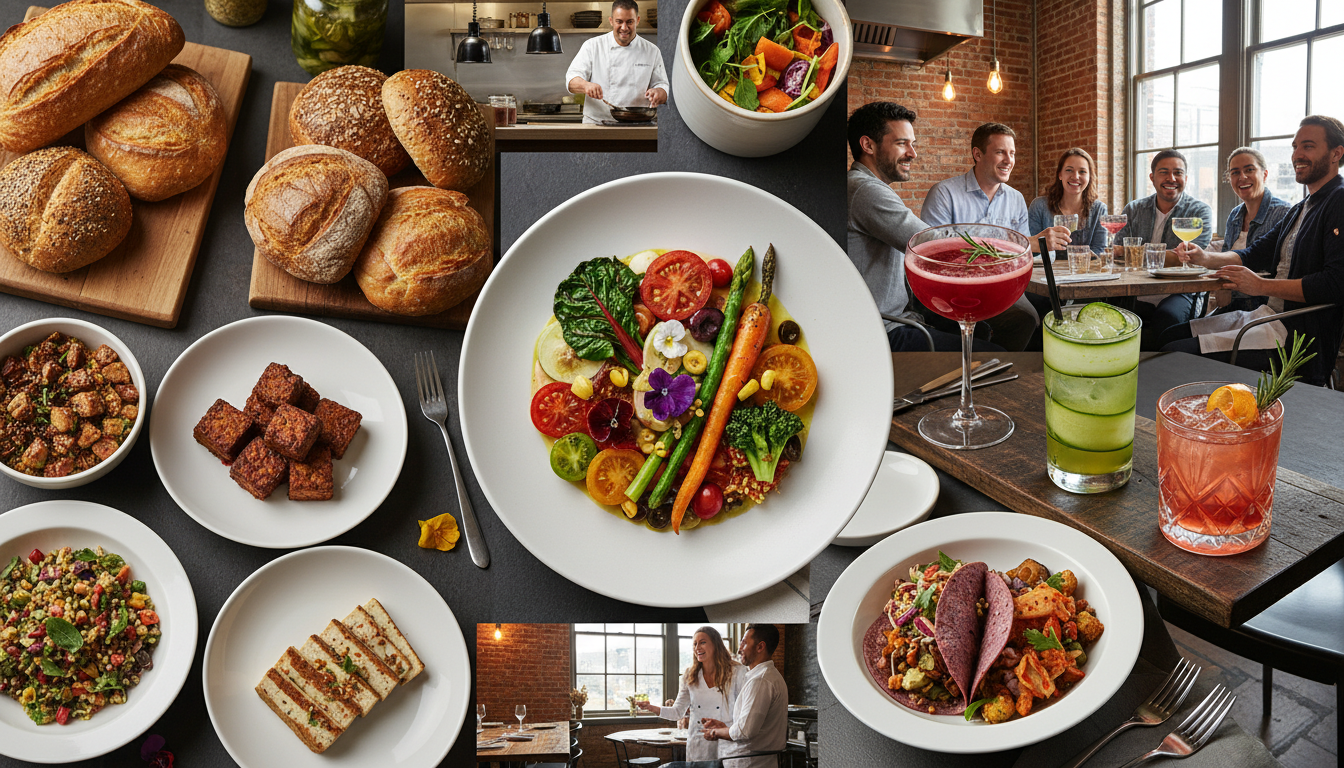


Are you curious about what’s currently trending in the U.S. dining scene? With the rise of social media, U.S. Dining Trends are emerging and evolving rapidly, leaving foodies eager to stay ahead of the curve.
The latest U.S. Dining Trends are all about protein-rich foods, sustainability, and experiential dining. From farm-to-table restaurants to interactive dining experiences, the American foodie culture is being shaped by a diverse range of culinary innovations.
As we explore these 15 irresistible U.S. Dining Trends, you’ll discover what’s hot and what’s not in the world of food. Whether you’re a seasoned foodie or just looking to spice up your dining routine, this article will provide you with the inside scoop on the latest trends that are making foodies happier than ever.
Key Takeaways
- Discover the top protein-rich foods trending in the U.S. and how they fit into the latest U.S. Dining Trends
- Learn how sustainability is shaping the dining scene
- Explore the rise of experiential dining and its impact
- Find out what’s hot and what’s not in the world of food
- Get the inside scoop on the latest U.S. Dining Trends making foodies happy
The Transformation of American Food Culture
American food culture is being reshaped by the influence of social media, changing dining preferences, and emerging U.S. Dining Trends. The way people experience and interact with food has undergone a significant transformation in recent years.
How Social Media Has Revolutionized Food Experiences
Social media platforms like Instagram and TikTok have become instrumental in shaping American foodie culture and amplifying new U.S. Dining Trends. With the rise of food influencers and bloggers, consumers are increasingly seeking out unique and visually appealing dining experiences that are shareable on social media. This has led to a surge in popularity of restaurants and eateries that offer Instagram-worthy dishes and ambiance.
The influence of social media on dining preferences cannot be overstated. Consumers are now more likely to try new restaurants and cuisines based on recommendations from social media influencers and friends, accelerating the spread of U.S. Dining Trends across the country.
The Growing Demand for Authentic and Unique Dining
As a result of social media’s influence, there is a growing demand for authentic and unique dining experiences. Consumers are seeking out restaurants that offer not only delicious food but also a distinctive atmosphere and character. This trend is driving innovation in the food industry, with restaurants incorporating unique themes, decor, and entertainment to attract customers.
The demand for food trends that are both authentic and unique is expected to continue, with consumers increasingly seeking out experiences that are memorable and shareable.
Farm-to-Table Movement
With a focus on freshness and sustainability, the farm-to-table movement is changing the U.S. dining landscape. This trend emphasizes the importance of locally sourced ingredients, reducing the carbon footprint associated with food transportation.
Trend 1: Hyper-Local Sourcing and Urban Farming
HHyper-local sourcing involves obtaining ingredients from local farms, often within a few miles of the restaurant. This approach not only ensures freshness but also supports the local economy and aligns with eco-conscious U.S. Dining Trends.
Notable Restaurants Leading This Movement
- The French Laundry in California, known for its commitment to local and seasonal ingredients.
- Blue Hill in New York, which sources ingredients from its own farm.
Consumer Benefits of Farm-Fresh Ingredients
Consumers benefit from farm-fresh ingredients through improved taste and nutritional value. A study on the nutritional benefits of locally sourced produce is summarized in the table below.
| Nutrient | Locally Sourced | Non-Locally Sourced |
|---|---|---|
| Vitamin C | High | Low |
| Antioxidants | High | Moderate |
Trend 2: Seasonal Menu Rotations
Seasonal menu rotations allow chefs to create dishes based on the freshest ingredients available during specific times of the year. This approach encourages creativity and variety in dining experiences and is now a hallmark of modern U.S. Dining Trends.
How Chefs Are Embracing Seasonal Creativity
Chefs are embracing seasonal creativity by incorporating seasonal specialties into their menus. For example, summer menus might feature fresh corn and heirloom tomatoes, while fall menus highlight squash, apples, and root vegetables.
Regional Seasonal Specialties Across America
Different regions in America have their unique seasonal specialties. For instance, the Northeast is known for its summer seafood, while the South is famous for its fall pecans. These local specialties add depth and diversity to U.S. Dining Trends nationwide.
Global Fusion and Cultural Celebration
Global flavors are taking center stage in American cuisine, driven by a desire for cultural celebration and culinary innovation. This trend, central to contemporary U.S. Dining Trends, is characterized by the blending of different culinary traditions, resulting in unique and exciting dining experiences.
Trend 3: Cross-Cultural Culinary Innovations
The fusion of different cuisines is creating new and innovative dishes. Some popular fusion combinations include:
- Korean-Mexican fusion, featuring dishes like Korean BBQ tacos
- Indian-Italian fusion, with curries and pasta combined in creative ways
- Japanese-Thai fusion, blending sushi with spicy Thai flavors
Popular Fusion Combinations Winning Hearts
These innovative fusion dishes are winning hearts by offering a fresh twist on traditional flavors. Chefs are experimenting with new ingredients and techniques, resulting in exciting and unexpected flavor combinations.
Chefs Breaking Cultural Boundaries
Chefs are playing a crucial role in cross-cultural culinary innovations. By embracing different culinary traditions and techniques, they are creating new and exciting dining experiences that celebrate cultural diversity.
Trend 4: Heritage Cooking and Cultural Preservation
In addition to cross-cultural innovations, there is also a trend towards heritage cooking and cultural preservation. This involves rediscovering traditional American recipes and preserving cultural culinary heritage, another important facet of U.S. Dining Trends.
Rediscovering Traditional American Recipes
Many chefs are revisiting traditional American recipes, updating them with modern twists and ingredients. This helps to preserve cultural heritage while also making it relevant to contemporary diners and compatible with evolving U.S. Dining Trends.
Immigrant Cuisines Gaining Mainstream Popularity
Cuisines brought to America by immigrant communities are gaining mainstream popularity. This not only celebrates the cultural diversity of America but also provides a platform for immigrant communities to share their culinary traditions, further diversifying U.S. Dining Trends.
Plant-Based Revolution
As consumers increasingly seek out plant-based options, the U.S. dining scene is undergoing a significant shift towards more sustainable and health-conscious eating. The plant-based revolution is one of the most visible U.S. Dining Trends today.
Trend 5: Elevated Vegetable-Forward Dining
Elevated vegetable-forward dining is at the forefront of the plant-based revolution, with vegetables taking center stage on menus across the country.
Vegetables as the Star of the Plate
Chefs are now focusing on showcasing vegetables in innovative and delicious ways, moving beyond traditional side dishes to create vibrant, vegetable-centric main courses. This redefinition of the plate is redefining U.S. Dining Trends toward more plant-focused eating.
Fine Dining’s Embrace of Plant-Based Menus
Even fine dining establishments are embracing plant-based menus, offering sophisticated and elegant dining experiences that cater to the growing demand for plant-based cuisine and adding a premium dimension to U.S. Dining Trends.
Trend 6: Innovative Plant-Based Protein Alternatives
In addition to vegetable-forward dining, the plant-based revolution is also driven by the development of innovative plant-based protein alternatives.
Beyond Imitation: Creating Unique Plant Proteins
The focus is shifting from mere imitation of meat products to creating entirely new and unique plant-based proteins that stand on their own merit. This creativity is reshaping U.S. Dining Trends around protein consumption.
How Restaurants Are Incorporating These Alternatives
Restaurants are incorporating these innovative plant-based proteins into their menus, offering customers a wider range of delicious and sustainable dining options.
| Trend | Description | Example |
|---|---|---|
| Elevated Vegetable-Forward Dining | Showcasing vegetables as main courses | Roasted vegetable tart |
| Innovative Plant-Based Protein Alternatives | Creating unique plant proteins | Mushroom-based “scallops” |
Artisanal and Craft Food Movement
The U.S. food scene is witnessing a significant shift with the rise of the artisanal and craft food movement. This trend is characterized by a focus on high-quality, unique, and often locally sourced products.
Trend 7: Small-Batch Food Production
Small-batch food production is gaining popularity, with consumers seeking out artisanal products that offer distinct flavors and textures. This trend is evident in several areas:
- Artisanal Breads and Pastries Renaissance: Bakeries are experiencing a resurgence, with artisanal breads and pastries becoming staples in many households.
- Handcrafted Condiments and Preserves: The demand for handcrafted condiments and preserves is on the rise, with consumers looking for unique flavor profiles to enhance their meals.
Trend 8: Craft Beverage Pairings
Craft beverage pairings are becoming increasingly popular, with consumers exploring beyond traditional wine pairings as part of evolving U.S. Dining Trends. Some key developments include:
- Beyond Wine: Cocktail, Beer, and Non-Alcoholic Pairings: Restaurants and bars are now offering craft cocktails, beers, and even non-alcoholic beverages as pairing options to complement meals.
- The Rise of Local Distilleries and Breweries: Local distilleries and breweries are on the rise, providing a diverse range of craft beverages that cater to various tastes and preferences.
The artisanal and craft food movement is not just a trend; it’s a reflection of consumers’ desire for authenticity and quality in their dining experiences and a powerful driver of contemporary U.S. Dining Trends. As this movement continues to grow, we can expect to see even more innovative and unique products emerge.
15 Irresistible U.S. Dining Trends Making Foodies Happier Than Ever

As we explore the latest U.S. Dining Trends, it’s clear that interactivity and exclusivity are at the forefront. The dining experience is no longer just about the food; it’s about the overall experience, from interactive elements to exclusive behind-the-scenes access.
Trend 9: Interactive Dining Experiences
nteractive dining is revolutionizing the way we experience food. Restaurants are now incorporating elements that allow diners to engage more actively with their meal, reinforcing the experiential side of U.S. Dining Trends.
Cook-Your-Own Concepts and Tableside Preparations
Cook-your-own concepts and tableside preparations are gaining popularity, allowing diners to be part of the cooking process. This trend not only enhances the dining experience but also adds an element of entertainment.
Food as Entertainment and Social Connection
Food has become a form of entertainment, with restaurants creating an atmosphere that encourages social connection among diners. This trend is about creating memorable experiences that go beyond just eating and is now a core part of modern U.S. Dining Trends.
Trend 10: Chef’s Table and Tasting Menus
Chef’s table and tasting menus offer an exclusive dining experience, giving foodies a glimpse into the culinary world of top chefs.
The Intimacy of Kitchen-Side Dining
Dining at the chef’s table provides an intimate setting where guests can watch their meal being prepared. This setup fosters a connection between the chef and the diner, enhancing the overall experience.
Multi-Course Journeys Through a Chef’s Vision
Tasting menus are curated by chefs to take diners on a culinary journey. Each course is carefully crafted to showcase the chef’s creativity and skill, making chef-driven tasting experiences one of the most coveted U.S. Dining Trends.
According to recent trends, “the art of dining is evolving into an immersive experience”, as noted by culinary experts. This shift is evident in the growing popularity of interactive and exclusive dining concepts.
| Trend | Description | Key Features |
|---|---|---|
| Interactive Dining | Engaging diners through active participation | Cook-your-own, tableside preparations |
| Chef’s Table | Exclusive behind-the-scenes dining experience | Intimate kitchen-side setting, tasting menus |
The rise of these trends indicates a shift towards more engaging and personalized dining experiences. As the U.S. Dining Trends landscape continues to evolve, it’s clear that interactivity and exclusivity will remain key drivers of innovation.
Experiential Dining Innovations
The U.S. dining scene is witnessing a significant shift towards experiential dining innovations, captivating foodies nationwide. This trend is driven by consumers’ increasing desire for unique and memorable experiences and sits at the center of forward-looking U.S. Dining Trends.
Trend 11: Pop-Up Restaurants and Limited-Time Concepts
Pop-up restaurants and limited-time concepts are gaining popularity, offering diners exclusive and novel experiences. These temporary dining experiences create a sense of urgency and excitement among consumers.
The Thrill of Exclusivity and Novelty
The allure of pop-up restaurants lies in their exclusivity and the novelty they bring to the dining scene. Diners are drawn to the unique offerings and the fear of missing out on a special experience—one of the most buzzworthy U.S. Dining Trends today.
How Pop-Ups Are Incubating New Restaurant Ideas
Pop-ups serve as a testing ground for new restaurant concepts, allowing chefs and restaurateurs to experiment with innovative ideas and gauge consumer response.
Trend 12: Themed and Immersive Dining
Themed and immersive dining experiences are becoming increasingly popular, transporting diners to new and imaginative worlds. These experiences engage multiple senses, creating a memorable and impactful encounter that typifies experiential U.S. Dining Trends.
Restaurants Creating Multi-Sensory Experiences
Restaurants are now focusing on crafting multi-sensory experiences that combine food, atmosphere, and entertainment. This approach enhances the overall dining experience, making it more engaging and enjoyable.
How Storytelling Enhances the Dining Experience
Storytelling plays a crucial role in themed dining, as it adds depth and context to the experience. By weaving narratives into their concepts, restaurants can create a more immersive and memorable experience for their patrons.
Technology and Modern Dining

Technology is revolutionizing the way Americans dine, making experiences more personalized and convenient. The dining landscape is evolving, with technology playing a crucial role in shaping consumer preferences and behaviors and driving digital-first U.S. Dining Trends.
Trend 13: Digital Ordering and Personalization
The rise of digital ordering systems has transformed the way consumers interact with restaurants. AI-powered menu recommendations are becoming increasingly popular, allowing restaurants to offer personalized dining experiences tailored to individual tastes.
AI-Powered Menu Recommendations
AI-driven systems analyze customer data to suggest menu items, enhancing the dining experience. This technology helps restaurants increase customer satisfaction and loyalty and is now a key part of tech-driven U.S. Dining Trends.
Contactless Service and Its Lasting Impact
The adoption of contactless service has accelerated, driven by consumer demand for convenience and safety. This trend is likely to continue, with many restaurants incorporating contactless payment options into their service models.
Trend 14: Virtual Cooking Classes and At-Home Experiences
Virtual cooking classes are gaining popularity, offering consumers the opportunity to engage with food in new and innovative ways. Restaurant meal kits and chef-led online tutorials are becoming increasingly popular, allowing consumers to cook at home while still experiencing the expertise of professional chefs.
Restaurant Meal Kits and Chef-Led Online Tutorials
Meal kits and online tutorials provide a unique dining experience, combining the convenience of home cooking with the expertise of restaurant chefs. This hybrid approach has become one of the most significant at-home U.S. Dining Trends.
Building Community Through Shared Virtual Dining
Virtual dining experiences are not only about cooking; they also foster a sense of community. Consumers can connect with others who share similar interests, creating a new dimension in the dining experience.
| Trend | Description | Impact |
|---|---|---|
| Digital Ordering and Personalization | AI-powered menu recommendations and contactless service | Enhanced customer experience and increased loyalty |
| Virtual Cooking Classes | Restaurant meal kits and chef-led online tutorials | New revenue streams for restaurants and increased consumer engagement |
Sustainability and Ethical Consumption
The trend towards sustainability and ethical consumption is transforming the way Americans dine out. As consumers become more environmentally conscious, restaurants are responding by adopting practices that reduce their ecological footprint.
Zero-Waste Restaurants and Circular Food Systems
One of the most significant trends in sustainable dining is the rise of zero-waste restaurants. These establishments are committed to minimizing food waste by creatively repurposing scraps and by-products.
Creative Uses for Food Scraps and By-Products
Restaurants are getting creative with food scraps, using them to make stocks, soups, and even desserts. This approach not only reduces waste but also adds unique flavors to dishes, supporting greener U.S. Dining Trends.
Reducing Environmental Impact Through Thoughtful Design
Thoughtful restaurant design is also playing a crucial role in reducing environmental impact. From energy-efficient equipment to sustainable decor, every aspect is being considered to minimize the carbon footprint.
The Future of Conscious Dining
The future of dining is not just about the food; it’s also about the values behind it. Transparent sourcing and supply chain visibility are becoming increasingly important to consumers and will continue to shape conscious U.S. Dining Trends.
Transparent Sourcing and Supply Chain Visibility
Consumers are demanding more information about where their food comes from. Restaurants are responding by being more transparent about their sourcing and supply chains.
How Diners Are Driving Demand for Ethical Practices
Diners are driving the demand for ethical practices by choosing restaurants that prioritize sustainability and ethical consumption. This shift is pushing the industry towards more responsible practices and firmly embedding ethics into mainstream U.S. Dining Trends.
Conclusion: Embracing America’s Dynamic Food Future
The 15 irresistible U.S. Dining Trends making foodies happier than ever are a testament to the ever-changing American food scene. From farm-to-table movements to experiential dining innovations, these popular dining choices are shaping the way we interact with food. As a result, the happiest foodies are enjoying a diverse range of culinary experiences that cater to their unique tastes and preferences.
The U.S. Dining Trends landscape is constantly evolving, with new trends and innovations emerging all the time. As consumers continue to drive demand for authentic, unique, and sustainable dining experiences, restaurants and food establishments are adapting to meet these expectations. Whether it’s through global fusion cuisine, plant-based revolution, or artisanal food movements, the future of U.S. dining looks bright and exciting.
As the American food scene continues to evolve, it will be exciting to see what’s next. One thing is certain – the dynamic nature of U.S. Dining Trends will continue to delight and surprise foodies, offering a world of flavors and experiences that cater to diverse tastes and preferences.
FAQ
What are the current U.S. dining trends?
The current U.S. Dining Trends include the farm-to-table movement, global fusion and cultural celebration, plant-based revolution, artisanal and craft food movement, interactive dining experiences, and experiential dining innovations.
How has social media impacted the U.S. dining scene?
Social media has revolutionized the way people experience and interact with food, with consumers seeking out unique and authentic dining experiences that are visually appealing and shareable, accelerating new U.S. Dining Trends.
What is the farm-to-table movement?
The farm-to-table movement is a trend that emphasizes the use of fresh, locally sourced ingredients, with consumers seeking out restaurants that source their ingredients from local farms and producers, a cornerstone of sustainable U.S. Dining Trends.
What are some popular global fusion and cultural celebration trends?
Some popular global fusion and cultural celebration trends within U.S. Dining Trends include cross-cultural culinary innovations, heritage cooking, and cultural preservation, with consumers seeking out new and exciting flavors.
What is the plant-based revolution?
The plant-based revolution is a trend that emphasizes the use of plant-based ingredients and alternatives to traditional animal-based products, with consumers seeking out elevated vegetable-forward dining and innovative plant-based protein alternatives as part of modern U.S. Dining Trends.
What are some examples of artisanal and craft food trends?
Some examples of artisanal and craft food trends include small-batch food production, craft beverage pairings, and handcrafted condiments and preserves, with consumers seeking out unique and high-quality products that define premium U.S. Dining Trends.
What are interactive dining experiences?
Interactive dining experiences include cook-your-own concepts, tableside preparations, and chef’s table and tasting menus, with consumers seeking out unique and memorable experiences that sit at the heart of experiential U.S. Dining Trends.
How is technology changing the U.S. dining scene?
Technology is changing the U.S. dining scene with digital ordering and personalization, virtual cooking classes, and at-home experiences, with consumers seeking out convenient and personalized experiences that redefine digital U.S. Dining Trends.
What is the importance of sustainability and ethical consumption in the U.S. dining scene?
Sustainability and ethical consumption are becoming increasingly important in the U.S. dining scene, with consumers seeking out environmentally friendly and responsible practices, such as zero-waste restaurants and circular food systems, key pillars of eco-conscious U.S. Dining Trends.
What is the future of conscious dining?
The future of conscious dining involves transparent sourcing and supply chain visibility, with consumers increasingly seeking out restaurants that prioritize sustainability and ethical consumption, ensuring that conscious U.S. Dining Trends continue to grow.