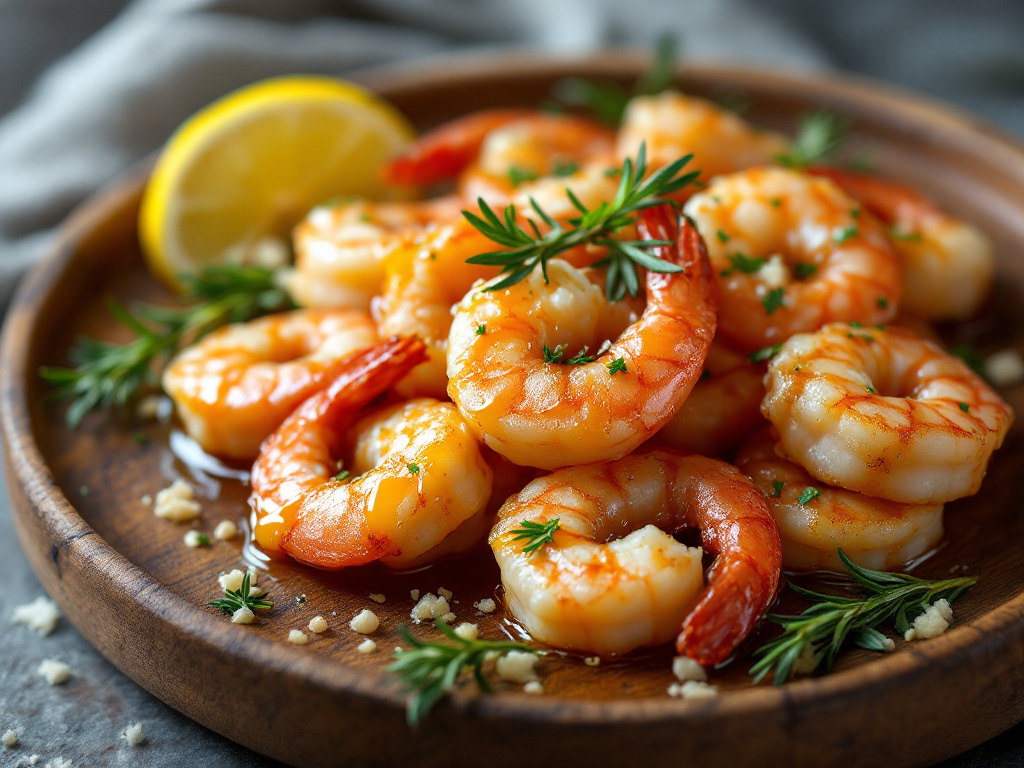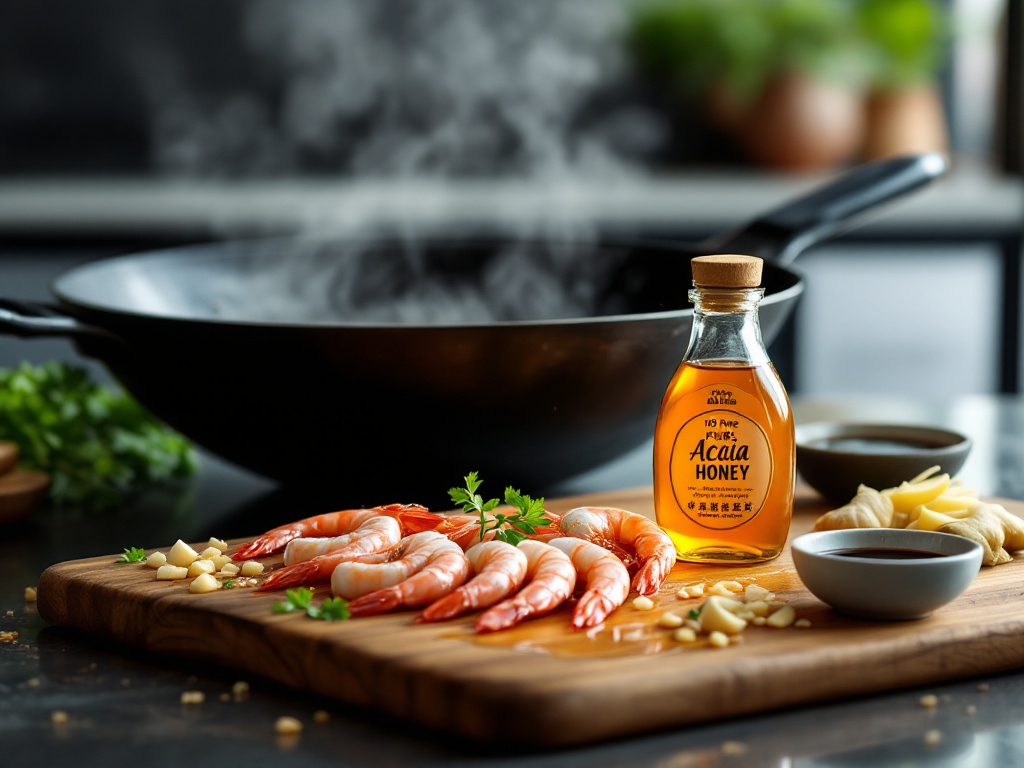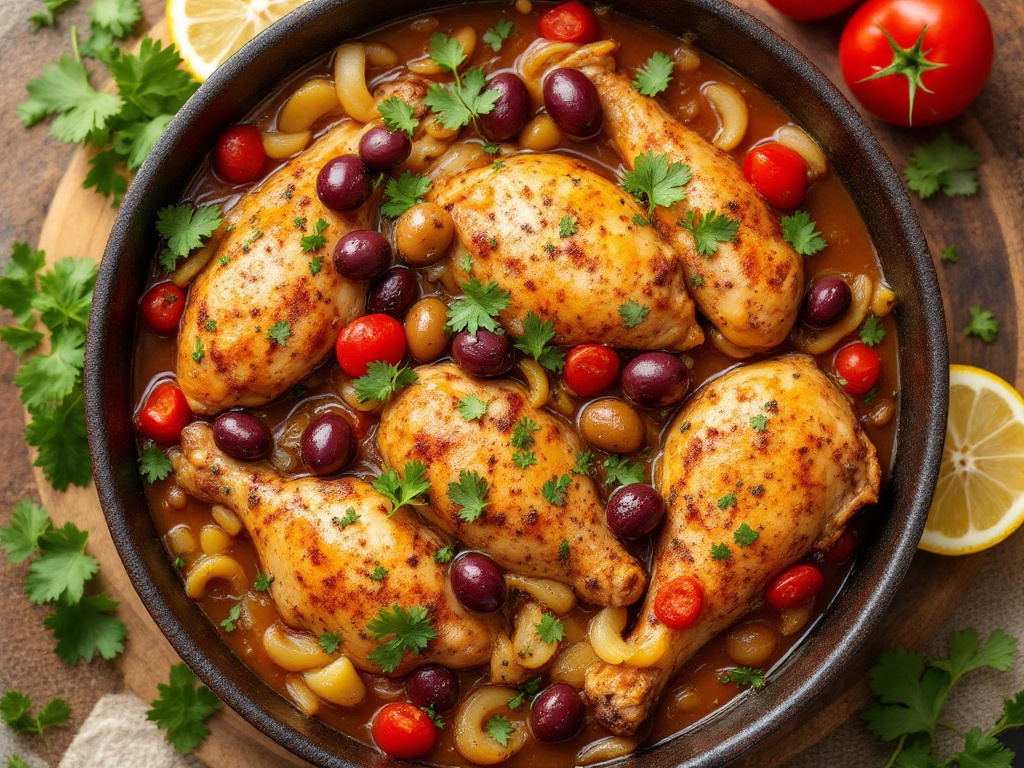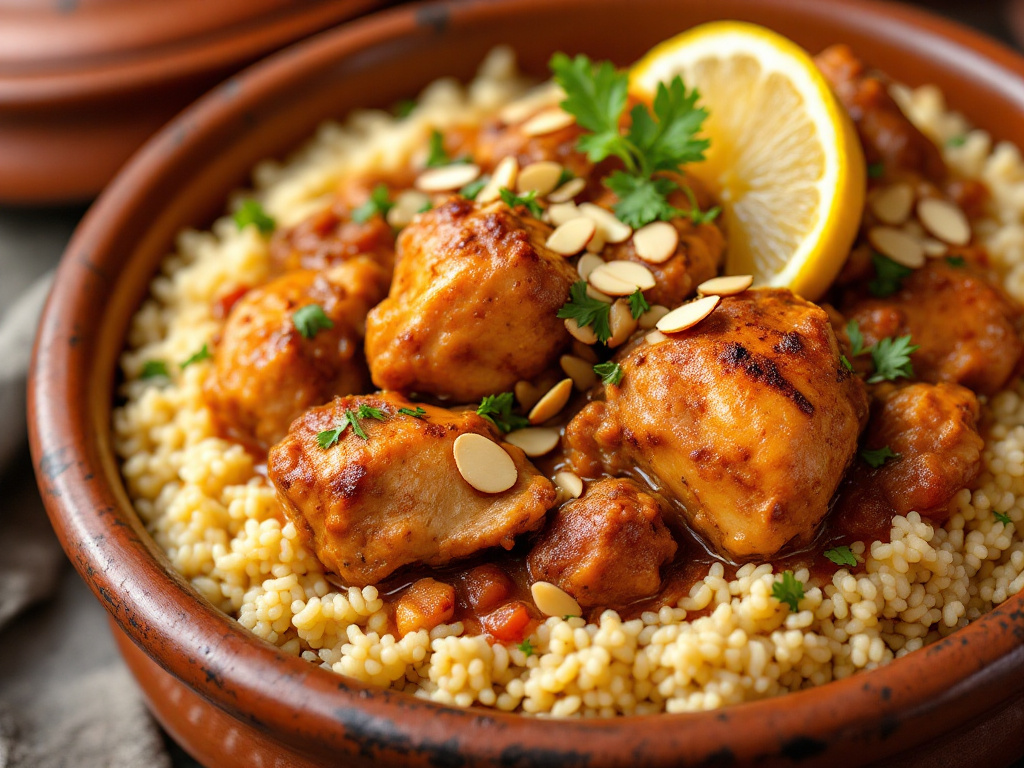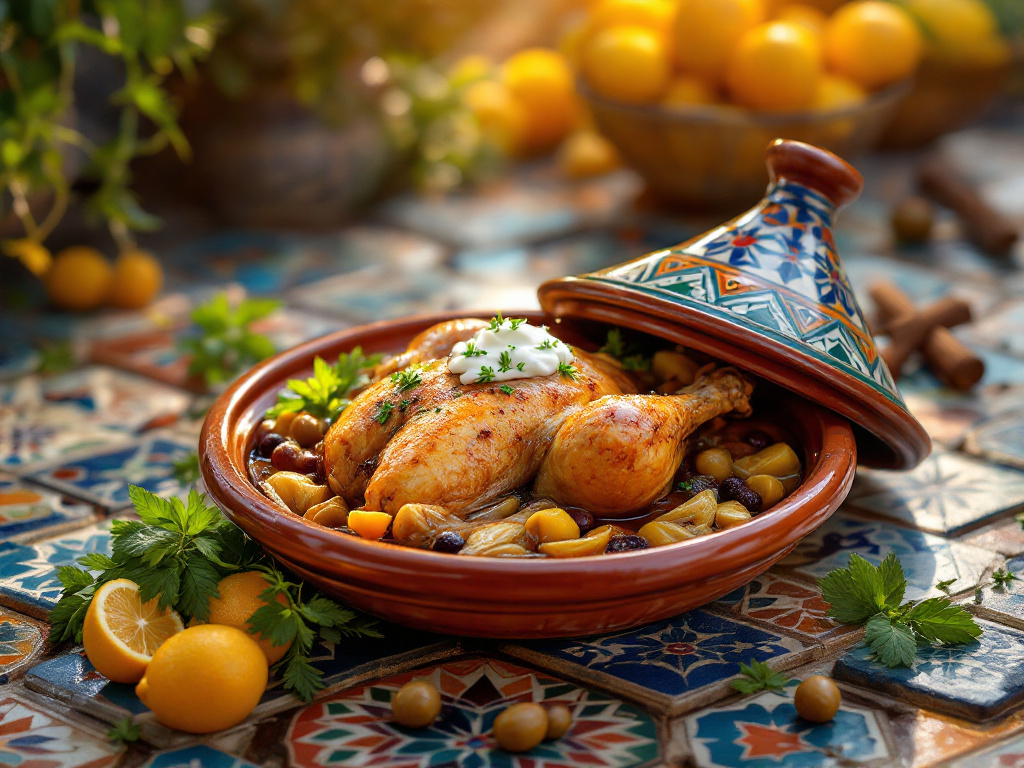
Chicken Rice Bowl How to Make the Perfect Weeknight Dinner in 30 Minutes

Have you ever wondered if you can create a super tasty dinner using just a few simple ingredients—and all in only 30 minutes? Imagine making a meal that is healthy, flavorful, and easy enough to prepare after a busy day at school or work. In this blog post, you will discover how to whip up a Chicken Rice Bowl that is not only delicious but also packed with goodness. Let’s dive in and explore everything you need to know about this quick weeknight dinner!

Overview

The Chicken Rice Bowl is a special recipe that brings together warm, juicy chicken, fluffy rice, and crisp veggies in one bowl. What makes this dish amazing is that it is:

  • Quick to Make: Ready in just 30 minutes—perfect for busy weeknights.
  • Healthy and Balanced: With lean protein from chicken, energy-boosting rice, and nutritious vegetables.
  • Easy to Prepare: Even if you are new to cooking, the steps are simple.
  • Versatile: You can change up the ingredients or sauces to suit your taste.

This recipe is designed with simplicity in mind, which means you don’t need a long list of fancy ingredients or any advanced cooking skills. Whether you are making dinner for yourself or feeding your family, this bowl gives you a complete meal that is both wholesome and satisfying.

Essential Ingredients

The secret to a perfect Chicken Rice Bowl starts with a few key ingredients. Let’s take a closer look at what you need and why each part matters:

  • Chicken:
    • Why It’s Important: Chicken is a great source of lean protein, which helps build strong muscles.
    • Substitutions: You can use turkey slices, tofu, or even chickpeas for a vegetarian twist.
  • Rice:
    • Why It’s Important: Rice forms the base of the bowl and gives you the energy you need. White rice is soft and comforting, while brown rice adds extra fiber.
    • Substitutions: Feel free to use quinoa, cauliflower rice (for a lower-carb option), or even barley for a nutty flavor.
  • Vegetables:
    • Why They’re Important: Veggies add crunch, color, and loads of vitamins. They balance out the protein and carbohydrates.
    • Common Choices: Bell peppers, broccoli, carrots, snap peas, or spinach.
    • Substitutions: Use any vegetables you have on hand like zucchini, green beans, or even a mix of salad greens for a lighter bowl.
  • Sauce/Marinade:
    • Why It’s Important: The sauce brings all the flavors together. A simple teriyaki or honey soy sauce can add a sweet and savory taste that complements the chicken and rice.
    • Substitutions/Variations: Try swapping with a spicy sriracha mayo, garlic butter, or a lemon herb dressing.
  • Sauce/Marinade
    • Salt and pepper help bring out the natural flavors.
    • Garlic, ginger, and fresh herbs like cilantro or basil can be added to enhance the taste.

Having these ingredients on hand means that when it’s time to cook, you have the perfect mix of protein, grains, and vegetables to build your bowl! Remember, one of the best parts about this recipe is that it welcomes experimentation—even if you only have a few ingredients available in your pantry.

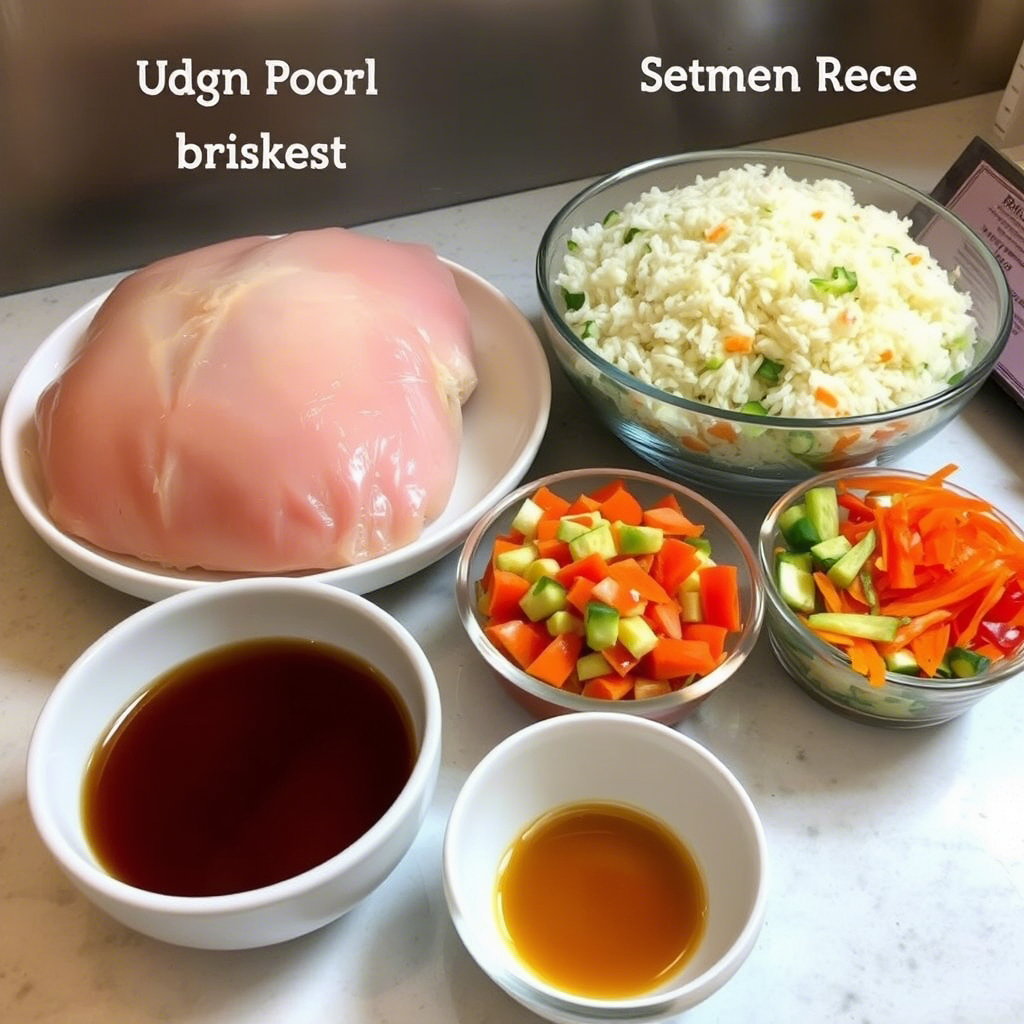
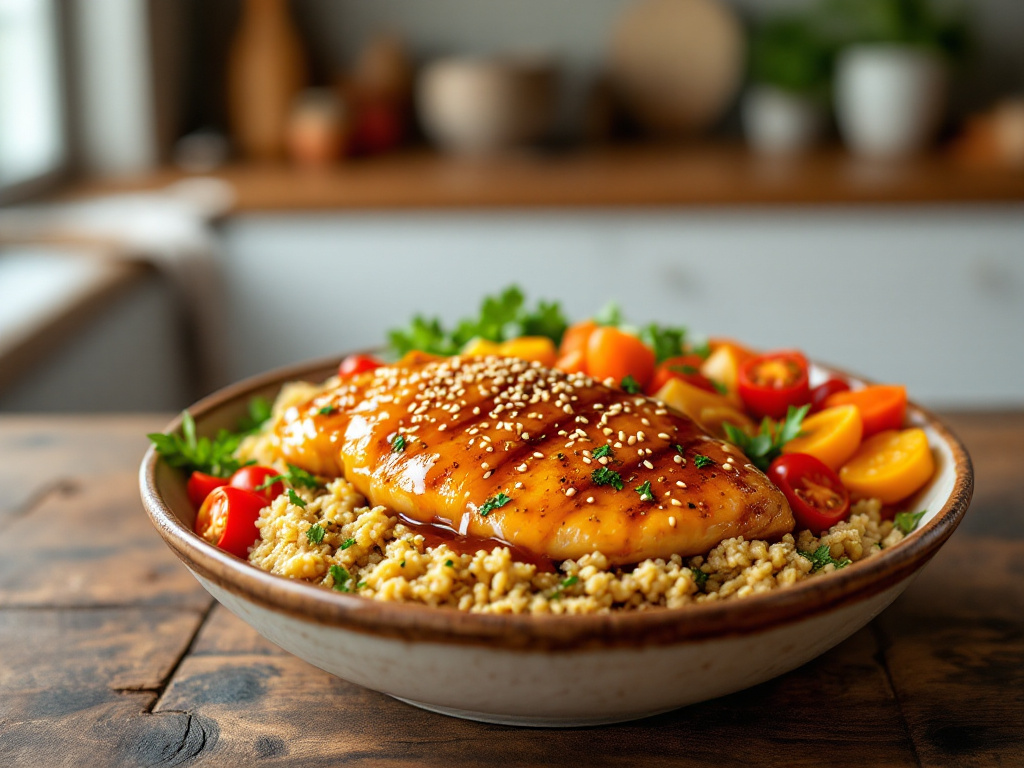
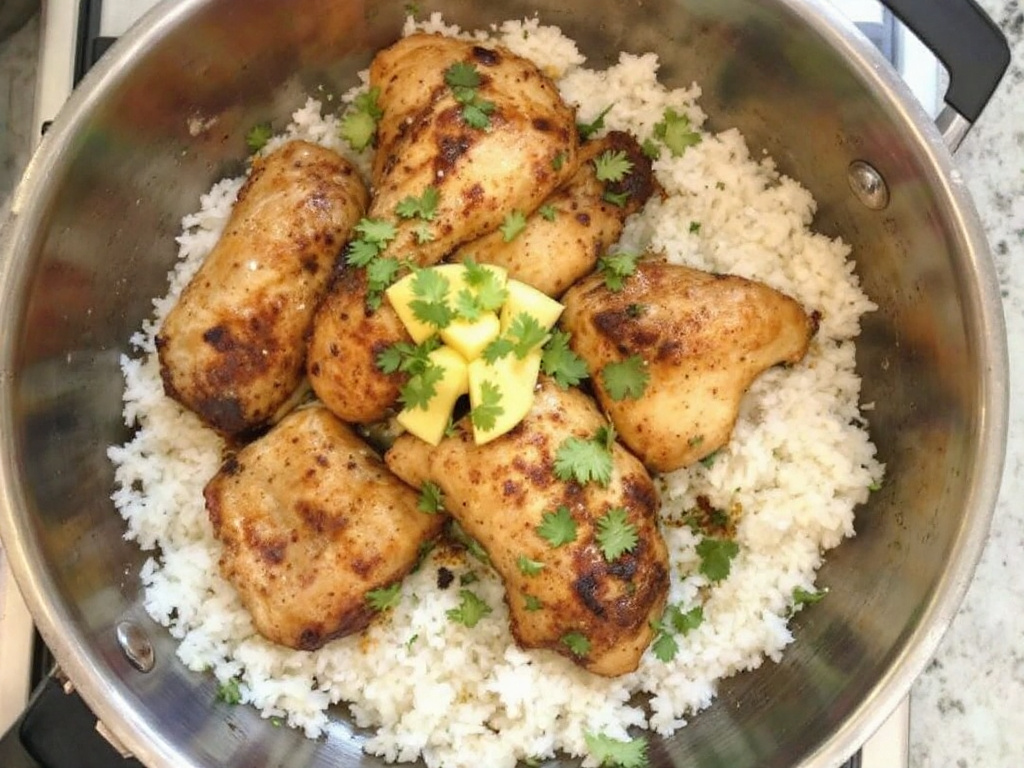
Preparing a delicious Chicken Rice Bowl with fresh ingredients and flavorful sauces.

Step-by-Step Instructions

Even if you are a beginner in the kitchen, these simple steps will help you prepare a fantastic Chicken Rice Bowl in no time!

Step 1: Gather Your Ingredients and Tools

Before you begin, make sure you have everything you need:

  • A cutting board and knife
  • A large frying pan or skillet
  • A pot or rice cooker for the rice
  • Measuring spoons and cups
  • Bowls for serving

Step 2: Prepare the Chicken

  1. Cut the Chicken:
    • Cut boneless, skinless chicken breasts or thighs into bite-sized pieces.
    • This helps the chicken cook evenly and quickly.
  2. Marinate (Optional but Recommended):
    • In a bowl, mix a little soy sauce, honey, minced garlic, and a splash of lemon juice or vinegar.
    • Toss the chicken pieces in the marinade and let them sit for about 10 minutes while you prep the rest of your ingredients.
    • Tip: If you’re short on time, you can skip the marinating step, but even a short soak in the sauce will help the flavors stick.

Step 3: Cook the Rice

  1. Measure the Rice:
    • Use about 1 cup of rice, which should be enough for 2 servings, and rinse it well under cool water.
  2. Cook:
    • Place the rice in a pot with 2 cups of water or use your rice cooker.
    • Bring to a boil, then cover and let it simmer on low heat until all the water is absorbed.
    • Tip: Brown rice may need a bit more water and time.

Step 4: Prepare the Vegetables

  1. Wash and Chop:
    • Wash your chosen vegetables. Chop them into bite-sized pieces. For example, slice bell peppers into strips, cut carrots into small rounds, and break broccoli into small florets.
  2. Cooking:
    • You can steam the vegetables for a few minutes until they are slightly soft yet still crunchy. Or, if you prefer a little char, toss them into a hot pan with a dash of oil for 3-5 minutes.
    • Tip: You can even leave some vegetables raw (like spinach or thinly sliced cucumbers) for extra crunch and freshness.

Step 5: Cook the Chicken

  1. Heat Your Pan:
    • Put a small amount of oil (like olive oil or vegetable oil) in your skillet. Heat it over medium-high heat.
  2. Cook the Chicken:
    • Add the marinated chicken pieces to the pan.
    • Cook for about 5-7 minutes, stirring occasionally, until the chicken turns golden brown and is cooked through. The inside should no longer be pink.
    • Tip: Do not overcrowd the pan; cook in batches if needed. This helps the chicken sear nicely instead of steaming.

Step 6: Mix in Additional Flavors

  1. Sauce It Up:
    • If you have extra marinade, pour it over the chicken during the last minute of cooking. This gives the chicken a shiny, sticky coat.
  2. Season Further:
    • Sprinkle a pinch of salt and pepper, or add extra garlic for a boost in flavor.

By following these clear steps, you should have perfectly cooked chicken, fluffy rice, and crisp vegetables ready to be turned into your Chicken Rice Bowl.

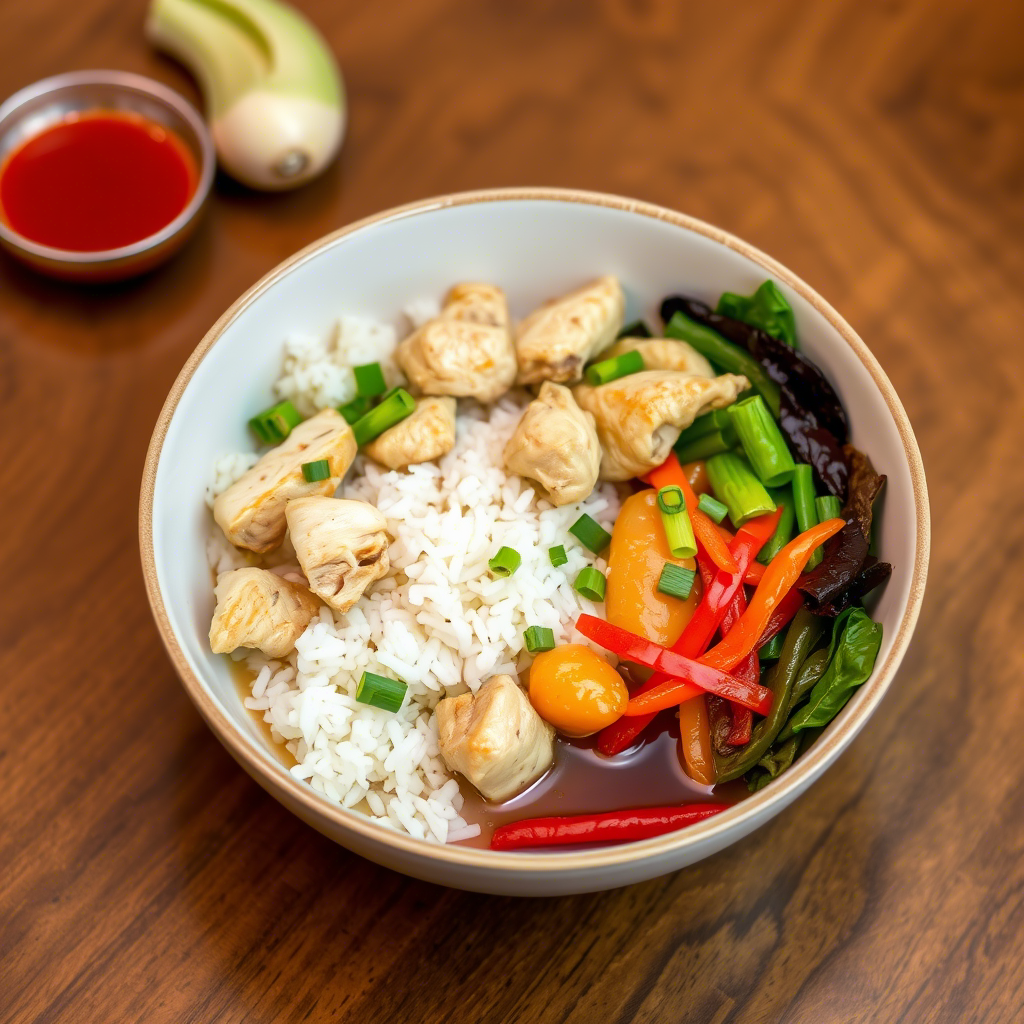
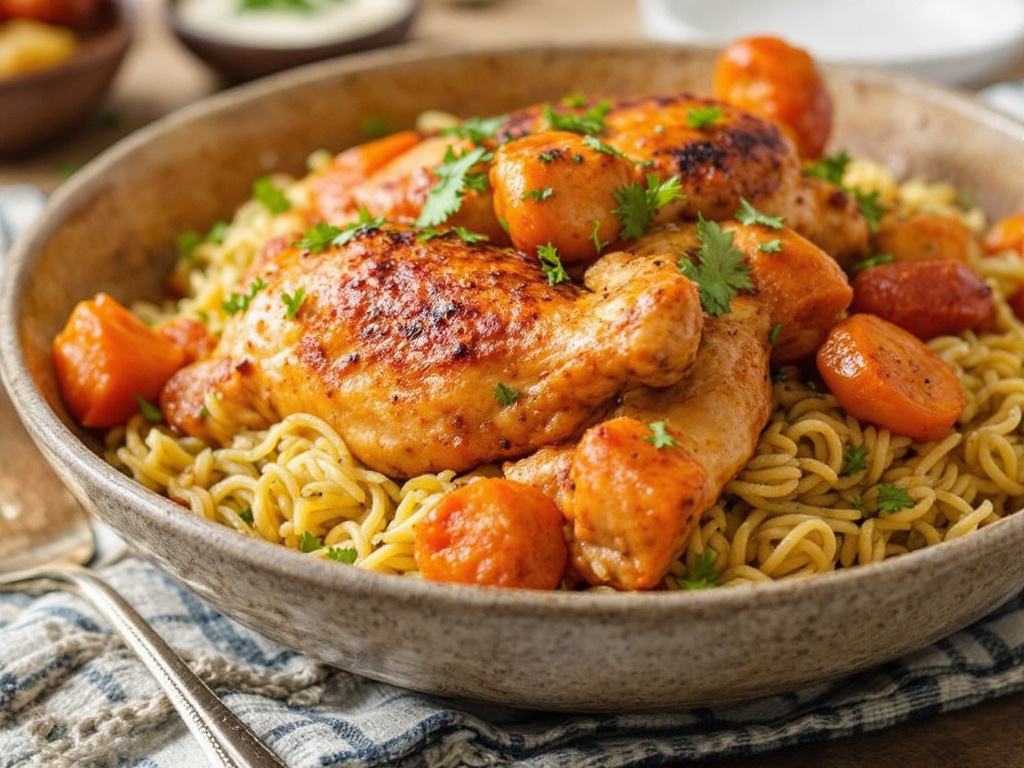
Preparing a delicious Chicken Rice Bowl with fresh ingredients and flavorful sauces.

Assembly

Now that all the components are ready, it’s time to put your bowl together! Assembly is fun and lets you be creative with how you layer your ingredients.

How to Build Your Chicken Rice Bowl

  1. Start with the Base:
    • Scoop a generous portion of rice into each bowl. The rice is the foundation and will soak up the flavors from the sauce and chicken.
  2. Add the Vegetables:
    • Arrange the cooked (or even raw) vegetables on one side of the bowl. You can place them on top of the rice or in a neat pile beside the chicken.
  3. Layer the Chicken:
    • Place the warm, cooked chicken over the rice. Make sure to drizzle any extra sauce from the pan over the chicken for more flavor.
  4. Garnish:
    • Top your bowl with a few fresh herbs like chopped cilantro or basil.
    • Add a sprinkle of sesame seeds, a squeeze of lemon, or even a drizzle of your favorite sauce (extra teriyaki, sriracha, or a garlic mayonnaise).

Simple Presentation Tips

  • Color Matters:
    Use vegetables of different colors to make your bowl look bright and inviting. Red bell peppers, green broccoli, and orange carrots not only taste good but also look beautiful.
  • Textures Count:
    Mix crunchy vegetables with soft rice and tender chicken to keep every bite interesting.
  • Sauce on the Side:
    Consider serving extra sauce in a small bowl. This lets everyone add as much flavor as they like.

Your Chicken Rice Bowl is now ready to be enjoyed! Each element is fresh, tasty, and nutritious—perfect for a weeknight dinner that is both healthy and fun.

Storage and Make-Ahead Tips

Sometimes you might make more than you can eat in one sitting, or you might want to prepare things ahead of time. Here are some simple tips for storing and reheating your Chicken Rice Bowl:

Storing Leftovers

  • Separate the Components:
    • Store the rice, chicken, and vegetables in separate airtight containers if possible.
    • This prevents the rice from becoming soggy and the vegetables from losing their crunch.
  • Refrigerate:
    • Keep your containers in the fridge for up to 3 days.
    • When you’re ready to eat, simply reheat each component separately in the microwave for 1-2 minutes or on the stovetop.

Make-Ahead Tips

  • Pre-Cook in Bulk:
    • You can cook a large batch of rice and chicken on the weekend.
    • Store them in the refrigerator and mix with fresh vegetables each night for a quick dinner.
  • Chop Ahead:
    • Wash and chop your vegetables in advance. Store them in water in the fridge to keep them crisp.
    • This way, you only need to warm up the rice and chicken when it’s time to eat.
  • Sauce on the Side:
    • Prepare your sauce and store it in a jar.
    • Drizzle it over your bowl when you’re ready to serve to keep flavors fresh.

Remember, keeping your components separate until serving can help maintain the freshness and texture of your meal.

Recipe Variations

While the classic Chicken Rice Bowl is a winner on its own, there are many fun ways to give it your own twist. Here are some tasty variations to try:

1. Spicy Chicken Rice Bowl

  • What to Change:
    • Add a teaspoon (or more) of sriracha or chili garlic sauce to your marinade.
    • Sprinkle red pepper flakes over the finished bowl.
  • Extra Kick:
    • Toss in some sliced jalapeños or chili peppers when you cook the vegetables.

2. Teriyaki Chicken Rice Bowl

  • What to Change:
    • Use a teriyaki marinade instead of the simple soy-honey mix.
    • Let the chicken marinate for at least 15 minutes to soak up the sweet and savory flavor.
  • Extra Sweetness:
    • Drizzle extra teriyaki sauce on top before serving.

3. Veggie or Tofu Rice Bowl

  • For Vegetarians:
    • Replace the chicken with tofu or your favorite beans (like chickpeas).
  • How to Prepare:
    • Press the tofu to remove any excess water, then cube and marinate it.
    • Pan-fry tofu until crispy on the edges.
  • Nutritional Boost:
    • Adding tofu or chickpeas keeps the bowl balanced with protein and fiber.

4. Rice Variations

  • Try Different Grains:
    • You can use brown rice for extra fiber.
    • Cauliflower rice makes a lower-carb, veggie-packed base.
    • Quinoa adds a nutty flavor and extra protein to the bowl.

5. Additional Toppings

  • Customize Your Bowl:
    • Add sliced avocado for creaminess.
    • Sprinkle with nuts like cashews or peanuts for an extra crunch.
    • Top with a poached egg to mix in creamy yolk when cut open.

Feel free to experiment with these variations. Changing one or two ingredients can give the dish an entirely new flavor profile, making each meal a fun new adventure.

Conclusion

The Chicken Rice Bowl is more than just a meal—it is a canvas for your creativity! In just 30 minutes, you can create a bowl full of tasty, healthy ingredients that will power you through any busy night. Remember, cooking is all about trying new things and making them your own. Experiment with different sauces, swap in your favorite vegetables, or add extra toppings to create a meal that is truly personal.

We hope this guide has shown you that a delicious weeknight dinner does not have to be complicated. With a few simple steps and basic ingredients, you can have a bowl that is nutritious, colorful, and bursting with flavor from start to finish. Next time you’re short on time or feeling hungry, give this Chicken Rice Bowl recipe a try—your taste buds (and your busy schedule) will thank you!

So, are you ready to make dinner both fun and fast? Gather your ingredients, follow these easy steps, and enjoy a meal that proves healthy food can be both simple and delightful. Happy cooking!

FAQs

1. How can I make sure my chicken stays juicy and tender?

  • Answer:
    • Marinating the chicken for at least 10 minutes helps lock in moisture and flavor.
    • Don’t overcrowd the pan when cooking; this lets the chicken sear rather than steam.
    • Cooking the chicken on medium-high heat ensures a nice, quick sear on the outside while keeping it tender inside.

2. Can I use different types of rice for the bowl?

  • Answer:
    • Yes! You can use white rice, brown rice, quinoa, or even cauliflower rice if you want a low-carb option.
    • Each type of rice offers slightly different textures and flavors, so feel free to try them all.

3. What if I am short on time? Can I prepare this meal ahead?

  • Answer:
    • Absolutely. You can cook the rice and chicken in advance, then store them in the fridge.
    • Chop your vegetables ahead and add them when you are ready to eat.
    • Keep your sauce in a separate container and drizzle on just before serving.

4. Is this meal healthy enough for a balanced diet?

  • Answer:
    • Yes. This bowl is balanced with lean protein from the chicken, healthy carbohydrates from the rice, and vitamins and fiber from the vegetables.
    • You can always add more greens or a side salad to boost the nutritional value.

5. How do I add more flavor if I prefer a bolder taste?

  • Answer:
    • Try adding extra garlic or ginger, a splash of lime or lemon juice, or a bit more of your favorite sauce.
    • Spices like red pepper flakes or paprika can give the dish a gentle kick without overpowering the main flavors.

6. Can I make a vegetarian version of this recipe?

  • Answer:
    • Yes! Simply replace the chicken with tofu, tempeh, or chickpeas.
    • Marinate the tofu or tempeh similarly to ensure it soaks up the flavors, and cook until nicely browned.

7. What are some good side dishes to serve with the Chicken Rice Bowl?

  • Answer:
    • A light salad or a bowl of miso soup works very well alongside the rice bowl.
    • You could also serve steamed dumplings or a small portion of fruit for dessert.

In the end, the Chicken Rice Bowl is the perfect example of how a few simple ingredients can come together to create a meal that is both healthy and satisfying. Whether you are a cooking newbie or an experienced chef looking for a quick dinner idea, this recipe is flexible and forgiving. Experiment with the flavors, swap in your favorite ingredients, and most importantly—enjoy the process of making something delicious in just 30 minutes.

Remember, cooking should be fun and stress-free. The next time your evening is packed with homework, work tasks, or family time, take a moment to prepare this bowl. It is sure to bring a smile with each bite. Happy cooking, and bon appétit!

We hope you enjoyed our detailed guide on creating the perfect weeknight Chicken Rice Bowl. Enjoy trying out different versions of the recipe and making it your own. Cooking has never been easier or more enjoyable. Give it a try tonight, and let your creativity shine in the kitchen!

Can Honey Chicken Bowles Be Healthier? 4 Tips You Need to Know Now

Introduction

Who doesn’t love Honey Chicken Bowles? This dish is a favorite for so many because it’s sweet, savory, and packed with flavor. Whether you’re enjoying it as a quick weeknight dinner or serving it up at a family gathering, Honey Chicken Bowles are always a hit. But here’s the thing—traditional recipes can be high in calories, sugar, and unhealthy fats. That’s why more people are looking for ways to make Honey Chicken Bowles healthier without losing that delicious taste.

The good news is, making your Honey Chicken Bowles healthier is easier than you think! In this article, we’ll share 4 simple tips to help you transform this classic dish into a guilt-free delight. From choosing better ingredients to using smarter cooking methods, these tricks will keep all the flavor while boosting the nutrition. Let’s dive in!

Why Healthier Honey Chicken Bowles Matter

A vibrant and nutritious Honey Chicken Bowl, featuring tender chicken glazed with honey, accompanied by colorful vegetables and wholesome grains, offering a healthier meal option.

Traditional Honey Chicken Bowles often come with some nutritional challenges. The sauce can be loaded with added sugars, and frying the chicken adds extra fat. While it tastes amazing, eating this dish too often might not be the best choice for your health. But does that mean you have to give it up entirely? Absolutely not!

Making healthier choices doesn’t mean sacrificing flavor. In fact, by tweaking a few things, you can enjoy all the goodness of Honey Chicken Bowles while feeling great about what you’re eating. Plus, healthier meals can leave you feeling energized and satisfied longer. So, let’s explore how to make this dish work for both your taste buds and your body.

Tip #1: Opt for Leaner Proteins

One of the easiest ways to make Honey Chicken Bowles healthier is to choose leaner proteins. Chicken breast is an excellent option because it’s low in fat but high in protein, which helps keep you full. If you prefer something different, consider turkey or even plant-based proteins like tofu for a vegetarian twist.

Here’s why switching to lean proteins matters:

  • Lower Fat Content: White meat cuts like chicken breast contain less saturated fat compared to darker meats.
  • Better Texture: Lean proteins cook evenly and stay juicy when prepared correctly.
  • Nutrient-Rich: They provide essential amino acids needed for muscle repair and growth.

When shopping for chicken, look for boneless, skinless breasts or thighs. These cuts are naturally lower in fat and perfect for stir-frying or baking. And don’t worry—you won’t miss out on flavor; seasoning and marinades can add tons of taste!

Tip #2: Use Natural Sweeteners Instead of Sugar

Another big issue with Honey Chicken Bowles is the amount of sugar in the sauce. Many store-bought sauces or homemade recipes rely heavily on refined sugar, which isn’t ideal for a healthy diet. The solution? Swap those sugary ingredients for natural sweeteners like honey, maple syrup, or agave nectar.

Here’s why natural sweeteners are better:

  • Less Processed: Unlike white sugar, natural sweeteners retain some of their original nutrients.
  • Rich Flavor: Options like honey bring depth and complexity to your sauce.
  • Health Benefits: Some sweeteners, like stevia or monk fruit, are calorie-free alternatives if you’re watching your weight.

To make your own healthy sauce, try mixing honey with soy sauce, garlic, ginger, and a splash of rice vinegar. This combination creates a rich, tangy flavor that pairs perfectly with your Honey Chicken Bowles. Not only will it taste incredible, but you’ll also feel good knowing you’re cutting back on unnecessary sugar.

Tip #3: Add More Vegetables for Nutritional Boost

Vegetables are nature’s superfoods, and they’re a fantastic way to boost the nutrition of your Honey Chicken Bowles. By adding more veggies, you increase the fiber, vitamins, and minerals in your meal—all while keeping it light and flavorful.

Some of the best vegetables to pair with Honey Chicken Bowles include:

  • Broccoli
  • Bell peppers
  • Carrots
  • Snap peas
  • Snow peas

Incorporating these veggies is simple. Just chop them into bite-sized pieces and toss them into your stir-fry during the last few minutes of cooking. Alternatively, roast them separately for a caramelized texture that complements the dish beautifully.

Not only do vegetables add color and crunch, but they also fill you up faster, reducing the need for larger portions of higher-calorie foods. It’s a win-win!

Tip #4: Cook Smart with Healthy Oils and Methods

Finally, let’s talk about cooking methods. Frying may give Honey Chicken Bowles that crispy exterior, but it also adds unnecessary fat. Instead, opt for healthier options like baking, grilling, or air-frying. These methods allow you to achieve similar results without compromising your health.

Here’s how to cook smart:

  • Use Healthy Oils: Replace vegetable oil with olive oil, avocado oil, or coconut oil. These oils are rich in heart-healthy fats.
  • Try Baking: Coat your chicken lightly in cornstarch before baking for a golden crust.
  • Air-Fry: Air fryers mimic the effect of frying with minimal oil, giving you crispy results every time.
  • Grill It Up: Grilling adds a smoky flavor that enhances the overall taste of your dish.

By switching to these techniques, you can enjoy the same satisfying crunch without the extra calories. Plus, your kitchen stays cleaner since there’s no splatter from frying!

Bonus: A Simple Recipe for Healthier Honey Chicken Bowles

Ready to put these tips into action? Here’s a quick recipe to get you started:

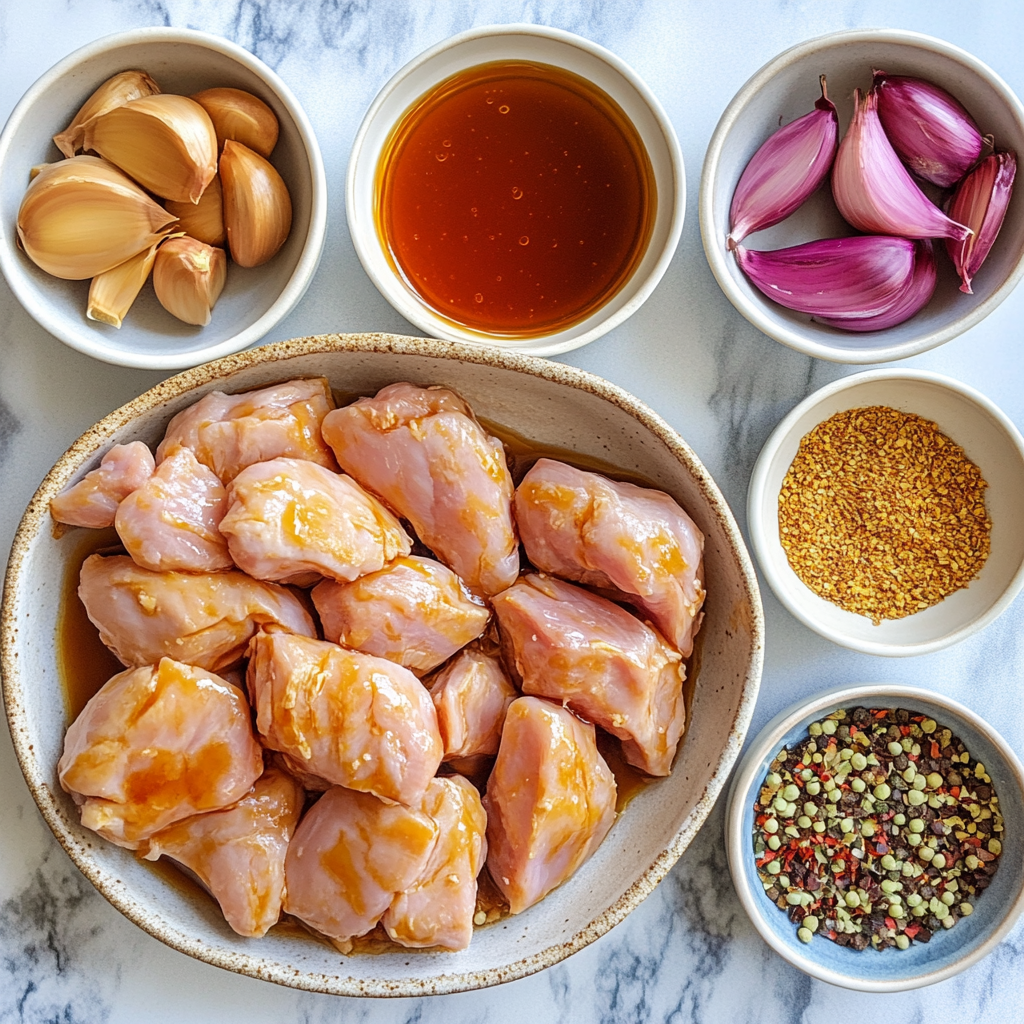
Fresh ingredients ready to create delicious Honey Chicken Bowles.

Ingredients:

  • Ingredients:
  • 1 lb boneless, skinless chicken breasts (cut into strips)
  • 1 tbsp olive oil
  • 2 cloves garlic (minced)
  • 1 tbsp grated ginger
  • 2 tbsp honey
  • 2 tbsp low-sodium soy sauce
  • 1 tbsp rice vinegar
  • 1/2 cup chopped broccoli florets
  • 1/2 cup sliced bell peppers
  • Cooked brown rice (for serving)

Instructions:

  1. Preheat your oven to 400°F (200°C). Line a baking sheet with parchment paper.
  2. Toss the chicken strips with a pinch of salt and pepper. Arrange them on the baking sheet and drizzle with olive oil. Bake for 15–20 minutes until cooked through.
  3. While the chicken bakes, prepare the sauce. In a small bowl, whisk together honey, soy sauce, rice vinegar, garlic, and ginger. Set aside.
  4. Heat a skillet over medium heat. Add broccoli and bell peppers, sautéing for 3–4 minutes until tender.
  5. Once the chicken is done, slice it into bite-sized pieces. Return it to the skillet with the veggies. Pour the sauce over everything and toss to combine.
  6. Serve hot over cooked brown rice. Enjoy your healthier Honey Chicken Bowles!

Conclusion

Making Honey Chicken Bowles healthier doesn’t have to be complicated. By opting for lean proteins, using natural sweeteners, adding more vegetables, and cooking smart, you can create a dish that satisfies your cravings while supporting your wellness goals. Give these tips a try and see how easy it is to upgrade your favorite recipe.

We’d love to hear your thoughts! Have you experimented with any of these ideas? Share your tips or ask questions in the comments below. Your feedback inspires us to create even more helpful content.

FAQs

  1. Can I freeze healthier Honey Chicken Bowles?
    Yes, you can freeze the cooked chicken and sauce separately for up to 3 months. Reheat in the microwave or oven when ready to eat.
  2. Are there gluten-free options?
    Absolutely! Use tamari instead of soy sauce and ensure your other ingredients are certified gluten-free.
  3. How long does it take to prepare this dish?
    This recipe takes about 30 minutes from start to finish, including prep and cooking time.
  4. What if I don’t have an air fryer?
    No problem! You can still bake or grill the chicken for equally delicious results.

Call to Action

Now it’s your turn! Try these tips and let us know how they worked for you. Did you discover a new favorite method or ingredient? Leave a comment and join the conversation. Don’t forget to subscribe to our blog for more healthy recipe ideas delivered straight to your inbox. Happy cooking!

Irresistible Chicken and Potatoes: The Ultimate 30-Minute Feast

Intriguing Question:

Ever thought cooking a tasty meal takes hours? Chicken and Potatoes, a favorite dish, can be ready in just 30 minutes. It’s quick, easy, and full of flavor!

Introduction

Chicken and Potatoes is a classic dish perfect for busy nights. It’s easy to make and tastes great. Plus, it’s ready in under 30 minutes. This recipe is simple, so you don’t need fancy skills or expensive ingredients. You’ll have a delicious, healthy dinner ready fast.

In a world brimming with fast food and takeout options, preparing your own dinner might seem like a luxury. However, nothing beats the comforting taste of home-cooked Chicken and Potatoes. Not only are these ingredients widely available and affordable, but they also pack a nutritional punch. Chicken provides lean protein essential for muscle repair and growth, while potatoes bring energy-boosting carbohydrates and fiber to the table. Together, they create a balanced meal that can be prepared in less than 30 minutes—making it the perfect option for a hectic weeknight.

This article lays out a comprehensive guide for preparing a mouthwatering Chicken and Potatoes dish. We’ll discuss why this recipe stands out among other quick meals, detail the simple steps needed, and sprinkle in handy tips and tricks to elevate the flavor. Additionally, you’ll find sections that cover common questions, nutritional benefits, and variations to suit your taste. Strap in and get ready to revolutionize your dinner routine!

Why Choose Chicken and Potatoes?

Convenience Meets Nutrition

Every busy cook knows that convenience is key. Chicken and Potatoes offer a blend of simplicity and nutritional value that’s hard to beat. With minimal prep time and common pantry staples, you’ll find this dish is not only delicious but also incredibly practical. The ease of preparation makes it ideal for unexpected guests or a simple family dinner after a long day.

Versatility in Flavor

One of the greatest benefits of this recipe is its adaptability. Whether you prefer a spicy kick, a herby aroma, or a creamy consistency, Chicken and Potatoes can be tailored to your palate. Use your favorite herbs and spices, add in a splash of lemon for brightness, or even transform it with a dash of smoked paprika. The versatility ensures that you can experiment until you have found your ideal version.

Budget-Friendly and Sustainable

In addition to being quick and easy, this dish is also budget-friendly. Chicken, when bought in bulk or on sale, is an excellent source of lean protein. Meanwhile, potatoes are economical and have a long shelf life, which makes them a kitchen staple. By choosing Chicken and Potatoes, you’re not only taking a step toward healthier eating but also making a responsible choice for your wallet and the environment.

Essential Ingredients

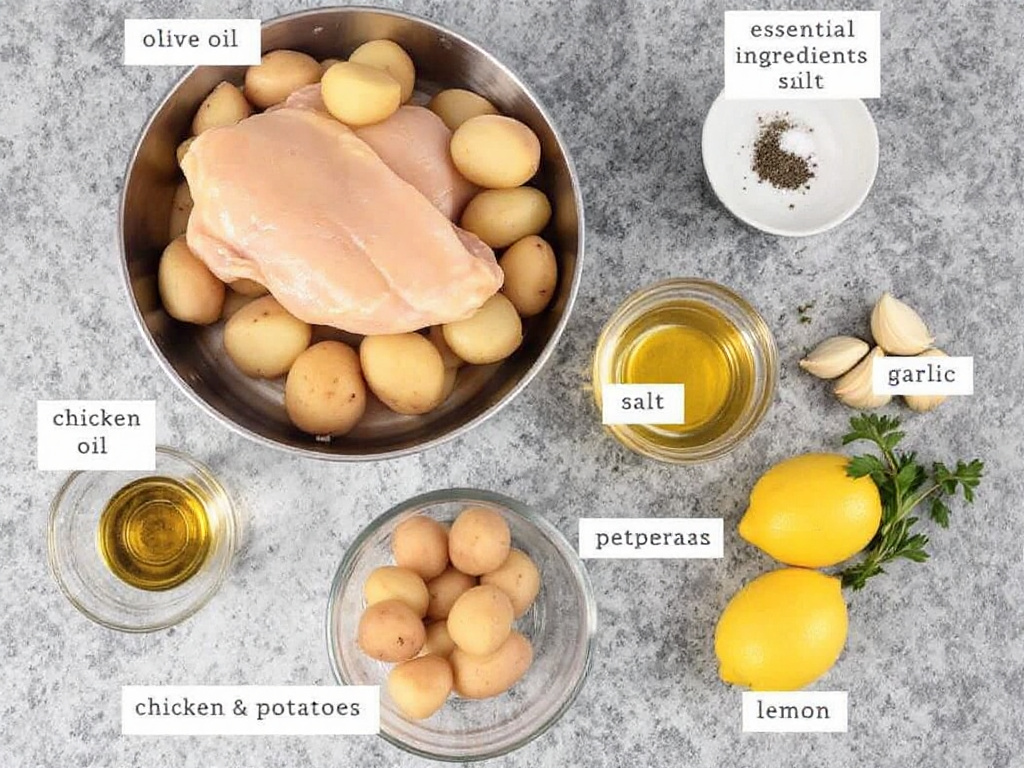
A vibrant display of essential ingredients for a classic Chicken and Potatoes recipe, featuring fresh chicken breasts, golden potatoes, aromatic herbs, and zesty lemon.

Here’s what you’ll need for this dish:

Key Components:

– Boneless, skinless chicken breasts or thighs (4 pieces) These are lean yet juicy, perfect for quick cooking. If you prefer dark meat, opt for thighs; they stay tender longer.

– Potatoes (4 medium-sized)** – Yukon Gold or red potatoes work best because they hold their shape while absorbing flavors.

– Olive oil (2 tablespoons): adds healthy fats and helps crisp up the outside.

– Garlic (3 cloves, minced): The secret weapon for adding depth of flavor.

– Onion (1 small, diced): sweetens the dish naturally.

– Herbs and spices: fresh rosemary, thyme, salt, pepper, paprika, and oregano bring everything together.

Substitutions and Variations:

– Swap chicken for turkey breast slices or even plant-based protein options like tofu or tempeh.

– Use sweet potatoes instead of regular ones for added sweetness and nutrition.

– Experiment with different seasonings, such as curry powder, chili flakes, or lemon zest.

Step-by-Step Instructions

Let’s break down how to create this mouthwatering dish step by step.

Prep Work (5 Minutes):

1. Preheat your oven to 400°F (200°C). Line a baking sheet with parchment paper for easy cleanup.

2. Wash and chop the potatoes into bite-sized chunks. Aim for uniform sizes so they cook evenly.

3. Pat the chicken dry with paper towels to ensure crispy results when roasted.

4. Mince the garlic and dice the onion for later use.

Cooking Process (20 Minutes):

1. Season the Chicken: Rub each piece of chicken generously with olive oil, then sprinkle with salt, pepper, and your choice of herbs. Press the seasoning onto the chicken to help it stick.

2. Roast the Potatoes: Toss the chopped potatoes with 1 tablespoon of olive oil, minced garlic, and a pinch of paprika. Spread them out in a single layer on the prepared baking sheet.

3. Add the Chicken: Place the seasoned chicken pieces on top of the potatoes, leaving enough space between them for airflow. This ensures both the chicken and potatoes roast evenly.

4. Bake: Pop the tray into the preheated oven and bake for 20 minutes. Flip the chicken halfway through to promote even browning.

5. Check Doneness: Use a meat thermometer to check if the internal temperature of the chicken reaches 165°F (74°C). If not, return it to the oven for a few more minutes.

Assembly and Presentation

Once your Chicken and Potatoes are cooked, here’s how to serve them beautifully:

1. Transfer the dish from the baking sheet to a large platter.

2. Garnish with fresh herbs like parsley or chives for color and freshness.

3. Serve alongside a side salad or steamed veggies for a balanced meal.

Tip: For extra flair, drizzle a little balsamic glaze over the chicken before serving.

Storage and Make-Ahead Tips

Storing Leftovers:

– Keep leftover Chicken and Potatoes in an airtight container in the fridge for up to 4 days.

– Reheat in the microwave or oven until hot. Add a splash of water or broth to keep it moist.

Make-Ahead Options:

– Chop potatoes and prep chicken the night before. Store them separately in the fridge until cooking time.

– Roast potatoes ahead of time. Reheat them with the chicken for a quick meal.

Recipe Variations

Customize this recipe to your liking:

Mediterranean Twist: Add sliced bell peppers, Kalamata olives, and feta cheese for a Greek twist.

Mexican Flair: Season with cumin, chili powder, and lime juice. Top with shredded cheese and avocado.

Asian Fusion: Marinate chicken in soy sauce, ginger, and honey before roasting. Serve with rice noodles or stir-fried greens.

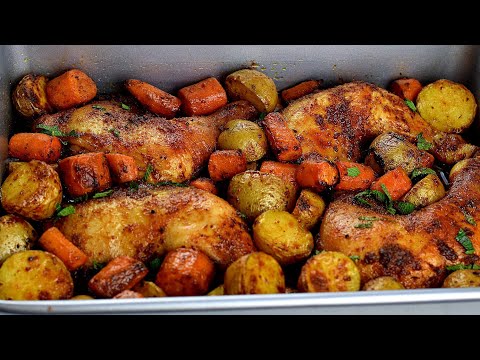
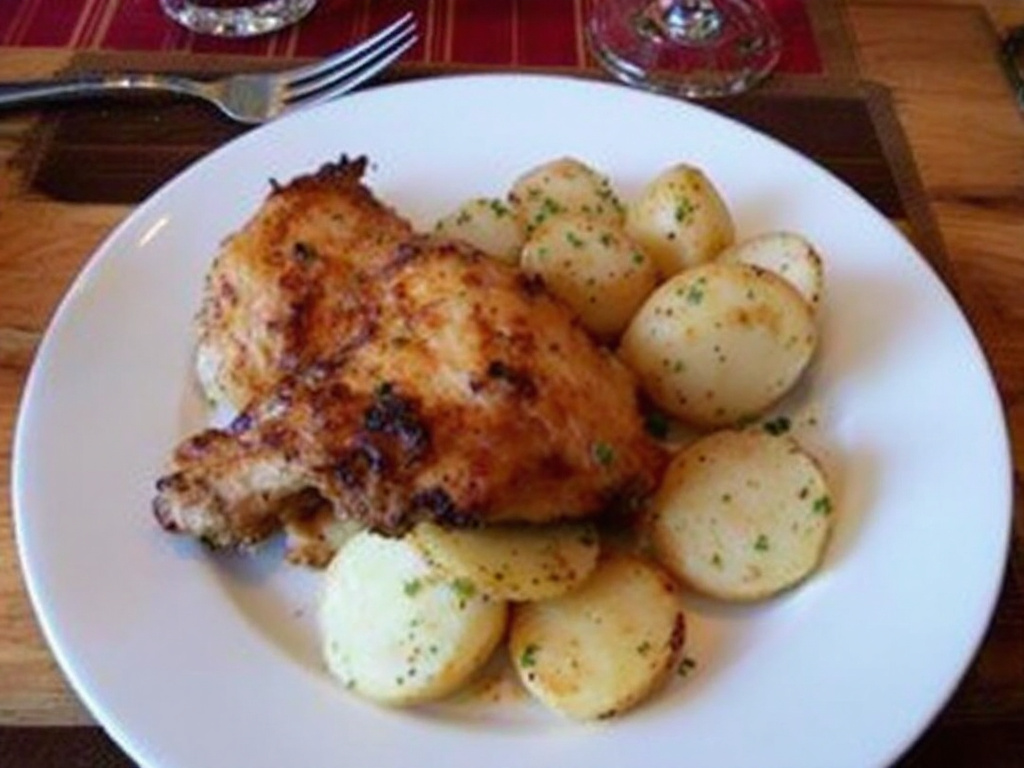
A comforting plate of Chicken and Potatoes, with succulent chicken and perfectly roasted potatoes, garnished with fresh herbs for a delightful meal.

Benefits of This Recipe

This Chicken and Potatoes recipe offers more than just convenience—it’s a powerhouse of health benefits too. Chicken is an excellent source of high-quality protein, which supports muscle growth and keeps you feeling full longer. Potatoes provide essential carbohydrates for energy, along with vitamins like Vitamin C and B6, plus potassium, which helps maintain healthy blood pressure levels.

By combining these two staples, you get a balanced meal that fuels your body while satisfying your taste buds. Plus, the use of herbs and spices adds antioxidants and anti-inflammatory properties, making this dish not only delicious but also nutritious. Whether you’re looking to boost your daily nutrient intake or simply enjoy a comforting meal, this recipe checks all the boxes!

Conclusion

In conclusion, our sensational Chicken and Potatoes recipe is not just quick and easy—it’s a nutritional powerhouse that delivers on flavor while saving you time. Designed for busy weeknights and packed with versatility, this dish proves that a healthy and satisfying home-cooked meal doesn’t need to take hours to prepare.

This recipe provides the perfect canvas for your culinary creativity. Its straightforward preparation means you can enjoy a complete meal in just 30 minutes without sacrificing taste or nutritional value. Whether you stick to the original mix of robust seasonings or experiment with your own blend of herbs, spices, and additional vegetables, the flexibility of this recipe invites you to make it uniquely yours. It’s an ideal choice for anyone looking to balance convenience with gourmet appeal.

By embracing this adaptable dish, you not only enjoy a harmonious blend of crispy potatoes and tender, juicy chicken but also open the door to endless flavor possibilities. Every tweak and adjustment reflects your personal style in the kitchen, turning an everyday meal into a delightful culinary adventure.

So go ahead—try it out, experiment fearlessly, and discover how this quick & nutritious recipe can become a beloved staple in your cooking repertoire. Happy cooking!

FAQs

Q: Is this recipe healthy?

A: Yes! Chicken is lean protein, and potatoes are complex carbs with fiber. Adding veggies and herbs makes it even healthier.

Q: Can I freeze this dish?

A: Yes, but texture might change. Freeze in freezer-safe bags for up to 3 months. Thaw in the fridge before reheating.

Q: Do I have to use boneless chicken?

A: No, bone-in chicken is fine if you want more flavor. Just cook it a bit longer.

Q: Can I cook this on the stovetop?

A: Definitely! Sear the chicken first, then simmer the potatoes and chicken together in a skillet.

Now you know how easy and delicious Chicken and Potatoes can be. No more excuses for not making homemade dinners. Enjoy!

How to Make the Best Chicken Pasta in Just 30 Minutes

Introduction:

Can You Really Whip Up a Restaurant-Quality Chicken Pasta Dish in Half an Hour?

If you’ve ever thought, “I don’t have time to cook something delicious,” we’re here to prove you wrong. Imagine this: A creamy, flavorful bowl of Chicken Pasta ready to serve in just 30 minutes. Sounds too good to be true, right? Well, it’s not! With a few simple ingredients and some smart cooking techniques, you can create a dish that tastes like it came straight from your favorite Italian restaurant—all while keeping things quick and stress-free.

In this blog post, we’ll walk you through everything you need to know about making the best Pasta. Whether you’re a beginner or a seasoned home cook, this recipe is designed to impress without overwhelming you. So grab your apron, and let’s get started!

Overview: What Makes This Recipe Special?

This Chicken Pasta recipe stands out because it’s fast, easy, and packed with flavor. It takes only 30 minutes from start to finish, making it perfect for busy weeknights when you want something comforting yet healthy. The difficulty level is beginner-friendly, so even if you’re new to cooking, you’ll feel confident tackling this dish.

What sets this recipe apart is its balance of simplicity and sophistication. You won’t need any fancy equipment or hard-to-find ingredients—just pantry staples and fresh produce. Plus, the versatility of Chicken Pasta means you can customize it to suit your taste buds or dietary preferences. Ready to dive in?

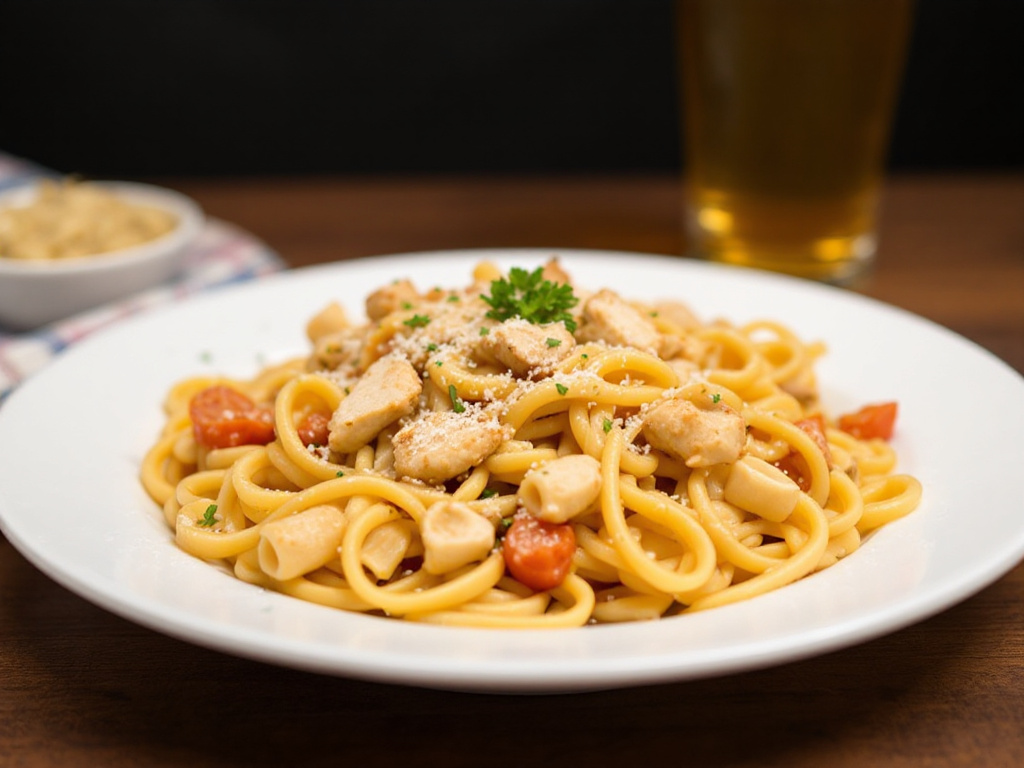
Gather these key ingredients to create a flavorful and satisfying Chicken Pasta dish.

Essential Ingredients: The Building Blocks of Flavor

Here’s what you’ll need to make this amazing Chicken Pasta:

1. Protein: Chicken Breast

  • Why it matters: Chicken breast is lean, tender, and absorbs marinades well, giving your pasta a rich flavor.
  • Substitutions: Swap chicken thighs for juicier results, or use tofu/tempeh for a vegetarian option.

2. Pasta

  • Why it matters: Pasta serves as the foundation of the dish. Choose shapes like penne, fettuccine, or spaghetti for different textures.
  • Substitutions: Gluten-free pasta works perfectly if you’re avoiding gluten.

3. Olive Oil

  • Why it matters: A drizzle of olive oil adds richness and helps sauté the chicken and veggies evenly.
  • Substitutions: Use avocado oil or butter for a richer taste.

4. Garlic and Onions

  • Why they matter: These aromatics add depth and fragrance to the dish.
  • Substitutions: Jarred minced garlic saves time, but fresh is always better.

5. Cream Sauce Base (Heavy Cream, Parmesan Cheese, Broth)

  • Why it matters: This trio creates a velvety sauce that coats every strand of pasta beautifully.
  • Substitutions: For a lighter version, try half-and-half or Greek yogurt mixed with broth.

6. Vegetables (Optional)

  • Why they matter: Veggies like spinach, mushrooms, or cherry tomatoes boost nutrition and color.
  • Substitutions: Frozen peas or roasted red peppers work wonders too.

7. Seasonings (Salt, Pepper, Italian Herbs)

  • Why they matter: Simple seasonings enhance all the flavors without overpowering them.

With these ingredients on hand, you’re ready to create magic in the kitchen!

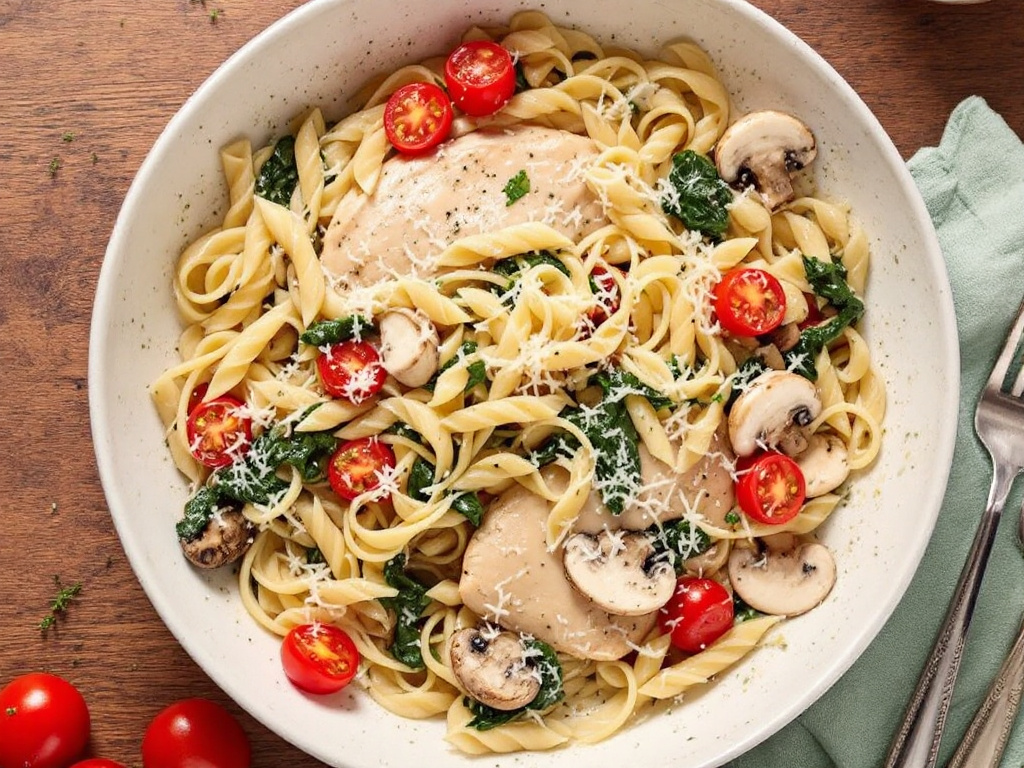
Enjoy a flavorful Chicken Pasta dish with tender chicken and perfectly cooked pasta.

Step-by-Step Instructions: Let’s Get Cooking!

Follow these steps to whip up your Chicken Pasta masterpiece:

Step 1: Prep Your Ingredients

  • Dice the chicken into bite-sized pieces.
  • Chop onions, mince garlic, and slice any vegetables you plan to include.
  • Measure out your cream, broth, and grated Parmesan cheese.

Pro Tip: Prepping everything beforehand (a technique called mise en place) ensures smooth sailing during cooking.

Step 2: Cook the Pasta

  • Bring a large pot of salted water to a boil.
  • Add your chosen pasta and cook according to package instructions until al dente.
  • Drain and set aside, reserving a small cup of pasta water for later.

Step 3: Sauté the Chicken

  • Heat olive oil in a skillet over medium-high heat.
  • Season the chicken with salt, pepper, and Italian herbs.
  • Cook for 5-7 minutes, flipping occasionally, until golden brown and cooked through. Remove and set aside.

Step 4: Soften the Aromatics

  • In the same skillet, add a bit more oil if needed.
  • Sauté onions until translucent, then toss in garlic for about 30 seconds until fragrant.

Step 5: Build the Sauce

  • Pour in heavy cream and chicken broth, stirring to combine.
  • Simmer for 2-3 minutes, allowing the sauce to thicken slightly.
  • Stir in grated Parmesan cheese until melted and smooth.

Step 6: Combine Everything

  • Return the cooked chicken to the skillet.
  • Toss in your drained pasta and mix thoroughly, adding reserved pasta water as needed to loosen the sauce.
  • Fold in spinach or other veggies for added freshness.

Assembly: Bringing It All Together

Once everything is combined, give your Chicken Pasta a final taste test and adjust seasoning as needed. To serve, sprinkle extra Parmesan cheese and chopped parsley on top for a pop of color and flavor. Garnish with a lemon wedge for brightness—it’s optional but highly recommended!

For presentation, consider serving family-style in a large bowl or plating individual portions with a side salad or crusty bread. Either way, your guests will be wowed by how beautiful and appetizing it looks.

Storage and Make-Ahead Tips

Leftovers happen, and that’s okay! Here’s how to handle them:

  • Refrigeration: Store leftover Chicken Pasta in an airtight container in the fridge for up to 3 days.
  • Reheating: Gently reheat in a skillet with a splash of milk or cream to restore creaminess. Avoid microwaving, which can dry out the dish.
  • Freezing: While sauces with dairy don’t freeze perfectly, you can freeze plain cooked chicken and pasta separately, then assemble fresh sauce later.

To save time, prep components ahead of time:

  • Marinate the chicken overnight.
  • Chop veggies and store them in the fridge.
  • Cook pasta earlier in the day and toss with olive oil to prevent sticking.

Recipe Variations: Get Creative!

Feel free to experiment with these fun twists:

  • Spicy Kick: Add red pepper flakes or diced jalapeños to the sauce.
  • Veggie-Packed Version: Load up on zucchini, bell peppers, or broccoli.
  • Seafood Swap: Replace chicken with shrimp or scallops for a seafood twist.
  • Low-Carb Option: Use zucchini noodles (“zoodles”) instead of traditional pasta.

The possibilities are endless, so don’t hesitate to make this recipe your own!

Health Benefits of Chicken Pasta

Chicken pasta can be a nutritious and balanced meal when prepared with wholesome ingredients. The dish provides a good source of lean protein from the chicken, which supports muscle repair, boosts metabolism, and keeps you feeling full longer.

When paired with whole-grain pasta, it delivers fiber that aids digestion and helps maintain stable blood sugar levels. Adding vegetables like spinach, mushrooms, or tomatoes not only enhances the flavor but also increases the dish’s vitamin and mineral content, contributing to overall health.

Additionally, using olive oil instead of heavier fats promotes heart health due to its monounsaturated fats. While creamy sauces should be enjoyed in moderation, opting for lighter alternatives like Greek yogurt or reduced-fat cream can make this comforting dish both delicious and health-conscious.

Conclusion: Time to Dive Into Your Delicious Creation

There you have it—the ultimate guide to making the best Chicken Pasta in just 30 minutes. This dish proves that you don’t need hours in the kitchen to enjoy a restaurant-quality meal. With its creamy sauce, tender chicken, and satisfying pasta, it’s sure to become a staple in your weekly rotation.

Now it’s your turn! Head to the kitchen, gather your ingredients, and give this recipe a try. Don’t forget to share your creations with friends and family—they’ll think you’re a culinary genius. Happy cooking!

FAQs:

Q: Is Chicken Pasta healthy?

A: Yes! By using lean chicken, whole-grain pasta, and plenty of veggies, you can keep this dish nutritious and balanced.

Q: Can I use dried herbs instead of fresh ones?

A: Absolutely! Use 1 teaspoon of dried herbs for every tablespoon of fresh herbs.

Q: How do I prevent my sauce from curdling?

A: Keep the heat low when adding dairy-based sauces, and avoid boiling vigorously.

Q: Can I double the recipe for a crowd?

A: Definitely! Just ensure your pan is large enough to accommodate the increased volume.

Q: What sides pair well with Chicken Pasta?

A: A crisp green salad, garlic bread, or steamed vegetables complement this dish beautifully.


We hope you enjoyed this guide to creating the best [Chicken Pasta] ever. Now go forth and conquer dinnertime—one delicious forkful at a time!

Ultimate Ground Beef Recipe: How to Make 7 Irresistibly Juicy Homemade Burgers in Minutes!

Introduction

Tired of dry burgers? This Ground Beef Recipe reveals 7 secrets for juicy homemade patties in minutes. Learn the tricks now! Have you ever pondered why some restaurant burgers seem so much juicier and more flavorful compared to those you whip up at home? Could it be a hidden ingredient, fancy equipment, or perhaps a touch of culinary magic? The reality might not be as mysterious as you think—it’s all about mastering the techniques and understanding how to properly handle your ground beef. Today, we’re going to explore this Ground Beef Recipe that will enable you to craft restaurant-quality, juicy burgers right in your own kitchen. Are you ready to discover the secrets of this Ground Beef Recipe?

Ground Beef Recipe: How to Make 7 Juicy Homemade Burgers in Minutes

Overview

This Ground Beef Recipe is not just another burger recipe; it’s a guide to crafting seven perfectly juicy homemade burgers in under thirty minutes. What makes this Ground Beef Recipe stand out is its simplicity, speed, and guaranteed results. Whether you’re grilling outdoors or cooking indoors on the stovetop, these burgers promise to be tender, flavorful, and packed with personality. With minimal effort and common ingredients, even beginners can master this Ground Beef Recipe.

The preparation time for this recipe is approximately 15 minutes, with an additional 10-12 minutes of cooking time per batch. The difficulty level is beginner-friendly, making it perfect for anyone looking to elevate their dinner game without breaking a sweat.

Essential Ingredients

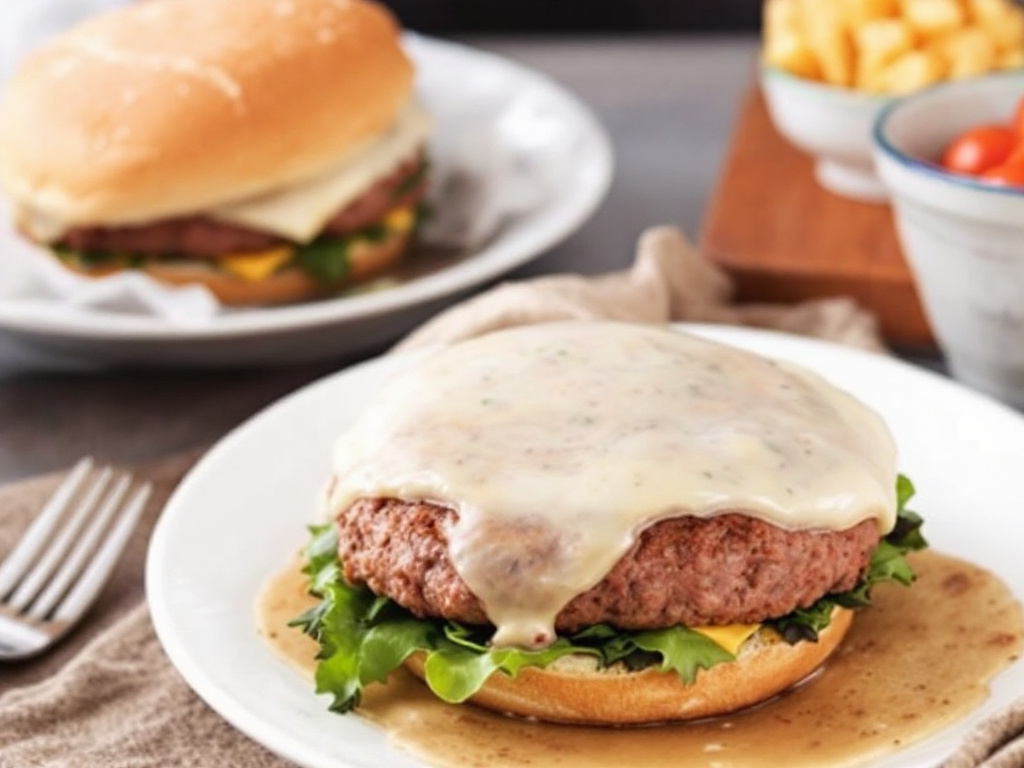
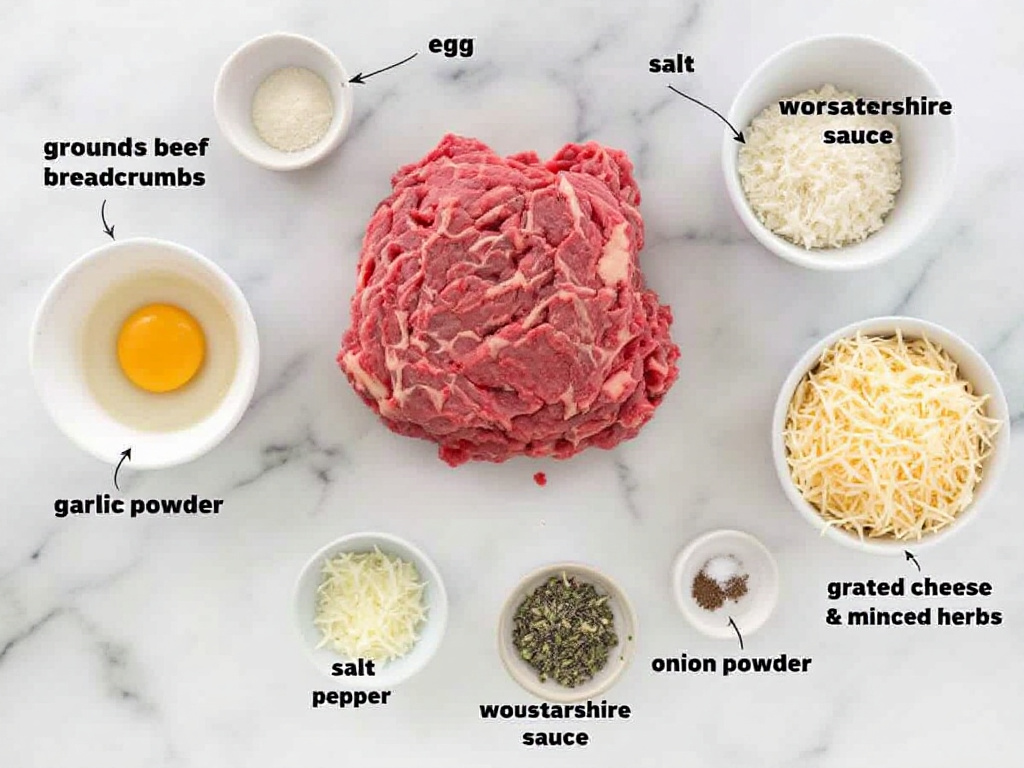
Gather your key ingredients for the perfect Ground Beef Recipe.

To create these mouthwatering burgers using this Ground Beef Recipe, you’ll need the following key ingredients:

  • Ground Beef (80/20 blend): This ratio ensures enough fat content to keep your patties moist and flavorful [[5]].
  • Egg: Acts as a binder, helping the patty hold together during cooking.
  • Breadcrumbs: Adds texture and prevents the meat from becoming too dense.
  • Worcestershire Sauce: Enhances flavor by adding depth and umami notes.
  • Salt & Pepper: Basic seasonings that bring out the natural flavors of the beef.
  • Optional Add-ins: Garlic powder, onion powder, grated cheese, or minced herbs like parsley or thyme.

For substitutions, consider using turkey or chicken instead of beef if you prefer leaner options, though they may require adjustments to maintain juiciness. Vegetarian alternatives such as plant-based meats or mashed black beans can also work well when paired with similar spices and binders.

Step-by-Step Instructions

Let’s break down the process step by step so you can achieve those delicious results every time with this Ground Beef Recipe.

  1. Preparation:
  • Begin by gathering all your ingredients and preheating your grill or skillet over medium-high heat.
  • In a large mixing bowl, combine 2 pounds of ground beef with one egg, two tablespoons of breadcrumbs, three tablespoons of Worcestershire sauce, and a generous pinch of salt and pepper [9].
  1. Mixing:
  • Gently mix everything together using clean hands until just combined. Avoid overworking the mixture, as this can lead to tough patties [[10]].
  1. Forming Patties:
  • Divide the mixture into seven equal portions and shape them into patties slightly larger than your buns since they will shrink while cooking.
  • Use your thumb to press a shallow dimple in the center of each patty to prevent puffing up during cooking [4].
  1. Cooking:
  • Place the patties on the preheated grill or skillet and cook for about four minutes on each side for medium doneness. Adjust timing based on desired level of doneness.
  • During the last minute of cooking, top each patty with a slice of cheese if desired, allowing it to melt before removing from heat.

Assembly

Now comes the fun part—building your burger masterpiece! Start with a toasted bun and layer your favorite toppings such as lettuce, tomato slices, pickles, onions, and condiments like ketchup, mustard, or mayonnaise. Remember, presentation matters! Arrange your ingredients neatly for visual appeal and balanced bites.

Tips for Presentation:

  • Alternate colors and textures for added interest.
  • Keep sauces light to avoid soggy buns.
  • Experiment with unique combinations, like caramelized onions or grilled pineapple, for extra flair.

Storage and Make-Ahead Tips

If you want to prepare ahead of time, uncooked patties can be refrigerated for up to 24 hours or frozen for longer storage. Simply wrap individually in plastic wrap and place in an airtight container or freezer bag. When ready to cook, thaw overnight in the refrigerator or use directly from frozen with extended cooking times.

Reheating cooked burgers is best done in a skillet over low heat or microwave briefly to preserve moisture and flavor.

Recipe Variations

Feel free to customize this Ground Beef Recipe according to your taste preferences:

  • Add finely chopped jalapeños for a spicy kick.
  • Incorporate blue cheese crumbles for a rich tangy flavor.
  • Swap traditional buns for lettuce wraps for a low-carb option.
  • Try different proteins like lamb or pork for varied tastes.

Conclusion

There you have it—a foolproof Ground Beef Recipe for creating seven irresistibly juicy homemade burgers in record time. Don’t be afraid to experiment with flavors and techniques to make these burgers uniquely yours. Whether hosting a backyard barbecue or enjoying a quiet evening at home, these burgers are sure to satisfy any craving. So fire up that grill, gather your friends and family, and enjoy the fruits of your culinary labor!

FAQs

Q: Can I use lean ground beef for this recipe?
A: While possible, lean ground beef tends to produce drier burgers due to less fat content. Opt for an 80/20 blend for optimal juiciness [5].

Q: Are there any health benefits associated with eating burgers made from this recipe?
A: Using high-quality ingredients and moderating portion sizes can make burgers part of a balanced diet. Leaner cuts reduce saturated fats, while fresh veggies add vitamins and fiber.

Q: How long do cooked burgers stay fresh in the fridge?
A: Cooked burgers should remain safe to eat for three to four days when stored properly in an airtight container in the refrigerator [10]. Always check for signs of spoilage before consuming.

Certainly! Here are three additional FAQs related to the “Ground Beef Recipe How to Make 7 Juicy Homemade Burgers in Minutes”:

Q: Can I use ground beef with different fat percentages for this recipe?
A: Absolutely! While an 80/20 blend is recommended for its juiciness [[4]], you can opt for leaner ground beef such as 90/10 if you’re looking for a healthier option. Just be aware that leaner blends may result in less juicy burgers, so consider adding a bit more binder like breadcrumbs or cheese to retain moisture.

Q: How do I know when my burgers are cooked safely without overcooking them?
A: To ensure your burgers are cooked properly, use a meat thermometer to check the internal temperature. For medium doneness, the temperature should reach 160°F (71°C). Avoid pressing down on the patties while they cook, as this can squeeze out juices and lead to dry burgers [5].

Q: Is it possible to prepare the burger patties ahead of time and cook them later?
A: Yes, preparing burger patties in advance is convenient for planning meals. You can refrigerate formed patties for up to 24 hours or freeze them for longer storage. When ready to cook, simply take them out and let thaw in the refrigerator before grilling or frying. This way, you can enjoy fresh-tasting burgers even when prepping beforehand [[6]].

Sensational Lemon Fish with Capers: 5 Irresistible Steps to a Mouthwatering Delight”

Lemon Fish with Capers is your gateway to exploring vibrant Mediterranean flavors right in your own kitchen. From the tang of freshly squeezed lemon to the briny pop of capers, every element contributes to a dish that balances bright acidity with delicate, comforting textures. Whether you’re an experienced chef or just starting your culinary journey, this elegant entrée will spark your creativity and enthusiasm every time you step up to the stove.

Cooking at home is not just about eating well—it’s also about nurturing a sense of fulfillment and connection to the food on your plate. By selecting high-quality, simple ingredients, you can transform what might be a standard weeknight dinner into a truly memorable experience. And that’s exactly what you’ll get with this recipe: the opportunity to enjoy succulent fish, bold seasonings, and a burst of fresh lemon that ties everything together.

Lemon Fish with Capers: Welcome to My Kitchen

A beautifully plated lemon fish dish garnished with capers, exuding a zesty and irresistible appeal.

Today, I’m thrilled to introduce you to a dish that masterfully unites the tang of zesty lemon with the savory kick of briny capers, all wrapped around the tender, succulent flesh of fresh fish. There’s something magical about the way Mediterranean-inspired flavors complement each other, especially when combined with a bit of creativity and care. Have you ever noticed how just a sprinkle of capers or the perfect squeeze of lemon can elevate your meal from tasty to unforgettable?

In my own cooking journey, I’ve learned that the best dishes often rely on quality rather than complexity. Simple, premium ingredients—like extra virgin olive oil, freshly caught fish, and crisp herbs—go a long way toward creating a meal that leaves a lasting impression. From the moment you begin prepping the fish to the final garnish, this recipe embodies the belief that less can indeed be more, especially when it comes to flavor and presentation.

Why Lemon Fish with Capers Stands Out

  1. Contrast of Flavors: Lemon introduces a bright, invigorating zest, while capers lend a salty, slightly tangy note. The fish itself serves as a delicate canvas that allows both elements to shine.
  2. Versatile Preparation: Whether you prefer pan-searing on the stovetop or baking your fish in the oven, this recipe adjusts beautifully to different cooking methods.
  3. Healthful yet Indulgent: Thanks to its nutritional benefits—fish rich in omega-3 fatty acids, lemon brimming with vitamin C, and capers adding beneficial antioxidants—this dish proves you can enjoy indulgent flavor without compromising on wellbeing.

Are you ready to experience the enchanting fusion of Mediterranean flavors in a single bite? Let’s embark on this culinary adventure together and create a dish that’s as comforting as it is irresistible.

Key Benefits of Lemon Fish with Capers

One of the most appealing aspects of a Lemon Fish with Capers recipe is its ability to be both nourishing and deeply satisfying. Here are several standout benefits of incorporating this meal into your regular cooking repertoire:

1. Heart-Healthy & Nutrient-Rich

Fish, especially varieties like cod, halibut, sea bass, or even wild-caught salmon, offers a robust supply of lean protein and essential nutrients. Omega-3 fatty acids, known to support heart health and reduce inflammation, are abundant in many fish varieties. This recipe helps you maximize those benefits in a form that’s both appetizing and easy to prepare.

Meanwhile, lemons are not only famous for their flavor but also for their vitamin C content, which supports a healthy immune system. When you combine these elements with capers—often rich in antioxidants and minerals—you create an overall nutrient-dense meal you can feel great about.

2. Bursting with Zesty Flavor

If you’ve ever experienced a dish that felt fresh, crisp, and almost electrifying on the palate, chances are you’ve encountered a well-balanced blend of acidity, salt, and aromatics. The natural tang of freshly squeezed lemon brightens up any seafood, and capers contribute a pop of brininess that cuts through the richness of the fish. By layering these flavors, you transform every bite into a dynamic experience, making your dinner feel like a mini celebration.

Even better, the aroma that diffuses through your kitchen as the fish cooks—mixing lemon zest, sautéed garlic, and olive oil—is bound to draw everyone around the table, eager to see what’s simmering or baking that smells so heavenly.

3. Quick & Easy Preparation

In our busy day-to-day lives, recipes that fit seamlessly into a tight schedule can make all the difference. This dish hits that sweet spot by requiring minimal prep time, streamlined steps, and uncomplicated equipment. You’ll typically need a reliable sauté pan or baking dish, a handful of fresh ingredients, and a willingness to try something new in the kitchen. With only about 15 minutes of prep and 20 minutes of cook time, Lemon Fish with Capers is efficient enough to serve on a hectic weeknight yet impressive enough to showcase for special occasions.

Moreover, if you’re not entirely confident about cooking seafood, fear not! Fish cooks quickly and can be very forgiving. With a few guidelines on temperature and timing, you’ll be able to produce a moist, flaky, and flavorful piece of fish without much fuss. A handy kitchen thermometer can help, but even the fork-tender test will do just fine.

4. Versatile Pairing Options

One standout characteristic of this dish is its flexibility in terms of what you serve alongside it. Maybe you’d like to pair it with a bright, crisp side salad drizzled with a simple vinaigrette. Or perhaps you crave something more indulgent, like a creamy risotto or roasted potatoes with herbs. This Lemon Fish with Capers recipe adapts to almost any meal setting, whether you’re aiming for a light lunch or a hearty, elegant dinner.

Other fantastic accompaniments might include:

  • Steamed Vegetables: Broccoli, asparagus, or green beans add a burst of color and nutrients, making your plate both visually appealing and well-rounded.
  • Whole Grains: Quinoa, couscous, or farro introduce satisfying textures and additional fiber, allowing you to get the most out of your meal nutritionally.
  • Crusty Bread or Garlic Bread: Perfect for soaking up any leftover sauce from the pan, ensuring none of the tangy, caper-laced drippings go to waste.
  • Mashed Cauliflower or Polenta: If you’re looking for a low-carb or gluten-free side, these options can be creamy and comforting while keeping the spotlight on the fish.

No matter how you decide to plate your meal, the versatile nature of Lemon Fish with Capers means that it can feel like a bright summer supper or a cozy winter entrée, depending on your preference and presentation.

5. Builds Confidence in the Kitchen

A successful recipe is more than just a checklist of ingredients— it’s also about building confidence in your abilities as a home chef. Preparing fish can be intimidating for some cooks, especially if they worry about overcooking or undercooking. With a straightforward approach and a user-friendly set of steps, this Lemon Fish with Capers recipe can help demystify the process.

As you follow the recipe, you’ll pick up key techniques like:

  • Properly seasoning fish to highlight its natural flavor.
  • Balancing acidity (lemon) with salty elements (capers) and fats (olive oil).
  • Adjusting cooking time based on the thickness of your fish fillet or steak.

These skills are transferrable to numerous other dishes, so once you’ve mastered them here, you’ll be well on your way to exploring a broader range of seafood options in your meal planning.

Selecting the Best Ingredients

A close-up of fresh lemons, capers, and a whole fish, arranged neatly on a cutting board, ready to be prepared into a delicious lemon fish dish with capers.

Before diviThis image showcases a mouthwatering lemon fish dish, elegantly presented with a sprinkle of capers. The vibrant colors and enticing presentation highlight the zesty and irresistible flavors of the dish, making it a true delight for seafood lovers.ng into the recipe, it’s worth noting that ingredient quality can greatly influence the final result. Here are some suggestions for choosing the best possible components:

  1. Fish: Opt for fresh, sustainably sourced fillets if possible. Cod, halibut, and sea bass are popular choices, but you can also try tilapia or sole. Look for fillets that have a firm texture, a mild odor, and a consistent color.
  2. Lemon: Use fresh lemons instead of bottled juice. Freshly squeezed lemon provides a cleaner, sharper taste, and zest from the peel can further brighten the dish.
  3. Capers: Pay attention to whether you’re purchasing capers in brine or salt. Both add flavor, but you may wish to rinse salt-packed capers before using them.
  4. Olive Oil: Extra virgin olive oil brings depth and richness. For a more neutral taste, you could also combine olive oil with a small portion of a lighter oil, like avocado oil.

Taking a little time to select premium ingredients can elevate your dish from good to truly spectacular, particularly when working with a recipe as simple as this one.

Why Mediterranean-Inspired Cuisine?

The Mediterranean way of eating is renowned for being heart-healthy, focusing on whole foods, lean proteins, ample produce, and beneficial fats from olive oil and nuts. Incorporating a fish-based recipe like Lemon Fish with Capers into your meal plan can help you move away from heavily processed products, making it easier to develop a balanced and vibrant dietary routine.

This style of cooking also celebrates communal meals, where friends or family gather around the table, share dishes, and engage in conversation. By preparing a Mediterranean-inspired meal at home, you can create a welcoming atmosphere that combines nourishment, flavor, and personal connection.

Tips for Cooking Lemon Fish with Capers Perfectly

  1. Pat the Fish Dry: Removing excess moisture from the surface of the fillets helps achieve a more even sear, ensuring the fish doesn’t become watery or soggy as it cooks.
  2. Season Generously: Fish can benefit from a good sprinkle of salt, fresh black pepper, and perhaps even some garlic powder or herbs like thyme or rosemary—though keep in mind the capers will add a salty punch.
  3. Don’t Overcrowd the Pan: If pan-searing, make sure fillets aren’t too tightly packed. This prevents steaming and aids in achieving a slight crust, which boosts both flavor and texture.
  4. Adjust the Acidity: Some people prefer a more pronounced lemon taste; others like a gentler brightness. Feel free to adjust the amount of lemon juice to match your personal preference.
  5. Sauce Consistency: If you want a slightly thicker sauce, you can deglaze the pan with white wine or chicken stock, then simmer until it reduces. A pat of butter at the end can add a silky finish.
  6. Using Fresh vs. Dried Herbs: Fresh parsley, basil, or even oregano can liven up the final garnish. If you only have dried herbs, remember they tend to be more potent, so reduce the amount accordingly.

Lemon Fish with Capers Recipe Recap

Recipe Details

  • Prep Time: 15 minutes
  • Cook Time: 20 minutes
  • Total Time: 35 minutes
  • Servings: 4
  • Calories: Approximately 350 kcal per serving

Nutrition Information (Per Serving)

  • Calories: 350 kcal
  • Total Fat: 15 g
  • Saturated Fat: 3 g
  • Cholesterol: 80 mg
  • Sodium: 400 mg
  • Carbohydrates: 5 g
  • Dietary Fiber: 1 g
  • Sugars: 2 g
  • Protein: 40 g

This nutritional breakdown is an approximation and may vary depending on the exact fish type, size, and additional ingredients used. However, it serves as a helpful guide for those monitoring their intake.

Recipe Categories

  • Course: Main Course
  • Cuisine: Mediterranean
  • Diet: Gluten-Free, Low-Carb
  • Method: Pan-Searing / Oven-Baking
  • Keyword: Lemon Fish with Capers
  • Skill Level: Intermediate

This categorization is designed to help you quickly identify essential traits of the recipe. Whether you’re following a low-carb diet, seeking a Mediterranean-style entrée, or simply want a main course that’s both colorful and nourishing, Lemon Fish with Capers checks all the right boxes.

Additional Serving Suggestions and Presentation Tips

While the recipe itself can stand confidently on its own, a few thoughtful presentation ideas can take your meal from humble to restaurant-worthy:

  1. Finish with Extra Lemons: Slice a few lemons into thin rounds and place them around the fish for a bright pop of color. This not only looks appealing but also allows guests to add extra acidity if desired.
  2. Herb Garnish: Sprinkle finely chopped fresh parsley or basil over the top for a vibrant green contrast to the pale fish and golden sauce.
  3. Colorful Accompaniments: Balancing the neutrals of fish and capers with colorful sides like roasted bell peppers, a beet salad, or a plate of grilled zucchini can create an eye-catching feast.
  4. Choose the Right Platter: Serving this dish on a white or light-colored platter allows the yellows and greens to pop. A rustic wooden board or a colorful ceramic dish can also work if you’re aiming for a cozy, warm vibe.
  5. Family-Style or Individual Portions: You can serve this fish dish on a large platter for a communal experience, or plate it individually to highlight portion control and plating artistry.

Expanding Your Culinary Horizons

Once you’ve mastered Lemon Fish with Capers, you may find yourself yearning for more Mediterranean-inspired recipes that celebrate the just-right union of tart, salty, and savory flavors. Consider experimenting with:

  • Chicken Piccata: Swap out the fish for chicken cutlets. Adjust cook times to ensure the poultry is fully cooked but still moist.
  • Shrimp Scampi: Emphasize garlic, lemon, and herbs, letting the shrimp stand front and center in a similarly bright sauce.
  • Seafood Risotto: Combine lemon zest, capers, and shellfish (like shrimp or scallops) in a creamy risotto base for a comforting dish that’s perfect for cooler weather.
  • Vegetable Variations: For vegetarian guests, mushrooms or cauliflower steaks seared with lemon and capers can be surprisingly hearty and flavorful.

Exploring different proteins, grains, vegetables, and cooking methods not only keeps your home-cooking repertoire exciting but also helps you appreciate how small ingredient swaps can create entirely new taste experiences.

Conclusion: Elevate Your Everyday Meals

By blending health benefits with bold flavors and ease of preparation, this Lemon Fish with Capers recipe invites you to indulge in a meal that’s both satisfying and vibrant. Whether you’re looking to impress friends with a beautifully served main course or simply treat yourself to a wholesome, delicious dinner, this dish offers a taste of the Mediterranean in every bite.

Remember, cooking is as much about enjoyment and experimentation as it is about following a set of instructions. Feel free to personalize the seasoning, switch up the sides, or incorporate additional herbs to match your palette. What matters most is that you relish the process—and, of course, the final result.

Final Thoughts on Lemon Fish with Capers

This nourishing recipe serves as a testament to the power of straightforward, high-quality ingredients. It showcases how a skillful combination of tangy lemon, briny capers, and succulent fish can brighten your dinner table, no matter the season or occasion. From boosting heart health to delivering mouthwatering flavors, it’s a perfect blueprint for any home cook wanting to venture further into the world of Mediterranean cuisine.

Take your time to savor each bite with your loved ones, or even on your own, celebrating the delicate balance of fresh flavors this recipe has to offer. Enthusiasm in the kitchen is contagious—so allow yourself to revel in both the cooking process and the gratifying moment you present this dish. With its simple preparation, invigorating zest, and comforting warmth, Lemon Fish with Capers makes for an experience that’s as memorable as it is mouthwatering.

Enjoy Cooking and Savor Every Bite!

This comprehensive guide offers all the essentials you need to whip up a delicious, nutrient-rich meal. From the key benefits of choosing omega-3–rich fish and antioxidant-packed capers, to pairing tips that allow you to customize your plate, you’ll be well-equipped to serve a crowd-pleasing entrée. Now is the time to put on an apron, gather your ingredients, and dive into one of the most effortless yet impactful recipes you’ll ever make.

So why wait? Invite a taste of the Mediterranean into your home tonight with Lemon Fish with Capers: a zesty, satisfying delight that proves healthy eating can be both delicious and approachable. Here’s to exploring new aromas, discovering fresh combinations, and delighting in the bright, irresistible flavors of this enduring classic. Bon appétit!

Below are 5 frequently asked questions (FAQs) and their answers related to the article on Lemon Fish with Capers:

FAQs

  1. Which type of fish is best for making Lemon Fish with Capers?
    Answer: You can use various types of white fish such as cod, haddock, or sea bass. Salmon or trout are also viable options if you prefer a bolder flavor. The key is choosing a fresh, firm-fleshed fish that readily absorbs the lemon and capers’ flavors.
  2. Can I substitute capers if I can’t find them at my local store?
    Answer: If capers are unavailable, try using chopped green olives or finely diced pickles for a salty, tangy substitute. While the flavor won’t be identical, this alternative still delivers a pleasing acidity to complement the fish.
  3. Is this dish suitable for a gluten-free or low-carb diet?
    Answer: Absolutely. Lemon Fish with Capers can easily fit into both gluten-free and low-carb diets, as long as you avoid using wheat flour when coating the fish. If you desire a crisp exterior, opt for almond flour or cornstarch instead, and pair the dish with vegetables or a fresh salad instead of pasta or bread.
  4. How can I adjust the lemon flavor in the recipe?
    Answer: For a more pronounced lemon taste, add extra juice or zest near the end of cooking. If you’d rather have a subtler flavor, use only half the juice and zest. Always taste as you go and fine-tune the acidity to suit your preference.
  5. What sides pair best with Lemon Fish with Capers?
    Answer: There are plenty of options. Roasted vegetables, a simple green salad, cauliflower mash, or brown rice all make excellent accompaniments. For a more Mediterranean twist, serve it with a light risotto or quinoa, and garnish with fresh herbs like parsley or basil.

Ultimate Moroccan Chicken Recipe: 4 Easy & Delectable Ideas

Are you ready to embark on a culinary journey that will leave your taste buds dancing with joy? Look no further than this Moroccan Chicken Recipe! This dish is a vibrant tapestry of flavors, deeply rooted in the rich history of Moroccan cuisine. With a perfect blend of spices, aromatic tagines, and hearty couscous, this recipe is sure to become a favorite in your kitchen.

Imagine the aroma of cumin, coriander, and cinnamon filling your kitchen as you prepare this dish. It’s a culinary masterpiece that combines the simplicity of chicken with the complexity of Moroccan spices. Whether you’re a seasoned chef or a culinary newbie, this recipe is designed to impress.

If you loved our popular Chicken Fajitas recipe, you’ll adore this Moroccan Chicken Recipe. It’s all about big flavors without the big effort. So, why not give it a try? Your taste buds will thank you!

What is Moroccan Chicken Recipe?

Have you ever wondered where the name “Moroccan Chicken Recipe” comes from? This dish is a classic example of Moroccan cuisine, known for its bold use of spices and the iconic tagine pot. The name reflects the cultural heritage and the traditional cooking methods of Morocco.

The origins of this recipe can be traced back to the medieval kitchens of Morocco, where spices from around the world converged. The dish has evolved over time, adapting to the availability of ingredients and regional preferences, yet it remains true to its roots.

As the saying goes, “The way to a man’s heart is through his stomach.” This Moroccan Chicken Recipe is sure to win hearts with its rich, aromatic flavors. So, why not give this Moroccan Chicken Recipe a try and see for yourself?

Why You’ll Love This Moroccan Chicken Recipe

This Moroccan Chicken Recipe is a true delight for the senses. The main highlight of this dish is its flavorful and aromatic profile, achieved through a perfect blend of spices. The combination of cumin, coriander, turmeric, and cinnamon creates a rich and complex sauce that coats the chicken perfectly.

One of the best things about this recipe is its cost-saving benefits. The ingredients are affordable and widely available, making it a budget-friendly option for a delicious meal. Plus, it makes multiple servings, perfect for feeding a family or entertaining guests.

The flavorful toppings and ingredients are what truly make this dish special. The addition of fresh herbs like parsley or cilantro adds a bright, fresh note, while the optional honey or sugar balances the acidity of the tomatoes.

Just like our popular Chicken Fajitas, this Moroccan Chicken Recipe is all about big flavors without the big effort. It’s quick, easy, and packed with nutrients, making it a great choice for a weeknight dinner.

Ready to add this Moroccan Chicken Recipe to your menu? Let’s get cooking!

How to Make Moroccan Chicken Recipe

Quick Overview

This Moroccan Chicken Recipe is incredibly simple to make, packed with flavor, and ready in under an hour. The standout element is the rich, aromatic sauce that coats the chicken perfectly. Whether you’re in the mood for a classic tagine, a spicy stir-fry, a fresh salad, or a hearty soup, this recipe offers versatility and delicious results.

Key Ingredients for Moroccan Chicken Recipe

Here are the ingredients you’ll need to make this Moroccan Chicken Recipe:

  • 4 boneless, skinless chicken breasts or thighs, cut into bite-sized pieces
  • 2 tablespoons olive oil
  • 1 large onion, finely chopped
  • 3 cloves garlic, minced
  • 1 tablespoon grated ginger
  • 1 teaspoon ground cumin
  • 1 teaspoon ground coriander
  • 1 teaspoon turmeric
  • 1 teaspoon cinnamon
  • 1 teaspoon paprika
  • A pinch of cayenne pepper (optional, for some heat)
  • 1 can (400g) crushed tomatoes
  • 1 cup (250ml) chicken broth
  • 1 tablespoon honey or sugar (optional, for balancing flavors)
  • Fresh parsley or cilantro, chopped (for garnish)
  • Lemon wedges (for serving)
Learn how to make a delicious Moroccan chicken recipe with our step-by-step guide. Enjoy the rich flavors of Morocco in your own kitchen.

Step-by-Step Instructions

  1. Heat the Olive Oil: In a large skillet or Dutch oven, heat 2 tablespoons of olive oil over medium heat.
  2. Sauté the Onions: Add the chopped onions and sauté until they are translucent and fragrant, about 3-4 minutes.
  3. Add Garlic and Ginger: Stir in the minced garlic and grated ginger, cooking for another minute until aromatic.
  4. Cook the Chicken: Add the chicken pieces to the skillet, browning them on all sides. This step ensures the chicken is tender and flavorful, about 5-7 minutes.
  5. Stir in Spices: Add the cumin, coriander, turmeric, cinnamon, paprika, and cayenne pepper (if using). Cook for 1-2 minutes to release the spices’ aroma.
  6. Add Tomatoes and Broth: Stir in the crushed tomatoes and chicken broth. Bring the mixture to a simmer.
  7. Simmer: Reduce the heat to low and let the dish simmer, uncovered, for 20-25 minutes, or until the chicken is cooked through and the sauce has thickened.
  8. Balance Flavors: If desired, stir in the honey or sugar to balance the acidity of the tomatoes.
  9. Garnish and Serve: Sprinkle with fresh parsley or cilantro and serve with lemon wedges on the side.

What to Serve with Moroccan Chicken Recipe

This Moroccan Chicken Recipe is versatile and can be served with a variety of sides to enhance your meal. Here are some suggestions:

  • Couscous: A traditional choice, couscous pairs perfectly with the aromatic sauce.
  • Warm Pita Bread: Ideal for scooping up the flavorful sauce.
  • Simple Green Salad: A refreshing contrast to the rich dish.
  • Steamed Vegetables: Add some crunch and color to your plate.
  • Rice or Quinoa: For a hearty and filling meal.

Top Tips for Perfecting Moroccan Chicken Recipe

Master the art of cooking Moroccan chicken with our top tips. From selecting the right spices to perfecting the cooking technique, these tips will help you create the perfect Moroccan chicken recipe every time.

To ensure your Moroccan Chicken Recipe turns out perfectly, here are some top tips:

  • Ingredient Substitutions: If you don’t have fresh ginger, you can use ground ginger as a substitute. Similarly, you can adjust the level of spiciness to your liking by adding more or less cayenne pepper.
  • Timing Adjustments: For a quicker meal, you can brown the chicken and cook the onions while preparing the spices in advance.
  • Avoid Overcrowding: Don’t overcrowd the skillet when browning the chicken to ensure even cooking and a nice crust.

Storing and Reheating Tips

Proper storage and reheating are crucial to maintaining the quality of your Moroccan Chicken Recipe. Here’s how you can store and reheat your dish:

  • Storage: Store leftovers in an airtight container in the refrigerator for up to 3 days. For longer storage, place the container in the freezer for up to 2 months.
  • Reheating: Reheat the dish gently on the stovetop or in the microwave until warmed through. If reheating from frozen, thaw overnight in the refrigerator before reheating.

Conclusion

The Moroccan Chicken Recipe is a dish that beautifully balances rich flavors with quick and simple preparation. With its unique blend of spices like cumin, coriander, turmeric, and cinnamon, this recipe offers a flavor profile that is both familiar and exotic. Additionally, its versatility allows it to be adapted to different tastes and needs, whether as a classic tagine, a spicy stir-fry, a fresh salad, or a hearty soup.

This recipe is not only delicious but also accessible and economical, making it an excellent choice for family dinners or gatherings with friends. Plus, its quick preparation and intense flavor make it ideal for busy days.

So, if you’re ready to dive into a culinary experience full of color and aroma, don’t hesitate to try this Moroccan Chicken Recipe! Share your experience in the comments and don’t forget to save this recipe for future occasions. Enjoy your meal!

FAQs

1. How long does it take to prepare the Moroccan Chicken Recipe?

Answer: The preparation of the Moroccan Chicken Recipe is quick and straightforward. In about 35-40 minutes, you can have a delicious meal full of flavor. This includes cooking the chicken and preparing the aromatic sauce.

2. Can I substitute some ingredients if I don’t have them?

Answer: Absolutely! For example, if you don’t have fresh ginger, you can use ground ginger. Additionally, if you prefer less heat, you can reduce or omit the cayenne pepper. The recipe is very versatile and can be adapted to your tastes and ingredient availability.

3. What sides do you recommend serving with the Moroccan Chicken Recipe?

Answer: There are several delicious options to accompany this recipe. You can serve it with traditional couscous, rice, warm pita bread, or a fresh salad. It’s also excellent with steamed vegetables or mashed potatoes for a more homey touch.

4. Can I make this recipe in a slow cooker?

Answer: Yes! If you prefer a slower cooking method and hands-free preparation, you can cook the chicken and ingredients in a slow cooker. Cook on low for 4-5 hours for tender and flavorful results.

5. Can I freeze the Moroccan Chicken Recipe for later?

Answer: Yes, this recipe is ideal for freezing. Let it cool completely, then place it in an airtight container or freezer bag. It can be stored for up to 2 months. When you’re ready to eat it, thaw it overnight in the refrigerator and gently reheat it on the stovetop or in the microwave.

6. Is the Moroccan Chicken Recipe healthy?

Answer: Absolutely! Chicken is a lean protein source, and ingredients like fresh herbs, spices, and vegetables add nutrients and antioxidants. Additionally, the use of olive oil and honey or sugar in moderate amounts makes this recipe a healthy and balanced option.

Call to Action: Ready to embark on this flavorful journey? Try this gybèu-7_ and let your taste buds experience the vibrant spices of Morocco. Share your cooking adventure in the comments below, and don’t forget to pin this post for future reference. Happy cooking!

How to Make Authentic Moroccan Chicken: 1 Easy Recipe

Are you ready to embark on a flavorful journey to Morocco without leaving your kitchen? Moroccan chicken is a dish that will transport your taste buds to the vibrant souks of Marrakech, with its rich blend of aromatic spices, tender chicken, and creamy sauce. I discovered the magic of Moroccan chicken at a friend’s dinner party, where the flavors were so captivating that I was determined to learn how to make it myself.

What I love most about this recipe is its simplicity and quick preparation time, making it perfect for a busy day or a cozy family dinner. Plus, it’s a great alternative to our popular chicken parmesan recipe, offering a unique and exciting flavor profile. So, why not give it a try and bring a piece of Morocco to your table?

What is Moroccan Chicken?

Have you ever wondered where the name “Moroccan chicken” comes from? This dish is named after the country of Morocco, known for its rich culinary history and spice blends. The name reflects the authentic flavors and ingredients traditionally used in Moroccan cuisine.

The story goes that Moroccan chicken was created by chefs who wanted to showcase the country’s love for aromatic spices and hearty meals. As the saying goes, “the way to a man’s heart is through his stomach,” and this dish certainly captures that essence. So, are you ready to give this Moroccan chicken recipe a try?

Why You’ll Love This Moroccan Chicken

This Moroccan chicken recipe is a standout for many reasons. First, the highlight of the dish is its aromatic blend of spices, which creates a flavor profile that is both exotic and comforting. Making it at home is not only cost-effective but also allows you to customize the flavors to your liking.

The best part? It’s incredibly easy to prepare, with a quick cooking time that makes it ideal for a weeknight meal. Plus, the flavorful toppings and ingredients, like fresh parsley and a squeeze of lemon, add a bright and refreshing touch. If you enjoyed our chicken stir-fry recipe, you’ll love this unique and delicious alternative. So, why not try making it at home and experience the magic for yourself?

How to Make Moroccan Chicken

Quick Overview

This Moroccan chicken recipe is a perfect blend of simplicity and flavor. With its aromatic spices, tender chicken, and creamy sauce, it’s a dish that is both satisfying and easy to prepare. The preparation time is quick, and the result is a meal that feels special, whether it’s for a family dinner or a gathering with friends.

Key Ingredients for Moroccan Chicken

To make this delicious Moroccan chicken, you’ll need the following ingredients:

  • Chicken: 4 boneless, skinless chicken breasts or thighs, cut into bite-sized pieces.
  • Olive Oil: 2 tablespoons for sautéing.
  • OniMoroccan chicken with olives and lemonons: 1 large onion, finely chopped.
  • Garlic: 3 cloves, minced.
  • Ginger: 1 tablespoon, grated.
  • Spices: 1 teaspoon ground cumin, 1 teaspoon ground coriander, 1 teaspoon turmeric, 1 teaspoon cinnamon, 1 teaspoon paprika, and a pinch of cayenne pepper (optional).
  • Tomatoes: 1 can of crushed tomatoes (400g).
  • Chicken Broth: 1 cup (250ml).
  • Honey or Sugar: 1 tablespoon for a touch of sweetness.
  • Fresh Parsley or Cilantro: Chopped, for garnish.
  • Lemon Wedges: For serving.
A beautifully presented Moroccan chicken dish with olives and lemon, ready to be served.

Step-by-Step Instructions

  1. Heat the Olive Oil: In a large skillet or Dutch oven, heat 2 tablespoons of olive oil over medium heat.
  2. Sauté the Onions: Add the chopped onions and sauté until they are translucent and fragrant, about 3-4 minutes.
  3. Add Garlic and Ginger: Stir in the minced garlic and grated ginger, cooking for another minute until aromatic.
  4. Cook the Chicken: Add the chicken pieces to the skillet, browning them on all sides. This step ensures the chicken is tender and flavorful, about 5-6 minutes.
  5. Mix in Spices: Sprinkle the spices over the chicken and onions, stirring well to coat. Allow the spices to cook for a few minutes to release their flavors.
  6. Add Tomatoes and Broth: Pour in the crushed tomatoes and chicken broth, stirring to combine. Bring the mixture to a gentle simmer.
  7. Season with Honey or Sugar: Add a drizzle of honey or a sprinkle of sugar to balance the acidity of the tomatoes and the boldness of the spices.
  8. Let it Simmer: Reduce the heat to low and let the Moroccan chicken simmer for about 20-25 minutes, allowing the flavors to meld together and the chicken to become tender.
  9. Garnish and Serve: Once cooked, garnish with fresh parsley or cilantro. Serve hot with a side of couscous, rice, or crusty bread, accompanied by a squeeze of lemon juice for a refreshing touch.

What to Serve Moroccan Chicken With

Moroccan chicken is versatile and can be paired with a variety of sides to enhance your meal. Here are some suggestions:

  • Couscous: A traditional Moroccan side that soaks up the flavorful sauce beautifully.
  • Roasted Vegetables: Roasted carrots, zucchini, and bell peppers complement the dish with their vibrant colors and textures.
  • Fresh Salad: A simple green salad with a light vinaigrette provides a refreshing contrast to the rich flavors of the chicken.
  • Mint Tea: For a truly authentic experience, serve the meal with a refreshing glass of mint tea.

Top Tips for Perfecting Moroccan Chicken

To ensure your Moroccan chicken turns out perfectly, here are some valuable tips:

  • Use Fresh Spices: For the best flavor, use fresh whole spices and grind them yourself if possible.
  • Substitute Chicken Thighs: For a juicier texture, consider using chicken thighs instead of breasts.
  • Avoid Overcooking: Ensure the chicken is cooked through but not overcooked to maintain its tenderness.

Storing and Reheating Tips

  • Refrigeration: Cool the dish completely, then refrigerate in an airtight container for up to 3 days.
  • Freezing: Transfer the cooled Moroccan chicken to a freezer-safe container or bag and store for up to 3 months. Reheat gently over low heat, adding a splash of water or broth if needed.
  • Reheating: Reheat the dish in a saucepan over low heat until warmed through. For best results, reheat with a lid to retain moisture.

With this easy and flavorful Moroccan chicken recipe, you can enjoy a taste of Morocco in the comfort of your home. Whether you’re cooking for a family dinner or a special occasion, this dish is sure to please. So, go ahead, give it a try, and let the aromatic spices transport you to the heart of Morocco!

Conclusion:

Embark on a culinary journey to Morocco with this simple yet flavorful Moroccan Chicken recipe. Perfect for a busy day or a special occasion, this dish offers a delightful blend of aromatic spices, tender chicken, and a creamy sauce that will captivate your taste buds. With its quick preparation time and versatile serving options, Moroccan Chicken is an excellent addition to any meal. Whether you’re cooking for family or friends, this recipe promises to transport you to the vibrant souks of Marrakech, all from the comfort of your own kitchen. So, why not give it a try and let the aromatic spices of Morocco enchant your senses?

FAQs:

  1. Q: Can I use chicken thighs instead of breasts for a juicier texture?
    • A: Absolutely! Using chicken thighs can result in a juicier and more flavorful dish. They are a great substitute if you prefer a heartier texture.
  2. Q: What are some good side dishes to serve with Moroccan Chicken?
    • A: Moroccan Chicken pairs well with couscous, roasted vegetables like carrots and zucchini, a fresh salad, or crusty bread. For an authentic touch, serve with a refreshing glass of mint tea.
  3. Q: Can I make this recipe vegetarian?
    • A: Yes, you can easily make a vegetarian version by substituting the chicken with chickpeas or roasted vegetables, maintaining the rich and aromatic flavor profile.
  4. Q: How long can I store leftover Moroccan Chicken?
    • A: Leftovers can be refrigerated in an airtight container for up to 3 days or frozen for up to 3 months. Reheat gently over low heat, adding a splash of water or broth if needed.
  5. Q: What if I don’t have all the listed spices? Can I substitute any?
    • A: While the blend of spices is key to the authentic flavor, you can adjust based on what you have. For example, cumin and coriander are essential, but you can omit the cayenne pepper for a milder version.
  6. Q: Is this recipe suitable for a low-carb diet?
    • A: Yes, this recipe is low in carbs, especially if served with a side salad or roasted vegetables instead of couscous or bread. It’s a great option for those watching their carbohydrate intake.

Delicious Moroccan Chicken Tagine: How to Make It in 7 Simple Steps


Imagine tender chicken, golden and juicy, simmered with apricots, olives, and a symphony of spices that whisper of bustling Moroccan markets. Craving a dish that’s exotic yet effortless? Moroccan Chicken Tagine is your answer. This one-pot wonder isn’t just a meal—it’s a passport to North Africa, no plane ticket required. Fun fact: The dish is named after the clay pot it’s traditionally cooked in, whose cone-shaped lid traps steam, infusing every bite with flavor. Think of it as Morocco’s answer to your Instant Pot—but with 1,000 years of history!

Why bother with takeout when you can whip up this family-friendly feast in 7 simple steps? It’s faster than waiting for delivery and way more satisfying. If you loved our Greek Lemon Chicken, you’ll adore this recipe—it’s like that dish’s adventurous cousin. Ready to turn your kitchen into a Marrakech-inspired oasis? Let’s dive in!

What Is Moroccan Chicken Tagine?

What Is Moroccan Chicken Tagine?

Ever wondered why it’s called a “tagine”? Is it because it’s ta-genius? (Okay, we’ll stop.) The name actually comes from the iconic clay pot used to cook it. Picture this: a dish so beloved, they named the cookware and the meal after each other. Talk about a power couple!

But here’s the real question: Does the way to someone’s heart truly involve a tagine? According to Moroccan grandmas, absolutely. This dish—with its sweet apricots, briny olives, and spices that dance on your tongue—is love served in a pot. Whether you’re wooing a date or just your hungry family, this recipe never fails. Ready to play matchmaker with your taste buds? Grab that pot and let’s get cooking!

Why You’ll Love This Moroccan Chicken Tagine

  1. Flavor Bomb Alert: Cumin, cinnamon, and saffron create a warm, aromatic base, while apricots and olives add sweet-and-savory magic. Every bite is like a hug from a Moroccan spice merchant.
  2. Wallet-Friendly Wins: Skip the pricey restaurant tab! This dish costs half as much to make at home, and leftovers taste even better tomorrow.
  3. Toppings That Shine: Finish with lemon zest and fresh cilantro for a zesty kick. It’s like confetti for your plate!

If you’re obsessed with our Harissa Chickpea Stew, you’ll flip for this tagine. Both are cozy, spiced to perfection, and begging for a crusty bread sidekick. Hungry yet? Your kitchen adventure starts now!

How to Make Moroccan Chicken Tagine

How to Make Moroccan Chicken Tagine

Quick Overview

This dish is easyflavor-packed, and forgiving. Sear chicken, layer veggies and spices, then let the pot work its magic. Total time? Just 1 hour—most of which is hands-off simmering.

Key Ingredients

(Serves 4)

  • Chicken: 6 bone-in, skin-on thighs (trust us, the bones add flavor!).
  • Veggies: 1 onion (sliced), 3 carrots (chopped), 1 zucchini (sliced).
  • Fruits: ½ cup dried apricots, ¼ cup green olives.
  • Spices: 1 tsp cumin, 1 tsp coriander, ½ tsp cinnamon, ½ tsp turmeric, ¼ tsp ginger, 1 saffron pinch (optional).
  • Extras: 2 garlic cloves (minced), 1 cup chicken broth, lemon zest, cilantro.

Step-by-Step Instructions

  1. Prep Like a Pro: Chop veggies, pat chicken dry, and measure spices.
  2. Sear the Chicken: Heat olive oil in a Dutch oven. Brown thighs skin-side down for 4 mins. Set aside.
  3. Sauté Aromatics: Cook onions until golden. Add garlic, carrots, and spices—toast for 2 mins.
  4. Layer It Up: Nestle chicken into the pot. Add zucchini, apricots, olives, and broth.
  5. Simmer Slow & Low: Cover and cook on low heat for 45 mins. No peeking—let the flavors mingle!
  6. Finish with Flair: Stir in lemon zest and cilantro. Taste and tweak salt/honey as needed.
  7. Serve with Style: Plate over couscous, garnish with parsley, and dig in!

What to Serve With Moroccan Chicken Tagine

  • Couscous: Fluffy and perfect for soaking up sauce.
  • Warm Flatbread: For scooping every last bit.
  • Mint Tea: A Moroccan classic to balance the spices.
  • Cucumber Salad: Cool, crisp, and refreshing.

Top Tips for Perfecting Your Tagine

  • Spice Swap: No saffron? Use a pinch of smoked paprika for depth.
  • Veggie Flexibility: Swap zucchini for eggplant or sweet potatoes.
  • Avoid Overcooking: Chicken should pull apart easily—check at 40 mins.
  • Sweetness Hack: Too tangy? A drizzle of honey fixes everything.

Storing and Reheating Tips

  • Fridge: Store in airtight containers for up to 3 days.
  • Reheat: Warm on the stove with a splash of broth to revive flavors.
  • Freeze: Portion and freeze for up to 2 months. Thaw overnight before reheating.

The Surprising Benefits of Moroccan Chicken Tagine

Moroccan Chicken Tagine isn’t just a feast for your taste buds—it’s a powerhouse of flavor, nutrition, and cultural richness! Here’s why this dish deserves a spot in your weekly meal rotation:

1. Nutrient-Rich & Balanced

  • Protein-packed: Chicken thighs provide lean protein to keep you full and energized.
  • Veggie-loaded: Carrots, zucchini, and onions add fiber, vitamins, and antioxidants.
  • Spice superpowers: Turmeric (anti-inflammatory), cumin (aids digestion), and cinnamon (blood sugar balance) turn this dish into edible wellness.

2. One-Pot Wonder = Less Stress

No mountain of dishes! Everything cooks in a single pot, making cleanup a breeze. Perfect for busy weeknights or lazy Sundays.

3. Budget-Friendly Gourmet

Skip the pricey restaurant version. With pantry staples like spices, dried fruit, and olives, this tagine costs a fraction to make at home.

4. Adaptable for All Diets

  • Gluten-free? Naturally! Just pair with gluten-free couscous or quinoa.
  • Vegetarian? Swap chicken for chickpeas and tofu.
  • Kid-friendly? Omit spicy elements and watch even picky eaters dig in.

5. Slow-Cooked Goodness

The low-and-slow method tenderizes the chicken and melds flavors into a rich, aromatic sauce. It’s like a hug in a pot!

6. Freezer-Friendly & Meal-Prep Hero

Make a double batch and freeze portions for future dinners. Reheats beautifully without losing flavor—ideal for meal preppers.

7. A Culinary Adventure at Home

No passport needed! Cooking this tagine lets you explore Morocco’s vibrant food culture. Impress guests with a dish that’s as exotic as it is comforting.

8. Mood-Boosting Comfort Food

The blend of sweet apricots, savory olives, and warm spices like cinnamon creates a serotonin-boosting combo. It’s happiness on a plate!

Ready to Reap the Benefits?
Whip up this Moroccan Chicken Tagine and savor a meal that’s as nourishing as it is delicious. Don’t forget to tag your creations with #TagineMagic—we love seeing your culinary wins! 🍋✨

P.S. Craving more healthy global recipes? Try our Lebanese Lentil Soup next—it’s another nutrient-packed crowd-pleaser!

Ready to Spice Up Dinner?

Your Moroccan Chicken Tagine awaits—a dish that’s equal parts comfort and adventure. Share your masterpiece on Instagram and tag us @SpiceQuestKitchen. We’ll feature our favorites! And if you’re craving more global flavors, try our Turkish Lentil Soup next. Now, go conquer that tagine and let the aromas transport you to Marrakech. Bon appétit, or as they say in Morocco, “B’ssaha!” 🍋✨

Conclusion

Congratulations! You now have everything you need to create an authentic Moroccan Chicken Tagine that will transport your senses straight to the bustling markets of Marrakech. This dish isn’t just a burst of flavors—sweet, savory, and spiced—it’s also proof that home cooking can be magical without requiring hours in the kitchen. The best part? Every bite tells a centuries-old story, and you just became its storyteller.

Ready to impress? Whip up this tagine, snap photos of your creation with #TagineMagic, and tell us how it turned out. And if you love global flavors, don’t miss our Indian-Style Lentil Curry for your next culinary adventure. Happy cooking!

FAQs

1. Can I substitute saffron if I don’t have it?
Absolutely! Saffron is pricey, but a pinch of smoked paprika or turmeric will add color and depth. It won’t taste identical, but it’ll still be delicious.

2. Can I make this recipe meat-free?
Yes. Swap chicken for chickpeas and firm tofu. Add squash or eggplant for extra texture.

3. How do I store leftovers?
In an airtight container in the fridge for up to 3 days. Reheat in a pot with a splash of broth to revive the flavors.

4. Do I need a clay tagine pot?
Nope! A Dutch oven or slow cooker works perfectly. The key is low-and-slow cooking with a lid.

5. Can I use chicken breast instead of thighs?
Yes, but thighs stay juicier. If using breast, reduce cooking time to 30 minutes to avoid dryness.

6. How do I make it spicier?
Add ½ tsp cayenne pepper or a drizzle of harissa when mixing the spices. Adjust to taste!

7. Can I freeze tagine?
Yes. Store it in freezer-safe bags for up to 2 months. Thaw overnight in the fridge and reheat gently.

8. What kid-friendly sides do you recommend?
Serve with plain couscous (no spices) or pita bread with hummus. Shredded chicken and carrots are usually a hit.

We hope this Moroccan Chicken Tagine becomes a staple at your table! 🥘✨

Discover the Best Flavors of Morocco: 5 Traditional Dishes You Must Try

What’s your favorite Moroccan dish? Have you tried any of these traditional recipes? Share your thoughts in the comments below, and The Flavors of Morocco are a vibrant blend of tastes, spices, and traditions that reflect the country’s rich history and cultural diversity. From fragrant tagines to comforting couscous, each dish tells a story of Morocco’s culinary heritage. Ready to explore the bold and unforgettable Flavors of Morocco? Here are 5 traditional Moroccan dishes you must try. They will take your taste buds on a journey to the heart of Morocco.

1. Tagine: The Icon of Moroccan Cuisine

ming clay tagine pot filled with tender meat, aromatic spices, and vegetables, embodying the rich Flavors of Morocco.

The tagine is the first dish that comes to mind when thinking of the Flavors of Morocco. It’s named after the earthenware pot it’s cooked in. This slow-cooked stew is a masterpiece of flavors. The tagine pot’s design allows the ingredients to simmer gently, creating tender meat, fragrant vegetables, and a rich, spiced sauce.

Popular Tagine Variations:

  • Chicken Tagine with Preserved Lemons and Olives: A zesty and savory classic.
  • Lamb Tagine with Prunes and Almonds: A sweet and savory combination that’s unforgettable.
  • Vegetable Tagine: A lighter, vegetarian-friendly option packed with seasonal produce.

Ingredients

The ingredients for a tagine can vary depending on the type (chicken, lamb, beef, or vegetarian), but here’s a common list for a Chicken Tagine with Preserved Lemons and Olives:

  • Chicken: 1 whole chicken (cut into pieces) or 4-6 chicken thighs.
  • Onions: 2 large, finely chopped.
  • Garlic: 3-4 cloves, minced.
  • Preserved lemons: 1-2, quartered.
  • Green or purple olives: 1 cup.
  • Spices:
    • 1 tsp ground ginger.
    • 1 tsp turmeric.
    • 1 tsp paprika.
    • 1 tsp ground cinnamon (optional).
    • Salt and pepper to taste.
  • Fresh herbs: Cilantro and parsley, chopped (about 1/4 cup each).
  • Olive oil: 2-3 tbsp.
  • Water or chicken stock: 1-2 cups.

Optional additions: saffron threads, carrots, potatoes, or other vegetables.

Preparation Technique

  1. Marinate the chicken:
    • Mix the chicken with garlic, ginger, turmeric, paprika, salt, pepper, and a drizzle of olive oil. Let it marinate for at least 1 hour (or overnight in the fridge for better flavor).
  2. Prepare the tagine base:
    • Heat olive oil in the base of the tagine (or a heavy-bottomed pot if you don’t have a tagine).
    • Add the chopped onions and cook until softened.
  3. Cook the chicken:
    • Place the marinated chicken pieces on top of the onions.
    • Add the preserved lemons, olives, and any optional vegetables.
  4. Add liquid:
    • Pour in enough water or chicken stock to partially cover the chicken.
  5. Simmer gently:
    • Cover the tagine with its lid and cook on low heat for 1.5 to 2 hours. Check occasionally to ensure the liquid hasn’t evaporated completely (add more if needed).
  6. Finish with herbs:
    • Sprinkle fresh cilantro and parsley over the dish before serving.

Time

  • Preparation: 15-20 minutes.
  • Cooking: 1.5 to 2 hours.
  • Total: Approximately 2-2.5 hours.

Difficulty

  • Level: Easy to moderate.
    • The recipe is straightforward, but it requires patience and attention to slow cooking.

Benefits

  1. Nutritional value:
    • Rich in protein (from chicken) and antioxidants (from spices like turmeric and ginger).
    • Preserved lemons and olives provide vitamins and healthy fats.
  2. Flavorful and aromatic:
    • The slow cooking process enhances the depth of flavors, making it a satisfying and comforting dish.
  3. Versatile:
    • Can be adapted to include different proteins (lamb, beef, fish) or made vegetarian with chickpeas and vegetables.
  4. Cultural experience:
    • Cooking and eating a tagine is a way to connect with Moroccan culinary traditions.

The secret to a great tagine lies in the blend of spices like cumin, turmeric, cinnamon, and saffron. These spices give the dish its distinctive Moroccan flair.

Why You’ll Love It: Perfect for a cozy dinner or to impress guests, the tagine combines simplicity with exotic flavors that will leave you craving more.ts, the tagine combines simplicity with exotic flavors that will leave you craving more.

2. Couscous: The Soul of Moroccan Cooking

A steaming platter of traditional Moroccan couscous, surrounded by vibrant vegetables and tender meat, showcases the rich flavors and warm hospitality of Moroccan cuisine.

No Moroccan meal is complete without couscous, a staple that embodies the Flavors of Morocco.This fluffy semolina dish is traditionally steamed and served with a hearty stew of vegetables, meat (usually lamb or chicken), and chickpeas. It’s a dish that brings families together, often enjoyed on Fridays, the holy day in Morocco.

Ingredients

Couscous is a versatile dish, and the ingredients can vary depending on the recipe. Here’s a common list for Traditional Moroccan Couscous with Vegetables:

  • Couscous grains: 2 cups (preferably medium or fine grain).
  • Vegetables:
    • 2 carrots (peeled and cut into chunks).
    • 2 zucchinis (cut into chunks).
    • 1 sweet potato (peeled and cubed).
    • 1 turnip (peeled and cubed).
    • 1-2 tomatoes (grated or chopped).
    • 1 onion (finely chopped).
  • Chickpeas: 1 cup (cooked or canned).
  • Raisins: 1/2 cup (optional, for sweetness).
  • Spices:
    • 1 tsp ground turmeric.
    • 1 tsp ground ginger.
    • 1 tsp paprika.
    • 1/2 tsp cinnamon (optional).
    • Salt and pepper to taste.
  • Olive oil: 2-3 tbsp.
  • Water or vegetable/chicken stock: 4-5 cups.
  • Fresh herbs: Parsley or cilantro, chopped (for garnish).

Optional additions: lamb, chicken, or beef for a non-vegetarian version.

Preparation Technique

  1. Prepare the couscous grains:
    • Place the couscous in a large bowl.
    • Add 1-2 tbsp of olive oil and a pinch of salt, then mix with your hands to coat the grains.
    • Pour 1.5 cups of boiling water or stock over the couscous, cover, and let it sit for 5-10 minutes.
    • Fluff the grains with a fork to separate them.
  2. Cook the vegetables:
    • Heat olive oil in a large pot or couscoussier (a traditional steamer).
    • Sauté the onions until softened, then add the tomatoes and spices (turmeric, ginger, paprika, cinnamon, salt, and pepper).
    • Add the carrots, sweet potato, turnip, and enough water or stock to cover the vegetables. Simmer for 15-20 minutes.
    • Add the zucchini and chickpeas, cooking for another 10-15 minutes until all vegetables are tender.
  3. Steam the couscous (optional for traditional method):
    • Place the couscous in the steamer basket of a couscoussier and steam it over the simmering vegetables for 10-15 minutes. This step enhances the texture and flavor of the couscous.
  4. Assemble the dish:
    • Serve the couscous grains on a large platter.
    • Arrange the vegetables and chickpeas on top, pouring some of the broth over the dish.
    • Garnish with fresh parsley or cilantro and serve with extra broth on the side.

Time

  • Preparation: 15-20 minutes.
  • Cooking: 30-40 minutes.
  • Total: Approximately 45-60 minutes.

Difficulty

  • Level: Easy to moderate.
    • The recipe is simple, but steaming the couscous (if done traditionally) requires some attention.

Benefits

  1. Nutritional value:
    • Couscous is a good source of carbohydrates and fiber.
    • The vegetables provide vitamins, minerals, and antioxidants.
    • Chickpeas add plant-based protein and fiber.
  2. Customizable:
    • Can be made vegetarian, vegan, or with meat depending on your preference.
  3. Balanced meal:
    • Combines grains, vegetables, and protein for a complete and satisfying dish.
  4. Cultural significance:
    • Couscous is a staple in Moroccan cuisine and is often served during family gatherings and celebrations.

What Makes Couscous Special:

  • It’s incredibly versatile and can be customized with your favorite ingredients.
  • It’s a symbol of togetherness, often served in large communal dishes.

Why You’ll Love It: A comforting and nutritious meal that’s both filling and satisfying, couscous is a must-try for anyone exploring Moroccan cuisine.

3. Pastilla: A Sweet and Savory Delight

A beautifully presented Moroccan pastilla, with its crispy golden pastry and rich filling of shredded chicken, almonds, and spices, dusted with cinnamon and powdered sugar. Served on an ornate silver platter, this dish embodies the unique blend of flavors and textures that define Moroccan cuisine.

No Moroccan meal is complete without couscous, a staple that embodies the Flavors of Morocco.This fluffy semolina dish is traditionally steamed and served with a hearty stew of vegetables, meat (usually lamb or chicken), and chickpeas. It’s a dish that brings families together, often enjoyed on Fridays, the holy day in Morocco.

Ingredients

Pastilla (or Bastilla) is a traditional Moroccan savory-sweet pie that captures the essence of the Flavors of Morocco, often made with chicken or pigeon, almonds, and a delicate phyllo dough crust.Here’s a common list of ingredients for Chicken Pastilla:

  • For the filling:
    • 1 whole chicken (or 4-6 chicken thighs).
    • 2 large onions, finely chopped.
    • 3-4 garlic cloves, minced.
    • 1/2 cup chopped parsley and cilantro.
    • 1 tsp ground ginger.
    • 1 tsp ground cinnamon.
    • 1/2 tsp turmeric.
    • 1/2 tsp saffron threads (optional).
    • Salt and pepper to taste.
    • 1/2 cup water or chicken stock.
  • For the almond mixture:
    • 1 cup blanched almonds, toasted and ground.
    • 1/4 cup powdered sugar.
    • 1 tsp ground cinnamon.
  • For the egg mixture:
    • 4-5 eggs, beaten.
  • For the crust:
    • 8-10 sheets of phyllo dough (or warqa, a traditional Moroccan pastry).
    • 1/2 cup melted butter (for brushing the dough).
  • For garnish:
    • Powdered sugar and ground cinnamon.

Preparation Technique

  1. Cook the chicken filling:
    • Heat olive oil in a large pot. Add the onions and garlic, cooking until softened.
    • Add the chicken, spices (ginger, cinnamon, turmeric, saffron, salt, and pepper), parsley, and cilantro.
    • Pour in water or chicken stock, cover, and simmer for 30-40 minutes until the chicken is tender.
    • Remove the chicken, shred the meat, and set aside.
  2. Prepare the egg mixture:
    • Reduce the sauce left in the pot by simmering it until thickened.
    • Slowly stir in the beaten eggs, cooking until the mixture becomes creamy.
  3. Prepare the almond mixture:
    • Toast the almonds in a pan or oven until golden.
    • Grind them coarsely and mix with powdered sugar and cinnamon.
  4. Assemble the pastilla:
    • Preheat the oven to 375°F (190°C).
    • Brush a round baking dish with melted butter.
    • Layer 4-5 sheets of phyllo dough (or warqa) in the dish, overlapping them and letting the edges hang over the sides. Brush each sheet with melted butter.
    • Add a layer of the egg mixture, followed by the shredded chicken, and then the almond mixture.
    • Fold the overhanging dough over the filling, sealing it. Add 2-3 more sheets of phyllo on top, tucking the edges underneath and brushing with butter.
  5. Bake the pastilla:
    • Bake for 25-30 minutes, or until golden and crispy.
  6. Garnish and serve:
    • Dust the top with powdered sugar and ground cinnamon in a decorative pattern before serving.

Time

  • Preparation: 30-40 minutes.
  • Cooking: 1 hour.
  • Total: Approximately 1.5-2 hours.

Difficulty

  • Level: Moderate to advanced.
    • The recipe involves multiple steps (cooking the filling, assembling the layers), but it’s manageable with patience.

Benefits

  1. Rich in flavor:
    • Combines savory, sweet, and aromatic spices for a unique and unforgettable taste.
  2. High in protein:
    • Chicken, eggs, and almonds provide a good source of protein.
  3. Cultural significance:
    • Pastilla is a celebratory dish often served at weddings, holidays, and special occasions in Morocco.
  4. Customizable:
    • Can be made with pigeon (traditional), chicken, seafood, or even vegetarian fillings.
  5. Impressive presentation:
    • The golden, flaky crust and decorative sugar-cinnamon topping make it a show-stopping dish for guests.

WWhat Makes Pastilla Special:

  • It’s a unique blend of sweet and savory flavors, combining spiced meat, almonds, and a flaky pastry crust.
  • It’s a dish of celebration, often served at weddings and special occasions in Morocco.

Why You’ll Love It:

A rich and flavorful dish with a perfect balance of textures, pastilla is a must-try for anyone exploring Moroccan cuisine.

4. Harira: The Soup That Nourishes the Soul

A steaming bowl of traditional Moroccan harira soup, brimming with lentils, chickpeas, tomatoes, and aromatic spices. Garnished with fresh cilantro and a drizzle of olive oil, this hearty soup is served in a rustic earthenware bowl, embodying the comforting and nourishing essence of Moroccan cuisine.

Harira is one of the most iconic Flavors of Morocco, often enjoyed during Ramadan to break the fast.This hearty and flavorful soup is made with tomatoes, lentils, chickpeas, lamb, and a blend of spices like ginger and turmeric. It’s thickened with flour and often garnished with fresh herbs like cilantro and parsley.

Harira is a traditional Moroccan soup, often served during Ramadan to break the fast. It’s hearty, flavorful, and packed with nutrients. Here’s a common list of ingredients:

  • Protein:
    • 1/2 lb (250g) beef or lamb, cut into small pieces (optional for a vegetarian version).
    • 1 cup cooked or canned chickpeas.
    • 1/2 cup dried lentils, rinsed.
  • Vegetables and base:
    • 1 large onion, finely chopped.
    • 2-3 ripe tomatoes, grated or blended.
    • 2-3 celery stalks, finely chopped.
    • 1/4 cup fresh parsley, chopped.
    • 1/4 cup fresh cilantro, chopped.
  • Spices:
    • 1 tsp ground turmeric.
    • 1 tsp ground ginger.
    • 1 tsp paprika.
    • 1/2 tsp cinnamon (optional).
    • Salt and pepper to taste.
  • Other ingredients:
    • 2 tbsp tomato paste.
    • 1/4 cup flour (to thicken the soup).
    • 6-8 cups water or beef/chicken stock.
    • Juice of 1/2 lemon (optional, for serving).

Optional additions: vermicelli noodles or rice for extra texture.

Preparation Technique

  1. Cook the meat and base:
    • Heat olive oil in a large pot. Add the chopped onion, celery, parsley, and cilantro, and sauté until softened.
    • Add the meat (if using) and spices (turmeric, ginger, paprika, cinnamon, salt, and pepper). Cook for 5-7 minutes until the meat is browned.
  2. Add the tomatoes and liquid:
    • Stir in the grated tomatoes and tomato paste. Cook for 5 minutes to blend the flavors.
    • Add the lentils, chickpeas, and water or stock. Bring to a boil, then reduce the heat and simmer for 30-40 minutes, or until the lentils are tender.
  3. Thicken the soup:
    • In a small bowl, mix the flour with a bit of water to create a smooth slurry. Slowly pour this into the soup while stirring to avoid lumps.
    • Simmer for another 10-15 minutes until the soup thickens.
  4. Optional additions:
    • If using vermicelli noodles or rice, add them during the last 10 minutes of cooking.
  5. Serve:
    • Ladle the harira into bowls and garnish with a squeeze of lemon juice and extra cilantro, if desired.

Time

  • Preparation: 15-20 minutes.
  • Cooking: 1-1.5 hours.
  • Total: Approximately 1.5-2 hours.

Difficulty

  • Level: Easy to moderate.
    • The recipe is straightforward, but it requires some time for simmering and thickening.

Benefits

  1. Nutritional value:
    • High in protein (from meat, chickpeas, and lentils) and fiber (from legumes and vegetables).
    • Packed with vitamins and minerals from fresh herbs and vegetables.
  2. Hearty and filling:
    • Harira is a complete meal in itself, perfect for breaking a fast or as a comforting dish on cold days.
  3. Customizable:
    • Can be made vegetarian or vegan by omitting the meat and using vegetable stock.
  4. Cultural significance:
    • A staple during Ramadan, harira is a symbol of Moroccan hospitality and tradition.
  5. Flavorful and aromatic:
    • The combination of spices, fresh herbs, and slow cooking creates a rich and satisfying flavor.

Why Harira is Special:

  • It’s more than just a soup—it’s a symbol of warmth and hospitality.
  • It’s perfect for chilly evenings or as a nourishing pick-me-up.

Why You’ll Love It: A bowis like a warm hug, offering comfort and satisfaction with every spoonful.

5. Moroccan Mint Tea: The Drink That Defines Hospitality

A beautifully presented Moroccan mint tea set, featuring a gleaming silver teapot and intricately designed glasses filled with steaming hot tea. Garnished with fresh mint leaves and accompanied by traditional Moroccan sweets, this image captures the essence of Moroccan hospitality and the art of tea-making.

whiskey” and is a big part of Moroccan life. It’s made with green tea, fresh mint, and lots of sugar. The tea is poured high to make a foamy top.

The Role of Mint Tea in Moroccan Culture:

  • It’s a sign of welcome and friendship.
  • It’s given to guests as a sign of respect and enjoyed all day.

Ingredients

Moroccan mint tea, also known as “atay bi nana”, is a staple that encapsulates the Flavors of Morocco and its hospitality and culture. Here’s what you’ll need to make it:

  • Green tea: 2 teaspoons (preferably Chinese gunpowder green tea).
  • Fresh mint leaves: 1 large handful (about 10-15 sprigs).
  • Sugar: 2-4 tablespoons (adjust to taste).
  • Water: 4 cups (1 liter).

Optional: A few drops of orange blossom water for added aroma.

Preparation Technique

  1. Boil the water:
    • Bring 4 cups of water to a boil in a kettle or pot.
  2. Rinse the tea leaves:
    • Place the green tea leaves in a teapot (traditionally a Moroccan metal teapot).
    • Pour about 1/2 cup of boiling water over the tea leaves, swirl it around, and then discard the water. This step removes bitterness and cleans the tea leaves.
  3. Brew the tea:
    • Add the fresh mint leaves and sugar to the teapot with the rinsed tea leaves.
    • Pour the remaining boiling water into the teapot.
  4. Mix the tea:
    • To mix the flavors, pour the tea into a glass and then return it to the teapot. Repeat this process 2-3 times. This also helps aerate the tea, giving it a frothy top when served.
  5. Serve:
    • Pour the tea into small glasses from a height (about 6-12 inches above the glass). This creates a frothy layer on top, which is a signature of Moroccan mint tea.

Time

  • Preparation: 5 minutes.
  • Brewing and serving: 5-10 minutes.
  • Total: Approximately 10-15 minutes.

Difficulty

  • Level: Easy.
    • The process is simple, but achieving the perfect balance of sweetness and mint flavor may take some practice.

Benefits

  1. Digestive aid:
    • Mint tea is known for its soothing properties, helping with digestion and reducing bloating.
  2. Hydrating and refreshing:
    • Served hot, it’s comforting, but the mint also makes it refreshing, even in warm weather.
  3. Cultural experience:
    • Drinking Moroccan mint tea is a social ritual, symbolizing hospitality and friendship.
  4. Rich in antioxidants:
    • Green tea is packed with antioxidants, which can boost overall health.
  5. Customizable:
    • You can adjust the sweetness, mint intensity, or even add orange blossom water for a unique twist.

Why You’ll Love It: Moroccan mint tea is light, refreshing, and full of flavor. It’s perfect after a meal or a long day., and aromatic, Moroccan mint tea is the perfect way to end a meal or relax after a long day.

Conclusion: Explore Morocco Through Its Cuisine

The Art of Moroccan Cuisine is a treat for all your senses, combining the unique Flavors of Morocco, textures, and smells that show off the country’s rich culture. From the famous tagine to the comforting harira, each dish has its own story and invites you to experience the warmth and hospitality of Morocco.

Ready to Discover the Flavors of Morocco?

Start your Moroccan food journey by cooking these dishes at home or by visiting a Moroccan restaurant. These 5 traditional Moroccan dishes are a great way to begin. So, why wait? Explore Morocco’s flavors and let your taste buds travel to this magical North African country.

FAQs About Moroccan Cuisine

1. What makes the Flavors of Morocco unique?
The Flavors of Morocco are known for their bold use of spices, sweet and savory combinations, and influences from Berber, Arab, Andalusian, and Mediterranean cultures.

2. Can I recreate the Flavors of Morocco at home?
Absolutely! Many Moroccan dishes, like tagine and couscous, are easy to prepare with the right ingredients and a bit of patience.

3.Where can I find authentic ingredients to experience the Flavors of Morocco?
Look for Middle Eastern or North African grocery stores, or check online for specialty spice blends like ras el hanout.

4What is a tagine, and why is it so special to the Flavors of Morocco?
A tagine is both a traditional Moroccan dish and the cone-shaped clay pot in which it is cooked. Its design allows steam to circulate, concentrating flavors and keeping the food tender and juicy.

5.Do I need a tagine to cook the Flavors of Morocco?
Not necessarily. While a tagine is ideal, you can use a heavy-bottomed pot or a casserole dish with a lid to achieve similar results.

6. What is ras el hanout, and how does it contribute to the Flavors of Morocco?
Ras el hanout is a Moroccan spice blend that can include up to 30 ingredients, such as cinnamon, turmeric, ginger, cumin, and pepper. Its name means “the best of the shop,” as each vendor has their own unique recipe.

7.What sweet dishes are typical in the Flavors of Morocco?
Some popular desserts include:

  • Chebakia: fried cookies coated in honey and sesame seeds.
  • Sweet bastilla: a pastry filled with almonds and dusted with powdered sugar.
  • Kaab el ghzal: crescent-shaped cookies filled with almond paste.

8. What drinks complement the Flavors of Morocco?
Mint tea is the most iconic drink. It’s made with green tea, fresh mint leaves, and sugar, and is served as a symbol of hospitality.

9.What kind of bread complements the Flavors of Morocco?
Moroccan bread, called khobz, is round and flat with a dense texture. It’s used to accompany meals and scoop up food instead of using utensils.

10. What role do dates play in the Flavors of Morocco?
Dates are an essential ingredient in both sweet and savory dishes. They are also served as a snack or side dish, especially during Ramadan.

11.What is harira, and how does it embody the Flavors of Morocco?
Harira is a traditional Moroccan soup made with lentils, chickpeas, tomatoes, and spices. It’s especially popular during Ramadan to break the fast.

12.Are the Flavors of Morocco spicy?
It’s not usually spicy but is very flavorful and aromatic. The dishes balance sweet, savory, and tangy flavors. If you prefer more heat, you can add harissa, a chili paste.

Would you like to explore any of these topics further or get a recipe?

Share Your Experience!

What’s your favorite Moroccan dish? Have you tried an don’t forget to share this article with fellow food lovers!