Introduction: Have You Ever Heard of a Superfood That Can Boost Your Energy and Taste Great Too?
Have you ever wondered if a tiny green leaf could transform your snacks and give you a burst of energy like a superhero? Meet moringa, the star ingredient in these Moringa Superfood Recipes that will revolutionize your healthy eating habits. What if I told you that the answer to a tastier, healthier life might be hiding in nature itself? Meet moringa, the miracle plant that some say is nature’s secret to strength and energy.
Today, we are going to explore a collection of Moringa Superfood Recipes that turn this amazing plant into six delicious treats, perfect for a quick snack or a healthy meal. Join me on this fun journey and discover how easy it is to make tasty recipes that look as good as they taste!
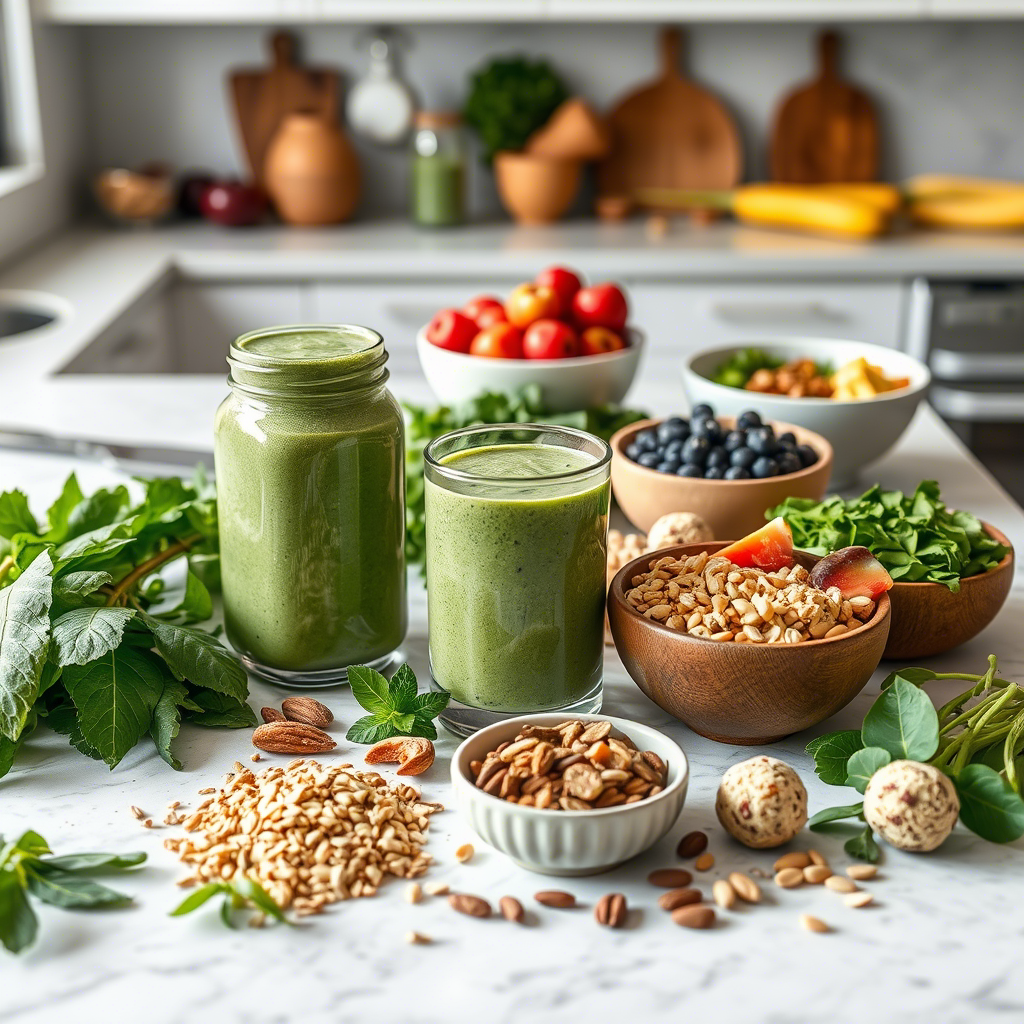
Kickstart your day with a nutritious boost! This Moringa Superfood Smoothie is packed with essential vitamins and antioxidants. Perfect for a healthy breakfast or snack. 🌱🍹 #MoringaSuperfoodRecipes #HealthyLiving #SmoothieTime
Overview: Why Are These Moringa Recipes So Special?
These Moringa Superfood Recipesuse moringa, a superfood packed with incredible health benefits. Moringa leaves are rich in vitamins A, C, and E, calcium, potassium, and protein. They boost your energy, strengthen your immune system, and keep you healthy.
Time Required: Each recipe takes about 10-30 minutes.
Difficulty Level: Easy (perfect for beginners and kids!)
Essential Ingredients: What You’ll Need and Why
Here are the main ingredients you’ll need for these Moringa Superfood Recipes:
Moringa Powder or Fresh Leaves: The star ingredient! Packed with nutrients and antioxidants.
Fruits (Bananas, Berries, Mango): Adds sweetness, vitamins, and fiber.
Honey or Maple Syrup: Natural sweeteners that taste great and are healthier than sugar.
Yogurt or Almond Milk: Adds creaminess and protein.
Oats or Granola: Provides fiber and crunchiness.
Nuts and Seeds (Almonds, Chia Seeds): Healthy fats and protein for energy.
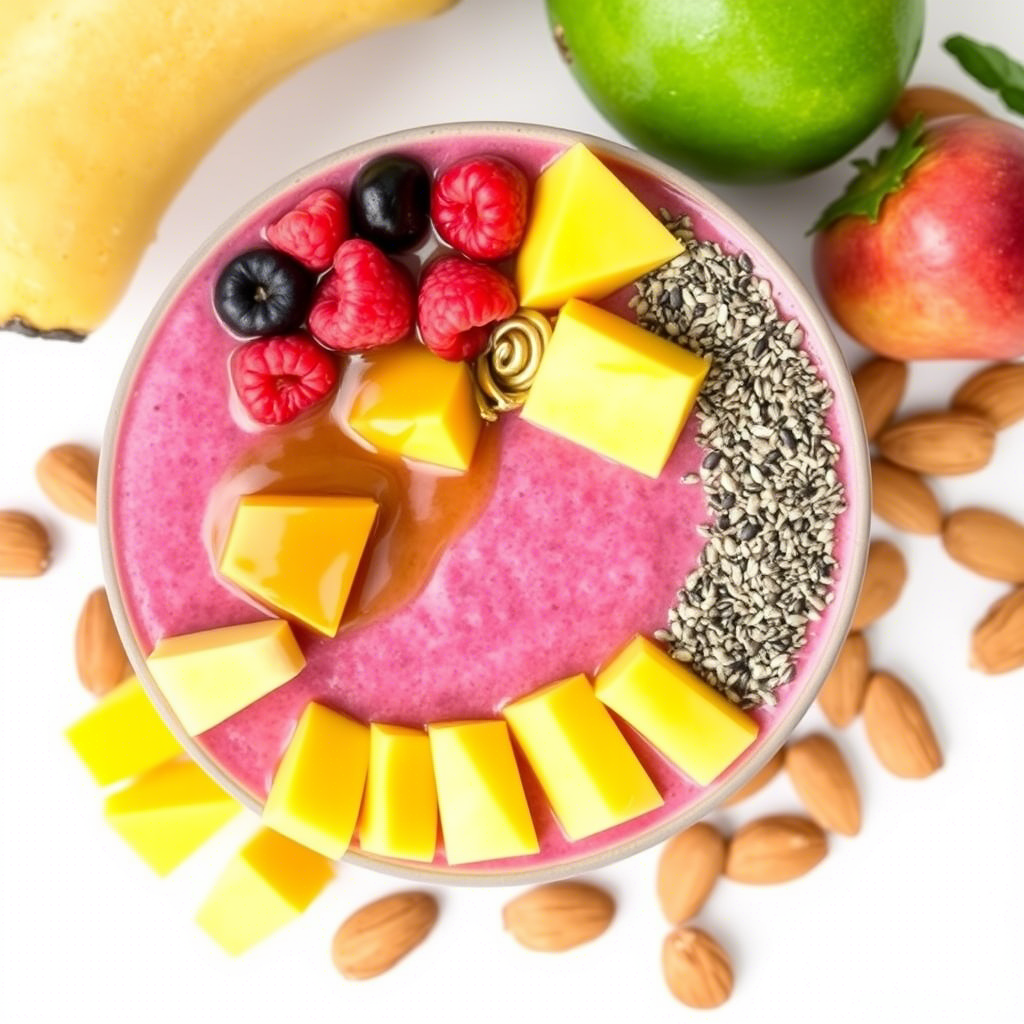
Start your morning with a tropical twist! This Moringa Superfood Smoothie Bowl is bursting with flavor and nutrition. Topped with fresh mango, berries, and chia seeds, it’s the perfect way to fuel your day. 🍍🍓 #MoringaSuperfoodRecipes #HealthyBreakfast #SmoothieBowl
Substitutions and Variations:
No Moringa Powder? Use fresh spinach or kale, but you’ll miss some unique benefits.
Dairy-Free? Use almond milk, coconut yogurt, or oat milk instead of regular yogurt.
Nut Allergies? Replace nuts with sunflower seeds or pumpkin seeds.
Step-by-Step Instructions: Let’s Make 6 Yummy Moringa Superfood Recipes!
Recipe 1: Moringa Superfood Banana Smoothie
Ingredients:
1 ripe banana
1 teaspoon moringa powder
1 cup almond milk
1 tablespoon honey
Ice cubes
Instructions:
Peel and slice the banana.
Put banana slices, moringa powder, almond milk, honey, and ice cubes into a blender.
Blend until smooth and creamy.
Pour into a glass and enjoy!
Tip: Add berries or mango for extra flavor!
Recipe 2: Moringa Superfood Energy Balls
Ingredients:
1 cup oats
2 tablespoons moringa powder
1/2 cup peanut butter
1/4 cup honey
1/4 cup chocolate chips (optional)
Instructions:
Mix oats and moringa powder in a bowl.
Add peanut butter and honey. Stir until sticky.
Add chocolate chips if you like.
Roll into small balls with your hands.
Chill in the fridge for 15 minutes.
Tip: Store in an airtight container for quick snacks!
Recipe 3: Moringa Superfood Yogurt Parfait
Ingredients:
1 cup Greek yogurt
1 teaspoon moringa powder
1/2 cup granola
Fresh berries
Honey drizzle
Instructions:
Mix yogurt and moringa powder until smooth.
Layer yogurt, granola, and berries in a glass.
Drizzle honey on top.
Serve immediately or chill.
Tip: Use colorful berries for a pretty presentation!
Recipe 4: Moringa Superfood Avocado Toast
Ingredients:
1 ripe avocado
1 teaspoon moringa powder
2 slices whole-grain bread
Salt and pepper
Lemon juice
Instructions:
Toast bread slices until golden.
Mash avocado with moringa powder, salt, pepper, and lemon juice.
Spread avocado mixture on toast.
Enjoy immediately!
Tip: Sprinkle chia seeds or sesame seeds for extra crunch!
Recipe 5: Moringa Superfood Green Pancakes
Ingredients:
1 cup pancake mix
1 tablespoon moringa powder
1 egg
3/4 cup milk
Maple syrup and fruits for topping
Instructions:
Mix pancake mix, moringa powder, egg, and milk until smooth.
Heat a pan and pour batter to form pancakes.
Cook until bubbles form, flip, and cook until golden.
Serve with maple syrup and fresh fruits.
Tip: Kids love these green pancakes—perfect for breakfast!
Recipe 6: Moringa Superfood Fruit Popsicles
Ingredients:
2 cups mixed fruits (berries, mango, banana)
1 teaspoon moringa powder
1 cup coconut water or juice
Popsicle molds
Instructions:
Blend fruits, moringa powder, and coconut water until smooth.
Pour mixture into popsicle molds.
Freeze for 4-6 hours or overnight.
Enjoy a refreshing treat!
Tip: Great for hot summer days!
Assembly: Making Your Recipes Look Beautiful
Presentation makes your Moringa Superfood Recipes taste even better! Here are some easy tips:
Use colorful fruits and toppings.
Serve smoothies and parfaits in clear glasses.
Sprinkle nuts, seeds, or granola on top for texture.
Arrange pancakes and toast neatly on plates.
Storage and Make-Ahead Tips: Keep Your Moringa Superfood Recipes Fresh
Smoothies and Popsicles: Freeze for up to 1 month.
Energy Balls: Store in the fridge for up to 1 week.
Avocado Toast: Best eaten fresh, but avocado mixture can be refrigerated for 1 day.
Pancakes: Freeze cooked pancakes and reheat in toaster.
Recipe Variations: Get Creative!
One of the best parts about cooking is letting your imagination run wild. Here are some creative ideas to try if you want to mix things up a bit with your Moringa Superfood Recipes:
Chocolate Moringa Treats: Add a tablespoon of cocoa powder to your smoothie or pancake mix to create a chocolaty twist that still gives you all the moringa benefits.
Tropical Flavors: Swap out almond milk for coconut milk in your smoothie or parfait, and use tropical fruits like pineapple and mango. The result is a refreshing taste that feels like a mini vacation.
Nut-Free or Seed-Focused Version: If allergy worries keep you from using nuts, try using extra seeds like chia, hemp, or sunflower seeds as your crunchy add-ins in energy balls or atop avocado toast.
Spicy Kick: For adventurous taste buds, add a pinch of cinnamon or ginger to your pancake batter. These spices not only warm your taste buds but also add an extra layer of aroma and health benefits.
Layered Parfaits: Create a layered parfait where you alternate between plain yogurt, moringa yogurt, and fruit puree. This way, every spoonful is a surprise of flavors and textures.
These variations show that you can use your Moringa Superfood Recipes treats as a canvas. Mix, match, and experiment to find combinations that you love even more.
Conclusion: Ready to Try These Amazing Moringa Recipes?
Now that you know how to make these six delightful Moringa Superfood Recipes, it’s time to get creative in your kitchen! Moringa is not just a plant; it’s a super ingredient that brings energy, flavor, and lots of fun into your meals. Whether you choose to blend a creamy smoothie, roll up some energy balls, layer a vibrant parfait, whip up a hearty avocado toast, flip green pancakes, or freeze cool fruit popsicles, each recipe is a celebration of health and taste.
Remember, cooking is about exploring, playing, and enjoying. Don’t be afraid to add your own twist to these recipes. Use your favorite fruits, experiment with different spices, and most of all, have fun along the way. As you try more variations, you may discover a new favorite treat that is all your own!
FAQs: Common Questions About Moringa Superfood Recipes
I hope these Moringa Superfood Recipes bring joy to your table and energy to your day. Happy cooking, and remember to always enjoy every bite!
Q: Where can I buy moringa powder? A: You can find moringa powder online, at health food stores, or supermarkets.
Q: Can kids eat moringa recipes? A: Yes! Moringa is safe and healthy for kids. They love the green color and yummy taste.
Q: How much moringa powder should I use daily? A: Start with 1 teaspoon per day. You can slowly increase to 2 teaspoons if you like.
Q: Are moringa recipes good for weight loss? A: Yes! Moringa is low in calories and high in nutrients, helping you feel full and energized.
Q: Can I use fresh moringa leaves instead of powder? A: Yes! Fresh leaves are great in smoothies, salads, and soups. Use about 1 cup fresh leaves instead of 1 teaspoon powder.
Now, it’s your turn! Which moringa recipe will you try first? Happy cooking!
Introduction: Have You Ever Wondered Why People in Nordic Countries Are So Healthy?
Ever wondered why people in Sweden, Norway, and Denmark are so healthy and happy? Is it their lifestyle or something about their food? The secret might be in their tasty Nordic diet recipes! Today, we’ll explore six delicious Nordic dishes that are easy to make, healthy, and super yummy. Ready to discover the tasty secrets of the North? Let’s dive in!
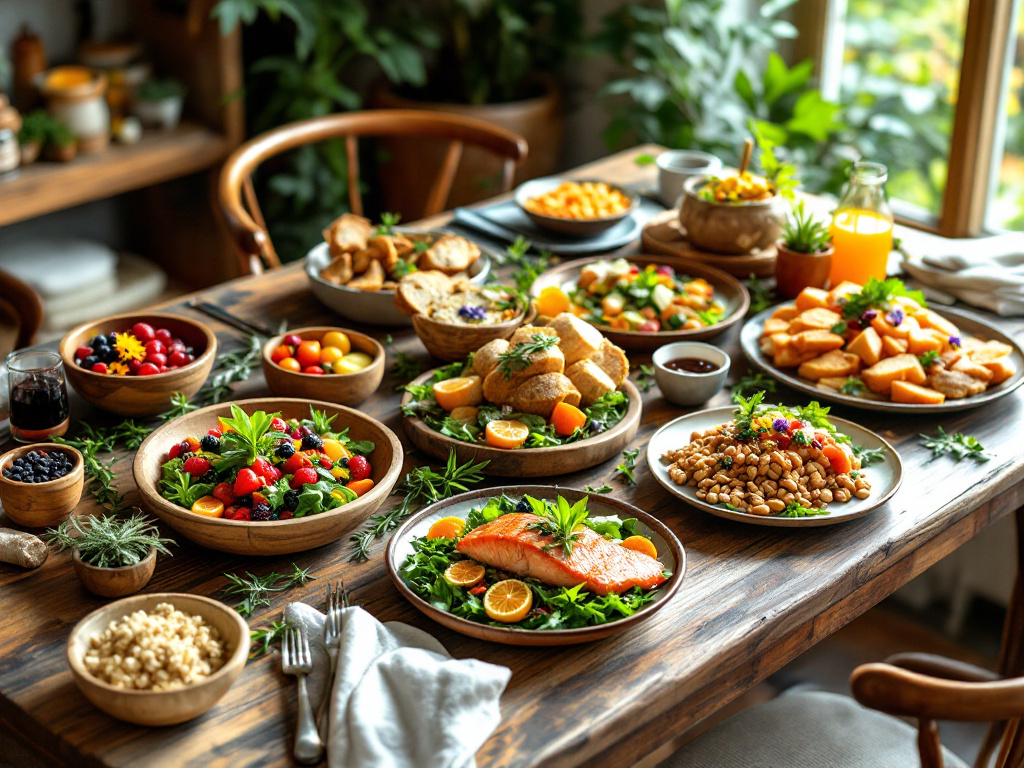
Explore the flavors of Nordic Diet Recipes with these delicious and nutritious recipes.
Overview: What’s Special About These Nordic Diet Recipes?
Nordic diet recipes are special because they use fresh, local ingredients that are good for your body and taste buds. These recipes are easy to make, usually taking less than 30 minutes, and they’re perfect for beginners. Plus, they’re packed with nutrients that help your body stay strong and healthy. Let’s explore these six tasty plates:
Nordic Salmon Salad
Swedish Meatballs
Danish Rye Bread Sandwich
Finnish Vegetable Soup
Norwegian Potato Pancakes
Icelandic Yogurt Parfait
Essential Ingredients: What You’ll Need and Why They’re Important
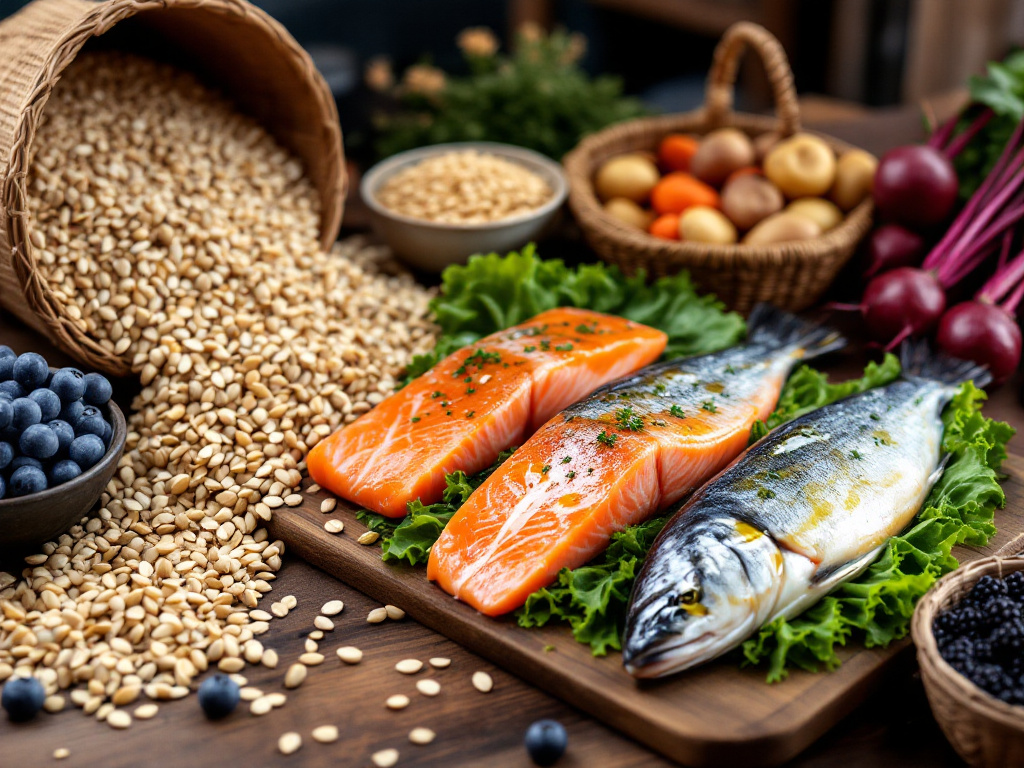
Discover the key ingredients for Nordic Diet Recipes, including fish, whole grains, root vegetables, and berries.
Here are some key ingredients you’ll find in Nordic diet recipes:
Fish (Salmon, Cod): Rich in omega-3 fatty acids, great for your heart and brain.
Whole Grains (Rye, Barley, Oats): Provide fiber to keep your tummy happy and healthy.
Root Vegetables (Potatoes, Carrots, Beets): Packed with vitamins and minerals to boost your energy.
Berries (Blueberries, Lingonberries): Full of antioxidants to keep your body strong.
Dairy (Skyr, Yogurt): High in protein and calcium for strong bones.
Substitutions and Variations:
If you can’t find rye bread, whole wheat bread works great too.
No salmon? Try trout or tuna instead.
Can’t find lingonberries? Cranberries or blueberries are tasty alternatives.
Step-by-Step Instructions: Let’s Cook These 6 Tasty Plates!
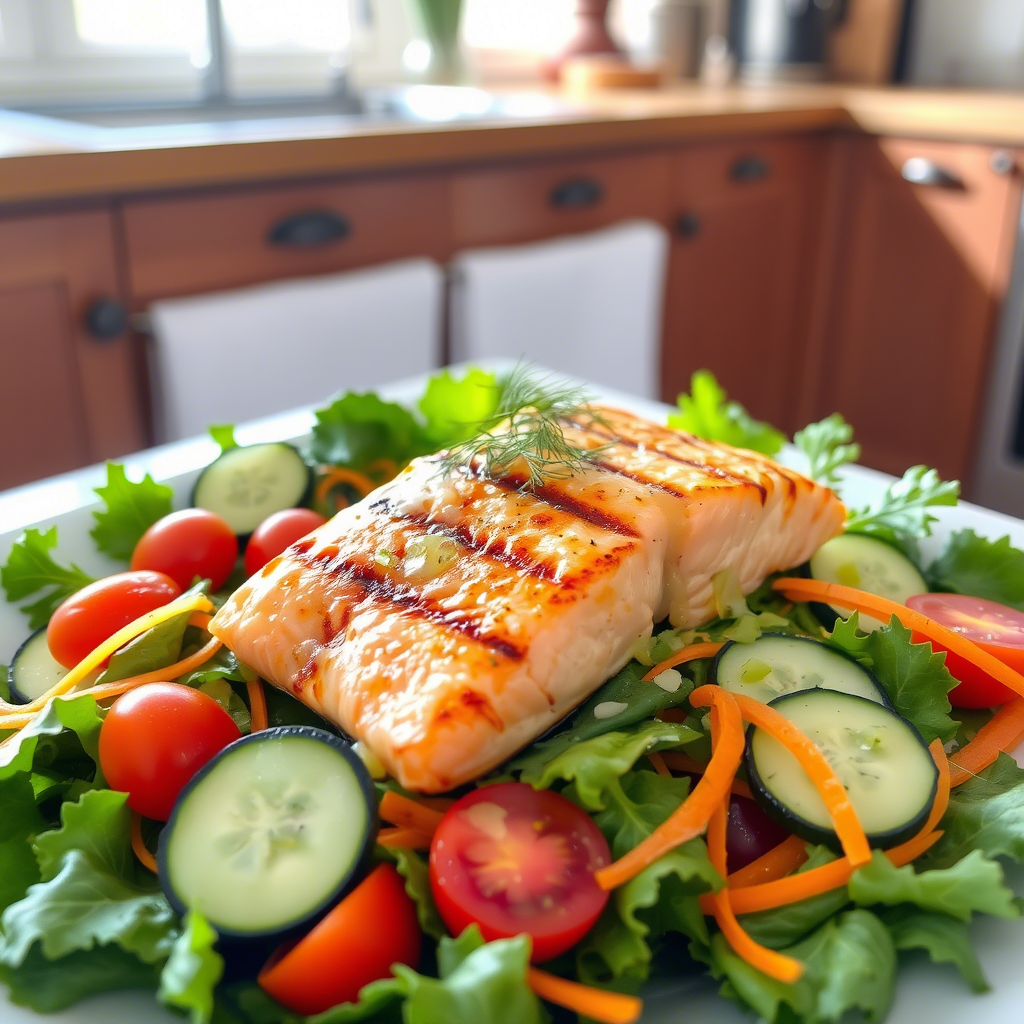
1. Nordic Salmon Salad (Easy, 15 minutes)
Enjoy the flavors of the Nordic diet with this fresh and healthy salmon salad recipe.
Ingredients:
Fresh salmon fillet
Mixed greens
Cucumbers, sliced
Cherry tomatoes
Lemon juice
Olive oil
Salt and pepper
Instructions:
Season salmon with salt, pepper, and lemon juice.
Cook salmon in a pan with olive oil for 4-5 minutes each side.
Place mixed greens, cucumbers, and tomatoes on a plate.
Top with cooked salmon and drizzle with olive oil and lemon juice.
Tip: Cook salmon until it’s flaky and pink inside.
2. Swedish Meatballs (Medium, 25 minutes)
Savor the flavors of the Nordic diet with these traditional meatballs served with a tangy lingonberry sauce.
Ingredients:
Ground beef or turkey
Breadcrumbs
Egg
Onion, finely chopped
Milk
Salt, pepper, nutmeg
Butter
Beef broth
Cream
Instructions:
Mix meat, breadcrumbs, egg, onion, milk, salt, pepper, and nutmeg.
Roll into small balls.
Cook meatballs in butter until brown.
Add beef broth and cream, simmer for 10 minutes.
Tip: Serve with mashed potatoes or noodles.
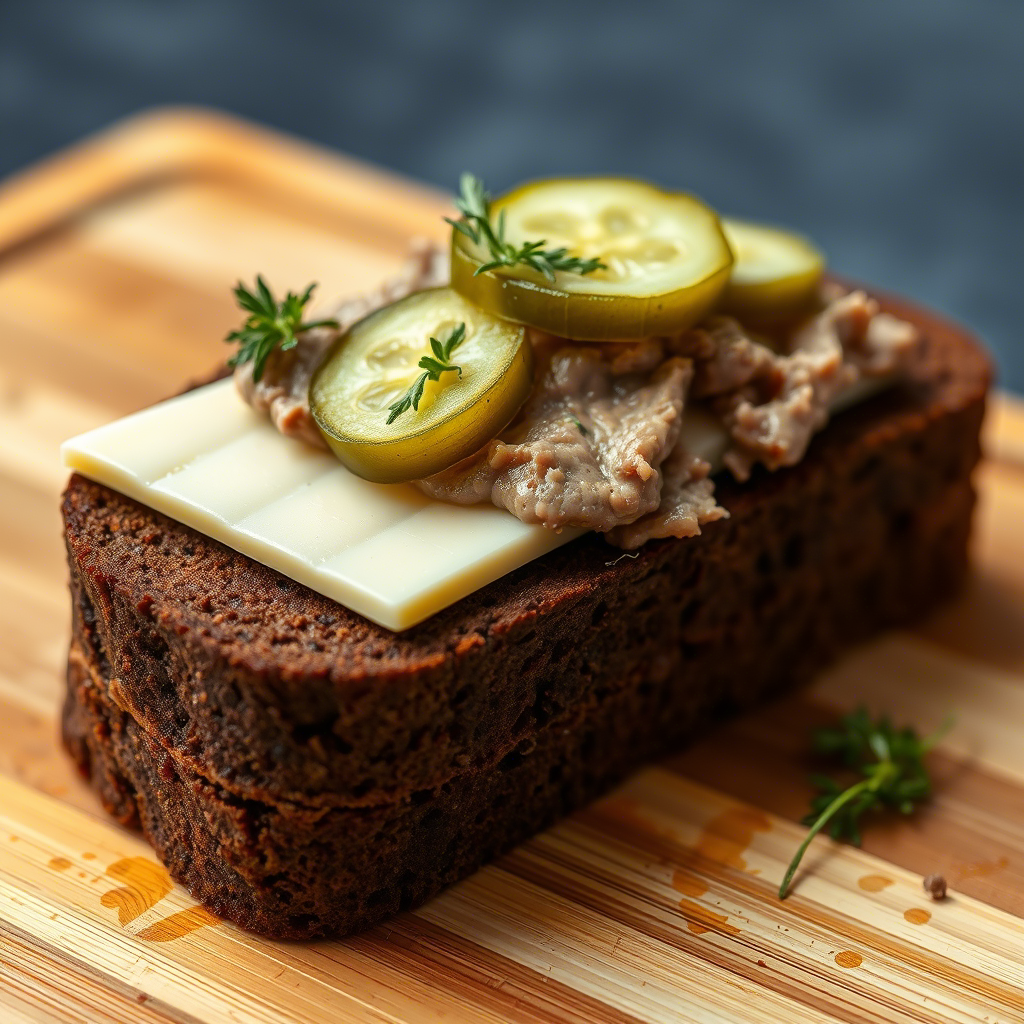
3. Danish Rye Bread Sandwich (Easy, 10 minutes)
Enjoy a classic Nordic open-faced sandwich with rye bread, cheese, pickles, and a savory spread.
Ingredients:
Rye bread slices
Smoked salmon or turkey slices
Lettuce
Cucumber slices
Mustard or cream cheese
Instructions:
Spread mustard or cream cheese on rye bread.
Add salmon or turkey, lettuce, and cucumber.
Top with another slice of bread.
Tip: Cut sandwiches into triangles for easy eating.
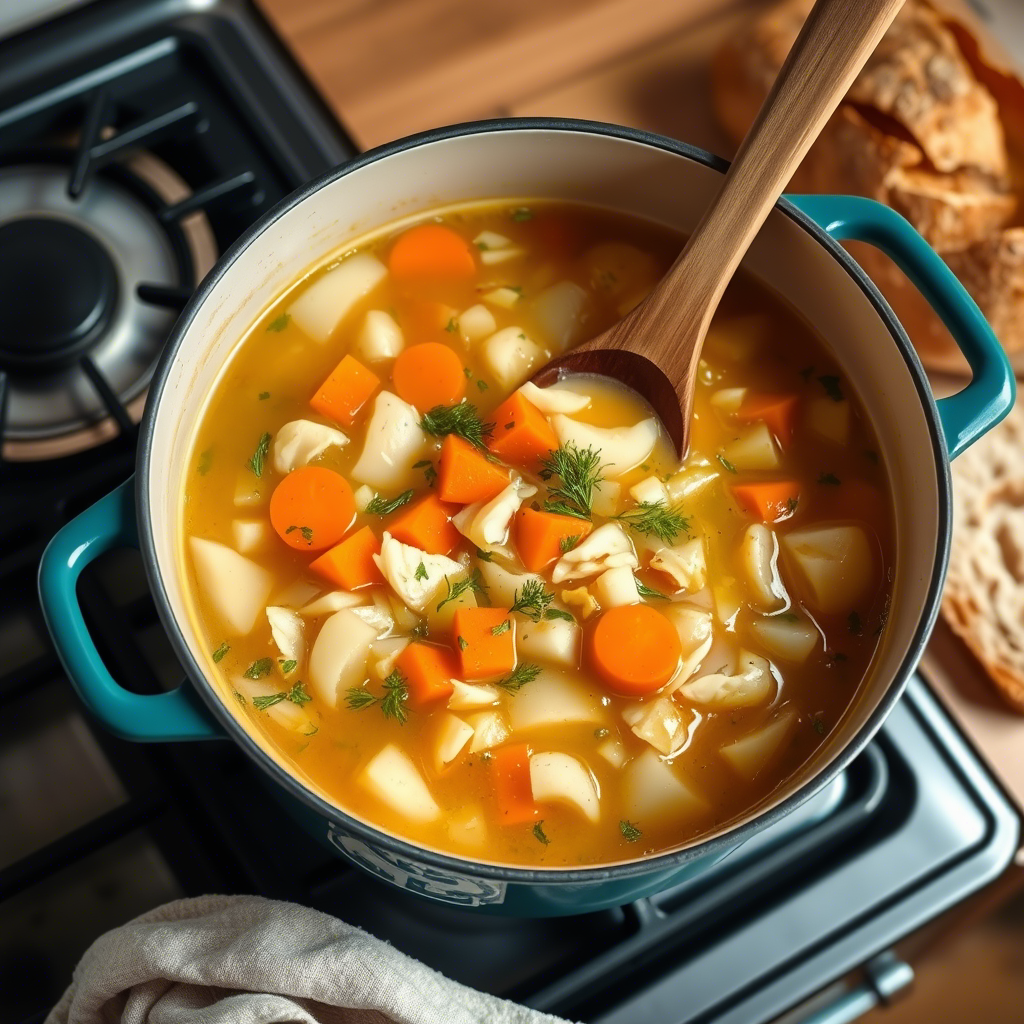
4. Finnish Vegetable Soup (Easy, 20 minutes)
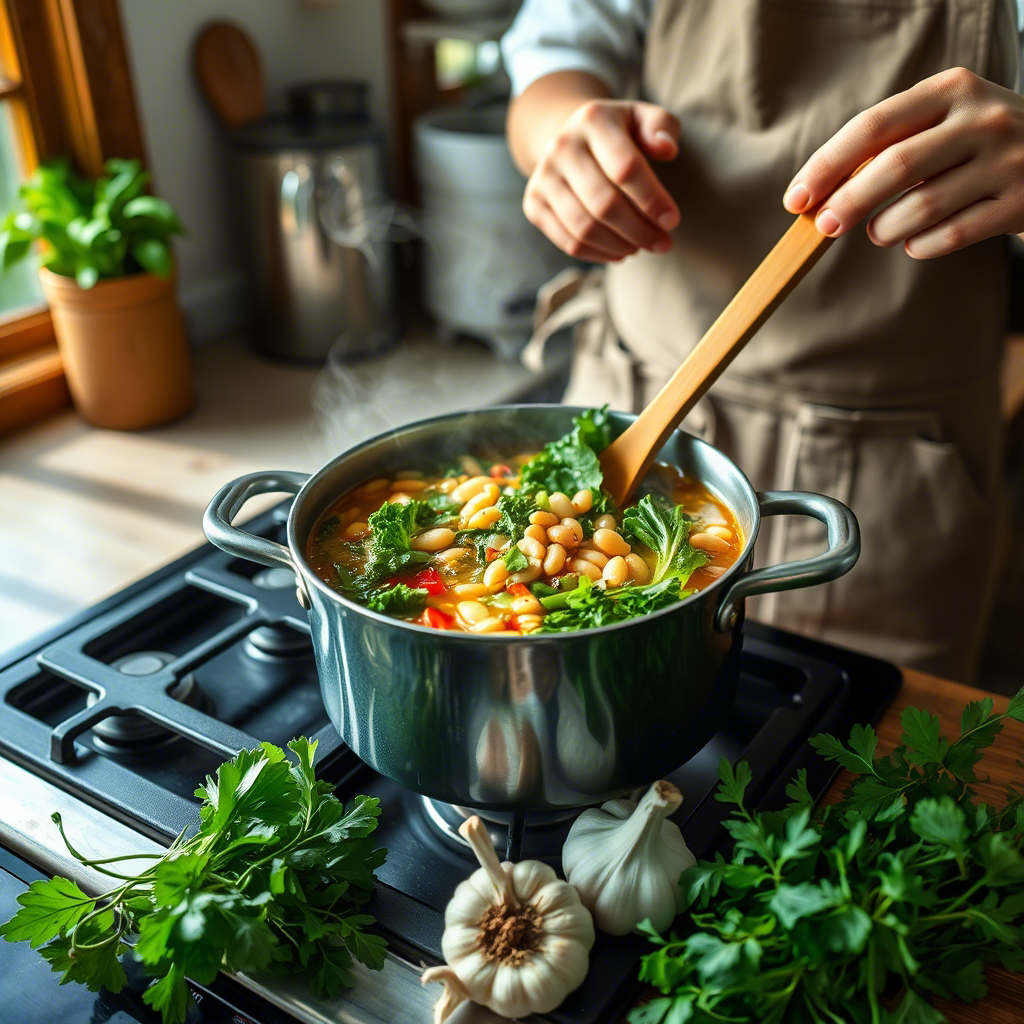
Warm up with a comforting bowl of Nordic vegetable soup, filled with wholesome ingredients.
Ingredients:
Potatoes, carrots, onions, chopped
Vegetable broth
Fresh dill
Salt and pepper
Cream (optional)
Instructions:
Boil broth, add vegetables, cook until soft.
Add dill, salt, pepper, and cream.
Simmer for 5 more minutes.
Tip: Serve with crusty bread for dipping.
5. Norwegian Potato Pancakes (Medium, 20 minutes)
Indulge in the flavors of the Nordic diet with these fluffy pancakes topped with a tangy berry compote and a dollop of cream. A perfect blend of health and taste!
Ingredients:
Potatoes, grated
Flour
Egg
Salt and pepper
Butter or oil
Instructions:
Mix grated potatoes, flour, egg, salt, and pepper.
Heat butter or oil in a pan.
Spoon potato mixture into pan, flatten into pancakes.
Cook until golden brown on both sides.
Tip: Serve with applesauce or sour cream.
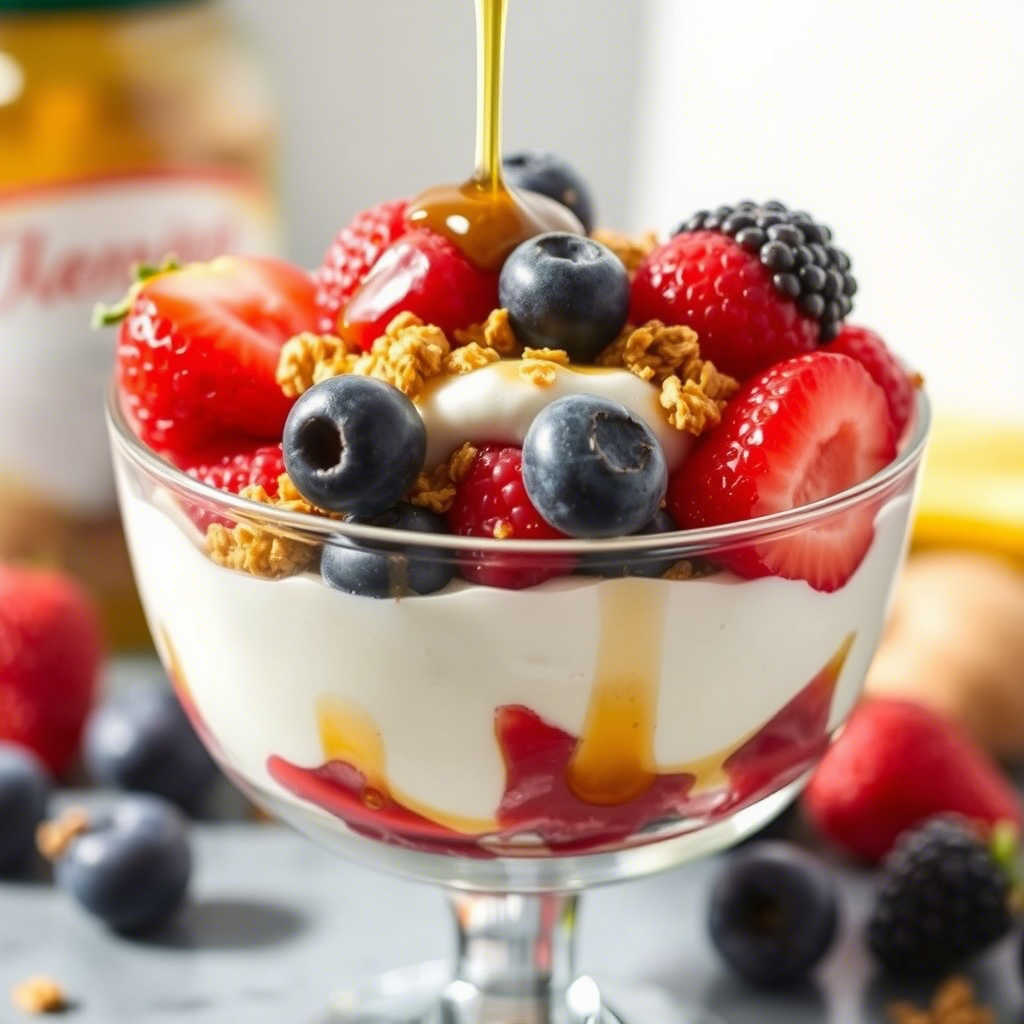
6. Icelandic Yogurt Parfait (Easy, 5 minutes)
Savor the freshness of the Nordic diet with this delightful berry parfait, layered with creamy yogurt, crunchy granola, and a drizzle of golden honey. A perfect blend of flavors and textures!
Ingredients:
Skyr or Greek yogurt
Fresh berries
Honey or maple syrup
Granola or oats
Instructions:
Layer yogurt, berries, and granola in a glass.
Drizzle honey or syrup on top.
Tip: Perfect for breakfast or dessert!
Assembly: How to Make Your Plates Look Beautiful
Presentation makes food taste even better! Here are some easy tips:
Use colorful plates and bowls.
Add fresh herbs like dill or parsley on top.
Arrange food neatly, keeping colors balanced.
Serve soups and salads in pretty bowls.
Storage and Make-Ahead Tips: Keep Your Food Fresh and Tasty
Salmon Salad: Store cooked salmon separately in the fridge for up to 2 days. Assemble salad fresh.
Meatballs: Freeze cooked meatballs for up to 3 months. Reheat in sauce.
Soup: Store in fridge for up to 3 days or freeze for 2 months.
Potato Pancakes: Refrigerate leftovers, reheat in oven or pan.
Yogurt Parfait: Assemble fresh, but you can prep berries and granola ahead.
Recipe Variations: Get Creative!
Salmon Salad: Add avocado or boiled eggs.
Meatballs: Try chicken or veggie meatballs.
Sandwiches: Use hummus or avocado spread.
Soup: Add chicken or beans for extra protein.
Potato Pancakes: Mix in grated carrots or zucchini.
Yogurt Parfait: Use different fruits like bananas or peaches.
Unlock the Benefits of Nordic Diet Recipes for a Healthier You
Nordic Diet Recipes offer a wealth of benefits for both your health and your taste buds. This diet emphasizes fresh, seasonal ingredients like berries, whole grains, fish, and vegetables, which are not only delicious but also packed with essential nutrients.
By focusing on whole foods and minimizing processed items, Nordic Diet Recipes help promote heart health, support weight management, and reduce the risk of chronic diseases. Additionally, the emphasis on sustainable and locally sourced ingredients makes it an environmentally friendly choice.
Whether you’re looking to improve your overall well-being or simply enjoy flavorful, nutritious meals, incorporating Nordic Diet Recipes into your routine is a fantastic way to achieve both.
Conclusion: Time to Explore and Enjoy!
Now you know how easy and fun it is to cook tasty Nordic diet recipes! These dishes are healthy, quick, and perfect for the whole family. Don’t be afraid to experiment and make these recipes your own. Enjoy cooking and tasting the delicious flavors of the Nordic countries!
FAQs: Common Questions About Nordic Diet Recipes
Q: Are Nordic diet recipes healthy? A: Yes! They use fresh ingredients like fish, vegetables, and whole grains, which are great for your body.
Q: Can kids eat these recipes? A: Absolutely! Kids love meatballs, pancakes, and yogurt parfaits. They’re tasty and nutritious.
Q: How long do these recipes take to make? A: Most recipes take less than 30 minutes, perfect for busy days.
Q: Can I freeze these dishes? A: Yes, especially meatballs and soups. They freeze well and taste great reheated.
Q: What if I can’t find Nordic ingredients? A: No worries! Use substitutions like regular yogurt instead of skyr or blueberries instead of lingonberries.
Happy cooking and enjoy your tasty Nordic adventure!
Introduction: Have You Ever Tasted Sunshine in Your Food?
Ever wondered what sunshine tastes like? It’s like biting into something fresh and tangy. That’s what happens when you incorporate Yuzu Fruit in Asian-Inspired Dishes! But what is Yuzu, and how do you use it? Today, we’ll explore the versatility of Yuzu Fruit in Asian-Inspired Dishes. We’ll make six easy, healthy, and fun recipes. Ready to taste sunshine? Let’s start!
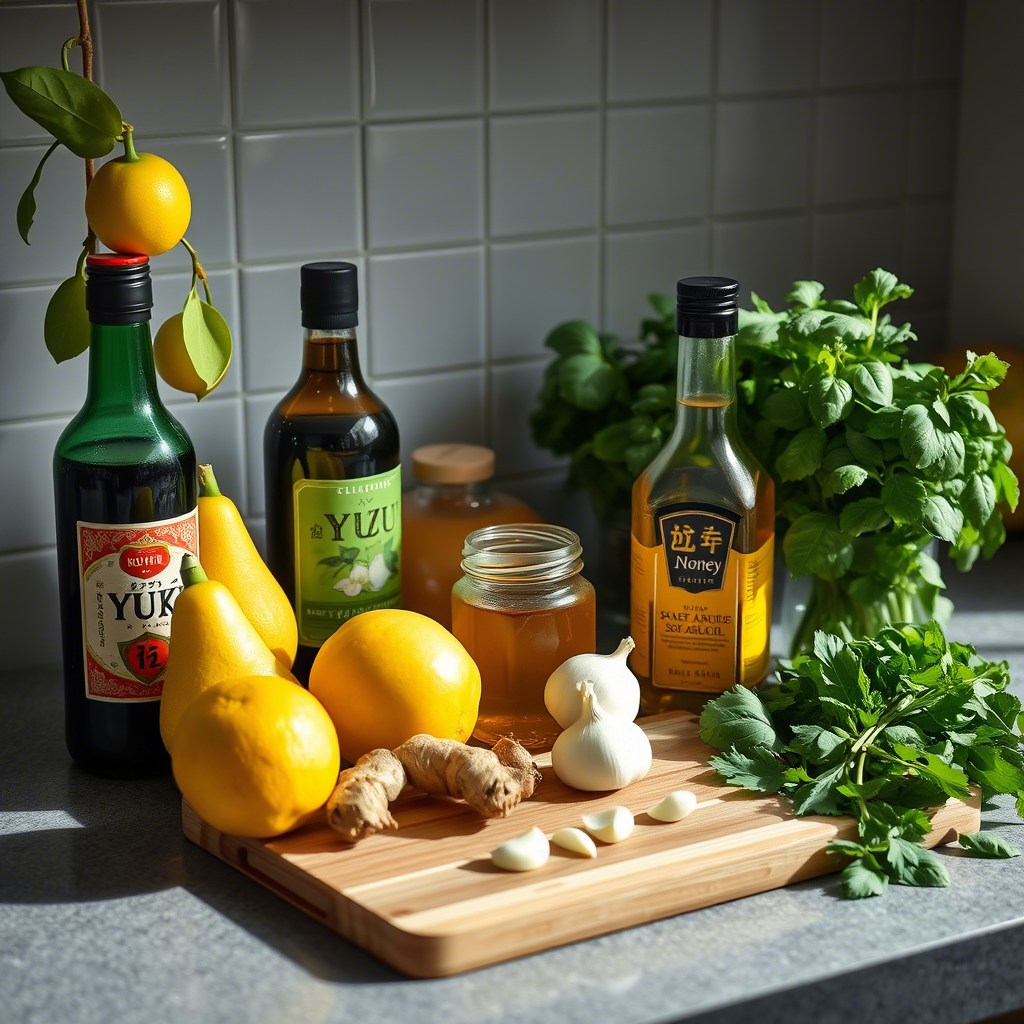
A collection of Asian-inspired dishes featuring the vibrant and tangy flavor of yuzu fruit, showcasing the versatility of yuzu fruit in Asian-inspired dishes.
Overview: Why You’ll Love Cooking with Yuzu Fruit
Yuzu Fruit in Asian-Inspired Dishes is a small citrus fruit from East Asia. It tastes like a mix of lemon, lime, and grapefruit. It’s special because of its unique flavor and aroma. It makes any dish brighter and fresher.
Time Required: Each recipe using Yuzu Fruit in Asian-Inspired Dishes takes about 20–30 minutes.
Difficulty Level: Easy! Perfect for beginners and kids.
Essential Ingredients: What You’ll Need and Why
A variety of Asian-inspired dishes featuring fresh ingredients and yuzu-infused flavors, showcasing the use of yuzu fruit in Asian-inspired dishes.
Here are the key ingredients for these Yuzu Fruit in Asian-Inspired Dishes:
Fresh Yuzu Fruit or Yuzu Juice: Adds tangy, citrusy flavor. If fresh Yuzu is hard to find, bottled juice or lemon-lime mix works well.
Soy Sauce: Gives dishes a salty, savory taste.
Honey or Sugar: Balances the sourness of Yuzu.
Fresh Ginger and Garlic: Adds warmth and depth.
Sesame Oil: Provides a nutty, rich flavor.
Fresh Herbs (Cilantro, Mint, Basil): Adds freshness and color.
Allergic to soy? Coconut aminos or tamari sauce are great alternatives.
Want it sweeter? Add more honey or maple syrup.
Step-by-Step Instructions: Let’s Cook 6 Delicious Yuzu Fruit in Asian-Inspired Dishes!
1. Yuzu Chicken Stir-Fry
Savor the fusion of flavors with this vibrant stir-fry! Tender chicken and colorful veggies are tossed in a tangy yuzu sauce, served over steamed rice. A delightful twist on classic Asian cuisine!
Ingredients:
Chicken breast, sliced thinly
2 tablespoons Yuzu juice
2 tablespoons soy sauce
1 tablespoon honey
Garlic and ginger, minced
Vegetables (bell peppers, broccoli, carrots)
Sesame oil
Instructions:
Mix Yuzu juice, soy sauce, honey, garlic, and ginger in a bowl.
Heat sesame oil in a pan. Cook chicken until golden.
Add vegetables and cook until tender.
Pour sauce over chicken and veggies. Stir well and cook for 2 more minutes.
Tip: Cook on medium-high heat for crispy veggies!
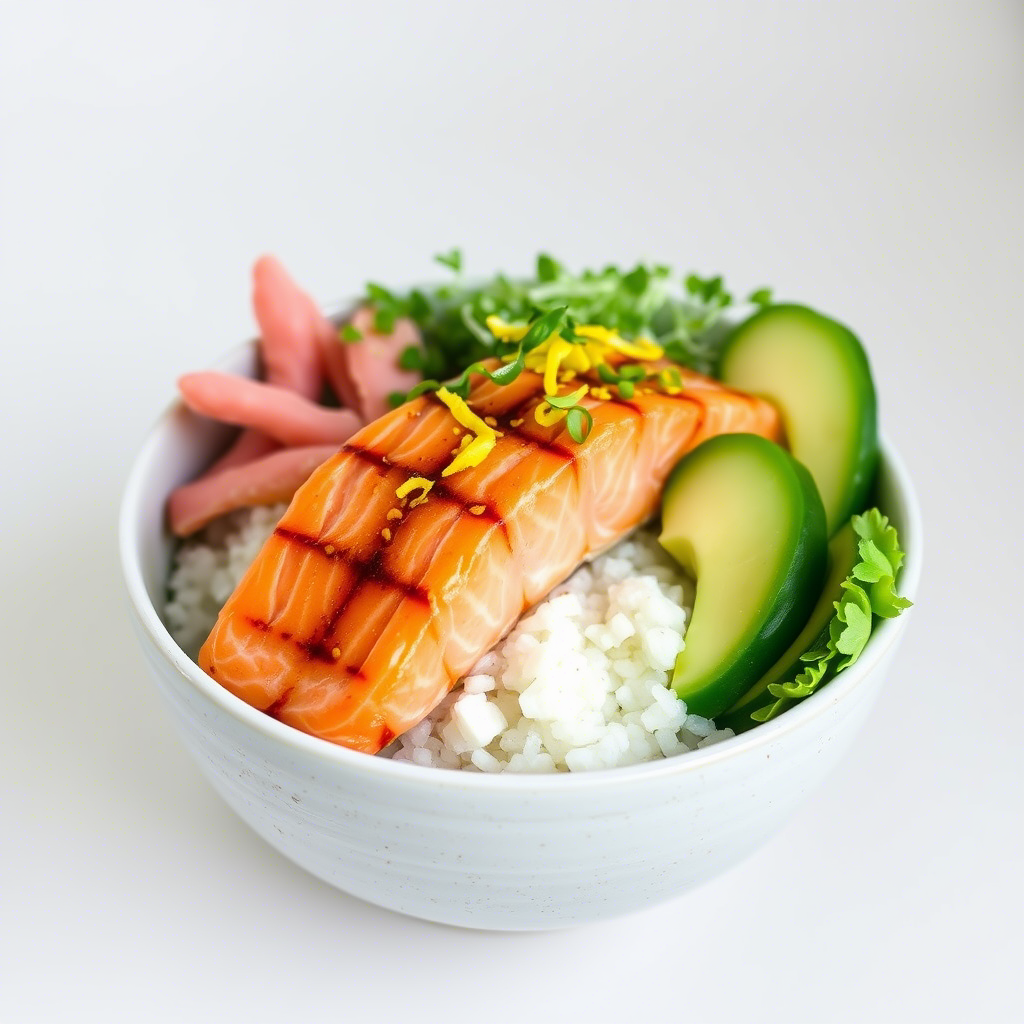
2. Yuzu Salmon Sushi Bowl
Elevate your meal with a burst of citrusy flavor! This Asian-inspired dish features tender salmon glazed with tangy yuzu sauce, served over fluffy rice with fresh cucumber and pickled radishes. The perfect blend of tradition and innovation!
Ingredients:
Cooked sushi rice
Fresh salmon, sliced
Avocado, cucumber, carrots (thinly sliced)
2 tablespoons Yuzu juice
Soy sauce, sesame seeds, seaweed flakes
Instructions:
Mix Yuzu juice with soy sauce.
Place rice in a bowl. Arrange salmon and veggies on top.
Drizzle Yuzu sauce over everything.
Sprinkle sesame seeds and seaweed flakes.
Tip: Use smoked salmon if fresh salmon isn’t available.
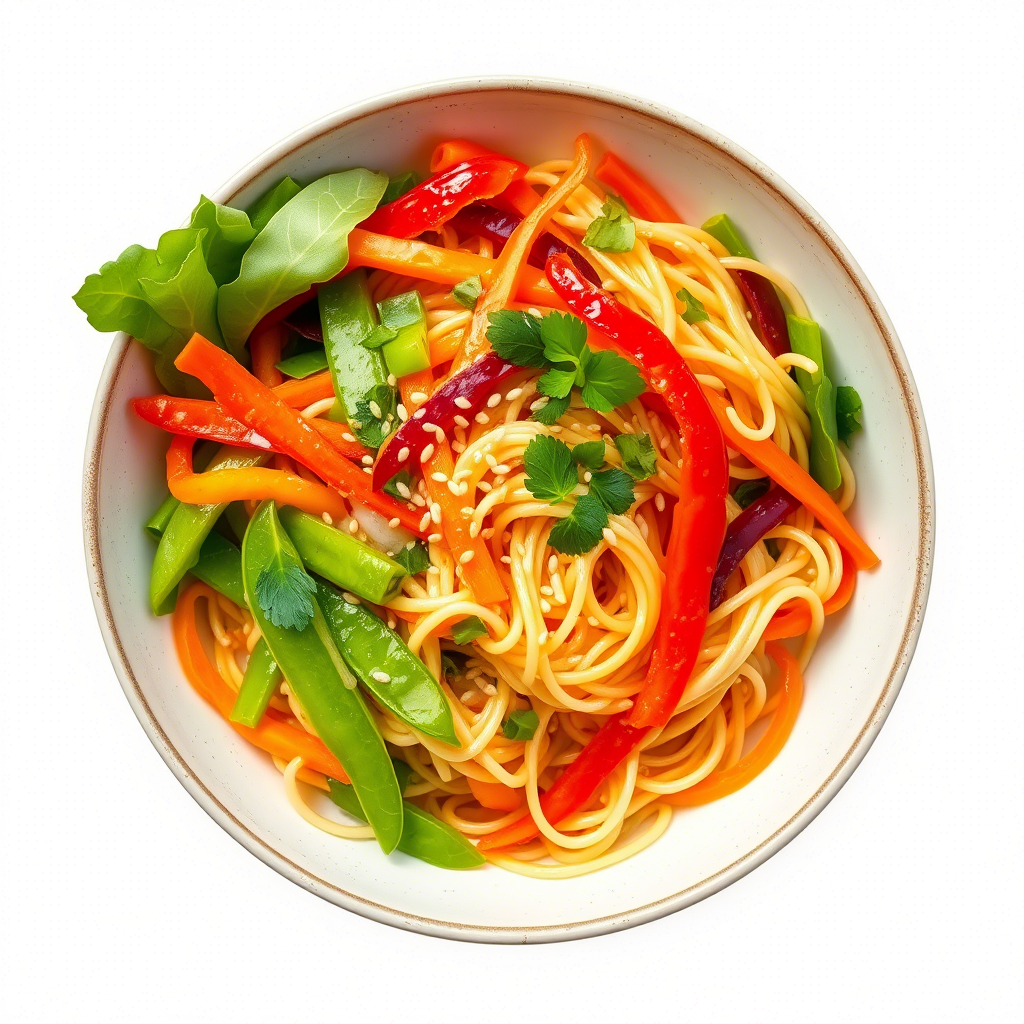
3. Yuzu Noodle Salad
Brighten up your day with this colorful noodle bowl! Tossed in a zesty yuzu sauce, these noodles are paired with crisp veggies for a refreshing and flavorful Asian-inspired meal.
Ingredients:
Cooked noodles (rice noodles or soba noodles)
Shredded carrots, cucumber, cabbage
Fresh mint and cilantro
3 tablespoons Yuzu juice
1 tablespoon honey
Sesame oil, soy sauce
Instructions:
Mix Yuzu juice, honey, sesame oil, and soy sauce in a bowl.
Toss noodles and veggies with the sauce.
Top with fresh herbs.
Tip: Chill salad for 10 minutes before serving for extra freshness.
4. Yuzu Tofu Skewers
Indulge in these delicious tofu skewers glazed with a tangy yuzu sauce! Perfect for a flavorful and satisfying bite, these skewers are a must-try in Asian-inspired cuisine.
Ingredients:
Firm tofu, cubed
Bell peppers, mushrooms, zucchini (cubed)
2 tablespoons Yuzu juice
Soy sauce, garlic, ginger, sesame oil
Instructions:
Mix Yuzu juice, soy sauce, garlic, ginger, and sesame oil.
Marinate tofu and veggies for 10 minutes.
Thread tofu and veggies onto skewers.
Grill or bake until golden.
Tip: Soak wooden skewers in water first to prevent burning.
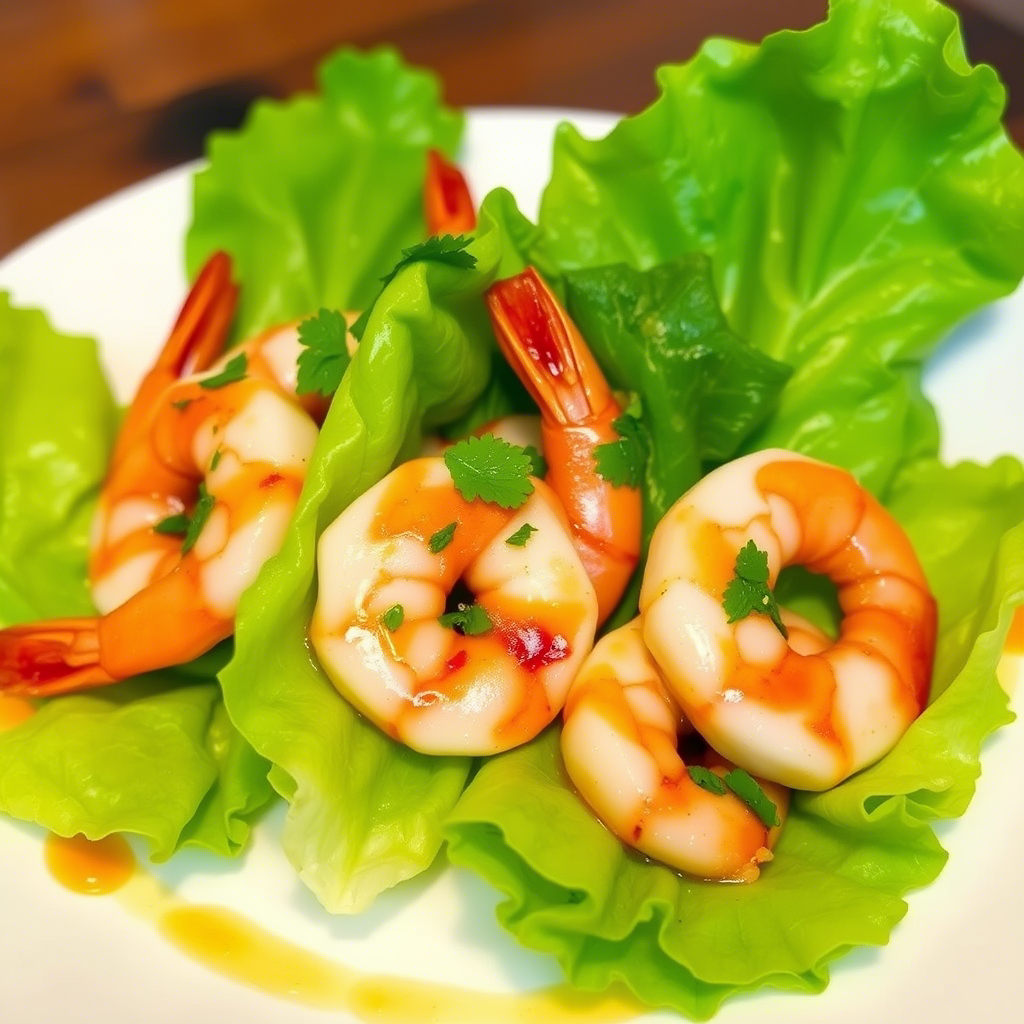
5. Yuzu Shrimp Lettuce Wraps
Fresh shrimp marinated in yuzu juice, served on crisp lettuce leaves—a delightful Asian-inspired dish that highlights the unique citrus notes of the yuzu fruit.
Ingredients:
Cooked shrimp
Lettuce leaves
Shredded carrots, cucumber, avocado
2 tablespoons Yuzu juice
Soy sauce, honey, sesame seeds
Instructions:
Mix Yuzu juice, soy sauce, and honey.
Toss shrimp in sauce.
Fill lettuce leaves with shrimp and veggies.
Sprinkle sesame seeds on top.
Tip: Use butter lettuce for easy wrapping.
6. Yuzu Fruit Sorbet
A refreshing yuzu-infused beverage garnished with a slice of orange and fresh mint leaves, showcasing the vibrant flavors of yuzu fruit in Asian-inspired dishes.
Ingredients:
1 cup Yuzu juice
½ cup sugar or honey
1 cup water
Instructions:
Mix Yuzu juice, sugar, and water until sugar dissolves.
Freeze mixture in an ice cream maker or freezer-safe container.
Stir every 30 minutes until frozen.
Tip: Serve with fresh mint leaves for extra flavor.
Assembly: Making Your Dishes Look Beautiful
Presentation makes food taste even better! Here are some easy tips:
Use colorful veggies to make dishes bright.
Sprinkle sesame seeds or fresh herbs on top.
Serve dishes in pretty bowls or plates.
Add slices of fresh Yuzu or lemon for decoration.
Storage and Make-Ahead Tips: Keeping Your Food Fresh
Sometimes life gets busy, and you might not be able to enjoy your freshly made meals right away. Here are some tips to help you store and reheat your yuzu dishes so they stay tasty and fresh:
Stir-Fry and Noodle Salad: Store these dishes in airtight containers in the refrigerator. They can stay fresh for up to 3 days. When reheating the stir-fry, do it gently in a pan or microwave over low heat to keep the vegetables crisp. The noodle salad is best served cold, so only reheat if you prefer a warm meal.
Sauces and Marinades: The yuzu-based sauces, like the one used for the chicken stir-fry, can be kept in the fridge for up to a week. Make small batches to avoid waste and store them in glass jars.
Tofu Skewers and Shrimp Wraps: These dishes taste best when freshly made. However, if you prepare them ahead of time, keep the skewers and lettuce wraps separate from the sauce. Assemble them just before serving to avoid sogginess.
Sorbet: If you have leftover sorbet, store it in a sealed container in the freezer. Before serving, let it sit out for 5 minutes to soften slightly and make scooping easier.
Batch Cooking: Preparing ingredients like pre-chopped vegetables or marinated proteins ahead of time makes it easier to assemble each dish when hunger strikes. You can store these prep ingredients in the fridge for a few days.
Following these storage and reheating tips will help you enjoy the vibrant flavors of your yuzu dishes even after they’ve been set aside for a little bit..
RecipRecipe Variations: Let Your Imagination Run Wild
While the recipes above are fantastic as they are, sometimes you might feel like exploring new twists on your yuzu creations. Here are some fun variations you can try:
Spicy Yuzu Chicken: Add a pinch of red chili flakes or a splash of hot sauce to the yuzu marinade for an extra kick. This version is perfect for those who love a bit of spice with their savory dishes.
Vegetarian Yuzu Delight: Swap out the chicken and shrimp for extra-firm tofu, tempeh, or even chickpeas. Mix these protein sources with the same yuzu sauce to create hearty and healthy vegetarian plates.
Yuzu Fusion Salad: Create a fusion salad by adding fruits like mango or pineapple to your noodle salad. The tropical sweetness pairs wonderfully with the tang of yuzu.
Herb-Infused Sorbet: Try blending some basil or mint leaves with the yuzu juice before freezing. This herb-infused sorbet adds a refreshing twist for hot summer days.
Seafood Medley: Instead of just salmon or shrimp, mix several seafood types. A light drizzle of yuzu sauce over a medley of scallops and calamari makes a sophisticated and tasty dish.
Crunchy Additions: Top any dish with crushed nuts like peanuts, cashews, or even toasted coconut. This adds an extra texture that contrasts beautifully with the soft ingredients.
These variations are designed to spark your creativity. Don’t be afraid to mix and match ingredients until you find the combination that sings to your taste buds!e Variations: Get Creative!
Vegetarian: Replace meat with tofu or mushrooms.
Spicy: Add chili flakes or hot sauce.
Sweet: Add extra honey or fresh fruit slices.
Crunchy: Sprinkle crushed peanuts or cashews on top.
Conclusion: Experiment, Enjoy, and Share the Yuzu Love!
There you have it—six simple and exciting Yuzu Fruit in Asian-Inspired Dishes that show the wonderful versatility of yuzu fruit in Asian-inspired cooking. Whether you’re preparing a quick weeknight dinner or a fancy meal for friends and family, these recipes are both healthy and full of flavor. From the tangy kick of a yuzu chicken stir-fry to the refreshing taste of a yuzu fruit sorbet, each dish offers a unique experience that’s as delightful as sunshine on a plate.
Cooking should be fun, and with Yuzu Fruit in Asian-Inspired Dishes, it becomes a colorful adventure. Experiment with these recipes, try new variations, and most importantly, enjoy what you create. Remember that every dish you prepare is a chance to learn and share a bit of joy with others. So grab your ingredients, invite your loved ones into the kitchen, and let the yuzu magic transform your cooking!
Happy cooking with Yuzu Fruit in Asian-Inspired Dishes, and may your kitchen always be filled with delicious aromas and laughter!
FAQs: Your Questions Answered
Q: Where can I buy Yuzu fruit or juice?
A: You can find fresh Yuzu or bottled juice at Asian grocery stores or online.
Q: Is Yuzu fruit healthy?
A: Yes! Yuzu is full of vitamin C, antioxidants, and boosts your immune system.
Q: Can kids eat dishes with Yuzu?
A: Absolutely! Kids enjoy the sweet and tangy taste. Just adjust the sweetness to their liking.
Q: How long does fresh Yuzu last?
A: Fresh Yuzu fruit stays good for 1–2 weeks in the fridge. Juice keeps longer when chilled.
Q: Can I freeze Yuzu juice?
A: Yes! Freeze juice in ice cube trays for easy use later.
Now you’re all set to enjoy cooking with Yuzu Fruit in Asian-Inspired Dishes. Happy cooking and tasting!
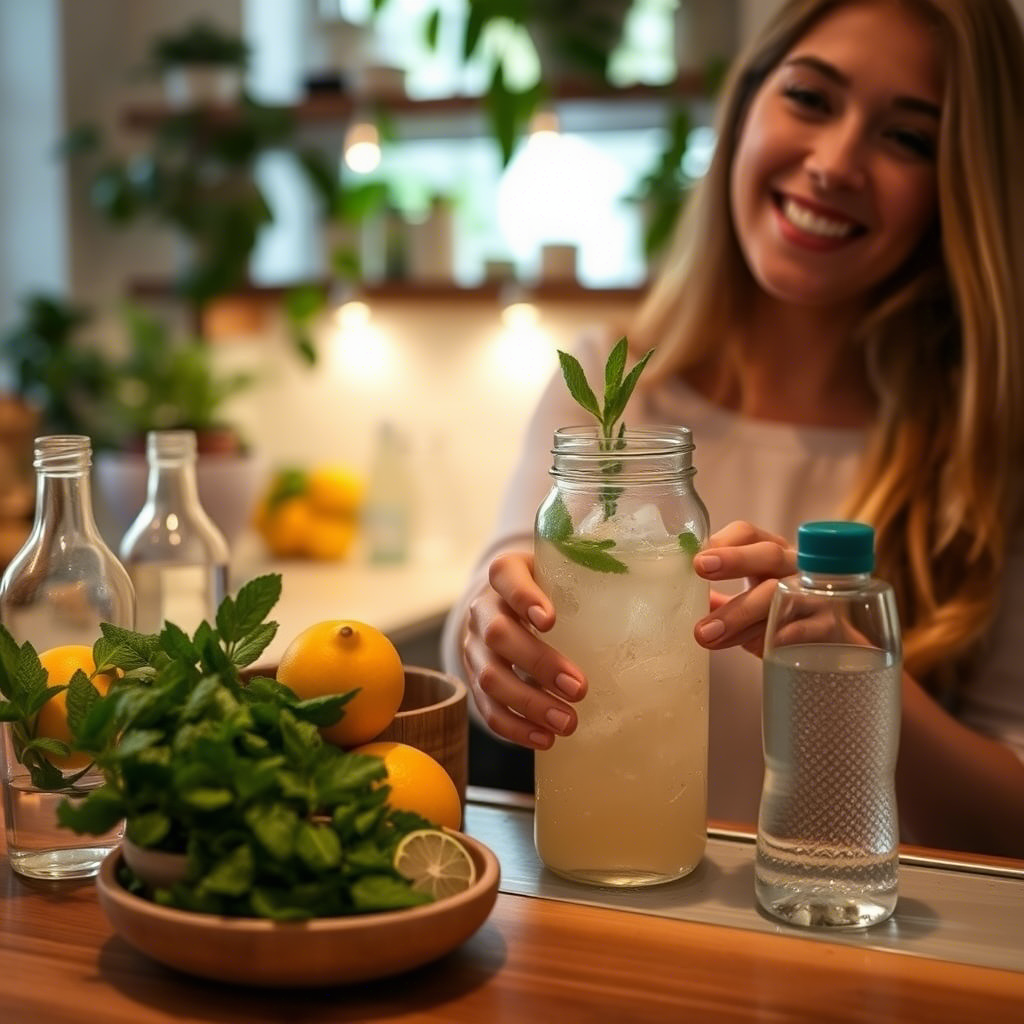
What if you could relax in just five minutes without alcohol? It sounds magical, right? Well, it’s not magic—it’s Relaxing Non-Alcoholic Cocktails. These drinks are quick, tasty, and full of calm vibes. They help you unwind after a long day. No need for fancy bar skills—just simple ingredients and a glass.
Curious about how these drinks can make you feel so relaxed? Let’s shake things up and find out together!
Relax and refresh with a delightful non-alcoholic cocktail made with love.
Relaxing Non-Alcoholic Cocktails: What Makes These Drinks Special?
Relaxing Non-Alcoholic Cocktails are your new best friend when you need a break. They’re special because they use herbs and fruits that naturally calm you down—no alcohol needed! Plus, they take only 5 minutes to make, so you can relax fast, whether it’s after school, work, or just because. They’re super easy too—anyone can whip them up, no matter how new you are to mixing drinks. Want a quick way to feel calm and happy? These cocktails are the answer. Let’s get mixing!
– Time Requirement: 5 minutes flat for each drink!
– Difficulty Level: Super easy—perfect for beginners or busy folks!
– Special Factor: Calming ingredients make you feel relaxed without booze.
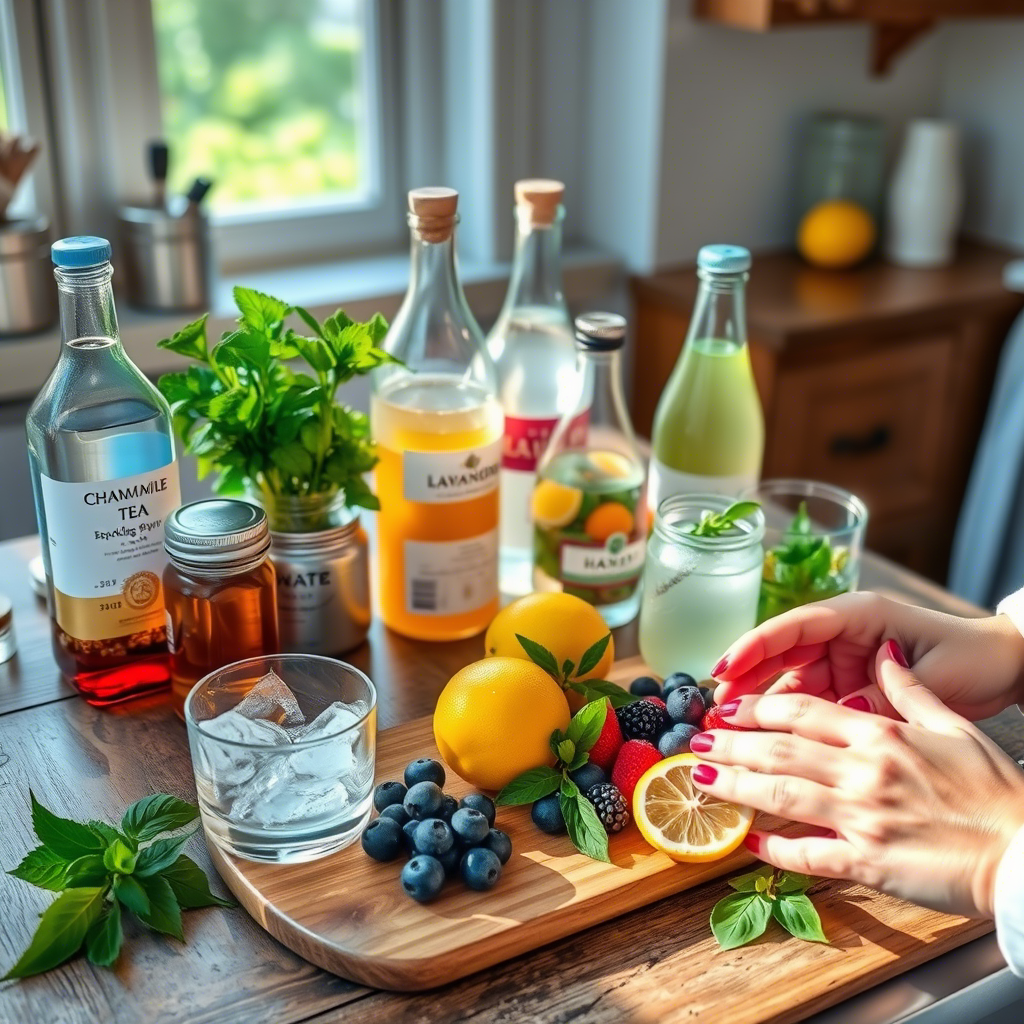
Gather fresh ingredients to create your perfect relaxing non-alcoholic cocktail.
Here’s what you’ll need to make these Relaxing Non-Alcoholic Cocktails. These ingredients are simple, and you can swap stuff out if you’re missing something. Let’s break it down:
– Herbal Tea (Chamomile, Lavender): The chill-out champs! Chamomile calms your nerves, and lavender helps you sleep better. Brew it quick for a soothing base.
– Substitution: Try peppermint tea or rooibos if you’re out of these.
– Fresh Fruits (Lemon, Berries): They add sweet and tangy flavors plus vitamins to lift your mood. Lemons wake up your taste buds, and berries are little happiness bombs!
– Variation: Use lime, orange, or even pineapple chunks.
– Honey or Maple Syrup: A touch of natural sweetness makes it yummy without sugar overload. Honey’s cozy, and maple syrup adds a fun twist.
– Substitution: Swap for agave syrup or skip it if you like tart drinks.
– Sparkling Water or Juice: These bring the fizz or juice kick! Sparkling water feels fancy, and juice (like apple or cranberry) adds flavor.
– Variation: Try tonic water or coconut water instead.
– Herbs (Mint, Basil): Fresh herbs give a cool taste and extra calm. Mint refreshes you, and basil adds a surprise zing.
– Substitution: Use rosemary or skip herbs if you’re out.
– Ice: Keeps your drink cold and crisp—perfect for relaxing on a hot day!
– Variation: Freeze fruit juice into cubes for a fun twist.
These ingredients mix up fast to make drinks that taste great and chill you out. Got extras in your kitchen? Toss them in—these cocktails love a little creativity!
Indulge in the vibrant flavors of these refreshing non-alcoholic cocktails, perfect for any occasion.
Love mixing it up? Here are fun twists for your Relaxing Non-Alcoholic Cocktails:
– Chamomile Lemon Cooler: Swap lemon for lime or add a pinch of ginger.
– Lavender Berry Bliss: Use raspberries or skip syrup for a tart kick.
– Minty Apple Spritz: Try cranberry juice or swap mint for rosemary.
– Cranberry Chamomile Fizz: Use orange juice or add a mint leaf.
– Basil Orange Chill: Swap basil for thyme or use grapefruit juice.
– Peppermint Berry Splash: Try blackberries or add a splash of coconut water.
– Lavender Lemon Twist: Use honey instead of syrup or add a berry garnish.
Play with these ideas—these drinks are all about chill vibes!
Conclusion
There you go—*How to Make Relaxing Non-Alcoholic Cocktails in 5 Minutes Flat*! These drinks are quick, yummy, and perfect for kicking back. From fruity fizz to herbal calm, they help you relax without any fuss. Grab some tea, fruit, and a glass, and mix up some peace. You’ll love how fast and fun it is to feel good. Try new flavors, share with friends, and enjoy every sip. Cheers to calm!
FAQs
Got questions? Here are answers to help you ace these Relaxing Non-Alcoholic Cocktails:
– Can I use tea bags instead of loose tea?
Yep! Tea bags are perfect—just make sure they’re plain, no extra sugar.
– What’s the relaxing benefit of these drinks?
Herbs like chamomile and lavender calm your nerves, and fruits lift your mood!
– How long do these stay fizzy?
Best fresh—fizz lasts a few hours. Add sparkling water right before drinking.
– Can I make these ahead for a party?
Yes! Brew tea and muddle fruit ahead—add ice and fizz when guests arrive.
– What if I don’t have sparkling water?
No problem! Use juice or flat water—still tasty and relaxing.
– Are these okay for kids?
Totally! They’re gentle and fun—just skip strong herbs if kids don’t like them.
More questions? Drop them in the comments—I’d love to help!
Did you know eating certain foods can make your brain sharper? Imagine enjoying a meal that boosts your memory and focus. It’s not just a dream—it’s real! Welcome to Recipes for Cognitive Health: Why You’ll Love 7 Dishes. These recipes are packed with brain-boosting ingredients and taste amazing. You’ll want to make them every day.
Curious about how food can improve your brain function? Let’s explore together!
Recipes for Cognitive Health: What Makes These Dishes Special?
These recipes are all about feeding your brain the best foods. They’re like superhero meals that fight forgetfulness and boost energy. They use simple ingredients like nuts, fish, and berries that science says are great for your brain. Plus, they’re quick and easy to make.
Whether you’re busy or just want to feel sharper, these recipes are your secret weapon. Ready to cook your way to a smarter you? Let’s get started!
– Time Requirement: Most dishes take 15-30 minutes.
– Difficulty Level: Easy—perfect for beginners or busy folks!
– Special Factor: Brain-boosting ingredients make you think better and feel great.
Recipes for Cognitive Health: Essential Ingredients
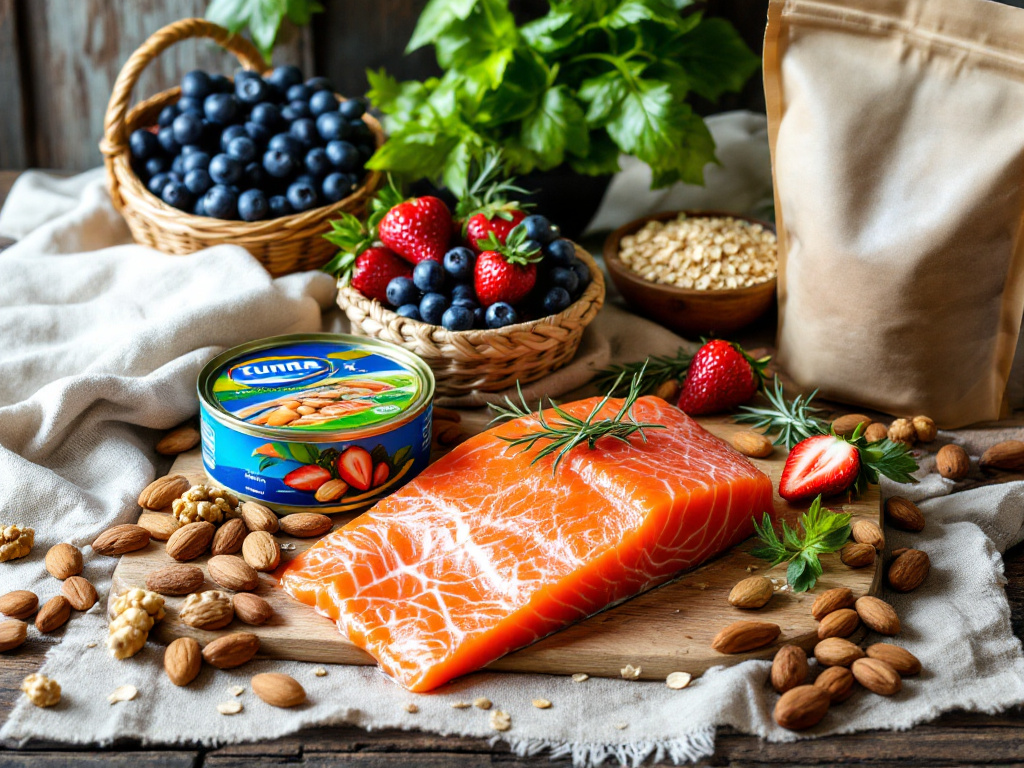
Discover the key ingredients that power our Recipes for Cognitive Health. From fatty fish like salmon and tuna to nutrient-rich nuts, berries, whole grains, leafy greens, and healthy fats, these components are essential for boosting brain function and overall well-being.
Here’s what you’ll need for these Recipes for Cognitive Health. These ingredients are easy to find and can be swapped if needed. Let’s take a look:
– Fatty Fish (Salmon, Tuna): Fish is brain food! It’s full of omega-3s that help you focus and remember stuff. Salmon’s tasty and mild, while tuna’s quick and cheap.
– Substitution: No fish? Try flaxseeds or chia seeds for omega-3s.
– Nuts (Walnuts, Almonds): These crunchy buddies have healthy fats and vitamin E to keep your brain young. Walnuts even look like little brains—cool, right?
– Variation: Swap for pecans or sunflower seeds.
– Berries (Blueberries, Strawberries): They’re sweet and loaded with antioxidants that protect your brain from stress. Blueberries are tiny memory helpers!
– Substitution: Use raspberries or blackberries instead.
– Whole Grains (Oats, Quinoa): These give you steady energy so your brain doesn’t get tired. Oats are cozy, and quinoa’s packed with protein.
– Variation: Try brown rice or barley.
– Leafy Greens (Spinach, Kale): They’re full of vitamins like K and folate that make your brain work better. Spinach is soft and mild, kale’s a bit tougher but super healthy.
– Substitution: Swap for arugula or Swiss chard.
– Healthy Fats (Olive Oil, Avocado): These make food yummy and help your brain soak up all the good nutrients. Olive oil’s a kitchen star, and avocado’s creamy goodness!
– Variation: Use coconut oil or nut butter.
These ingredients team up to make your brain happy and your taste buds dance. Got extras at home? Toss them in—these recipes love a little fun!
Recipes for Cognitive Health: Step-by-Step Instructions
Let’s cook these 7 Recipes for Cognitive Health! Each one is simple, with tips to make it a breeze. Here’s how to do it:
Dish 1: Salmon Berry Salad (15 minutes)
1. Grill 1 salmon fillet (4 oz) with 1 tsp olive oil for 5 minutes per side.
2. Mix 1 cup spinach with ½ cup blueberries in a bowl.
3. Break salmon into chunks and toss it in—drizzle with 1 tbsp olive oil.
Tip: Cook salmon on medium heat so it stays juicy!
Dish 2: Walnut Oat Breakfast Bowl (10 minutes)
1. Cook ½ cup oats with 1 cup water for 5 minutes—stir it up!
2. Top with ¼ cup chopped walnuts and ½ tsp cinnamon.
3. Add a handful of strawberries for sweetness.
Tip: Stir oats while cooking so they don’t stick!
Dish 3: Tuna Quinoa Bites (20 minutes)
1. Mix 1 can tuna (drained) with 1 cup cooked quinoa and 1 egg.
2. Shape into small patties—about 6—and cook in 1 tbsp olive oil for 5 minutes per side.
3. Sprinkle with a pinch of salt.
Tip: Press patties tight so they don’t fall apart!
Dish 4: Blueberry Spinach Smoothie (5 minutes)
1. Blend 1 cup spinach, ½ cup blueberries, and 1 tbsp almond butter.
2. Add 1 cup water and mix until smooth.
3. Pour into a glass and sip away!
Tip: Use cold water for a refreshing chill!
Dish 5: Avocado Egg Toast (10 minutes)
1. Toast 1 slice whole-grain bread until crispy.
2. Mash ½ avocado and spread it on the toast.
3. Fry 1 egg sunny-side up and place it on top—add a pinch of pepper.
Tip: Cook the egg on low heat for a runny yolk!
Dish 6: Kale Quinoa Bowl (25 minutes)
1. Cook ½ cup quinoa in 1 cup water for 15 minutes—fluff it up!
2. Sauté 1 cup kale in 1 tbsp olive oil for 5 minutes.
3. Mix kale with quinoa and top with ¼ cup walnuts.
Tip: Massage kale with oil first to make it softer!
Dish 7: Berry Nut Parfait (10 minutes)
1. Layer ½ cup plain yogurt with ¼ cup blueberries in a glass.
2. Add ¼ cup chopped almonds on top.
3. Repeat layers and finish with a few berries.
Tip: Use a tall glass to show off the pretty layers!
These steps are quick and fun, right? Your brain will thank you for every bite!
Recipes for Cognitive Health: Assembly
Putting these Recipes for Cognitive Health together is the best part! Here’s how to assemble each dish and make them look as good as they taste:
– Salmon Berry Salad: Pile spinach in a bowl, scatter blueberries, and top with salmon chunks. Drizzle oil like a pro!
– Walnut Oat Breakfast Bowl: Spoon oats into a bowl, sprinkle walnuts and strawberries in a circle. Cozy and colorful!
– Tuna Quinoa Bites: Stack 3 bites on a plate, add a sprig of parsley on top. Cute and crunchy!
– Blueberry Spinach Smoothie: Pour into a tall glass, add a strawberry on the rim. Cool and inviting!
– Avocado Egg Toast: Cut toast in half, place the egg in the middle. Simple and sunny!
– Kale Quinoa Bowl: Scoop quinoa into a bowl, pile kale on one side, walnuts on the other. Bright and bold!
– Berry Nut Parfait: Layer yogurt and berries in a glass, top with almonds. Sweet and fancy!
Presentation Tip: Use fun bowls or glasses to make your brain food pop!
Recipes for Cognitive Health: Storage and Make-Ahead Tips
Want to enjoy these Recipes for Cognitive Health later? Here’s how to keep them fresh:
– Storage:
– Salads and bowls: Store in airtight containers in the fridge for 2-3 days.
– Bites and toast toppings: Keep in the fridge for 2 days—use sealed bags.
– Smoothies and parfaits: Best fresh, but can last 1 day in the fridge.
– Make-Ahead:
– Cook quinoa or oats ahead—they’re good for 4 days in the fridge.
– Prep veggies (chop kale or spinach) and store in bags for quick use.
– Mix dry ingredients (like nuts and berries) in a jar—ready to grab!
– Reheating:
– Warm bites or bowls in the microwave for 1 minute—stir halfway.
– Toast can be reheated in a toaster—add fresh toppings after.
– Smoothies? Shake them up cold—no heat needed!
These tips make brain-boosting eating super easy!
Recipes for Cognitive Health: Recipe Variations
Love mixing things up? Here are fun twists for your Recipes for Cognitive Health:
– Salmon Berry Salad: Swap salmon for tuna or use raspberries instead of blueberries.
– Walnut Oat Breakfast Bowl: Try pecans or add a drizzle of honey.
– Tuna Quinoa Bites: Use salmon or add a pinch of paprika for spice.
– Blueberry Spinach Smoothie: Swap spinach for kale or add a banana.
– Avocado Egg Toast: Use scrambled eggs or sprinkle chia seeds on top.
– Kale Quinoa Bowl: Try spinach or toss in some dried cranberries.
– Berry Nut Parfait: Use strawberries or swap almonds for hazelnuts.
Play with these ideas—your brain will love the variety!
Conclusion
There you have it—Recipes for Cognitive Health: Why You’ll Love 7 Dishes*! These meals are fast, tasty, and packed with brainpower. From crunchy bites to creamy smoothies, they help you think clearer and feel sharper every day. Grab some fish, nuts, or berries, and start cooking. You’ll be amazed how easy it is to feed your brain and enjoy every bite. Mix up flavors, share with friends, and have fun feeling smart. Happy eating!
FAQs
Got questions? Here are answers to help you master these Recipes for Cognitive Health:
– Can I use frozen berries instead of fresh?
Yep! Frozen berries work great—just thaw them a little first.
– What’s the best brain benefit from these dishes?
Omega-3s, antioxidants, and vitamins boost memory, focus, and energy!
– How long do these ingredients last?
Fish and greens last 2-3 days in the fridge, nuts and grains up to a month in a pantry.
– Can I freeze these dishes?
Yes! Bites and bowls freeze for 2 months—thaw overnight. Smoothies are best fresh, though.
– What if I don’t eat fish?
No worries! Use seeds like flax or chia for those brainy omega-3s.
– Are these good for kids?
Totally! They’re mild and healthy—kids love the berries and nuts!
More questions? Drop them in the comments—I’d love to chat!
What if you could bake yummy treats without all that sugar? Sounds too good to be true, right? Well, guess what—dates can make it happen! These sweet little fruits are nature’s candy, and they’re here to change your baking game. In this blog post, we’re diving into Dates as a Natural Sweetener in Baking: How to Make 6 Goodies. You’ll learn how to whip up delicious snacks and desserts that are good for you too—no sugar crashes, just pure tasty fun! Curious how a handful of dates can turn into goodies you’ll crave every day? Stick around and let’s find out together!
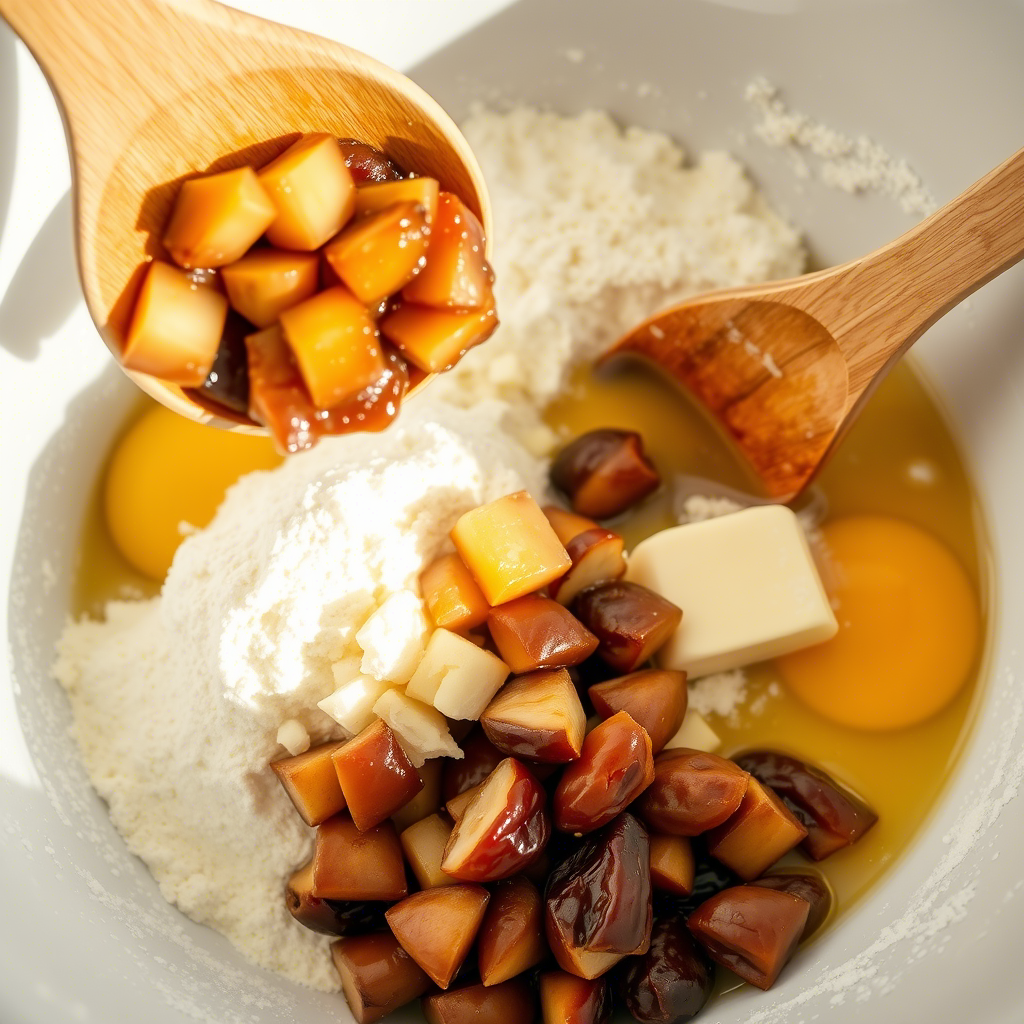
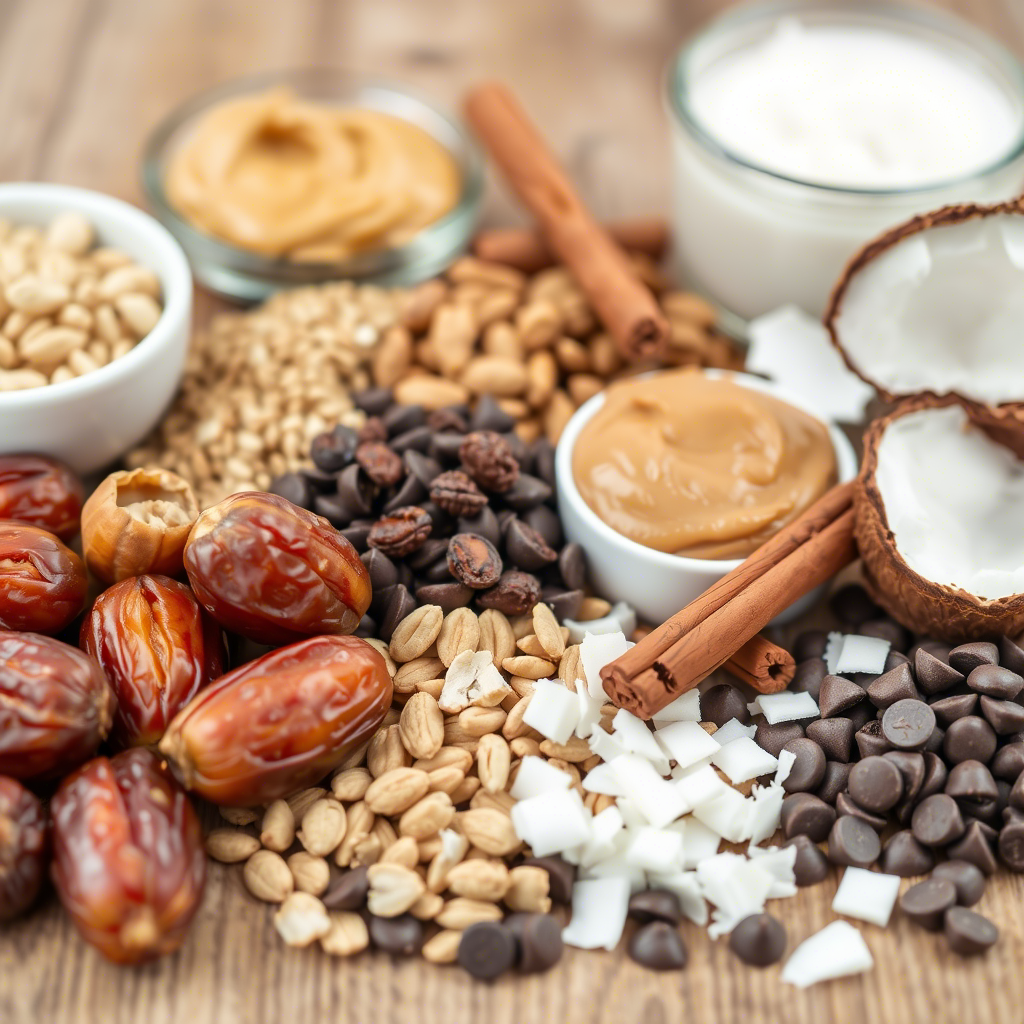
Incorporate the natural sweetness of dates into your baking with this delightful mix of ingredients. Perfect for creating healthier and flavorful treats.
Dates as a Natural Sweetener in Baking: What Makes These Goodies Special?
Dates as a Natural Sweetener in Baking are all about swapping out refined sugar for something healthier and just as sweet. Dates are packed with natural goodness—like fiber, vitamins, and energy—that make your treats taste amazing without the guilt. These 6 goodies are quick to make, taking 15 to 30 minutes each, and they’re super easy, even if you’re new to baking. Whether you’re after a snack for school, a dessert for movie night, or something to share with friends, these recipes have you covered. Ready to bake smarter and sweeter? Let’s get started!
– Time Requirement: Most goodies take 15-30 minutes.
– Difficulty Level: Easy—great for beginners or busy bakers!
– Special Factor: Dates add sweetness plus health perks sugar can’t match.
Dates as a Natural Sweetener in Baking: Essential Ingredients
Discover the power of dates as a natural sweetener in your baking recipes. Combine these delicious fruits with oats, nuts, chocolate, and more to create healthy and flavorful desserts.
Here’s what you’ll need for these Dates as a Natural Sweetener in Baking goodies. These ingredients are simple, and you can switch things up if you’re out of something. Let’s check them out:
– Dates: The star player! They’re naturally sweet and sticky, perfect for binding goodies. They’ve got fiber to keep you full and potassium for your muscles.
– Substitution: No dates? Try figs or raisins—just soak them first.
– Whole Grains (Oats, Flour): Oats make things chewy and filling, while flour (like whole wheat) gives structure. Both are energy boosters!
– Variation: Use almond flour or quinoa flakes instead.
– Nuts (Almonds, Walnuts): They add crunch and healthy fats for your heart. Plus, they taste awesome with dates!
– Substitution: Swap for pecans or sunflower seeds if you like.
– Healthy Fats (Coconut Oil, Peanut Butter): These make your goodies rich and help hold them together. Coconut oil adds a tropical vibe, and peanut butter is a kid-favorite.
– Variation: Try butter or almond butter instead.
– Spices (Cinnamon, Vanilla): They bring warm, cozy flavors. Cinnamon helps your blood sugar, and vanilla makes everything smell like a bakery!
– Substitution: Use nutmeg or almond extract for a twist.
– Extras (Chocolate Chips, Coconut): These add fun! Dark chocolate chips give a little sweetness, and coconut flakes make it fancy.
– Variation: Swap for dried fruit or chia seeds.
These ingredients mix with dates to make treats that are sweet, healthy, and oh-so-good. Got stuff in your pantry? Toss it in—these recipes love a little creativity!
Dates as a Natural Sweetener in Baking: Step-by-Step Instructions
Let’s bake these 6 Dates as a Natural Sweetener in Baking goodies! Each one is easy, with tips to help you out. Here’s how to do it:
Goodie 1: Date Oat Energy Balls (15 minutes)
1. Pit 1 cup dates and blend them with 1 cup oats in a food processor until sticky.
1. Blend ¾ cup pitted dates with ¼ cup water into a smooth paste.
2. Mix with 2 mashed bananas, 1 egg, 1 cup flour, and 1 tsp vanilla.
3. Pour into a loaf pan and bake at 350°F for 25 minutes.
Tip: Poke it with a toothpick—if it’s clean, it’s done!
Goodie 3: Date Nut Cookies (20 minutes)
1. Blend ½ cup dates with 2 tbsp coconut oil until smooth.
2. Stir in 1 cup oats, ¼ cup chopped walnuts, and a pinch of cinnamon.
3. Drop spoonfuls onto a baking sheet and bake at 350°F for 15 minutes.
Tip: Flatten them a bit so they cook evenly.
Goodie 4: Date Chocolate Bars (25 minutes)
1. Blend 1 cup dates with ¼ cup melted dark chocolate chips.
2. Mix in 1 cup oats and 2 tbsp almond butter.
3. Press into a pan, chill for 20 minutes, then cut into bars.
Tip: Line the pan with parchment paper for easy removal!
Goodie 5: Date Cinnamon Muffins (30 minutes)
1. Blend ¾ cup dates with ¼ cup water into a paste.
2. Mix with 1 cup flour, 1 egg, 1 tsp cinnamon, and 2 tbsp coconut oil.
3. Spoon into muffin cups and bake at 350°F for 20 minutes.
Tip: Fill cups halfway—they’ll puff up!
Goodie 6: Date Coconut Bites (15 minutes)
1. Blend 1 cup dates with ½ cup shredded coconut until sticky.
2. Add ¼ cup chopped almonds and mix well.
3. Shape into bites and roll in extra coconut—chill for 10 minutes.
Tip: Press hard when shaping so they hold together!
These steps are simple and fast, right? Dates make everything naturally sweet and yummy!
Dates as a Natural Sweetener in Baking: Assembly
Putting these Dates as a Natural Sweetener in Baking goodies together is a blast! Here’s how to assemble them and make them look awesome:
– Date Oat Energy Balls: Roll 3 balls on a plate with a sprinkle of oats on top. So cute and snackable!
– Date-Sweetened Banana Bread: Slice thick, stack two pieces, and dust with cinnamon. Warm and cozy!
– **Date Nut Cookies:** Pile 4 cookies on a plate with a walnut on top. Crunchy and inviting!
– Date Chocolate Bars: Cut into squares, stack them, and drizzle with melted chocolate. Fancy and fun!
– Date Cinnamon Muffins: Place 2 muffins in a basket with a cinnamon stick nearby. Bakery vibes!
– Date Coconut Bites: Arrange 5 bites in a circle, sprinkle with coconut flakes. Tropical and pretty!
*Presentation Tip:* Use bright plates or a wooden board to show off those healthy colors!
Dates as a Natural Sweetener in Baking: Storage and Make-Ahead Tips
Want to save these Dates as a Natural Sweetener in Baking goodies for later? Here’s how to keep them fresh:
– Storage:
– Energy balls and bites: Store in an airtight container in the fridge for up to 2 weeks.
– Cookies and bars: Keep in a sealed tin at room temp for 5 days or fridge for 10 days.
– Bread and muffins: Wrap in foil and refrigerate for 5 days—or freeze for 2 months!
– Make-Ahead:
– Blend date paste ahead of time and store in the fridge for a week.
– Mix dry ingredients (like oats and flour) in a bag—ready to go!
– Shape balls or bars and freeze them uncooked—bake later.
– Reheating:
– Warm bread or muffins in the microwave for 20 seconds—soft and yummy again!
– Cookies and bars are great cold, but 5 minutes at 300°F crisps them up.
– Bites and balls? Eat them straight from the fridge—no reheating needed!
These tips make baking fit your schedule—sweet and easy!
Dates as a Natural Sweetener in Baking: Recipe Variations
Love switching things up? Here are fun twists for your Dates as a Natural Sweetener in Baking goodies:
– Date Oat Energy Balls: Add cocoa powder or swap peanut butter for honey.
– Date-Sweetened Banana Bread: Toss in blueberries or use applesauce instead of egg.
– Date Nut Cookies: Try pecans or add a few chocolate chips for extra yum.
– Date Chocolate Bars: Use white chocolate or mix in dried cranberries.
– Date Cinnamon Muffins: Add chopped apples or swap cinnamon for pumpkin spice.
– Date Coconut Bites: Roll in crushed nuts or mix in a pinch of sea salt.
Play with these ideas—dates make every tweak taste great!
Dates as a Natural Sweetener in Baking: Conclusion
There you go—Dates as a Natural Sweetener in Baking: How to Make 6 Goodies! These treats are quick, healthy, and so much fun to bake. From chewy balls to warm muffins, dates bring natural sweetness and feel-good vibes to every bite. Grab some dates, hit the kitchen, and whip these up. You’ll love how easy it is to enjoy sweets that are good for you. Mix up flavors, share with friends, and have a blast baking. Happy munching!
Dates as a Natural Sweetener in Baking: FAQs
Got questions? Here are answers to help you nail these Dates as a Natural Sweetener in Baking goodies:
– Do I need to soak dates first?
Nope, soft dates blend fine! If they’re hard, soak in warm water for 10 minutes, then drain.
– What’s the health benefit of using dates?
Dates have fiber to keep you full, plus vitamins and energy—no sugar crash like with regular sweets!
– Can I use a blender instead of a food processor?
Yes! Just blend in small batches—it might take a little longer, but it works.
– How long do these goodies last?
Most last 5-10 days in the fridge. Bread and muffins can freeze for 2 months—perfect for later!
– What if I don’t like nuts?
Skip them! Use seeds like sunflower or just leave them out—the dates still shine.
– Are these kid-friendly?
Totally! They’re sweet and soft—kids love them. Just skip nuts if allergies are a worry.
More questions? Pop them in the comments—I’m here to help!
Have you ever wondered if your tea could do more than just warm you up? What if that cozy drink could turn into yummy meals that make you feel awesome too? Get ready to be amazed! Tea isn’t just for sipping—it’s the star of some super-healthy dishes that are easy to make and taste so good you’ll want more. In this blog post, we’re exploring Tea-Based Recipes for Health: Why You’ll Love 7 Dishes. These recipes mix tea with everyday ingredients to boost your immune system, calm your mind, and keep your body happy. Curious how a tea bag can become a meal you can’t stop eating? Let’s find out together!
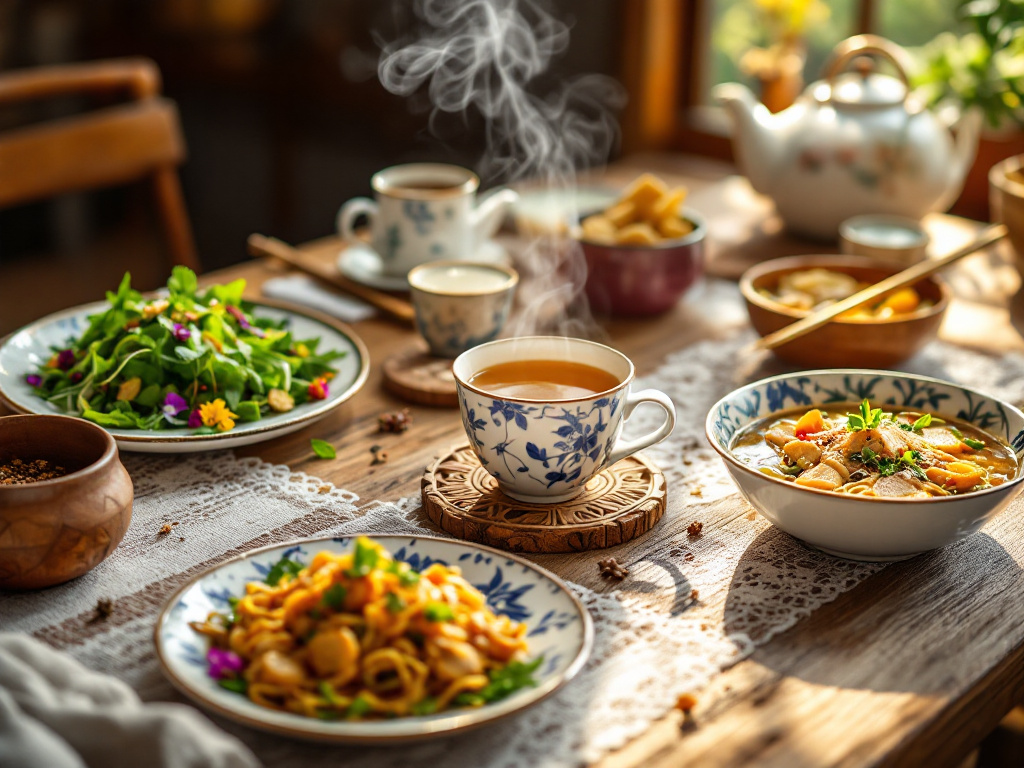
Explore a collection of nutritious and flavorful Tea-Based Recipes for Health that bring the benefits of tea to your table.
Tea-Based Recipes for Health: What Makes Them Special?
Tea-Based Recipes for Healthturn your favorite tea into food that’s good for you and fun to eat. Tea has special powers—like fighting colds, helping you relax, and giving your brain a boost. When you cook with it, you get all those perks in every bite! Plus, these 7 dishes are super quick—most take less than 30 minutes. They’re beginner-friendly too, so you don’t need to be a chef to make them. Whether you’re busy or just want something tasty and healthy fast, these recipes are perfect. Ready to see how tea can change your kitchen game? Let’s dig in!
Time Requirement: Most dishes take 15-30 minutes.
Difficulty Level: Easy—perfect for new cooks or busy folks!
Special Factor: Tea adds flavor and health benefits you won’t find anywhere else.
Tea-Based Recipes for Health: Essential Ingredients
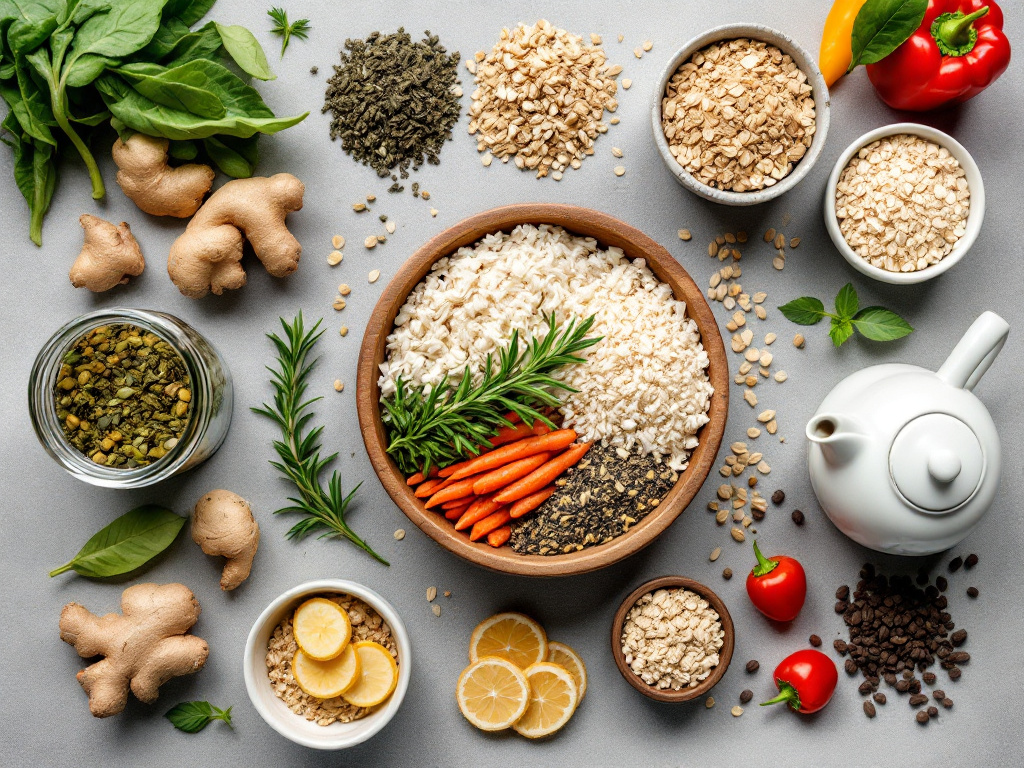
Gather the key ingredients for creating nutritious and flavorful Tea-Based Recipes for Health.
Here’s what you’ll need to make these Tea-Based Recipes for Health. These ingredients are simple, and you can swap things out if you’re missing something. Let’s break it down:
Tea (Green, Black, or Herbal): The star of the show! Green tea gives energy and fights germs. Black tea has a bold taste and helps your heart. Herbal teas, like chamomile or ginger, calm you down and soothe your tummy. Pick your favorite!
Substitution: No green tea? Try matcha powder. Out of black tea? Use rooibos instead.
Whole Grains (Rice, Quinoa, Oats): These keep you full and give you energy. Quinoa is packed with protein, while oats are gentle on your stomach.
Variation: Swap rice for couscous or oats for barley.
Fresh Veggies (Spinach, Carrots, Bell Peppers): They add crunch, color, and vitamins. Spinach is great for your immune system, and carrots help your eyes.
Substitution: Use kale for spinach or zucchini for peppers.
Protein (Chicken, Tofu, Eggs): Protein keeps your muscles strong. Chicken is lean and filling, tofu’s perfect for plant-based eaters, and eggs are quick and cheap.
Variation: Try fish or beans instead.
Spices (Ginger, Turmeric, Cinnamon): These make your food taste awesome and fight inflammation. Ginger wakes up your taste buds, and turmeric is a health rockstar.
Substitution: Swap cinnamon for nutmeg or turmeric for curry powder.
Healthy Fats (Olive Oil, Avocado): They make everything creamy and help your body soak up vitamins. Olive oil is a must-have, and avocado adds richness.
Variation: Use coconut oil or nuts like almonds.
These ingredients team up with tea to make dishes that are yummy and good for you. Got extras in your fridge? Toss them in—these recipes are super flexible!
Tea-Based Recipes for Health: Step-by-Step Instructions
Let’s make these 7 Tea-Based Recipes for Health! Each one is simple, with tips to make cooking easy. Here’s how to do it:
Dish 1: Green Tea Chicken Soup (20 minutes)
Boil 2 cups of water and steep 2 green tea bags for 5 minutes. Remove bags.
Add 1 cup diced chicken and 1 sliced carrot to the tea broth. Cook for 10 minutes.
Toss in a handful of spinach and 1 tsp ginger. Simmer for 5 more minutes. Tip: Stir gently so the spinach doesn’t get mushy!
Dish 2: Black Tea Quinoa Bowl (25 minutes)
Brew 1 cup black tea (1 tea bag) and let it cool a bit.
Cook ½ cup quinoa in the tea instead of water—about 15 minutes.
Mix in chopped bell peppers, 1 tbsp olive oil, and a pinch of turmeric. Tip: Fluff quinoa with a fork for the best texture.
Dish 3: Chamomile Oatmeal Bites (15 minutes)
Steep 1 chamomile tea bag in ½ cup hot water for 5 minutes.
Mix tea with 1 cup oats, 1 mashed banana, and 1 tsp cinnamon.
Shape into small balls and bake at 350°F for 10 minutes. Tip: Wet your hands to shape the balls without sticking!
Dish 4: Ginger Tea Stir-Fry (20 minutes)
Brew 1 ginger tea bag in 1 cup water for 5 minutes.
Sauté 1 cup tofu and 1 sliced pepper in 1 tbsp olive oil for 5 minutes.
Pour in tea and cook until it reduces—about 5 minutes. Tip: High heat makes the tea soak into the tofu fast.
Dish 5: Matcha Avocado Toast (10 minutes)
Mix 1 tsp matcha powder with 1 tbsp warm water until smooth.
Mash ½ avocado and stir in the matcha mix.
Spread on whole-grain toast and sprinkle with a pinch of salt. Tip: Toast the bread extra crispy for a nice crunch!
Dish 6: Turmeric Tea Rice (25 minutes)
Steep 1 turmeric tea bag in 2 cups water for 5 minutes. Remove bag.
Cook 1 cup rice in the tea broth until fluffy—about 20 minutes.
Stir in 1 tbsp chopped spinach and a drizzle of olive oil. Tip: Rinse rice first to keep it from getting sticky.
Dish 7: Herbal Tea Egg Scramble (15 minutes)
Brew 1 herbal tea bag (like peppermint) in ½ cup water for 5 minutes. Cool it.
Whisk 2 eggs with the tea and a pinch of salt.
Scramble in a pan with 1 tsp olive oil for 5 minutes. Tip: Low heat keeps the eggs soft and fluffy!
These steps are quick and easy, right? You’ll love how tea makes everything taste special.
Tea-Based Recipes for Health: Assembly
Putting these Tea-Based Recipes for Health together is the fun part! Here’s how to assemble each dish and make them look as good as they taste:
Green Tea Chicken Soup: Pour into a bowl, top with fresh spinach, and serve with a spoon. Pretty and warm!
Black Tea Quinoa Bowl: Scoop quinoa into a bowl, arrange peppers on top like a rainbow, and drizzle with oil. So colorful!
Chamomile Oatmeal Bites: Stack 3 bites on a plate with a drizzle of honey. They look like little treats!
Ginger Tea Stir-Fry: Pile tofu and peppers on a plate, add sesame seeds for crunch. Looks fancy, tastes great!
Matcha Avocado Toast: Cut toast into triangles, add a dash of pepper on top. It’s Instagram-ready!
Turmeric Tea Rice: Fluff rice in a bowl, top with spinach swirls, and a lemon slice on the side. Bright and cheerful!
Herbal Tea Egg Scramble: Serve on a plate with toast or fruit. Simple and inviting!
Presentation Tip: Use colorful plates or bowls to make the healthy vibes pop!
Tea-Based Recipes for Health: Storage and Make-Ahead Tips
Want to enjoy these Tea-Based Recipes for Health later? Here’s how to keep them fresh:
Storage:
Soups and stir-fries: Store in airtight containers in the fridge for up to 3 days.
Quinoa and rice dishes: Keep in the fridge for 4 days—glass containers work best!
Oatmeal bites and toast toppings: Refrigerate for 2 days in a sealed bag.
Eggs: Best eaten fresh, but can last 1 day in the fridge.
Make-Ahead:
Brew extra tea and store it in the fridge for up to 3 days. Use it cold or reheat it.
Cook grains like quinoa or rice ahead of time—they’re good for 4 days.
Prep veggies (chop peppers or spinach) and keep them in the fridge for quick assembly.
Reheating:
Microwave soups and grains for 1-2 minutes—stir halfway.
Reheat stir-fries in a pan with a splash of water to keep them juicy.
Oatmeal bites taste great cold, but warm them at 300°F for 5 minutes if you like!
These tips make healthy eating fit your busy life.
Tea-Based Recipes for Health: Recipe Variations
Love mixing things up? Here are some fun twists for your Tea-Based Recipes for Health:
Green Tea Chicken Soup: Swap chicken for shrimp or add noodles for a heartier bowl.
Black Tea Quinoa Bowl: Use sweet potatoes instead of peppers for a cozy vibe.
Chamomile Oatmeal Bites: Add raisins or nuts for extra chewiness.
Ginger Tea Stir-Fry: Try beef strips or broccoli for a new flavor combo.
Matcha Avocado Toast: Top with a fried egg or sprinkle chia seeds for a boost.
Turmeric Tea Rice: Mix in chickpeas or swap spinach for kale.
Herbal Tea Egg Scramble: Use peppermint tea and add diced tomatoes for freshness.
Play around with these ideas—tea works with almost anything!
Conclusion
There you have it—Tea-Based Recipes for Health: Why You’ll Love 7 Dishes! These recipes are fast, fun, and full of good-for-you stuff. From soothing soups to zesty toasts, tea makes every bite special while keeping you healthy. So grab your favorite tea bag, hit the kitchen, and try these out. You’ll be amazed at how easy it is to eat well and feel great. Experiment with flavors, share with friends, and enjoy every delicious moment. Happy cooking!
FAQs
Got questions? Here are answers to help you master these Tea-Based Recipes for Health:
Can I use tea bags instead of loose tea? Yep! Tea bags work just fine—just check they’re plain (no added sugar). One bag usually equals 1 teaspoon of loose tea.
What’s the biggest health benefit of these recipes? Tea adds antioxidants that fight colds and stress. Plus, you get vitamins and energy from the veggies and grains!
How long does brewed tea last for cooking? Keep it in the fridge for up to 3 days. After that, it might lose its flavor.
Can I freeze these dishes? Yes, soups and grains freeze well for up to 2 months. Thaw overnight and reheat gently. Oatmeal bites and eggs are better fresh, though.
What if I don’t like green tea? No problem! Swap it for black, herbal, or even fruity teas—whatever you love works great.
Are these good for kids? Totally! They’re mild and healthy—just skip strong spices like ginger if kids prefer gentler tastes.
Have more questions? Drop them in the comments—I’d love to help!
Do You Struggle to Find Healthy Snacks That Actually Taste Good?
When looking for healthy and tasty options, Customized Functional Snack Recipes are the perfect solution. Unlike store-bought snacks that are often too sugary or lack nutritional value, these recipes allow you to create snacks that are both delicious and nutritious.
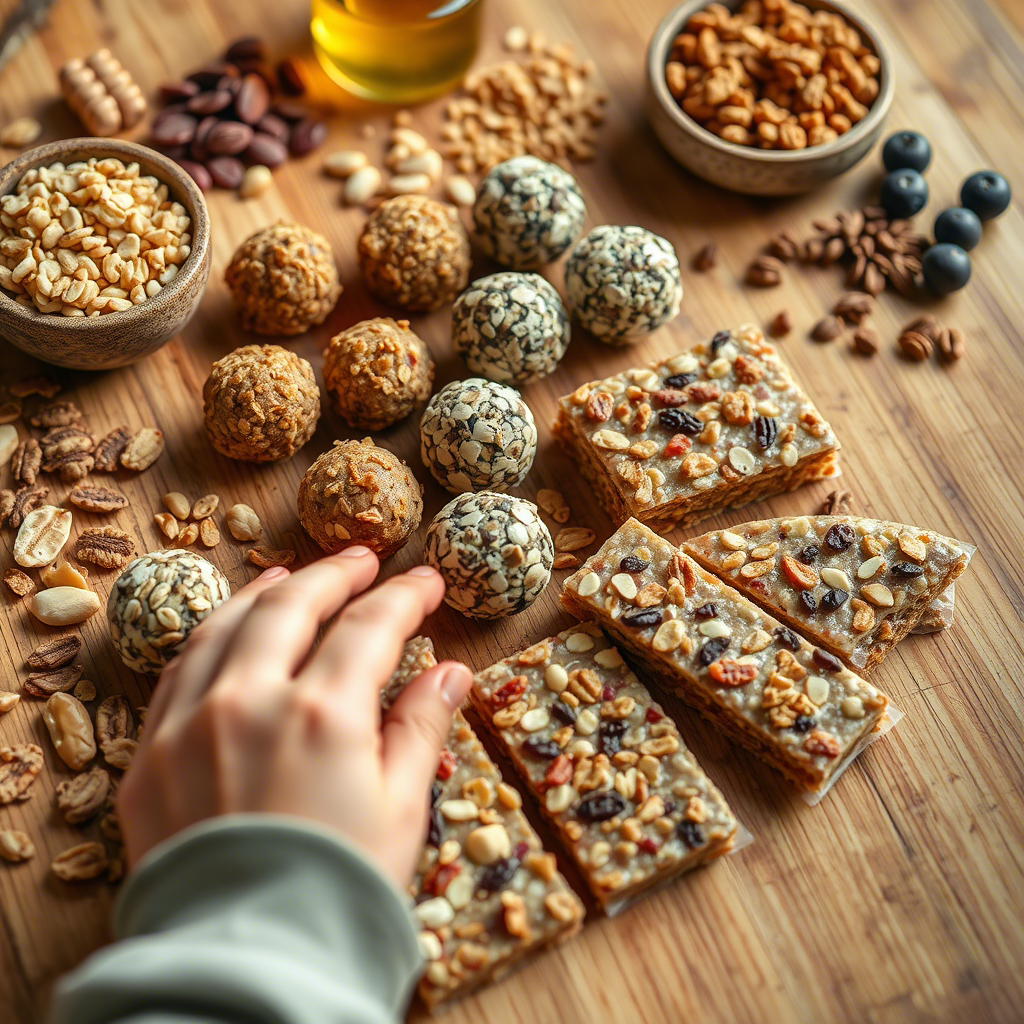
Welcome to the world of Customized Functional Snack Recipes! These snacks are not only quick and easy to make but also provide your body with the essential nutrients it needs. Whether you need a post-workout boost, a mid-afternoon pick-me-up, or a healthy treat for kids, Customized Functional Snack Recipes have you covered.
In this blog, we’ll introduce you to six simple Customized Functional Snack Recipes. These recipes are healthy, delicious, and perfect for any time of the day. Let’s get started!
Explore a selection of customized functional snack recipes designed to fuel your day with nutritious and delicious options.
What Makes These Recipes Special?
Customized Functional Snack Recipes are all about you. They’re flexible, allowing you to change the ingredients to fit your taste, diet, or health goals.
Time Requirement: Each Customized Functional Snack Recipe takes less than 20 minutes to prepare.
Difficulty Level: Beginner-friendly! No fancy equipment or advanced cooking skills are needed to make these Customized Functional Snack Recipes.
Health Benefits: Packed with protein, fiber, healthy fats, and natural sweetness, Customized Functional Snack Recipes are perfect for boosting energy and keeping you full.
Essential Ingredients
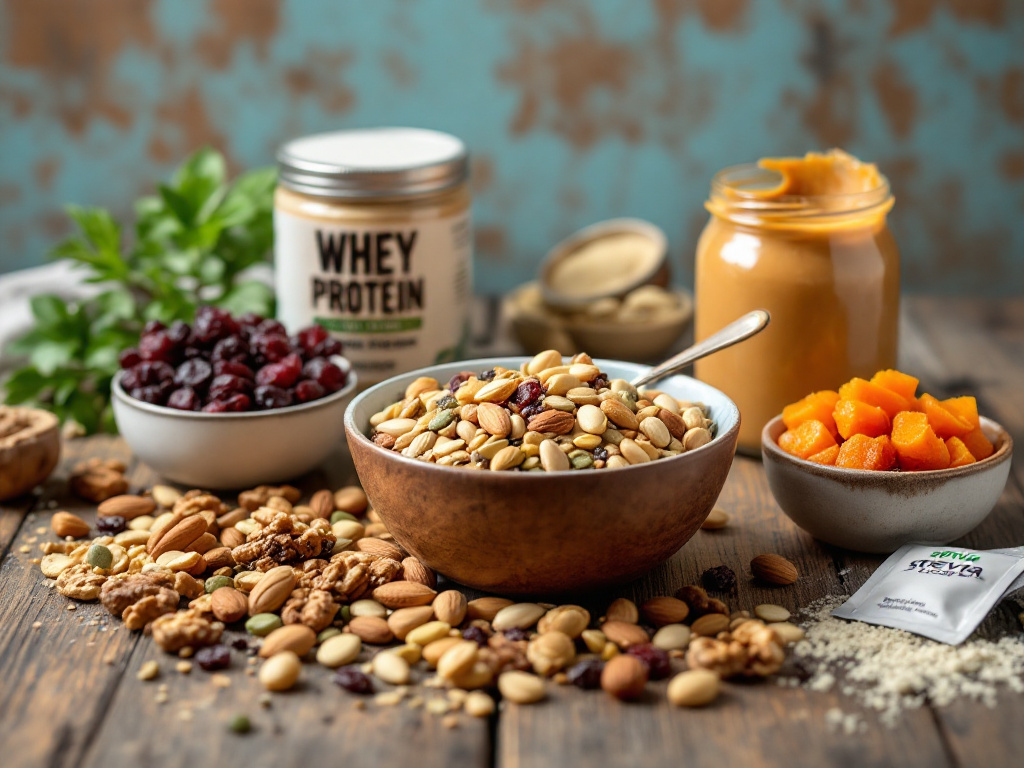
Gather the essential ingredients for creating customized functional snack recipes that are both delicious and nutritious.
Here’s a list of key ingredients you’ll need for these Customized Functional Snack Recipes, along with why they’re important and some substitution ideas:
Nuts and Seeds
Why: Rich in healthy fats, protein, and fiber, they provide long-lasting energy.
Substitutions: Use sunflower seeds or pumpkin seeds for nut-free options.
Oats
Why: A great source of complex carbs and fiber, oats keep you full and satisfied.
Substitutions: Use quinoa flakes or coconut flour for a gluten-free alternative.
Nut Butter
Why: Adds creaminess and a dose of healthy fats.
Substitutions: Swap with sunflower seed butter or tahini for nut-free options.
Dried Fruits
Why: Natural sweetness and a boost of vitamins and minerals.
Substitutions: Use fresh fruit or unsweetened coconut flakes.
Protein Powder
Why: Perfect for adding extra protein to your snacks.
Substitutions: Skip it or use collagen powder for a different protein source.
Sweeteners
Why: A touch of honey, maple syrup, or agave adds natural sweetness.
Substitutions: Use stevia or monk fruit for a low-sugar option.
Tips: Shake the pan halfway through for even roasting.
5. Fruit and Yogurt Parfaits
Ingredients: Greek yogurt, granola, and fresh fruit.
Steps:
Layer yogurt, granola, and fruit in a glass.
Repeat until the glass is full.
Serve immediately.
Tips: Use unsweetened yogurt for a lower-sugar option.
6. Veggie Sticks with Hummus
Ingredients: Carrot sticks, cucumber slices, and hummus.
Steps:
Slice your veggies into sticks.
Serve with a side of hummus for dipping.
Tips: Add a sprinkle of paprika or olive oil to the hummus for extra flavor.
Assembly Tips
Energy Balls: Roll them evenly for a professional look.
Granola Bars: Use parchment paper to press the mixture firmly into the pan.
Chia Pudding: Layer with fruit for a colorful presentation.
Roasted Chickpeas: Serve in a small bowl for easy snacking.
Parfaits: Use a clear glass to show off the layers.
Veggie Sticks: Arrange the veggies in a rainbow pattern for a fun touch.
Storage and Make-Ahead Tips
Energy Balls: Store in an airtight container in the fridge for up to a week.
Granola Bars: Wrap individually and freeze for up to a month.
Chia Pudding: Keep in the fridge for up to 3 days.
Roasted Chickpeas: Store in a sealed container at room temperature for 3 days.
Parfaits: Assemble just before serving to keep the granola crunchy.
Veggie Sticks: Prep the veggies ahead of time and store in water to keep them crisp.
Recipe Variations
Energy Balls: Add cocoa powder for a chocolate version.
Granola Bars: Use peanut butter and chocolate chips for a dessert-like treat.
Chia Pudding: Add matcha powder for a green tea twist.
Roasted Chickpeas: Try cinnamon and sugar for a sweet version.
Parfaits: Swap granola for crushed nuts or seeds.
Veggie Sticks: Pair with guacamole or tzatziki instead of hummus.
Health Benefits of Customized Functional Snacks These recipes aren’t just delicious—they’re tiny powerhouses for your body! Here’s how they boost your health:
Energy & Focus: Ingredients like oats, nuts, and chia seeds provide slow-release carbs, healthy fats, and omega-3s to fuel your brain and keep you energized for hours. No more 3 p.m. slump!
Gut Health: Greek yogurt and chia seeds are packed with probiotics and fiber to support digestion and keep your tummy happy.
Muscle Repair: Protein-rich ingredients like nut butter, Greek yogurt, and chickpeas help rebuild muscles after workouts or daily activities.
Heart Health: Nuts, seeds, and olive oil deliver heart-friendly fats that lower bad cholesterol and reduce inflammation.
Immunity Boost: Antioxidants from dark chocolate, berries, and spices like paprika fight off free radicals and keep your immune system strong.
Weight Management: High fiber and protein content curb cravings and keep you full, making it easier to avoid unhealthy junk food.
Mood Magic: Dark chocolate and natural sweeteners (like honey and dried fruits) release serotonin, the “feel-good” hormone, to brighten your day!
Whether you’re craving something sweet, salty, or crunchy, these snacks work for you—not against you. They’re proof that eating well doesn’t mean sacrificing flavor!
Conclusion
Making your own Customized Functional Snack Recipes is easier than you think! These snacks are not only healthy and delicious but also incredibly versatile. Experiment with different ingredients, flavors, and textures to create snacks that you and your family will love.
So, what are you waiting for? Grab your ingredients and start snacking smarter today!
FAQs
1. Can I make these snacks ahead of time? Yes! Most of these snacks can be prepped in advance and stored for several days.
2. Are these snacks kid-friendly? Absolutely! You can adjust the sweetness or spice levels to suit your child’s taste.
3. Can I make these recipes vegan? Yes! Use plant-based milk, sweeteners, and protein powders to make them vegan-friendly.
4. Are these snacks good for weight loss? These snacks are nutrient-dense and can help you stay full, making them great for weight management when eaten in moderation.
5. Can I freeze these snacks? Yes! Energy balls, granola bars, and roasted chickpeas freeze well for longer storage.
6. Are these snacks gluten-free? A: Most can be! Swap oats with certified gluten-free oats, quinoa flakes, or coconut flour. Always check labels for cross-contamination if you have a severe gluten allergy.
7. Can I reduce the sugar content even more? Absolutely! Skip added sweeteners and rely on naturally sweet ingredients like ripe bananas, dates, or unsweetened applesauce. You can also use spices like cinnamon or vanilla extract to enhance flavor without sugar.
8. What’s the best snack for post-workout recovery? The Energy Balls or Protein-Packed Stuffed Dates (mentioned in the blog) are ideal! They’re rich in protein, healthy fats, and carbs to replenish energy and repair muscles. Add a scoop of protein powder to boost benefits further!
Enjoy your journey into the world of healthy, homemade snacks!
Welcome to your ultimate guide on Low-Cost Homemade Fermented Drink Recipes! Did you know that some of the tastiest and healthiest drinks can be made right at home using these Low-Cost Homemade Fermented Drink Recipes? These Low-Cost Homemade Fermented Drink Recipes use ingredients that cost less than your morning coffee, making them not only budget-friendly but also incredibly rewarding to create.
Fermentation is more than just a method of preserving food—it’s a way to craft probiotic-rich, flavorful beverages that are great for your gut health and wallet. This guide will walk you through six amazing fermented drinks you can make from scratch, turning simple ingredients into fizzy, tangy, and refreshing concoctions that everyone will love.
Enjoy this refreshing low-cost homemade fermented drink, perfect for boosting your health and saving money.
Overview: Why Make Fermented Drinks at Home?
If you’re looking for Low-Cost Homemade Fermented Drink Recipes, you’ve come to the right place. These Low-Cost Homemade Fermented Drink Recipes are perfect for anyone who wants to save money while enjoying delicious, probiotic-rich beverages.Fermented drinks have been cherished for thousands of years because they offer numerous benefits, including:
Budget-Friendly : Most recipes cost under $1 per serving.
Packed with Probiotics : Supporting gut health naturally.
Customizable : Endless flavor variations to suit your taste.
Simple to Make : Most require just 15-30 minutes of active preparation.
Self-Sustaining : Many create “starters” that can be used indefinitely.
The recipes in this guide range from easy (ready in 2-3 days) to intermediate (2-4 weeks). However, don’t worry—most of the longer recipes simply require patience while nature does its work!
Let’s dive into how to make 6 Low-Cost Homemade Fermented Drink Recipes that you can enjoy today:
Kombucha : The Fizzy Tea Elixir
Water Kefir : The Probiotic Soda Alternative
Milk Kefir : The Probiotic Smoothie Base
Tepache : The Pineapple Brew
Ginger Bug : The Fermentation Starter
With these low-cost homemade fermented drink recipes , you’ll save money, boost your gut health, and have fun experimenting with flavors. Whether you’re a beginner or an experienced fermenter, there’s something here for everyone!an make today.
1. Kombucha: The Fizzy Tea Elixir
Experience the joy of creating your own kombucha with these Low-Cost Homemade Fermented Drink Recipes.
Difficulty Level: Moderate
Time Required: 1-4 weeks
Kombucha is one of the most popular low-cost homemade fermented drink recipes. This fermented tea drink is tangy, slightly sweet, and bubbly. Once you have a SCOBY (Symbiotic Culture of Bacteria and Yeast), you can make endless batches of this budget-friendly beverage.
Essential Ingredients:
SCOBY: The “mother” culture that ferments your tea (can be purchased online or obtained from a friend)
Black or green tea: Provides nutrients for the SCOBY
White sugar: Food for the fermentation process (most gets consumed during fermentation)
Filtered water: Chlorinated water can harm your SCOBY
Starter liquid: About 1 cup from a previous batch or store-bought raw kombucha
Substitutions: You can use different tea varieties like oolong or white tea. Avoid herbal teas for your primary ferment as they don’t provide the right nutrients.
Step-by-Step Instructions:
Brew the tea base: Bring 3 quarts of water to a boil. Add 8 tea bags (or 2 tablespoons loose tea) and 1 cup of sugar. Stir until sugar dissolves.
Cool the mixture: Let the sweetened tea cool completely to room temperature (about 2-3 hours).
Prepare your vessel: Use a 1-gallon glass jar, cleaned with hot water (avoid soap residue).
Add starter liquid: Pour in 1 cup of starter liquid from a previous batch or store-bought raw kombucha.
Transfer the SCOBY: Gently place your SCOBY in the jar.
Cover and store: Cover with a tightly woven cloth or coffee filter secured with a rubber band. Store in a warm, dark place away from direct sunlight.
Ferment: Allow to ferment for 7-14 days, depending on your temperature and taste preference.
Taste test: After 7 days, start sampling with a straw. When it reaches your desired level of tartness, it’s ready!
Secondary Fermentation (For Carbonation and Flavoring):
Bottle your kombucha: Save 1-2 cups for the next batch. Then, pour the rest into airtight bottles, leaving 1-2 inches of space.
Add flavoring: If you want, add fruit, juice, herbs, or spices (1-2 tablespoons per 16 oz bottle).
Seal and ferment: Close the bottles tightly and let them sit at room temperature for 1-3 days.
Refrigerate: Once it’s carbonated to your liking, put it in the fridge to slow down fermentation.
Storage Tips:
Keep finished kombucha in the fridge for up to 3 months.
Store your SCOBY in a “SCOBY hotel” with starter liquid when not brewing.
Always save some kombucha as starter liquid for your next batch.
Variations:
Berry Blast: Add 2 tablespoons of mashed berries during second fermentation.
Ginger Fizz: Add 1 tablespoon of grated fresh ginger.
Tropical Delight: Add 2 tablespoons of pineapple juice.
2. Water Kefir: The Probiotic Soda Alternative
Discover the simplicity and joy of creating your own fermented drinks with these Low-Cost Homemade Fermented Drink Recipes.
Difficulty Level: Easy
Time Required: 24-48 hours
Water kefir is one of the easiest low-cost homemade fermented drink recipes to make. It tastes like a natural, probiotic soda and is perfect for beginners.
Essential Ingredients:
Water kefir grains: These are living cultures that ferment sugar water (available online).
Sugar: Plain white sugar is best for beginners.
Filtered water: Chlorine can harm the grains.
Optional additions: You can add a lemon slice, dried fruit, or a pinch of sea salt.
Substitutions: Coconut sugar can be used, but it might change your grains over time. Avoid honey in the first fermentation as it can harm the grains.
Step-by-Step Instructions:
Dissolve sugar: In a quart jar, dissolve ¼ cup sugar in 3 cups of filtered water.
Add kefir grains: Once the water is at room temperature, add 3-4 tablespoons of water kefir grains.
Optional additions: Add a dried fig, lemon slice, or pinch of sea salt for minerals.
Cover and ferment: Cover with a cloth secured with a rubber band and let sit for 24-48 hours at room temperature.
Strain: Pour the liquid through a non-metal strainer to separate the grains.
Start again: The grains can immediately be used to start a new batch.
Secondary Fermentation (For Flavor and Fizz):
Bottle the kefir: Pour the strained liquid into airtight bottles.
Add flavoring: Add fruit juice, fruit pieces, or herbs (about 2 tablespoons per quart).
Seal and ferment: Close tightly and leave at room temperature for 12-48 hours.
Refrigerate: Once it reaches desired carbonation, refrigerate to slow fermentation.
Storage Tips:
Finished water kefir keeps in the refrigerator for up to 2 weeks.
If taking a break from brewing, store grains in sugar water in the refrigerator for up to 2 weeks.
For longer storage, dehydrate the grains.
Variations:
Lemonade Kefir: Add 2 tablespoons lemon juice and extra sugar to taste.
Grape Soda: Add ¼ cup grape juice during second fermentation.
Cream Soda: Add 1 teaspoon vanilla extract and a dash of cinnamon.
3. Milk Kefir: The Probiotic Smoothie Base
Enjoy the benefits of homemade kefir with these simple and affordable Low-Cost Homemade Fermented Drink Recipes.
Difficulty Level: Easy
Time Required: 24 hours
Milk kefir is another great option among low-cost homemade fermented drink recipes. It’s like a tangy, drinkable yogurt with more probiotic strains than regular yogurt
Essential Ingredients:
Milk kefir grains: Living cultures that ferment milk (different from water kefir grains)
Milk: Whole milk works best for beginners
Glass jar: For fermentation
Substitutions: You can use low-fat milk, but grains thrive best in whole milk. Plant-based milks work but may require adjustment periods for the grains.
Step-by-Step Instructions:
Place grains in jar: Add 1 tablespoon of milk kefir grains to a clean glass jar.
Add milk: Pour in 2 cups of milk, leaving some headspace.
Cover loosely: Use a coffee filter or cloth secured with a rubber band.
Ferment: Let sit at room temperature for 24 hours, or until thickened.
Strain: Pour through a non-metal strainer to separate the grains.
Start again: The grains can immediately be used for a new batch.
Storage and Make-Ahead Tips:
Finished milk kefir keeps in the refrigerator for up to 2 weeks
If taking a break, store grains in fresh milk in the refrigerator, changing the milk every 7 days
Milk kefir can be frozen for smoothies
Variations:
Fruit Kefir Smoothie: Blend with fresh or frozen fruit
Savory Kefir: Use as a base for salad dressings or cold soups
Kefir Cheese: Strain through cheesecloth for 12-24 hours to make a spreadable cheese
4. Tepache: The Pineapple Brew
Enjoy a refreshing and budget-friendly homemade fermented pineapple drink, perfect for any occasion.
Difficulty Level: Easy
Time Required: 2-3 days
Tepache is a traditional Mexican favorite and one of the easiest low-cost homemade fermented drink recipes. Made from pineapple rinds and brown sugar, it’s a refreshing and budget-friendly option.
Essential Ingredients:
Pineapple: Specifically the rind and core (organic preferred)
Piloncillo or brown sugar: Provides sweetness and food for fermentation
Cinnamon stick: For flavor
Cloves: Optional, for spice
Water: Filtered is best
Substitutions: Regular brown sugar can replace piloncillo. The pineapple rind contains wild yeasts, but you can add a tablespoon of raw kombucha or water kefir to jumpstart fermentation.
Step-by-Step Instructions:
Prepare pineapple: Cut the rind and some flesh from a pineapple. Leave the skin on as it contains wild yeasts.
Fill jar: Place pineapple pieces in a half-gallon jar.
Add sweetener: Add ½ cup piloncillo or brown sugar.
Add spices: Add 1 cinnamon stick and 3-4 cloves if desired.
Add water: Fill the jar with filtered water, leaving 1 inch of headspace.
Cover and ferment: Cover with a cloth and secure with a rubber band. Ferment for 2-3 days at room temperature.
Strain and bottle: When bubbly and tangy, strain out solids and bottle the liquid.
Storage Tips:
Tepache is best consumed within 1 week
Refrigerate after straining to slow fermentation
Can be frozen in ice cube trays for later use in cocktails
Variations:
Spicy Tepache: Add a slice of jalapeño during fermentation
Tropical Tepache: Add mango or passion fruit pieces
Tepache Spritzer: Mix with sparkling water for a lighter drink
5. Ginger Bug: The Fermentation Starter
Kickstart your low-cost homemade fermented drink recipes with a simple ginger bug starter.
Difficulty Level: Easy
Time Required: 3-7 days to establish
A ginger bug is a versatile option among low-cost homemade fermented drink recipes. It serves as a fermented drink starter and can also be enjoyed diluted as a simple ginger ale.
Essential Ingredients:
Fresh ginger root: Organic is best as it contains more wild yeasts
Sugar: Plain white or organic cane sugar
Filtered water: Chlorine can inhibit fermentation
Substitutions: Brown sugar can be used but may make it harder to see fermentation activity.
Step-by-Step Instructions:
Grate ginger: Finely grate 2 tablespoons of unpeeled ginger.
Combine ingredients: In a pint jar, combine grated ginger with 2 tablespoons sugar and 2 cups water.
Cover and stir: Cover with a cloth and stir vigorously with a non-metal spoon.
Feed daily: Each day for 5-7 days, add 1 teaspoon grated ginger and 1 teaspoon sugar, stirring well.
Watch for activity: When the mixture becomes bubbly and smells yeasty, it’s ready to use.
Using Your Ginger Bug:
Make natural sodas: Strain off 1/4 cup of the liquid (not the solids) and add to 1 quart of sweetened herbal tea or fruit juice.
Bottle and ferment: Bottle the mixture and let ferment 1-3 days until fizzy.
Maintain your bug: Continue feeding your ginger bug daily, or store in the refrigerator and feed once a week.
Storage Tips:
Keep your active ginger bug at room temperature if using regularly
Refrigerate when not in use, feeding once weekly
Ginger bug sodas should be refrigerated after they become fizzy
Variations:
Fruit Sodas: Ferment fruit juices with your ginger bug liquid
Lemon-Ginger Ale: Mix ginger bug liquid with lemonade
Herbal Sodas: Use the bug to ferment sweetened herbal teas
6. Ginger Bug: The Fermentation Starter
Start your journey into low-cost homemade fermented drink recipes with these simple fermentation starters.
Difficulty Level: Easy
Time Required: 3-7 days to establish
A ginger bug is both a fermented drink starter and can be enjoyed diluted as a simple ginger ale.
Essential Ingredients:
Fresh ginger root: Organic is best as it contains more wild yeasts
Sugar: Plain white or organic cane sugar
Filtered water: Chlorine can inhibit fermentation
Substitutions: Brown sugar can be used but may make it harder to see fermentation activity.
Step-by-Step Instructions:
Grate ginger: Finely grate 2 tablespoons of unpeeled ginger.
Combine ingredients: In a pint jar, combine grated ginger with 2 tablespoons sugar and 2 cups water.
Cover and stir: Cover with a cloth and stir vigorously with a non-metal spoon.
Feed daily: Each day for 5-7 days, add 1 teaspoon grated ginger and 1 teaspoon sugar, stirring well.
Watch for activity: When the mixture becomes bubbly and smells yeasty, it’s ready to use.
Using Your Ginger Bug:
Make natural sodas: Strain off 1/4 cup of the liquid (not the solids) and add to 1 quart of sweetened herbal tea or fruit juice.
Bottle and ferment: Bottle the mixture and let ferment 1-3 days until fizzy.
Maintain your bug: Continue feeding your ginger bug daily, or store in the refrigerator and feed once a week.
Storage Tips:
Keep your active ginger bug at room temperature if using regularly
Refrigerate when not in use, feeding once weekly
Ginger bug sodas should be refrigerated after they become fizzy
Variations:
Lemon-Ginger Ale: Mix ginger bug liquid with lemonade
Herbal Sodas: Use the bug to ferment sweetened herbal teas
Fruit Sodas: Ferment fruit juices with your ginger bug liquid
Conclusion: Your Fermentation Journey
Starting your journey with Low-Cost Homemade Fermented Drink Recipes might seem a little intimidating at first. But once you begin, you’ll find it’s incredibly rewarding to create these Low-Cost Homemade Fermented Drink Recipes at home. You’ll save money on probiotic drinks and feel proud of making something healthy with your own hands.
Start with simpler recipes like water kefir or tepache. Then, move on to kombucha or kvass. Soon, you’ll have a variety of fermented drinks to enjoy at home.
Remember, fermentation is both a science and an art. Don’t be afraid to try new flavors and techniques. Your taste buds and gut will thank you!
FAQs About Homemade Fermented Drinks
Are fermented drinks alcoholic?
Mostlow-cost homemade fermented drink recipes result in beverages with only a tiny bit of alcohol, similar to very ripe fruit. If you’re worried about alcohol, try shorter fermentation times. This usually means less alcohol.
How do I know if my ferment has gone bad?
Trust your senses. Fermented drinks should smell tangy, yeasty, or vinegary, but never rotten. You might see kahm yeast (a white film) on top, which you can skim off. If you see fuzzy mold or a bad smell, throw it away.
Can children drink fermented beverages?
Many cultures give fermented drinks to kids. The little bit of alcohol is usually safe. But if you’re still worried, use shorter fermentation times and chill it fast to slow it down.
How can I make my drinks more fizzy?
For more fizz, make sure your bottles seal well during second fermentation. Add a bit more sugar before bottling. And let them ferment longer at room temperature before chilling.
Can I use plastic containers for fermentation?
Glass is best because it doesn’t react with acids. If you must use plastic, make sure it’s food-grade and scratch-free.
What if I don’t have a starter culture?
Drinks like kombucha and kefir need starter cultures. But, tepache, kvass, and ginger bug use wild fermentation. They don’t need special starters.
How can I take a break from brewing?
Most cultures can be refrigerated to slow down their activity. Kombucha SCOBYs can be stored in a “SCOBY hotel.”
Kefir grains can be stored in fresh milk or water in the refrigerator. Ginger bugs can be fed less frequently when refrigerated.
Have you ever wondered why some foods leave you feeling energized while others seem to trigger discomfort? The answer might be inflammation—your body’s natural response to injury and illness that, when chronic, can contribute to numerous health issues. The solution lies in embracing Anti-inflammatory Cuisine with Local Ingredients, which can be found right in your community or even in your kitchen cabinet.
In this guide, we’ll explore six delicious anti-inflammatory soups made with ingredients you can find locally. These recipes aren’t just good for your body—they’re good for your local economy and the environment too. By the end, you’ll have a set of easy, delicious, and healthy soup recipes.
Crafting vibrant, nutritious dishes with an array of fresh, local vegetables and herbs, highlighting the essence of anti-inflammatory cuisine.
Anti-inflammatory Cuisine with Local Ingredients: Why It Matters
These soups are special because they embody Anti-inflammatory Cuisine with Local Ingredients, using seasonal produce with proven anti-inflammatory properties. They’re quick to make, taking 30-45 minutes. Even if you’re new to cooking, you can easily follow these recipes to enjoy the benefits of Anti-inflammatory Cuisine with Local Ingredients.
These soups are also flexible. You can change the ingredients based on what’s in season and local. They’re great for anyone with arthritis, digestive problems, or just wanting to boost their immune system.
Understanding Anti-inflammatory Ingredients in Your Local Food System
Let’s explore what makes Anti-inflammatory Cuisine with Local Ingredients so effective:
Colorful vegetables and fruits: They’re full of antioxidants and phytonutrients that fight inflammation
Healthy fats: In olive oil, avocados, and nuts
Herbs and spices: Turmeric, ginger, garlic, and others have anti-inflammatory compounds
Fiber-rich foods: Beans, lentils, and whole grains help lower inflammation
Using local ingredients means fresher, more nutritious food. It also helps the environment by reducing carbon footprint. This makes your soups more effective and tasty.
Essential Equipment for Anti-inflammatory Cuisine with Local Ingredients
To create Anti-inflammatory Cuisine with Local Ingredients, you’ll need some basic kitchen tools for these recipes:
A large pot or Dutch oven
A sharp knife for chopping
A blender or immersion blender (for smooth soups)
Measuring cups and spoons
Wooden spoons for stirring
Storage containers for leftovers
Anti-inflammatory Cuisine with Local Ingredients: 6 Healing Soups
1. Turmeric Ginger Carrot Soup: A Perfect Example of Anti-inflammatory Cuisine with Local Ingredients
Savor the warmth and nourishment of a homemade carrot and ginger soup, crafted with fresh, local ingredients to support Anti-inflammatory Cuisine with Local Ingredients.
Overview: This golden soup combines turmeric, ginger, and carrots. It’s ready in 30 minutes and helps with digestion and joint pain.
Why these ingredients work: Turmeric has curcumin, which fights inflammation. Ginger adds its own anti-inflammatory effects. Carrots give beta-carotene, which turns into vitamin A and boosts the immune system.
Substitutions: No fresh ginger? Use 1/2 teaspoon ground ginger. Sweet potatoes can replace carrots for a different taste.
Step-by-step instructions:
Heat olive oil in a large pot over medium heat.
Add onions and cook until soft and translucent (about 5 minutes).
Add garlic, ginger, and turmeric. Stir for 1 minute until fragrant.
Add chopped carrots and stir to coat with spices.
Pour in vegetable broth, bring to a boil, then reduce heat and simmer for 20 minutes until carrots are tender.
Use an immersion blender or regular blender to puree until smooth.
If using coconut milk, stir it in now.
Season with salt and pepper to taste.
Assembly and Presentation: Serve hot with a swirl of coconut milk on top. Sprinkle with fresh herbs like cilantro or a few pumpkin seeds for crunch.
Storage: This soup keeps well in the refrigerator for up to 5 days. It also freezes beautifully for up to 3 months. Reheat gently on the stovetop, adding a splash of water if needed.
2. Local Leafy Green Detox Soup
Enjoy a nourishing bowl of green soup, crafted with fresh, local ingredients and garnished with herbs, embodying the essence of Anti-inflammatory Cuisine with Local Ingredients.
Overview: This vibrant green soup harnesses the power of local leafy greens to provide a gentle detoxifying effect. Ready in 25 minutes, this easy recipe is perfect for beginners looking to incorporate more greens into their diet.
Essential Ingredients:
4 cups mixed local greens (spinach, kale, chard, or what’s available)
1 leek, white and light green parts sliced
2 celery stalks, chopped
1 zucchini, chopped
2 cloves garlic, minced
4 cups vegetable broth
1 tablespoon olive oil
Juice of half a lemon
1/4 cup fresh herbs (parsley, dill, or cilantro)
Salt and pepper to taste
Why these ingredients work: Leafy greens are packed with antioxidants that combat inflammation. Celery contains apigenin, a compound that helps reduce inflammation. Leeks provide prebiotic fiber that supports gut health, which is closely linked to inflammation levels.
Substitutions: Any leafy greens work well here—use what’s local and in season. Onion can replace leek if needed.
Step-by-step instructions:
Heat olive oil in a large pot over medium heat.
Add leeks and celery, cooking until softened (about 5 minutes).
Add garlic and cook for 1 minute until fragrant.
Add zucchini and cook for 3 minutes.
Pour in vegetable broth and bring to a simmer.
Add leafy greens and simmer just until wilted (about 3-5 minutes).
Remove from heat and add fresh herbs.
Blend until smooth using an immersion blender or regular blender.
Stir in lemon juice and season with salt and pepper.
Assembly and Presentation: Serve in bowls with a drizzle of olive oil and a sprinkle of hemp seeds or pumpkin seeds for added nutrition and texture.
Storage: Store in the refrigerator for up to 4 days. This soup is best enjoyed fresh, as the vibrant green color may darken over time. Not recommended for freezing.
3. Anti-inflammatory Mushroom Soup with Local Fungi
Savor the warmth of homemade mushroom soup, crafted with fresh, local ingredients like garlic, onions, and herbs, perfect for Anti-inflammatory Cuisine with Local Ingredients.
Overview: This earthy soup features local mushrooms known for their immune-supporting properties. Ready in 40 minutes, this intermediate recipe creates a rich, satisfying soup perfect for cold weather.
Essential Ingredients:
1 pound mixed local mushrooms (shiitake, oyster, cremini), sliced
Why these ingredients work: Mushrooms have beta-glucans that boost the immune system and reduce inflammation. Thyme fights off microbes and has flavonoids that combat inflammation. Garlic, with its allicin, is anti-inflammatory and boosts the immune system.
Substitutions: Any mushroom type works well. For cooking without alcohol, use 1 tablespoon of lemon juice instead of wine.
Step-by-step instructions:
Heat olive oil in a large pot over medium heat.
Add onions and cook until translucent (about 5 minutes).
Add garlic and thyme, cooking for 1 minute until fragrant.
Add mushrooms and cook until they release their moisture and begin to brown (about 8-10 minutes).
If using wine, add it now and simmer until mostly evaporated.
Add broth and bring to a simmer. Cook for 15 minutes.
Remove half the soup and blend until smooth, then return to the pot for a partially chunky texture.
Stir in coconut milk or cashew cream.
Season with salt and pepper to taste.
Assembly and Presentation: Serve hot with a few reserved sautéed mushrooms on top and a sprinkle of fresh thyme leaves.
Storage: This soup keeps well in the refrigerator for up to 5 days and can be frozen for up to 3 months. The texture may change slightly after freezing, but the flavor remains excellent.
4. Rainbow Root Vegetable Anti-inflammatory Soup
Enjoy a nourishing bowl of vegetable soup made with locally sourced carrots, beets, and herbs, perfect for Anti-inflammatory Cuisine with Local Ingredients.
Overview: This colorful soup highlights local root vegetables in a warming, anti-inflammatory blend. Ready in 45 minutes, it’s great for beginners and uses seasonal root vegetables.
Essential Ingredients:
2 cups local root vegetables (beets, carrots, parsnips, turnips), chopped
1 sweet potato, peeled and chopped
1 onion, diced
2 cloves garlic, minced
1-inch piece fresh ginger, grated
4 cups vegetable broth
1 tablespoon olive oil
1 teaspoon ground coriander
1/2 teaspoon ground cumin
Salt and pepper to taste
Why these ingredients work: Root vegetables are full of antioxidants and fiber that fight inflammation. The colors show different nutrients—purple beets have betalains, orange sweet potatoes have beta-carotene, and white parsnips have vitamin C and E.
Substitutions: Use any mix of local root vegetables you can find.
Step-by-step instructions:
Heat olive oil in a large pot over medium heat.
Add onions and cook until soft (about 5 minutes).
Add garlic and ginger, cooking for 1 minute until fragrant.
Add chopped root vegetables, coriander, and cumin. Stir to coat with spices.
Pour in vegetable broth and bring to a boil.
Reduce heat and simmer for 25-30 minutes until all vegetables are tender.
Blend until smooth using an immersion blender or regular blender.
Season with salt and pepper to taste.
Assembly and Presentation: Serve hot with a swirl of coconut yogurt and a sprinkle of toasted pumpkin seeds. The different colored vegetables create a beautiful hue depending on which roots you use.
Storage: This soup keeps well in the refrigerator for up to 5 days and freezes beautifully for up to 3 months.
5. Cooling Anti-inflammatory Cucumber Avocado Soup with Local Herbs
Blend up a refreshing green smoothie with locally sourced cucumbers and herbs, perfect for Anti-inflammatory Cuisine with Local Ingredients.
Overview: This refreshing no-cook soup is perfect for hot summer days when local cucumbers and herbs are abundant. Ready in just 15 minutes, this beginner recipe requires only a blender.
Essential Ingredients:
2 large local cucumbers, peeled and chopped
1 ripe avocado
1/4 cup fresh herbs (mint, dill, or basil)
1 small garlic clove
2 tablespoons olive oil
Juice of 1 lemon
1/2 cup cold water
1/4 cup plain yogurt (dairy or plant-based)
Salt and pepper to taste
Why these ingredients work: Cucumbers help cool the body and reduce inflammation. Avocados have healthy fats that fight inflammation. Fresh herbs like mint cool the body and have antioxidants.
Substitutions: Greek yogurt adds creaminess. Use coconut yogurt for dairy-free options.
Step-by-step instructions:
Combine all ingredients in a blender.
Blend until smooth.
Taste and adjust seasoning as needed.
Refrigerate for at least 1 hour to meld flavors.
Assembly and Presentation: Serve chilled with olive oil, cucumber slices, and herbs.
Storage: Keeps in the fridge for up to 2 days. Not good for freezing. Stir well before serving if it separates.
6. Hearty Bean and Greens Anti-inflammatory Soup
Cook Cook up a comforting bean and vegetable soup with locally sourced herbs and garlic, perfect for Anti-inflammatory Cuisine with Local Ingredients.
Overview: This soup is rich in protein and anti-inflammatory ingredients. It’s ready in 40 minutes and is a complete meal in one pot.
Essential Ingredients:
2 cups cooked white beans (cannellini, navy, or local variety)
4 cups local greens (kale, collards, or spinach), chopped
1 onion, diced
2 carrots, diced
2 celery stalks, diced
3 cloves garlic, minced
1 tablespoon fresh rosemary, chopped
1 tablespoon fresh thyme leaves
6 cups vegetable broth
2 tablespoons olive oil
1 bay leaf
Salt and pepper to taste
Optional: 1 tablespoon lemon juice
Why these ingredients work: Beans are high in protein and fiber, good for gut health and reducing inflammation. Dark leafy greens are full of antioxidants and anti-inflammatory compounds. Herbs like rosemary and thyme fight inflammation.
Substitutions: Any beans work well. Canned beans are convenient, just rinse them well.
Step-by-step instructions:
Heat olive oil in a large pot over medium heat.
Add onions, carrots, and celery. Cook until softened (about 7 minutes).
Add garlic, rosemary, and thyme. Cook for 1 minute until fragrant.
Add beans, broth, and bay leaf. Bring to a simmer.
Cook for 15 minutes to meld flavors.
Add chopped greens and simmer until wilted (2-5 minutes).
Remove bay leaf.
For a thicker soup, mash some beans against the pot side.
Stir in lemon juice if using.
Season with salt and pepper to taste.
Assembly and Presentation: Serve hot with olive oil, nutritional yeast, or grated parmesan (if not dairy-free).
Storage: Keeps in the fridge for up to 5 days and freezes for up to 3 months. Flavors improve after a day in the fridge.
Make-Ahead Tips for Anti-inflammatory Cuisine with Local Ingredients
These soups are great for batch cooking and embracing Anti-inflammatory Cuisine with Local Ingredients. Here are some tips to make the most of your cooking time:
Prep vegetables in advance: Chop onions, carrots, and celery and store in containers in the refrigerator for up to 3 days.
Make double batches: Most of these soups freeze well, so consider doubling the recipe.
Freeze in portions: Use freezer-safe containers or silicone molds to freeze individual portions.
Label clearly: Mark containers with the soup name and date.
Thaw safely: Move frozen soup to the refrigerator the night before you plan to eat it.
Seasonal Adaptations for Anti-inflammatory Cuisine with Local Ingredients
Adapt these recipes throughout the year to fully embrace Anti-inflammatory Cuisine with Local Ingredients:
Spring: Focus on tender greens, early carrots, and fresh herbs.
Summer: Make the cucumber avocado soup and lighter versions of the others.
Fall: Incorporate squash, pumpkin, and root vegetables.
Winter: Use stored root vegetables, dried herbs, and frozen greens.
Conclusion: Your Journey to Anti-inflammatory Cuisine with Local Ingredients
These six soups are just the start of your journey into Anti-inflammatory Cuisine with Local Ingredients. By using local, seasonal ingredients, you support your health, community, and the environment. Remember, consistency is key. Eating these anti-inflammatory foods regularly will greatly improve your well-being and deepen your appreciation for Anti-inflammatory Cuisine with Local Ingredients.
Don’t be afraid to try new things with these recipes. The best anti-inflammatory diet is one that fits your local food system and tastes good. Your body will thank you for the nourishing meals you make.
FAQs
Q: How often should I eat anti-inflammatory foods to see benefits?
A: Try to include anti-inflammatory foods in at least one meal daily. Consistency matters more than quantity. These soups give you a concentrated dose of anti-inflammatory ingredients.
Q: Can I make these soups if I don’t have all the exact ingredients?
A: Absolutely! These recipes are flexible. Use what’s available locally and in season. The key is including a variety of colorful vegetables, herbs, and spices.
Q: Are these anti-inflammatory soups suitable for special diets?
A: Most of these soups are naturally gluten-free and can be adapted for vegan, paleo, or other dietary needs. The bean soup contains legumes, which aren’t paleo-compliant, but the others can be modified easily.
Q: How do I know if these anti-inflammatory soups are helping with inflammation?
A: Pay attention to how you feel. Reduced joint pain, improved digestion, clearer skin, and more energy are common signs that anti-inflammatory foods are working. Give it at least 2-3 weeks of consistent consumption.
Q: Can children eat these anti-inflammatory soups?
A: Yes! These soups are nutritious for the whole family. For children, you might want to reduce the amount of ginger and spices or offer toppings like cheese or croutons to make them more appealing.
Q: Where can I find local ingredients for anti-inflammatory cuisine if I don’t have a garden?
A: Farmers’ markets, CSA (Community Supported Agriculture) programs, food co-ops, and even some grocery stores now highlight local produce. Ask around in your community or search online for local food sources.
Manage Consent
To provide the best experiences, we use technologies like cookies to store and/or access device information. Consenting to these technologies will allow us to process data such as browsing behavior or unique IDs on this site. Not consenting or withdrawing consent, may adversely affect certain features and functions.
Functional
Always active
The technical storage or access is strictly necessary for the legitimate purpose of enabling the use of a specific service explicitly requested by the subscriber or user, or for the sole purpose of carrying out the transmission of a communication over an electronic communications network.
Preferences
The technical storage or access is necessary for the legitimate purpose of storing preferences that are not requested by the subscriber or user.
Statistics
The technical storage or access that is used exclusively for statistical purposes.The technical storage or access that is used exclusively for anonymous statistical purposes. Without a subpoena, voluntary compliance on the part of your Internet Service Provider, or additional records from a third party, information stored or retrieved for this purpose alone cannot usually be used to identify you.
Marketing
The technical storage or access is required to create user profiles to send advertising, or to track the user on a website or across several websites for similar marketing purposes.
To provide the best experiences, we use technologies like cookies to store and/or access device information. Consenting to these technologies will allow us to process data such as browsing behavior or unique IDs on this site. Not consenting or withdrawing consent, may adversely affect certain features and functions.