15 Best Gluten-Free Dishes for Thanksgiving

Can a gluten-free Thanksgiving dinner be just as delicious as a traditional feast? Absolutely! We’ve gathered 15 mouthwatering gluten-free dishes for Thanksgiving. These recipes will make your holiday celebration unforgettable.

From savory sides to decadent desserts, you don’t need gluten for a spectacular Thanksgiving spread.

Our collection includes a wide variety of gluten-free Thanksgiving recipes. You’ll find classics like roast turkey and innovative alternatives like cauliflower stuffing. These dishes will impress even the most discerning palates at your Thanksgiving dinner.

Get ready to discover delectable gluten-free options that will have your guests asking for seconds. From creamy mashed potatoes to crustless pumpkin pie, we’ve got your entire Thanksgiving menu covered. Let’s dive into these crowd-pleasing recipes that combine flavor, tradition, and gluten-free goodness!

Key Takeaways

  • Gluten-free Thanksgiving dishes can be just as delicious as traditional recipes
  • Our collection features 15 diverse recipes for a complete gluten-free holiday feast
  • Options range from classic mains like roast turkey to innovative sides and desserts
  • These recipes cater to various dietary needs while maintaining flavor and tradition
  • Gluten-free alternatives are available for beloved dishes like stuffing and pumpkin pie

Essential Guide to Gluten-Free Dishes for Thanksgiving

Planning a gluten-free Thanksgiving is easy with the right tips. We’ll cover the basics to make a feast everyone can enjoy. This includes those with dietary restrictions.

Understanding Gluten-Free Holiday Cooking

Gluten-free Thanksgiving dishes don’t lack flavor or tradition. Our guide features 17 dishes for a varied menu. Interestingly, 70.6% of these are vegetable-based, adding a healthy twist to classics.

Cross-Contamination Prevention Tips

Keeping your kitchen gluten-free is key. Use separate utensils and cutting boards for gluten-free items. Clean surfaces well before gluten-free prep.

When making gluten-free stuffing, avoid using utensils that touched regular bread. This prevents cross-contamination.

Kitchen Tools and Ingredients

Stock up on gluten-free flours like almond, coconut, or rice flour. These are great for gluten-free gravy and side dishes. Get a good set of airtight containers for gluten-free ingredients.

Don’t forget a dedicated toaster for gluten-free bread. This prevents cross-contamination.

Our guide has 8 gluten-free side dishes for Thanksgiving. From creamy mashed cauliflower to zesty green bean casserole, these recipes are full of flavor. With the right ingredients and techniques, you can make a Thanksgiving feast that’s safe, delicious, and inclusive for all.

Perfect Gluten-Free Turkey and Brine Recipes

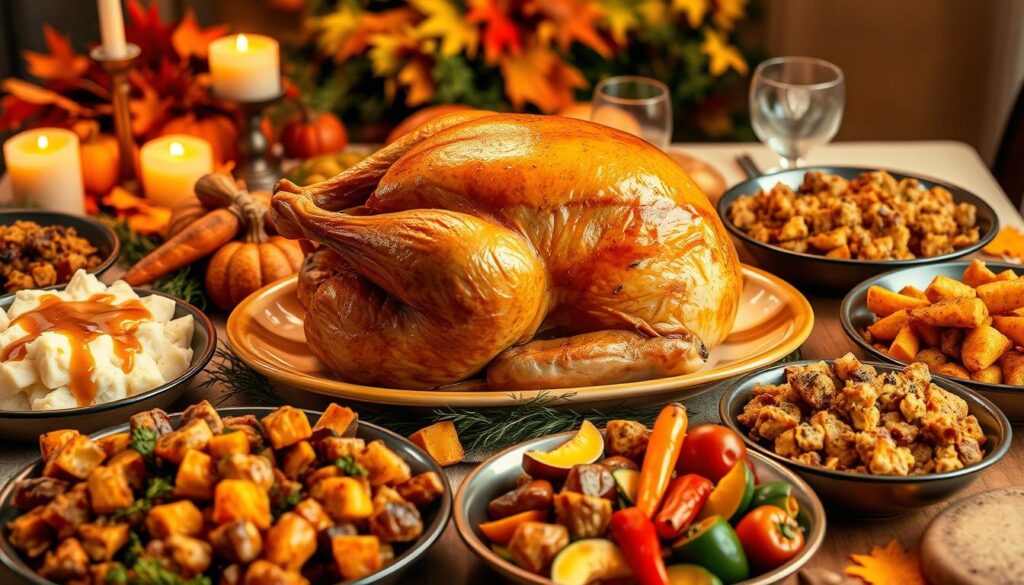
Preparing a gluten-free turkey for Thanksgiving doesn’t mean you have to give up flavor. The secret to a delicious bird is in the perfect turkey brine. Our recipe makes 8 servings and is great for turkeys between 12-15 pounds.

Begin with a tasty brine: Mix 1 gallon water, 3 cups orange juice, 3 1/2 cups white wine, 1 1/2 cups each of Kosher salt and brown sugar. Add 2 tablespoons peppercorns, 4 bay leaves, and 4 thyme sprigs. Let your turkey soak in it overnight for the best taste.

Roasting your gluten-free turkey is easy. Preheat the oven to 325°F. Dry the turkey, then rub it with olive oil and poultry seasoning. Roast for about 20 minutes per pound, or until the internal temperature hits 165°F in the thickest part of the breast.

Turkey Weight Initial Roasting Time Final Roasting Time
Under 18 lbs 2 hours 30-60 minutes
18-21 lbs 2.5 hours 60-75 minutes
21+ lbs 3 hours 75-90 minutes

Don’t forget to flip your turkey halfway for even browning. After roasting, let it rest for 20-40 minutes before carving. This gluten-free Thanksgiving turkey will be the highlight of your holiday table!

Traditional Side Dishes Made Gluten-Free

Thanksgiving is all about comfort foods, but for those avoiding gluten, traditional sides can be tricky. Don’t worry! We’ve got delicious gluten-free side dishes that’ll make your holiday meal unforgettable.

Green Bean Casserole Without Wheat

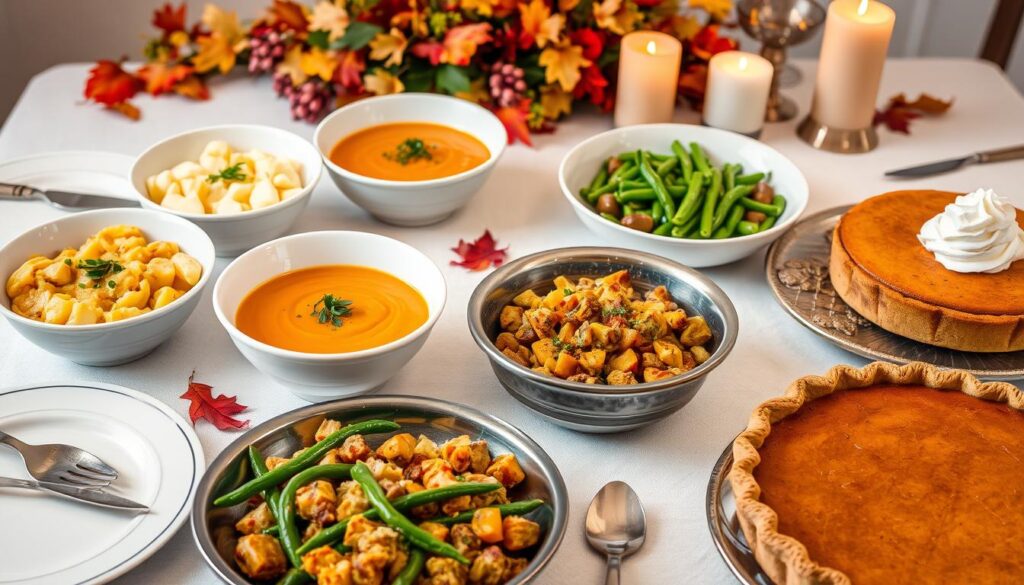
Craving that classic green bean casserole? Our gluten-free green bean casserole recipe uses almond flour for the crispy topping and a creamy mushroom sauce thickened with cornstarch. It’s so good, no one will guess it’s gluten-free!

Cauliflower and Quinoa Stuffing

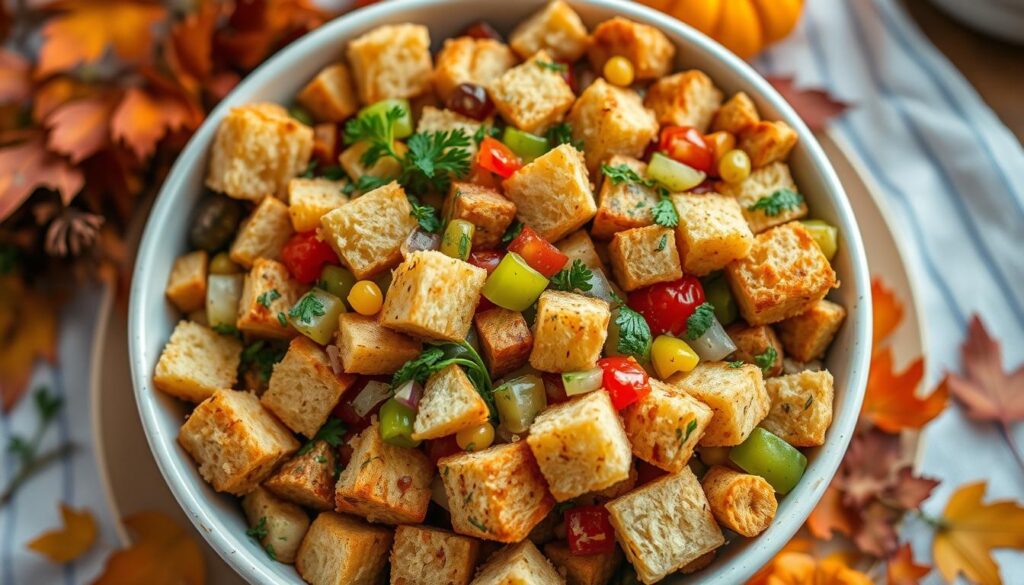
Looking for gluten-free stuffing recipes for Thanksgiving? Try our cauliflower and quinoa stuffing. It’s packed with flavor from herbs, nuts, and dried fruit. This innovative dish proves that gluten-free doesn’t mean flavor-free.

Creamy Mashed Potatoes

Mashed potatoes are naturally gluten-free and a Thanksgiving must-have. Our recipe uses butter, cream, and a touch of roasted garlic for extra richness. They’re so creamy, you won’t miss the gluten one bit!

Side Dish Key Ingredients Prep Time
Green Bean Casserole Green beans, almond flour, mushrooms 30 minutes
Cauliflower Quinoa Stuffing Cauliflower, quinoa, herbs, nuts 45 minutes
Creamy Mashed Potatoes Potatoes, butter, cream, garlic 25 minutes

With these gluten-free side dishes, your Thanksgiving spread will be a hit with everyone at the table. Remember, always check labels and avoid cross-contamination to keep your meal truly gluten-free.

Holiday Root Vegetables and Roasted Dishes

Roasted vegetables are a key part of Thanksgiving side dishes. They’re tasty and gluten-free. Let’s look at some delicious options to make your holiday table special.

Maple Roasted Butternut Squash

Butternut squash becomes sweet and savory when roasted with maple syrup. Cut it into cubes, mix with olive oil and maple syrup, and roast until golden. It’s a perfect flavor mix that goes great with Thanksgiving dishes.

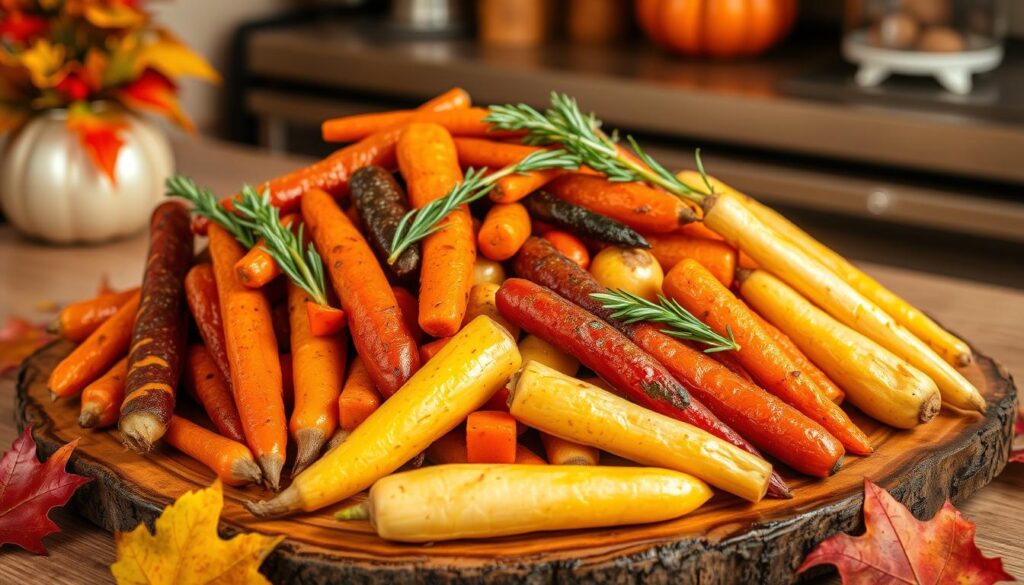
Herb-Roasted Carrots and Beets

This dish combines beets’ earthy sweetness with carrots’ comfort. Roasting them with fresh herbs adds a fragrant flavor. Here’s a simple recipe:

  • 2 beets (1 red, 1 golden), peeled and chopped
  • 1 large carrot, roll cut
  • 3 parsnips, chopped
  • 1 medium sweet potato, chopped
  • 1 turnip, chopped
  • Olive oil for drizzling
  • 1 tbsp each: chopped rosemary, sage, and thyme
  • Salt and pepper to taste

Preheat oven to 425°F. Mix vegetables with oil and herbs, spread on a baking sheet, and roast for 25-50 minutes until tender and browned.

Brussels Sprouts with Pecans

Brussels sprouts get a nice crunch with pecans. Halve the sprouts, toss with olive oil, and roast until crispy. Add chopped pecans in the last few minutes for a nutty taste. This gluten-free dish is sure to please even the pickiest eaters.

Dish Prep Time Cook Time Servings
Herb-Roasted Root Vegetables 15 minutes 45 minutes 4-6
Maple Roasted Butternut Squash 10 minutes 30 minutes 6
Brussels Sprouts with Pecans 10 minutes 20 minutes 6

These roasted vegetables are perfect for Thanksgiving. They’re gluten-free, full of flavor, and nutritious. Try different herbs and seasonings to make your own holiday favorites.

Gluten-Free Gravy and Sauces

Our gluten-free gravy recipe is a star at Thanksgiving. It’s ready in just 5 minutes. You can use it with chicken, turkey, or beef broths. Store it in the fridge for up to 4 days or freeze for 6 months.

To make the perfect gluten-free gravy, use a cornstarch slurry. Mix 3 tablespoons of cornstarch with 2 tablespoons of water. Add salt, pepper, and dried thyme. Start with 2 tablespoons of butter and ¼ cup of gluten-free flour.

Add dried sage, onion powder, or garlic powder for extra taste.

Nutrient Amount per Serving
Calories 41 kcal
Carbohydrates 3g
Protein 0.4g
Fat 3g
Sodium 258mg

Our gluten-free turkey gravy recipe is a hit. It has a 4.50 out of 5 stars rating. It serves 8 and takes 15 minutes to prepare and 3 hours to cook.

Begin by roasting turkey wings, carrots, celery, onion, and garlic for 2 hours. Strain to get 4 cups of flavorful stock. Thicken with a cornstarch slurry and simmer for 5 minutes. This gluten-free cranberry sauce alternative pairs perfectly with your holiday feast.

Fresh and Vibrant Salads and Vegetables

Make your Thanksgiving table pop with colorful, tasty gluten-free vegetable dishes. These sides bring flavor and health to your holiday meal. Discover some delicious options that will have everyone wanting more!

Parmesan Brussels Sprouts Salad

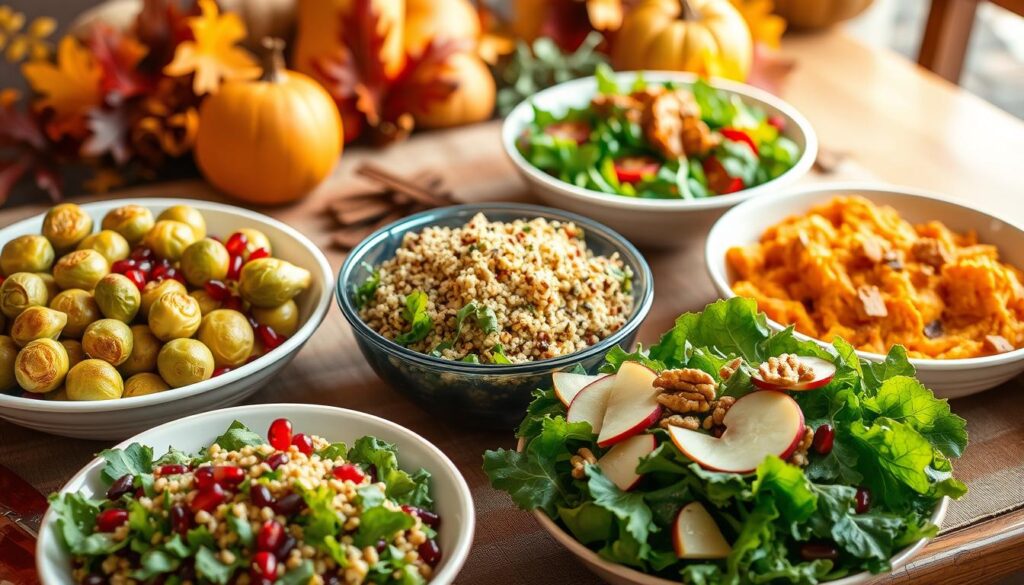
This salad mixes shaved Brussels sprouts, toasted almonds, and pomegranate seeds. It’s dressed with a tangy Parmesan sauce. It’s a mix of textures and tastes that will win over Brussels sprouts doubters.

Citrus Cranberry Sauce

Forget canned cranberry sauce and make your own. This homemade sauce is gluten-free. It’s made with fresh cranberries, orange zest, and juice, with a hint of honey. It’s a bright, tasty side for your turkey.

Sautéed Green Beans with Mushrooms

For a light side, try sautéed green beans and mushrooms. They’re cooked with garlic and topped with crispy almonds. This dish highlights the natural flavors of the ingredients.

Dish Prep Time Main Ingredients Flavor Profile
Parmesan Brussels Sprouts Salad 20 minutes Brussels sprouts, almonds, pomegranate Crunchy, tangy, savory
Citrus Cranberry Sauce 15 minutes Cranberries, orange, honey Tart, sweet, zesty
Sautéed Green Beans with Mushrooms 25 minutes Green beans, mushrooms, almonds Earthy, garlicky, nutty

These dishes show that gluten-free can be full of flavor. They bring color, nutrition, and fun to your Thanksgiving table!

Gluten-Free Breads and Rolls

No Thanksgiving feast is complete without warm, soft bread. It’s perfect for soaking up gravy and enhancing the meal. For those avoiding gluten, we’ve got delicious gluten-free bread options that’ll make everyone happy.

Rosemary Cornbread Muffins

Make a batch of aromatic rosemary cornbread muffins for a gluten-free twist. These muffins are sweetened with honey, adding a touch of sweetness. They’re great for those looking to create budget-friendly, nutritious recipes without losing flavor.

Paleo Dinner Rolls

Try paleo dinner rolls for a grain-free option. These gluten-free dinner rolls are soft and flavorful. They’re perfect for mopping up gravy. Made with almond flour and tapioca starch, they have a nutty flavor and satisfying texture.

When baking gluten-free bread, precision is key. Use a kitchen scale for accurate measurements. Don’t add extra flour to sticky dough. For the best results, try these trusted gluten-free flour blends:

Flour Blend Best For Rising Time
Better Batter All-purpose baking 1-2 hours
King Arthur Measure for Measure 1:1 substitution 1-1.5 hours
Bob’s Red Mill 1-to-1 Bread and rolls 1.5-2 hours

Remember, gluten-free cornbread and rolls can be just as delicious as their wheat-based counterparts. With the right ingredients and techniques, you’ll create bread that everyone at your Thanksgiving table will love, regardless of dietary restrictions.

Dessert Options Without Gluten

No Thanksgiving feast is complete without a sweet ending. Our selection of gluten-free desserts ensures everyone can indulge, regardless of dietary restrictions. From classic pies to innovative treats, these recipes promise to satisfy your sweet tooth.
Crustless Pumpkin Pie

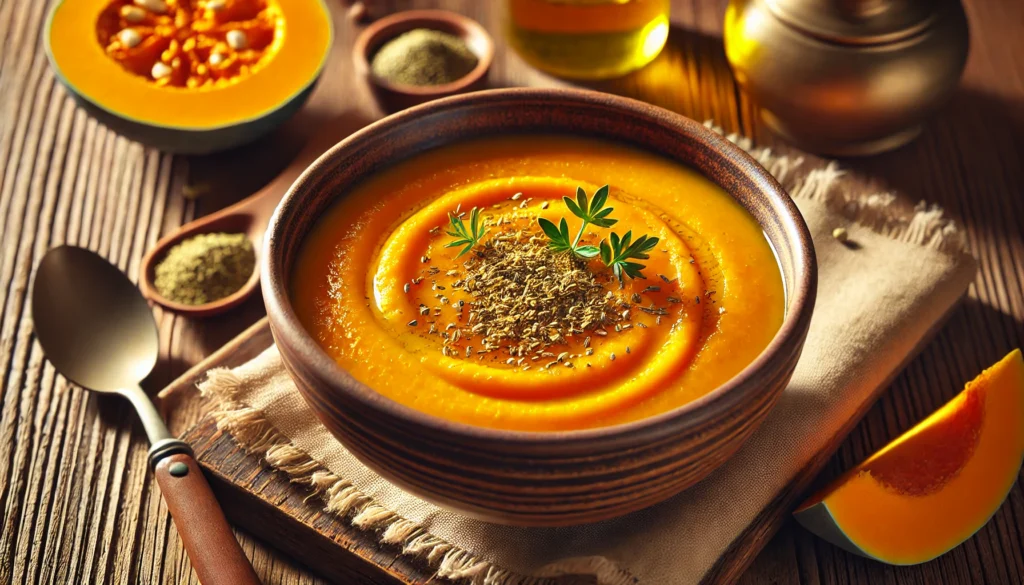
Our crustless pumpkin pie cupcakes are a game-changer for gluten-free desserts. This recipe, updated in 2022, remains a top Thanksgiving favorite. Using coconut milk makes it dairy-free too. You can prepare these cupcakes a day ahead, perfect for busy holiday schedules.

Apple Crisp

For apple lovers, our gluten-free apple crisp is a must-try. This skillet dessert features a crunchy oat and almond topping that perfectly complements the tender, spiced apples. It’s a warm, comforting dish that captures the essence of fall.

Maple Pecan Pie

Our gluten-free maple pecan pie boasts a flaky, grain-free crust filled with a rich, nutty center. The natural sweetness of maple syrup enhances the pecans’ flavor, creating a dessert that’s both indulgent and gluten-free.

Dessert Prep Time Bake Time Servings
Crustless Pumpkin Pie Cupcakes 15 mins 25 mins 12
Apple Crisp 20 mins 45 mins 8
Maple Pecan Pie 30 mins 50 mins 10

These gluten-free desserts prove that dietary restrictions don’t mean sacrificing flavor. With options ranging from fruity to nutty, your Thanksgiving dessert spread will be a hit with all your guests.

Make-Ahead Tips and Storage

Smart thanksgiving meal prep makes your gluten-free feast easy. Start by getting a fresh, unbrined turkey and freezing it right away. Plan for 1-1.5 pounds of turkey per person. When shopping, keep perishable and non-perishable items separate. Also, check your pantry for gluten-free staples like flour and baking powder.

Gluten-free meal planning is crucial for a stress-free holiday. Prep side dishes a day before and bake desserts in advance. Brine the turkey early. On Thanksgiving morning, set up a drink station for guests. Follow a cooking timeline: preheat the oven early, cook the turkey based on its weight, finish side dishes, and make gravy and cranberry sauce last.

For safe storage of thanksgiving leftovers, refrigerate them promptly after dinner. Proper planning prevents accidental gluten consumption. Here’s a typical gluten-free Thanksgiving menu:

Main Dish Side Dishes Desserts
Roasted Turkey Breast or Chickpea Cutlets Cornbread Dressing with Gravy Apple Pie
Cranberry Sauce Green Bean Casserole Pumpkin Pie
Layered Green Salad
Curried Sweet Potatoes
Spoonbread Muffins

Start thawing your turkey 3-4 days before cooking, allowing 24 hours per 4-5 pounds. This ensures even cooking and tender results. With these tips, your gluten-free Thanksgiving will be delicious and worry-free.

Conclusion

Creating a gluten-free Thanksgiving menu doesn’t mean you have to give up flavor or tradition. With a little planning and creativity, you can make healthy Thanksgiving recipes for everyone. A big turkey is the main attraction, taking 3-3.5 hours to cook.

Don’t forget the sides, like roasted Brussels sprouts, ready in just 25 minutes. Your gluten-free holiday meals can be both tasty and welcoming to all.

Did you know you can make 100% of traditional Thanksgiving dishes gluten-free? Swap out wheat for Rice Chex in green bean casserole. Or use quinoa and vegetable broth for a tasty stuffing.

For creamy dishes, coconut milk is a great substitute for dairy. It keeps the rich texture we love in holiday foods.

When planning your gluten-free Thanksgiving menu, try new recipes. A sweet potato casserole with just 7 ingredients is a hit. Or a dairy-free gravy that’s ready in 15 minutes. These dishes show that dietary restrictions don’t stop holiday fun.

With these tips and recipes, you’re ready to host a memorable, inclusive feast. Everyone will have a great time!

FAQ

What are some popular gluten-free dishes for Thanksgiving?

For Thanksgiving, try roast turkey and maple roasted butternut squash. Green bean casserole with gluten-free ingredients is also great. Don’t forget mashed potatoes, herb-roasted carrots and beets, and crustless pumpkin pie. These dishes offer traditional tastes without gluten.

How can I prevent cross-contamination when preparing gluten-free Thanksgiving dishes?

Use separate cutting boards, utensils, and cooking surfaces for gluten-free foods. Clean all surfaces well before starting. Use only gluten-free ingredients and condiments. Prepare gluten-free dishes first to avoid gluten exposure.
What can I use as a substitute for wheat flour in gravy?

Use cornstarch or arrowroot powder for gluten-free gravy. These thickeners make a smooth, flavorful gravy. Start with a little and add more until it’s right.

Are there any gluten-free stuffing options for Thanksgiving?

Yes! Try cauliflower and quinoa stuffing or gluten-free bread cubes. Add herbs, vegetables, and broth for a tasty stuffing everyone can enjoy.

What are some easy gluten-free dessert ideas for Thanksgiving?

Crustless pumpkin pie, skillet apple crisp, and maple pecan pie are all easy. These desserts are traditional and safe for those with gluten sensitivities.

Can I make gluten-free dinner rolls for Thanksgiving?

Absolutely! Use almond flour, coconut flour or gluten-free flour blends for dinner rolls. Try fluffy rosemary cornbread muffins or paleo dinner rolls for a delicious touch to your meal.

How can I ensure my turkey is gluten-free?

Buy a fresh turkey or check frozen turkey labels for gluten. Use gluten-free seasonings and avoid gluten in stuffing. Make sure brine ingredients are gluten-free.

What are some make-ahead tips for gluten-free Thanksgiving dishes?

Roasted veggies, cranberry sauce, and some desserts can be made ahead. Gluten-free pie crusts can be frozen. On Thanksgiving, just reheat and add final touches for a smooth meal.

5 Easy Thanksgiving Appetizers: Party-Perfect Starter Ideas

Imagine starting your Thanksgiving with as much excitement as the main dish. Our list of easy Thanksgiving appetizers makes it happen! Thanksgiving is a time for joy and sharing. Start your celebration with starters that will wow and please your guests.

From make-ahead cheese boards to fresh guacamole, our ideas mix convenience with taste. These recipes are quick or a bit more detailed, fitting all skill levels.Whether you’re an expert or new to cooking, we’ve got you covered.

Key Takeaways:

  • 48 unique Thanksgiving appetizer recipes are presented.
  • Recipes take between 10 and 45 minutes to prepare, with a focus on ease and efficiency.
  • A variety of flavors—from sweet to savory and spicy—ensure there’s something for every palate.
  • Vegetarian, seafood, and meat-based appetizers are included to cater to diverse dietary preferences.
  • Make-ahead options and tips for freezing leftovers provide convenience for meal planning.
  • Serving suggestions pair appetizers with crackers, crusty bread, or vegetable crudités.

Cold Appetizers for Thanksgiving

Thanksgiving is a great time to wow your guests with cold appetizers. You can make delicious fall salads, creamy dips, cheese boards, or guacamole. These dishes are not just a start to the meal. They show off your cooking skills.

Fall Salads and Veggie Dips

Begin with fresh fall salads and veggie dips. Mix roasted butternut squash with baby arugula, goat cheese, and pomegranate seeds for a standout salad. Serve it with creamy spinach and artichoke dip or classic hummus and colorful veggies.

Make-Ahead Cheese Boards

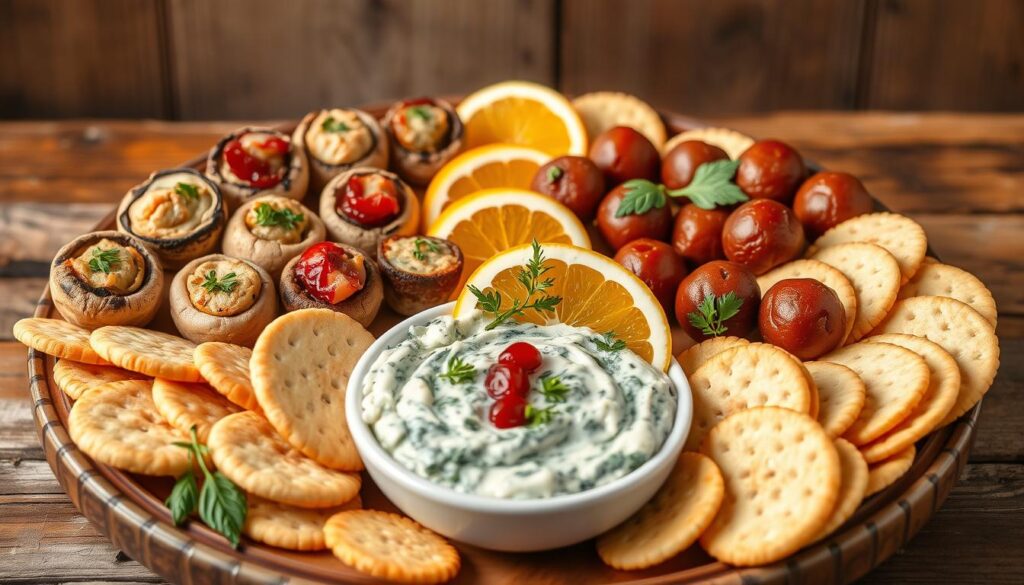
Make-ahead cheese boards are easy and inviting.Choose cheeses like sharp cheddar, brie, mozzarella, and goat cheese. Add dried fruits, nuts, and crackers for a balanced spread.

Cheese Accompaniment Note
Sharp Cheddar Dried apricots An intense flavor duo
Brie Walnut halves Classic and creamy
Mozzarella Cherry tomatoes Simple and fresh
Goat Cheese Honey drizzle Perfect sweetness balance

Refreshing Guacamole with a Twist

Make guacamole more exciting by adding pomegranate seeds and feta cheese. This twist adds flavor and color to your table. It becomes a highlight among your cold appetizers.

Hot and Savory Appetizers

Warm up your Thanksgiving gathering with these hot Thanksgiving appetizers. They will delight your guests. From classic stuffed mushrooms to luxurious baked brie, these savory appetizers are sure to please everyone.

Stuffed Mushrooms

Stuffed mushrooms are a beloved favorite for any occasion. They are filled with an irresistible mixture of herbs and cheeses. This brings a burst of flavor with every bite.

These little culinary gems not only taste phenomenal but also look stunning on the appetizer table.

Baked Brie Recipes

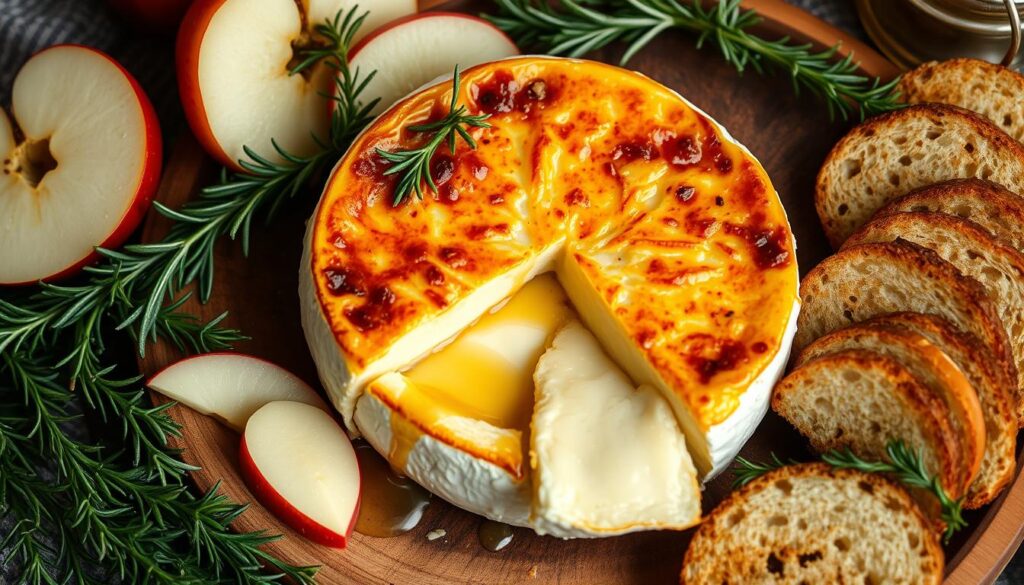
Few appetizers can match the rich indulgence of baked brie. This savory delight can be served with a variety of toppings, like cranberry maple jam, to add a traditional Thanksgiving touch. Melt-in-your-mouth textures combined with a hint of sweetness create an unforgettable dish.

Cheesy Sausage Puffs

For a hearty and satisfying treat, look no further than cheesy sausage puffs. These delightful bites, ready in just 25 minutes, offer a spicy, flavorful experience perfect for a chilly autumn day. Their combination of cheese and sausage makes them an essential addition to your menu of hot Thanksgiving appetizers.

Each of these savory appetizers provides something truly special. Whether you’re making stuffed mushrooms, enjoying the luxuriously rich baked brie, or savoring the hearty, cheesy sausage puffs,. Embrace these delicious options to create an unforgettable Thanksgiving feast that brings everyone together!

Quick and Easy Finger Foods

Hosting a memorable Thanksgiving gathering can be stress-free with the right easy Thanksgiving appetizers. Impress your guests with finger foods that are not only delicious but also quick to prepare.

From bacon-wrapped Brussels sprouts to deviled eggs with a Thanksgiving twist, let’s dive into these delightful bites that will leave everyone craving for more!

Bacon Wrapped Brussels Sprouts

Bacon-wrapped Brussels sprouts are a must-have for your holiday spread. The crispy bacon and tender Brussels sprouts create a mouthwatering texture. This appetizer is both easy and impressive, making it a perfect choice for your menu.

Total Time 45 minutes
Main Ingredients Brussels sprouts, bacon, olive oil, salt, pepper
Level of Difficulty Easy
Number of Ingredients 4
Cooking Tips Make ahead and reheat in the oven

Deviled Eggs with a Thanksgiving Twist

Take your classic deviled eggs up a notch by infusing them with quintessential fall flavors. Imagine a creamy filling enriched with hints of roasted turkey and sage. These savory finger foods add a festive touch to any occasion.

Total Time 20 minutes
Main Ingredients Hard-boiled eggs, mayo, mustard, roasted turkey, sage
Level of Difficulty Easy
Number of Ingredients 5
Cooking Tips Prepare up to four days in advance

Cranberry Meatballs

Cranberry meatballs offer a sweet-tart sensation that balances perfectly with savory meat. Coated in a tangy cranberry glaze, these meatballs are an excellent addition to your easy Thanksgiving appetizer repertoire. They’re sure to be a hit, combining familiar holiday flavors with the convenience of finger foods.

Total Time 30 minutes
Main Ingredients Ground beef, cranberry sauce, breadcrumbs, egg, spices
Level of Difficulty Intermediate
Number of Ingredients 6
Cooking Tips Freeze and reheat for convenience

With these quick and easy finger foods, you’re well-equipped to create a delightful appetizer spread for Thanksgiving. From the savory allure of bacon wrapped Brussels sprouts to the sweet-tart perfection of cranberry meatballs, these recipes are guaranteed to tantalize taste buds and warm hearts!

Appetizers and starters for Thanksgiving. Great Ideas

As the holiday season gets closer, finding the right Thanksgiving appetizer ideas can be fun and tricky. Our selection of savory appetizers will make your guests happy from the start. Enjoy the fall flavors with these easy and loved starters that truly capture the season’s spirit.

Sweet and Savory Pumpkin Hummus

Try a new twist on a classic dip with our pumpkin hummus. It mixes pumpkin’s sweetness with hummus’s savory taste, creating a perfect balance. Serve it with fresh veggies, warm pita, or crispy crackers for a hit. It’s quick to make, under 15 minutes, making it great for busy hosts.

Butternut Squash Galette

The butternut squash galette is a beautiful addition to your Thanksgiving appetizers. It has a flaky crust, sweet squash, and Gruyère cheese. It’s great for both new and experienced cooks, taking about 45 minutes to prepare.

Serve it warm as a hearty starter that will wow your guests with its autumnal tastes and stunning look.

Both the pumpkin hummus and butternut squash galette celebrate the season’s best ingredients. They offer elegant and tasty options for your Thanksgiving appetizer ideas. With these savory appetizers, your holiday gathering will start off deliciously!

Meaty and Vegan-Friendly Options

Our Thanksgiving feast should cater to every palate. This section of appetizers delivers just that. You’ll find crowd favorites, from meaty delights to vegan options.

Mushroom Tartlets

Mushroom tartlets are a sophisticated choice for any gathering. They combine a rich Parmesan and mushroom filling. This offers a satisfying, meaty texture without any actual meat.

Perfect for highlighting the earthy flavors of fall, mushroom tartlets are both elegant and scrumptious. They are great additions to your Thanksgiving spread.

Hot Honey Cauliflower Nuggets

For those guests seeking vegan Thanksgiving options, hot honey cauliflower nuggets are a must-try. These crispy bites are made by coating cauliflower pieces in a seasoned batter.

Baking or frying them to perfection, they are then drizzled with a spicy-sweet hot honey sauce. Cauliflower nuggets will tantalize taste buds and appeal to both vegans and meat-lovers alike.

Cheesy Goodness

Dive into the delightful world of cheesy appetizers that elevate any gathering. Our selection of cheese-centric snacks is sure to please every palate. This ensures your Thanksgiving spread is unforgettable!

Cheese Ball Bites

Cheese ball bites are the perfect blend of fun and flavor. These easy-to-make mini cheese balls are versatile, making them ideal for any occasion. Customize them with your favorite nuts, herbs, or even dried fruits for an extra burst of flavor.

Fried Goat Cheese Balls

Take elegance to the next level with fried goat cheese balls. Their crispy golden exterior and creamy, tangy interior make them a sophisticated addition to your appetizer lineup. Serve them with a sweet-and-spicy pepper jelly for a crowd-pleasing combination.

Mozzarella Sticks

No appetizer table is complete without the classic mozzarella sticks. These beloved snacks, with their gooey cheese pulls and crunchy breaded coating, are a hit among guests of all ages. Pair them with marinara sauce for a timeless taste experience.

Cheese Appetizer Description Total Time
Cheese Ball Bites Mini cheese balls, customizable with nuts, herbs, or fruits 30 minutes
Fried Goat Cheese Balls Crispy exterior with a creamy, tangy interior 25 minutes
Mozzarella Sticks Classic snack with gooey cheese and crunchy breading 20 minutes

Whether you’re hosting a festive feast or a simple get-together, these cheesy appetizers are sure to delight. Indulge in the cheesy goodness and keep your guests coming back for more!

Light Bites to Keep It Simple

If you’re looking for light Thanksgiving appetizers, choose refreshing options that are easy to make. These bites are perfect for a delightful taste without making guests too full. They’re a hit at any Thanksgiving gathering.

Marinated Mozzarella Balls

Marinated mozzarella balls add elegance to your spread. They’re creamy and savory, making them a standout light appetizer. Marinate them in olive oil, garlic, and fresh herbs like basil or parsley for at least an hour.

Serve them in a small bowl or on skewers with grape tomatoes. This makes for a beautiful and tasty presentation.

Antipasto Skewers

Antipasto skewers are vibrant and easy to make. They bring color and variety to your appetizer table. Mix ingredients like olives, artichoke hearts, cherry tomatoes, and small cubes of cheese on skewers.

These skewers are quick to assemble and offer a delightful mix of salty and savory flavors.

Avocado Hummus

Avocado hummus is a fresh twist on traditional hummus. It combines creamy avocado with the rich taste of chickpeas. This appetizer is nutritious and delicious, perfect for health-conscious guests.

Serve it with sliced vegetables, pita chips, or whole grain crackers. This way, everyone can find something they love.

Here’s a quick comparison of these light appetizers to help you decide:

Appetizer Main Ingredients Preparation Time Serving Suggestion
Marinated Mozzarella Balls Mozzarella, olive oil, garlic, herbs 1 hour (including marinating time) In a bowl or on skewers with tomatoes
Antipasto Skewers Olives, artichoke hearts, tomatoes, cheese 15 minutes On skewers
Avocado Hummus Avocado, chickpeas, lemon, garlic 10 minutes With vegetables, pita chips, or crackers

Classical Favorites with a Twist

Classic Thanksgiving appetizers bring a sense of tradition to your holiday table. But adding a twist can make them even more special. This year, try the whipped feta crostini and the maple-cranberry baked brie for a fresh take.

Whipped Feta Crostini

The whipped feta crostini is a modern twist on old favorites. It features creamy feta spread on French bread. Top it with cherry tomatoes, olives, and herbs for a feast for the eyes and taste buds.

This dish is light and perfect for a Thanksgiving starter. It’s a mix of creamy and crunchy that’s hard to resist.

Maple-Cranberry Baked Brie

The maple-cranberry baked brie is a sweet and tangy twist on a classic. It’s wrapped in puff pastry and filled with brie, maple syrup, and strawberries. Serve it with apples, pears, or crackers for a burst of flavor.

This dish is a crowd-pleaser. It’s perfect for Thanksgiving because it’s easy to customize with different toppings. It’s a must-have for your holiday table.

Try these classic Thanksgiving appetizers this holiday season. They promise a delicious experience and add to the festive spirit of Thanksgiving.

Conclusion

As you wrap up your Thanksgiving plans, the right appetizers can really set the mood. You can choose from cold dishes like fall salads and guacamole or hot ones like cheesy sausage puffs and stuffed mushrooms. Our list has something for everyone.

For easy options, try marinated mozzarella balls or bacon-wrapped Brussels sprouts. For deeper flavors, our butternut squash galette and pumpkin hummus are great. You can pick and choose to please your guests, making your gathering unforgettable.

Whether you’re celebrating online or in person, these appetizers make cooking fun and easy. Explore our 70 dessert recipes to add to your feast. Even beginners can make these dishes. So, enjoy planning your Thanksgiving, try out our recipes, and savor the flavors that unite us.

FAQ

What are some easy Thanksgiving appetizers I can prepare quickly?

Easy options include bacon-wrapped Brussels sprouts, cranberry meatballs, and cheeseball bites. They’re quick to make and taste amazing, perfect for any festive event.

What cold appetizers work well for Thanksgiving?

Cold appetizers like Fall Salads, Veggie Dips, and Make-Ahead Cheese Boards are great. They’re refreshing and simple to prepare ahead of time, letting you focus on other dishes.

Can you suggest warm, savory appetizer ideas for Thanksgiving?

Yes! Try stuffed mushrooms, baked brie recipes, and cheesy sausage puffs. These warm dishes are comforting and delicious, making them perfect for Thanksgiving.

What finger foods are ideal for a Thanksgiving party?

For a quick and easy option, consider bacon-wrapped Brussels sprouts, deviled eggs with a Thanksgiving twist, or cranberry meatballs. These finger foods are sure to delight your guests and keep them engaged while waiting for the main course.

What are some unique Thanksgiving appetizer ideas?

For something unique, try Sweet and Savory Pumpkin Hummus or a Butternut Squash Galette. These recipes are sure to impress your guests.

Do you have suggestions for both meat-lovers and vegans?

Certainly! Mushroom tartlets are great for meat-lovers, while Hot Honey Cauliflower Nuggets are perfect for vegans. Both offer bold flavors that everyone will love.

What cheesy appetizers can I include in my Thanksgiving menu?

Include cheesy options like cheeseball bites, fried goat cheeseballs, and mozzarella sticks. These appetizers are fun, flavorful, and loved by guests of all ages.

Are there any light and simple appetizers for Thanksgiving?

Yes, Marinated Mozzarella Balls, Antipasto Skewers, and Avocado Hummus are excellent choices. They’re light, easy to make, and offer a refreshing start to your Thanksgiving feast.

How can I update classic Thanksgiving appetizers with new twists?

Try Whipped Feta Crostini or Maple-Cranberry Baked Brie. These updated classics mix traditional flavors with new twists, creating delightful and memorable appetizers.

10 Family Gathering Recipes That Everyone Will Love

Family gatherings are a wonderful opportunity to connect with loved ones, share stories, and create lasting memories. One of the best ways to enhance these moments is through food. Having easy-to-prepare dishes that can feed a crowd is essential for any family reunion.In this article, we’ll explore 10 effective Family Gathering Recipes that are perfect for sharing with your loved ones. and will leave everyone satisfied.

Key Takeaways

  • Family gatherings are a great opportunity to connect over food.
  • Easy-to-prepare recipes can make hosting less stressful.
  • Diverse recipes can cater to different tastes and dietary preferences.

This article on Family Gathering Recipes highlights the importance of planning meals that are not only delicious but also easy to prepare in large quantities. ensuring everyone leaves satisfied. With these effective family gathering recipes, you’re sure to create memorable moments around the dinner table.

Top Tips for Family Gathering Recipes

1. Hearty Chili

Ingredients:

  • 2 pounds ground beef or turkey
  • 1 large onion, chopped
  • 3 cloves garlic, minced
  • 2 cans (15 oz) kidney beans, drained and rinsed
  • 2 cans (15 oz) diced tomatoes
  • 2 tablespoons chili powder
  • 1 tablespoon cumin
  • Salt and pepper to taste

Instructions:

  1. In a large pot, brown the ground meat with the chopped onion and minced garlic over medium heat.
  2. Once browned, drain excess fat and add the beans, tomatoes, chili powder, cumin, salt, and pepper.
  3. Let it simmer for at least 30 minutes, stirring occasionally. Serve hot.

Why It’s Great:

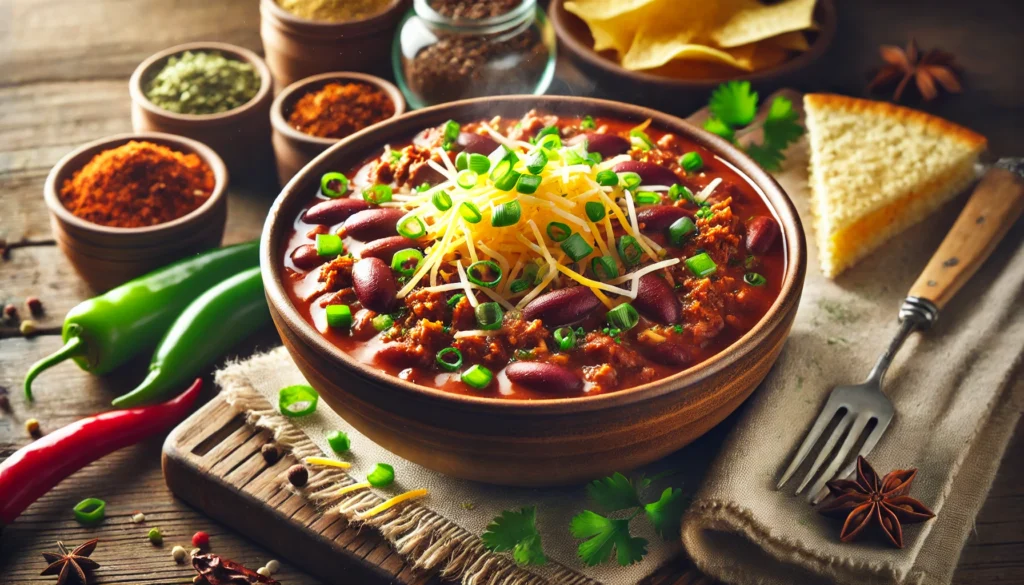
Family Gathering Recipes like chili are a classic that is easy to make in large quantities. It’s filling, flavorful, and can be customized with various toppings like cheese, sour cream, and green onions.

2. Baked Ziti

Ingredients:

  • 1 pound ziti pasta
  • 2 cups marinara sauce
  • 2 cups ricotta cheese
  • 2 cups mozzarella cheese, shredded
  • 1/2 cup Parmesan cheese, grated
  • 1 tablespoon Italian seasoning
  • Salt and pepper to taste

Instructions:

  1. Preheat the oven to 375°F (190°C).
  2. Cook the ziti according to package instructions until al dente.
  3. In a large bowl, combine the cooked pasta, marinara sauce, ricotta cheese, Italian seasoning, salt, and pepper.
  4. Transfer to a baking dish and top with mozzarella and Parmesan cheese.
  5. Bake for 30 minutes or until the cheese is bubbly and golden.

Why It’s Great:

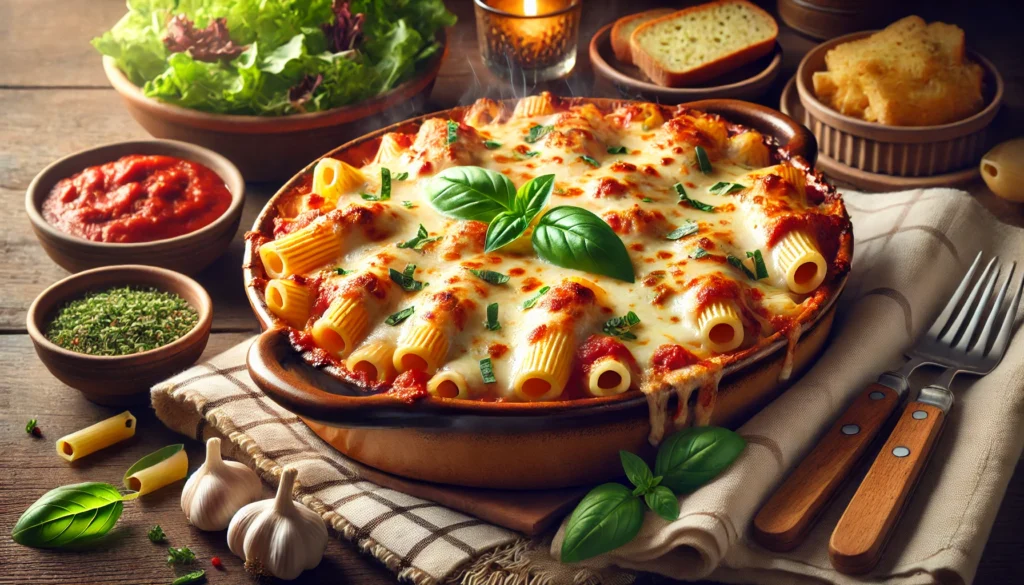
Baked ziti is another effective family gathering recipe that can be made ahead of time. It’s comforting and loved by both kids and adults, making it a perfect dish for any reunion.

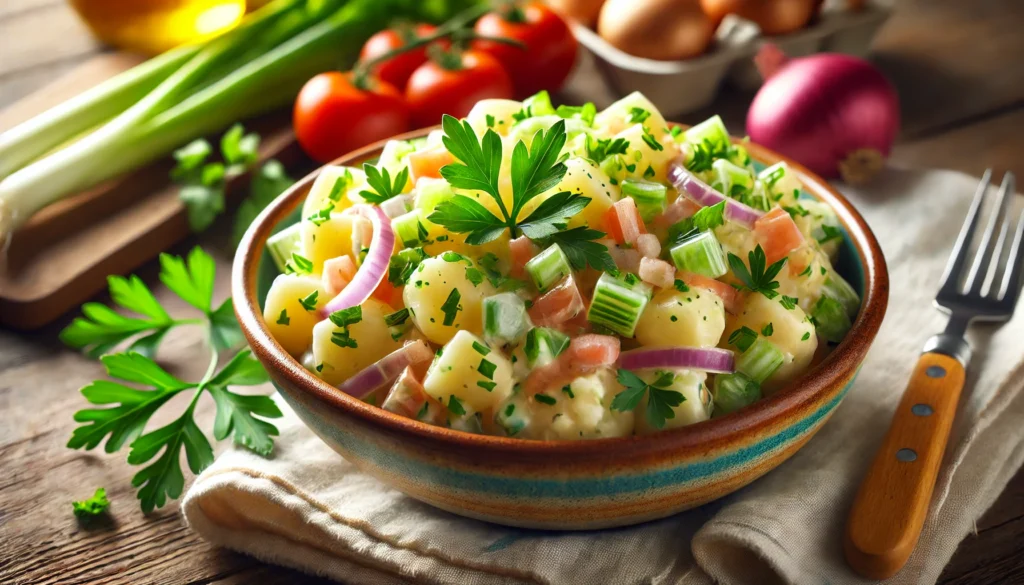
3. Classic Potato Salad

Ingredients:

  • 5 pounds potatoes, peeled and diced
  • 1 cup mayonnaise
  • 1 tablespoon Dijon mustard
  • 1/2 cup celery, chopped
  • 1/2 cup red onion, chopped
  • Salt and pepper to taste
  • 4 hard-boiled eggs, chopped (optional)

Instructions:

  1. Boil the potatoes in salted water until tender, about 15 minutes. Drain and let cool.
  2. In a large bowl, mix the mayonnaise, Dijon mustard, celery, red onion, salt, and pepper.
  3. Fold in the cooled potatoes and hard-boiled eggs if using.
  4. Chill in the refrigerator for at least 1 hour before serving.

Why It’s Great:

Potato salad is a staple at family gatherings, and it’s easy to prepare in bulk. It pairs well with grilled meats and is a refreshing side dish.

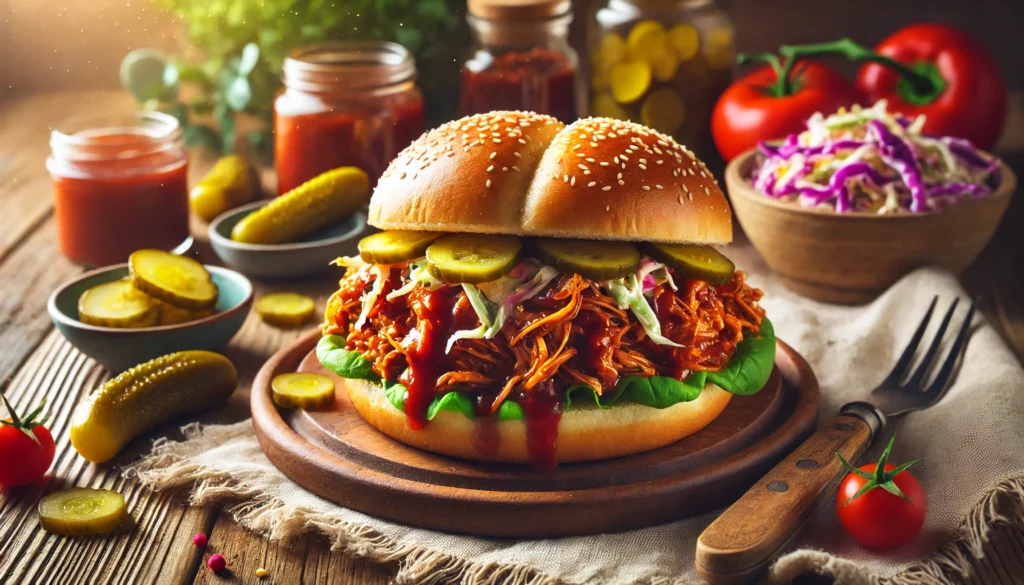
4. BBQ Pulled Jackfruit Recipe

Instructions:

  1. Prepare the Jackfruit: Rinse the jackfruit under cold water, then drain. Remove the core pieces and any tough parts, then shred the jackfruit using your hands or a fork until it resembles pulled meat.
  2. Sauté the Aromatics: In a large skillet, heat the olive oil over medium heat. Add the chopped onion and sauté for 3-4 minutes until translucent. Add the minced garlic and sauté for an additional 1 minute.
  3. Cook the Jackfruit: Add the shredded jackfruit to the skillet, along with the smoked paprika, cayenne pepper (if using), salt, and pepper. Stir to combine and cook for about 5 minutes.
  4. Add BBQ Sauce: Pour the barbecue sauce over the jackfruit and mix well. Reduce the heat to low and let it simmer for 10-15 minutes, stirring occasionally. The jackfruit will absorb the flavors and become tender.
  5. Assemble the sandwiches: Toast the burger buns lightly if desired. Spoon a generous amount of the BBQ jackfruit onto the bottom half of each bun. Top with coleslaw and pickles, then place the top half of the bun on.
  6. Serve: Enjoy your BBQ pulled jackfruit sandwiches warm, alongside your favorite sides.

Why It’s Great:

This BBQ pulled jackfruit recipe is a fantastic meat alternative that captures the essence of traditional pulled pork while being plant-based. The jackfruit’s texture mimics shredded meat, making it satisfying and hearty. It’s packed with flavor from the barbecue sauce and spices, making it a hit at family gatherings. Plus, it’s easy to prepare and can be made in large quantities, perfect for feeding a crowd. This recipe is not only delicious but also a healthier and more sustainable choice for those looking to reduce meat consumption while still enjoying comforting, flavorful meals.

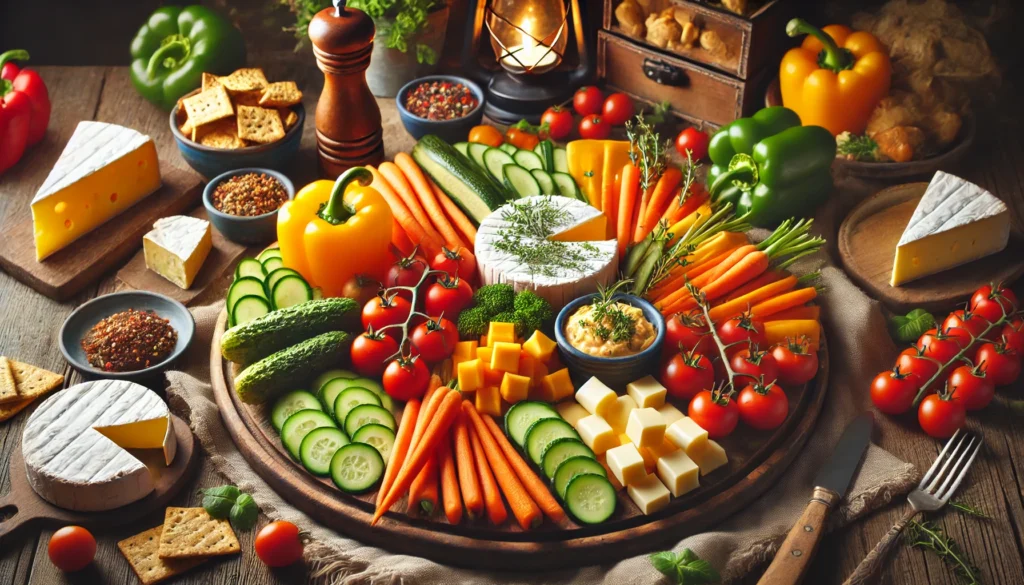
5. Veggie and Cheese Plate

Ingredients:

  • Assorted cheeses (cheddar, brie, gouda)
  • A variety of fresh vegetables (carrots, celery, bell peppers, cherry tomatoes)
  • Crackers or bread for serving
  • Hummus or dip (optional)

Instructions:

  1. Arrange the cheeses, vegetables, and crackers on a large platter.
  2. Add hummus or your choice of dip in small bowls on the side.

Why It’s Great:

A veggie and cheese platter is not only easy to prepare, but it also adds color and freshness to your gathering. It’s a great starter that requires no cooking and is always appreciated.

6. Chicken and Rice Casserole

Ingredients:

  • 3 cups cooked chicken, shredded
  • 2 cups cooked rice
  • 1 can (10.5 oz) cream of mushroom soup
  • 1 cup chicken broth
  • 1 cup frozen mixed vegetables
  • 1 teaspoon garlic powder
  • Salt and pepper to taste

Instructions:

  1. Preheat the oven to 350°F (175°C).
  2. In a large bowl, combine the shredded chicken, cooked rice, cream of mushroom soup, chicken broth, mixed vegetables, garlic powder, salt, and pepper.
  3. Transfer the mixture to a greased baking dish and bake for 25-30 minutes until heated through.

Why It’s Great:

This casserole is comforting and filling, making it an effective family gathering recipe. It’s a complete meal in one dish, which is perfect for sharing.

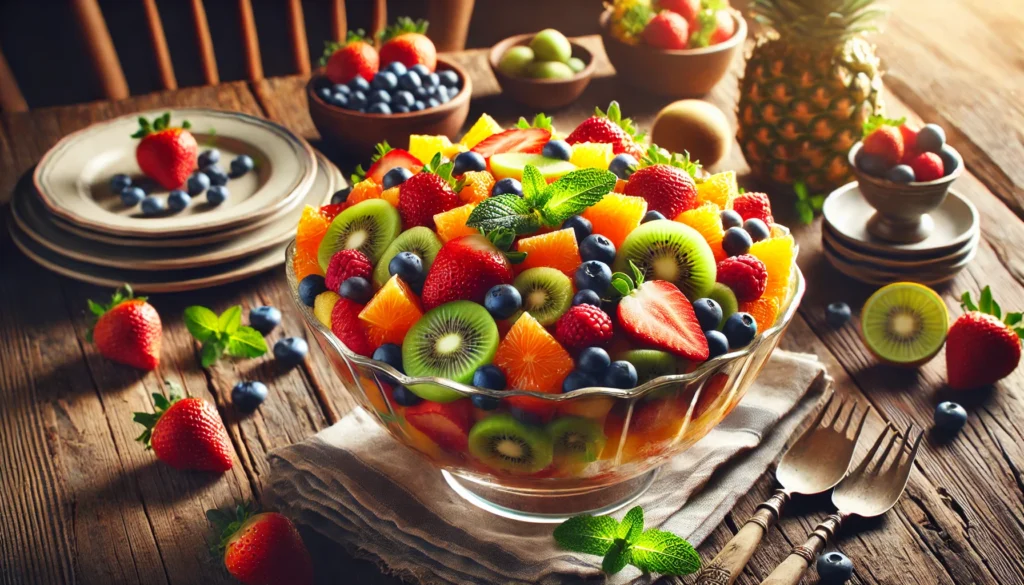
7. Fruit Salad

Ingredients:

  • 2 cups strawberries, sliced
  • 2 cups blueberries
  • 2 cups pineapple, diced
  • 2 cups melon, diced
  • Juice of 1 lime
  • 2 tablespoons honey (optional)

Instructions:

  1. In a large bowl, combine all the fruit.
  2. Drizzle with lime juice and honey, if using, and toss gently to combine.

Why It’s Great:

A fruit salad is a refreshing option that balances out heavier dishes. It’s healthy, colorful, and can be prepared in advance.

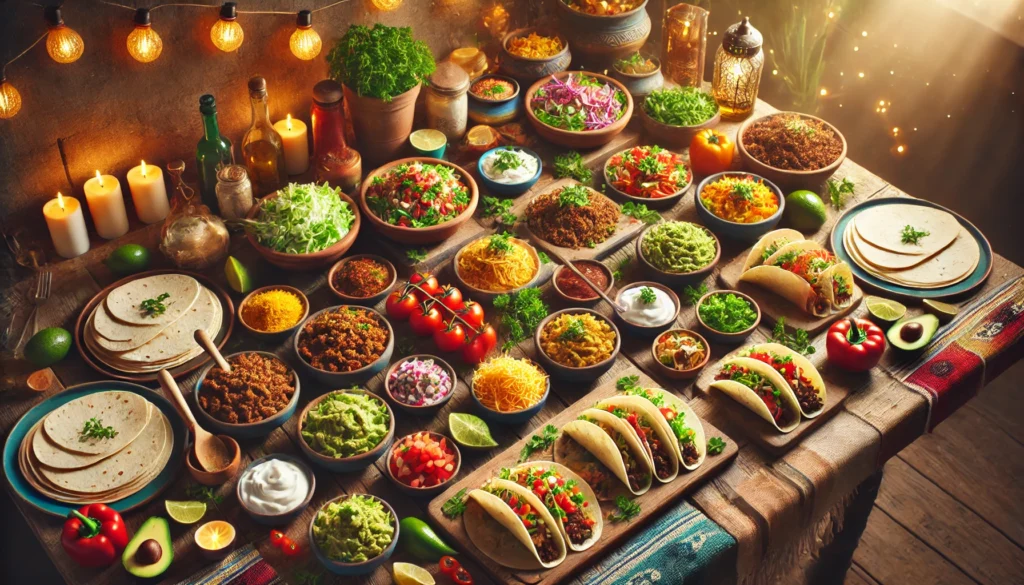
8. Taco Bar

Ingredients:

  • 2 pounds ground beef or turkey
  • Taco seasoning
  • Assorted toppings (lettuce, tomatoes, cheese, sour cream, salsa, guacamole)
  • Taco shells or tortillas

Instructions:

  1. In a skillet, cook the ground meat until browned. Drain excess fat and add taco seasoning according to package instructions.
  2. Set up a taco bar with all the toppings and shells, allowing guests to build their own tacos.

Why It’s Great:

A Taco Bar is one of the best Family Gathering Recipes that allows for customization and fun.A taco bar is interactive and fun, making it a fantastic choice for family gatherings. Everyone can customize their tacos to their liking, and it’s easy to prepare in large quantities.

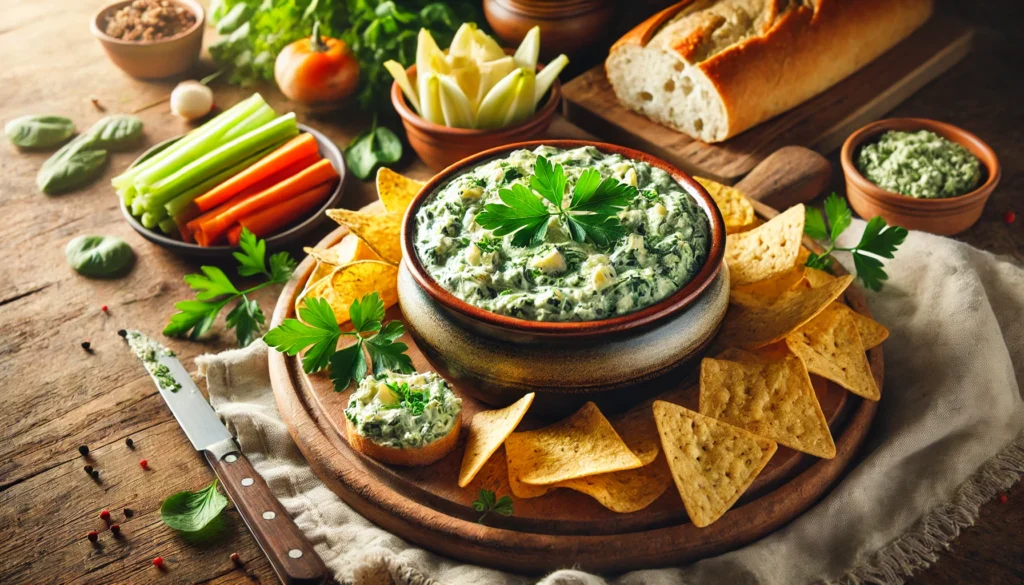
9. Spinach and Artichoke Dip

Ingredients:

  • 1 can (14 oz) artichoke hearts, drained and chopped
  • 1 cup frozen spinach, thawed and drained
  • 1 cup cream cheese
  • 1/2 cup sour cream
  • 1/2 cup mayonnaise
  • 1 cup shredded mozzarella cheese
  • Salt and pepper to taste

Instructions:

  1. Preheat the oven to 350°F (175°C).
  2. In a mixing bowl, combine all ingredients and mix well.
  3. Transfer to a baking dish and bake for 25-30 minutes until bubbly and golden.

Why It’s Great:

This dip is always a crowd-pleaser and perfect for family gatherings. It’s creamy, cheesy, and pairs well with chips, bread, or veggies.

10. No-Bake Cheesecake

Ingredients:

  • 2 cups crushed graham crackers
  • 1/2 cup melted butter
  • 2 cups cream cheese, softened
  • 1 cup powdered sugar
  • 1 teaspoon vanilla extract
  • 1 cup whipped cream

Instructions:

  1. In a bowl, mix the crushed Graham crackers with melted butter until combined.
  2. Press the mixture into the bottom of a springform pan to form the crust.
  3. In another bowl, beat together the cream cheese, powdered sugar, and vanilla extract until smooth.
  4. Fold in the whipped cream and pour the mixture over the crust.
  5. Refrigerate for at least 4 hours or until set.

Why It’s Great:

This no-bake cheesecake is an easy dessert that everyone loves. It’s sweet, creamy, and the perfect ending to a family gathering.

Try these Family Gathering Recipes at your next event and create unforgettable memories.

Conclusion

By using these Family Gathering Recipes, you can ensure that your next family reunion is both delicious and memorable.

Having effective Family Gathering Recipes at your disposal ensures that your next reunion is filled with delicious food and happy memories From hearty chili to refreshing fruit salad, these recipes are designed to please a crowd and make your time together enjoyable. Whether you choose to serve a classic baked ziti or set up a fun taco bar, the key is to prepare dishes that everyone can share and enjoy. Happy cooking!

FAQ: Family Gathering Recipes

What are family gathering recipes?
Family Gathering Recipes are dishes that are easy to prepare in large quantities, making them ideal for sharing at family reunions, holidays, or gatherings. These recipes are typically hearty, comforting, and designed to please a crowd.

Why is it important to have easy-to-prepare recipes for gatherings?
Having easy-to-prepare recipes helps reduce stress and save time when hosting a gathering. It allows hosts to enjoy the event rather than spending excessive time in the kitchen, ensuring they can spend quality time with family and friends.

Can I modify these recipes for dietary restrictions?
Absolutely! Many family gathering recipes can be modified to accommodate dietary restrictions. For example, you can use gluten-free pasta for baked ziti or substitute meat with plant-based options in chili and tacos.

How can I make sure there’s enough food for everyone?
To ensure there’s enough food for everyone, consider the number of guests and their appetites. A good rule of thumb is to prepare 1 pound of protein per every 3-4 people and have a variety of side dishes and appetizers. Planning recipes that can be stretched or added to, like casseroles or salads, can also help.

What are some great side dishes for family gatherings?
Some popular side dishes for family gatherings include potato salad, coleslaw, baked beans, and corn on the cob. Vegetables like roasted asparagus or a fresh garden salad are also great additions that complement main courses.

How far in advance can I prepare these recipes?
Many recipes can be prepared a day or two in advance, especially casseroles, dips, and desserts like no-bake cheesecake. Just make sure to store them properly in the refrigerator or freezer until you’re ready to serve.

What beverages pair well with these family gathering recipes?
Beverages such as iced tea, lemonade, and sparkling water work well. For adults, consider serving wine, beer, or themed cocktails that complement the flavors of the food.

How can I involve my family in the cooking process?
Involving family in the cooking process can be a fun activity. Assign different recipes or tasks to family members based on their preferences and skills. Cooking together can make the gathering more enjoyable and create lasting memories.

What are some dessert ideas for family gatherings?
Some dessert ideas include fruit salad, brownies, cookies, and cakes. Nobake desserts, like the cheesecake mentioned in the article, are particularly popular since they can be prepared ahead of time and are easy to serve.

How can I ensure that the food stays warm during the gathering?
To keep food warm, use slow cookers or warming trays for dishes like chili or casseroles. Covering dishes with foil or lids can also help retain heat. If using a buffet-style setup, serve food in smaller batches to ensure everything stays warm and fresh.

Plant-Based Eating Revolution: Benefits & Easy Recipes

Have you ever thought about how changing your diet could improve your health and the planet? With restaurants closing and social events canceled, cooking at home is becoming more popular. This is a great chance to join the plant-based eating movement.

In this article, we dive into the plant-based diet benefits for health, the environment, and ethics. Learn how it can lower disease risk, help with weight, and give your body key nutrients. We also share easy plant-based recipes to make starting easy.

Let’s explore how plant-based eating: benefits and easy recipes to get started can lead to a better, greener life.

Key Takeaways

  • Home-cooked meals offer a chance to explore plant-based eating amid restaurant closures.
  • Whole, minimally-processed plant foods can reduce the risk of chronic diseases.
  • Plant-based diets are cost-effective and beneficial for mental well-being.
  • Meal prepping with plant-based ingredients can save time with recipes taking less than 30 minutes.
  • Organic, locally sourced plant-based foods support environmental sustainability.

Understanding the Plant-Based Eating Revolution

The plant-based eating revolution is sweeping the world. Over half of US consumers are interested in it. It’s good for health and the planet. Let’s explore why it’s happening and its historical significance.

Why Plant-Based Is Gaining Traction

Plant-based diets are becoming popular for many reasons. Sales of plant-based foods are soaring. This is due to several factors:

  • Health Concerns: Plant-centric diets are linked to fewer chronic diseases.
  • Environmental Impact: More people are choosing plant-based to help the environment.
  • Fiber Intake: Plant-based diets are rich in fiber, which is lacking in many modern diets.

Many are looking for a balanced diet without supplements. Plant-based diets offer this without the need for extra nutrients.

Historical Context and Modern Trends

Plant-based diets have a long history. Societies that eat more plants have better health. Today, more people are interested in these diets.

  • Ethical Motivations: Animal welfare is a big reason for choosing plant-based diets.
  • Environmental Awareness: The diet’s impact on climate change is a major factor.
  • Cultural Shift: More people are adopting plant-based diets, showing a cultural shift toward mindful eating.

With more recipe sites and blogs, it’s easier to try plant-based diets. This change reflects historical trends and today’s concerns about health, ethics, and the environment.

Health Benefits of a Plant-Based Diet

In recent years, more people are discovering the health benefits of a plant-based diet. This diet helps manage chronic diseases and boosts overall well-being. It’s based on eating more plants and less animal products.

Reduction in Chronic Diseases

Switching to a plant-based diet can lower the risk of chronic diseases. The China Study showed that plant-rich diets lead to longer, healthier lives. A 2017 study also found that a plant-based diet can lower blood pressure.

One author saw a 15.35% drop in total cholesterol and a 25% decrease in LDL (“bad”) cholesterol. Their A1C level fell to 5.5, eliminating prediabetes. This shows how effective plant-based nutrition is in managing blood sugar.

These results aren’t just for individuals. Experts recommend plant-based diets for their health benefits. They can lower BMI, blood pressure, and cholesterol, reducing the need for medication. A 2014 Yale analysis linked a plant-based diet to better health and disease prevention.

Weight Management and Nutrition

A plant-based diet is also great for weight management and nutrition. One person lost 30 pounds on a plant-based, oil-free diet. This diet helps with healthy weight loss and maintenance because it’s full of nutrients but low in calories.

Plant-based diets are high in fiber from vegetables, fruits, whole grains, and legumes. Fiber keeps you full, reducing unhealthy snack cravings. The U.S. has seen an 11 percent increase in plant-based food sales, showing growing interest in these benefits.

Before After Change (%)
Cholesterol (mg/dL) 202 171 -15.35
LDL (mg/dL) 124 93 -25
A1C Level Pre-diabetic 5.5
Weight (lbs) -30

By choosing plant-based nutrition, people can manage chronic diseases and maintain a healthy weight. It offers many health benefits. If you want to reduce health risks or manage your weight, a plant-based diet is a great choice.

Environmental and Ethical Advantages

The impact of our diet on the environment is huge, especially with climate change. Eating plant-based helps lower our carbon footprint. It cuts down on greenhouse gas emissions from meat production. This choice makes our lifestyle more sustainable and ethical.

Impact on Climate Change

Choosing plant-based foods helps fight climate change by reducing emissions. Meat production uses a lot of water, feed, and energy. It also releases methane. By eating plants, we can greatly reduce these emissions.

  • Meat sales in the US fell by 5% from 2015 to 2019, showing a shift towards greener choices.
  • The plant-based meat alternatives market globally is projected to surge from USD 1.6 billion in 2019 to USD 3.5 billion by 2026.

These numbers show the big move towards plant-based eating. It’s not just a trend; it’s a big step to fight climate change.

Animal Welfare and Ethical Eating

Plant-based eating also helps animals. It reduces the harm caused by industrial farming. It supports treating animals better. Here are some interesting facts:

In America, the number of vegans increased by 500%, from nearly four million in 2014 to 19.6 million in 2017.

In the UK, 21% of the population consider themselves flexitarian, and 1 in 8 declared being vegetarian or vegan.

These numbers show more people care about sustainable and ethical eating. By choosing plants, we help animals and the planet.

Getting Started with Plant-Based Eating

Starting a plant-based diet might seem hard, but it’s actually exciting. You’ll get healthier and help the planet. Let’s start with some easy tips, pantry essentials, and meal planning basics.

Tips for Beginners

If you’re new to plant-based eating, here are some tips to help:

  • Start small: Add plant-based meals a few times a week and increase them slowly.
  • Explore diverse recipes: Look for cookbooks, blogs, and YouTube channels for tasty plant-based dishes.
  • Focus on whole foods: Choose whole grains, legumes, veggies, and fruits for better health.
  • Join supportive communities: Online forums and local groups offer advice and motivation.
  • Stay patient: It takes time to get used to new tastes and textures, so be patient.

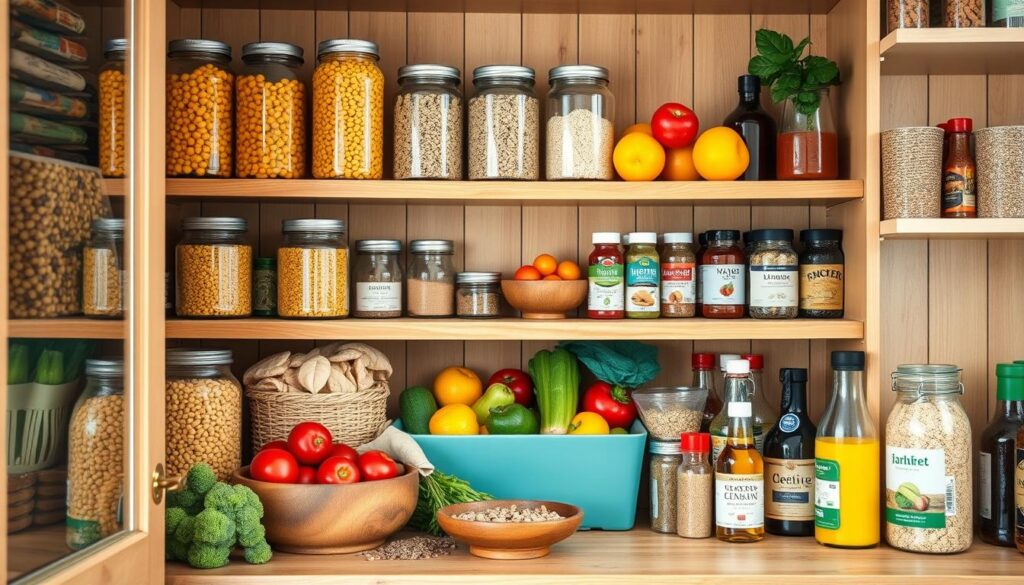
Essential Pantry Staples

Having the right pantry items makes cooking easier and more fun:

Category Items
Grains Quinoa, brown rice, whole wheat pasta, oats
Legumes Black beans, lentils, chickpeas, kidney beans
Proteins Tofu, tempeh, edamame, seitan
Nuts & Seeds Chia seeds, flaxseeds, almonds, walnuts
Oils & Condiments Olive oil, coconut oil, tamari, nutritional yeast
Spices Turmeric, cumin, paprika, garlic powder

Meal Planning and Preparation

Good meal prep for beginners needs planning and organization. Here are some steps to help:

  1. Plan a Weekly Menu: Set aside time each week to plan breakfast, lunch, and dinner for balanced nutrition.
  2. Batch Cook: Cook big batches of grains, beans, and veggies for easy portions all week.
  3. Store Wisely: Use airtight containers and label them to keep your meals fresh and easy to find.
  4. Variety is Key: Mix up your meals to avoid boredom and ensure you get all the nutrients.

Starting a plant-based diet is a step towards a healthier life and a greener planet. Every little bit helps! With the right pantry items and meal prep tips, you’re ready to enjoy a healthy and eco-friendly lifestyle.

The Revolution of Plant-Based Eating: Benefits and Easy Recipes to Get Started

Plant-based eating changes our health and the planet for the better. Many have seen big health improvements by starting a plant-based diet. For example, I lost 20 lbs in 90 days and my cholesterol dropped from over 200 to under 140. Many others have had similar results.

The growth of the plant-based industry is amazing. Veggie Grill has grown from one location to 33 across the US. The number of vegans in America has jumped from four million to 19.6 million in just three years. More people worldwide are eating less animal protein, with 40% trying to reduce it and 10% avoiding red meat.

  • Veggie Grill’s expansion to 33 locations across the country.
  • The number of Americans practicing plant-based eating increased by 500%.
  • Globally, 40% of consumers are reducing animal protein intake.

Plant-based eating is good for our health and the planet. A 2020 Nielsen study found 40% of Americans want to eat more plant-based foods. This could cut greenhouse gas emissions from food production by 70%. Let’s make plant-based meals more common.

  1. Health benefits: weight loss, lower cholesterol, reduced risk of chronic diseases.
  2. Environmental advantages: reduced greenhouse gas emissions, less water usage.
  3. Ethical reasons: improved animal welfare, compassionate living.
Category Traditional Plant-Based
Milk Sales (2013-2018) Less than $16 billion $21 billion
Greenhouse Gas Reduction 70%
Burgers Sales (2019) $283 million

Starting a plant-based diet is easier than you think, thanks to many easy recipes. Join the revolution and enjoy the health and environmental benefits. Plus, you’ll love the tasty, simple recipes that will make you feel great!

Easy Plant-Based Recipes for Every Meal

Switching to a plant-based diet is exciting and rewarding. You’ll find tasty breakfast, lunch, and dinner options that are good for you. These recipes are easy to make and delicious!

Breakfast Ideas

Starting your day with healthy choices is key. Our vegan breakfast ideas include oatmeal and smoothies full of nutrients. Try these:

  • *Overnight oats with chia seeds and fresh berries*
  • *Smoothie bowls with tropical fruits and granola*
  • *Tofu scramble with spinach and mushrooms*

Lunch Inspirations

Healthy lunches should be tasty and filling. Use beans, lentils, and veggies to make your midday meal nutritious. Here are some ideas:

“A well-balanced plant-based lunch keeps you focused and energized throughout the afternoon.”

  • *Quinoa salad with chickpeas, cucumber, and lemon-tahini dressing*
  • *Loaded veggie wraps with hummus and avocado*
  • *Hearty lentil soup with carrots and celery*

Budget-friendly nutritious recipes help you save money while eating well.

Dinner Delights

Dinners should be comforting and tasty. Plant-based dinners offer a variety of flavors and textures. Here are some easy and satisfying dinner recipes:

  • *Cauliflower and chickpea curry with garam masala and turmeric*
  • *Black bean enchiladas with smoked paprika and cumin*
  • *Vegan lasagna with zucchini, spinach, and cashew cream*

Our 15 delicious plant-based recipes for beginners are easy to follow. They use ingredients like cauliflower, mushrooms, and eggplant. These recipes promise great flavors and healthy meals. Start your journey to better health and energy today.

Addressing Common Challenges and Concerns

Starting a plant-based diet can feel daunting. But, tackling these challenges can make the transition easier. A big worry is getting enough nutrients. Plant-based diets are full of fiber, vitamins, and minerals. Yet, some nutrients like vitamin B12, iron, and omega-3s need extra care.

Fortified foods or supplements can help fill these gaps. This ensures you get all the nutrients you need.

Dealing with social situations can also be tough. Being the only vegan at gatherings can be intimidating. But, there are ways to handle this.

Bring a tasty plant-based dish to share. Or suggest vegan-friendly restaurants for outings. This way, you meet your dietary needs and share the joy of plant-based food with others.

Finding plant-based options in the grocery store can be a challenge, especially for newbies. Start by stocking up on vegan staples like beans, lentils, whole grains, nuts, and seeds. This gives you a solid base for making healthy, varied meals.

Plus, the variety of plant-based meats and dairy alternatives in stores makes it easier to switch. You can find everything from vegan burgers to plant-based milks.

Some worry about the cost of vegan products. But, many plant-based foods like grains, beans, and veggies are affordable. For convenience, there are now many quick, healthy vegan meals available, like veggie-packed pot pies and mac and cheese alternatives. These options are easy on the wallet.

  1. Ensure nutrient sufficiency with fortified foods and supplements.
  2. Bring plant-based dishes to social events or suggest vegan-friendly venues.
  3. Stock up on affordable pantry staples like beans, grains, and nuts.
  4. Take advantage of convenient vegan meal options in grocery stores.

Adopting a plant-based lifestyle has its hurdles. But, with these practical tips, it can be a rewarding and sustainable choice. The aim is to make it easy and enjoyable for everyone. This way, we can all move towards a healthier, more sustainable future.

Success Stories: Transformations with Plant-Based Eating

Real-life success stories and scientific research show the power of a plant-based diet. Personal stories and studies offer evidence and inspiration for those thinking about a plant-based lifestyle.

Personal Testimonials

Plant-based diet success stories are truly inspiring. People share amazing health and well-being improvements after switching to plant-based eating.

  • Dr. Michael Greger, known for “How Not to Die,” talks about the health benefits of plant-based diets. His insights, based on vegan diet research, help many live healthier.
  • The “Plant-Based Journey” book, recommended by dietitians and doctors, is filled with personal stories. Readers find relatable tales of weight loss, more energy, and clearer minds.
  • At the Healthy Taste of Sacramento event, many reported health improvements. They shared their plant-based diet journeys, creating a supportive community.

Scientific Research and Case Studies

Scientific support for plant-based diets is strong and growing. Doctors and health experts often suggest plant-based diets for better health. The U.S. Dietary Guidelines Advisory Committee has also endorsed plant-based eating.

Source Key Findings
Journal of the Academy of Nutrition and Dietetics (2015) A meta-analysis showed that a vegetarian diet can lead to weight loss.
Dr. John McDougall Studies suggest that cholesterol and triglyceride levels are just part of heart health. They promote plant-based diets for heart benefits.
Forks Over Knives This book is a great resource for understanding plant-based diet health benefits, supported by lots of research.

Both personal experiences and scientific research highlight the health benefits of a plant-based diet. These stories show that plant-based eating is more than a trend. It’s a sustainable lifestyle choice supported by solid research and real-life success.

Conclusion

The move towards plant-based eating is more than a trend. It’s a lifestyle choice that benefits health and the environment. Eating whole plant foods and avoiding animal products can lower the risk of heart disease, diabetes, and some cancers.

Plant-based diets have a big impact on the environment. They reduce greenhouse gas emissions, deforestation, and water pollution. With more vegan options available, it’s easier than ever to stick to this lifestyle.

Switching to veganism requires careful planning to get all the nutrients. You might need supplements for B12 and calcium. It’s smart to talk to a doctor to make sure you’re getting everything you need. For inspiration, check out art-inspired recipes to spice up your cooking.

Choosing a plant-based lifestyle is good for you and the planet. It’s about making thoughtful choices and enjoying new foods. We encourage you to start your journey towards a more sustainable diet.

FAQ

What are some key benefits of adopting a plant-based diet?

A plant-based diet can lower your risk of heart disease, diabetes, and high blood pressure. It helps with weight control and boosts nutrition. This is because it focuses on foods that are rich in nutrients but low in calories.

How does plant-based eating impact the environment?

Plant-based eating cuts down on greenhouse gas emissions from meat production. It also helps animals and the environment by reducing the need for land and resources. This makes it a more sustainable and kinder choice for our planet.

What are some easy plant-based recipes for beginners?

Beginners can start with simple dishes like a breakfast smoothie bowl, a quinoa salad for lunch, or a vegetable stir-fry for dinner. These recipes are not only healthy but also easy to make.

How can a plant-based diet help manage chronic diseases?

Plant-based diets are full of antioxidants, fiber, and healthy fats. These help manage chronic diseases by reducing inflammation and improving blood sugar control. This is key for heart disease and diabetes management.

Why is plant-based eating gaining popularity?

Plant-based eating is becoming more popular because of its health benefits and lower environmental impact. People are also becoming more aware of animal welfare. This shift shows that more people value sustainable and ethical food choices.

What are essential pantry staples for a plant-based diet?

Key pantry items include lentils, beans, chickpeas, quinoa, oats, nuts, seeds, whole grains, and spices. These ingredients are versatile and can be used to make many nutritious meals.

Is it difficult to get enough protein on a plant-based diet?

No, getting enough protein on a plant-based diet is easy. Beans, lentils, tofu, tempeh, quinoa, and nuts are all great sources. It’s just a matter of balancing your meals to meet your protein needs.

How can I start transitioning to a plant-based diet?

Start by adding more plant-based meals to your diet slowly. Focus on whole foods like vegetables, fruits, grains, and legumes. Try new recipes and make sure your pantry is stocked with the right ingredients.

What are some common challenges and how can they be overcome?

Challenges include dietary restrictions, social eating, and ensuring you get all the nutrients you need. Overcome these by planning meals, learning about nutrient sources, and finding tasty, flexible recipes.

Are there any success stories that highlight the benefits of a plant-based diet?

Yes, many people have seen health improvements and weight loss on a plant-based diet. Studies also back up these success stories, showing real health benefits.

Intermittent Fasting: Transform Your Health & Wellness

Ever wondered how a simple change in when you eat could transform your entire health and wellness journey?

Intermittent fasting is more than a diet trend. It’s a lifestyle change that can greatly improve your health and well-being. Intermittent fasting limits your eating to certain hours or days. This prompts your body to use stored fat for energy.

Experts like Cynthia Thurlow and Mark Mattson have shown its benefits. These include better metabolic rates, reduced inflammation, and improved brain function. It can also help you live longer. By adopting this method, you might reduce diseases like obesity, type 2 diabetes, and heart disease.

Intermittent fasting also mirrors our ancestors’ natural eating patterns. It could be the modern answer to today’s health problems. Studies (Cho et al., 2019; Welton et al., 2020) show it can lead to weight loss, better mental and physical health, and even fight depression symptoms.

Curious about the health benefits of intermittent fasting? Keep reading to learn more about its science and methods.

Key Takeaways

  • Intermittent fasting promotes weight loss by utilizing stored fat for energy.
  • Proven to enhance mental clarity, focus, and overall brain function.
  • Reduces inflammation and may lower the risk of chronic diseases.
  • Improves insulin resistance, beneficial for diabetes management.
  • Encourages longevity through cellular repair and autophagy.

What is Intermittent Fasting?

Intermittent fasting is a popular way to manage weight and improve health. But what exactly is it, and how does it work?

Definition and Overview

Intermittent fasting means switching between eating and fasting. It’s different from diets that focus on what you eat. Instead, it’s about when you eat. There are many ways to do it, each with its own fasting periods.

  • Alternate-day fasting: You eat normally one day and then either fast or eat a small meal the next day.
  • 5:2 fasting: You eat as you normally do for five days and then fast for two days.
  • Daily time-restricted fasting: You can only eat during an eight-hour window each day.

The Science Behind Intermittent Fasting

The science of intermittent fasting shows many health benefits. Research by Mark Mattson found that fasting changes how your body uses energy. It starts using fat instead of glucose, helping you lose weight.

Studies also show it can lower the risk of diseases like diabetes and some cancers. It may also reduce inflammation, which can help with conditions like Alzheimer’s and arthritis. Plus, it can improve heart health by lowering blood pressure and cholesterol.

ButBut it’s not for everyone. Pregnant women, breastfeeding moms, and people with certain health issues should talk to a doctor first. Despite initial side effects like hunger and fatigue, the benefits make it worth trying for many people.

Benefits of Intermittent Fasting

Intermittent fasting offers many health benefits. It helps the body lose weight and improves overall well-being. By following the body’s natural rhythms, it boosts health in many ways.

Weight Loss and Fat Burning

Intermittent fasting is great for losing weight. Studies show it can lead to a 4% to 10% weight loss in just a few weeks. It works by improving hormones and making the body burn fat.

Alternate-day fasting can lead toto 0.75 kg weight loss per week. The 5:2 method results in about 0.25 kg per week. It also helps lose fat more efficiently than just cutting calories.

Improved Metabolic Health

Intermittent fasting greatly improves metabolic health. It lowers blood sugar and insulin levels, which helps prevent type 2 diabetes. It also makes the body more sensitive to insulin.

Research shows it reduces insulin levels and improves glucose control in both obese and non-obese people. It also helps type 2 diabetes patients lose weight and lower blood sugar levels.

Enhanced Mental Clarity and Focus

Intermittent fasting boosts mental clarity and focus. It improves concentration and productivity. This is likely due to its positive effects on brain health.

The switch to ketones as energy supports brain function. It helps the brain adapt to stress and improves cognitive performance.

Longevity and Disease Prevention

Intermittent fasting promotes longevity and prevents diseases. It activates rejuvenation and repair pathways, similar to exercise. It reduces inflammation and supports cellular repair.

It also helps prevent heart disease, stroke, and some cancers. It supports brain health by reducing inflammation and oxidative stress. This leads to a longer, healthier life.

The benefits of intermittent fasting come from its ability to stimulate autophagy, regulate blood sugar, and improve metabolic flexibility. These effects make it a holistic approach to health and wellness.

Embracing intermittent fasting can transform your health. It connects nutrition, metabolic health, and mental clarity. It aims for longevity and disease prevention, aligning with the body’s natural design.

Intermittent Fasting Methods

Exploring different intermittent fasting methods helps us find routines that fit our lifestyle and health goals. From short daily fasts to longer extended fasts, each method has its own way of managing diet.

The 16:8 Method

The 16:8 method is very popular. It involves fasting for 16 hours and eating for 8 hours. This method is easy to fit into daily life. It improves insulin sensitivity, boosts fat burning, and helps with cellular repair.

The 5:2 Method

The 5:2 diet is unique. You eat normally for five days and limit calories to 500-600 on two non-consecutive days. Studies show it leads to weight loss similar to traditional diets. It also improves metabolic health. Many find it flexible and easy to stick to.

Alternate-Day Fasting

ButAlternative-day fasting involves fasting for about 500 calories on some days and eating freely on others. It has been shown to reduce body mass index and cholesterol. It’s a strict diet but without daily restrictions.

Extended Fasting

Extended fasting lasts more than 24 hours and is less common but offers deep health benefits. It enhances cellular repair and reduces inflammation. This can impact longevity and lower chronic disease risk. Extended fasting is challenging but can lead to significant health gains.

We can compare these intermittent fasting methods to see which suits our goals best:

Method Fasting Period Eating Period Main Benefits
16:8 Method 16 hours/day 8 hours/day Improves insulin sensitivity, enhances fat burning
5:2 Diet 2 days/week, 500-600 calories Normal eating 5 days/week Flexible, comparable weight loss to traditional diets
Alternate-Day Fasting Alternate days: 500 calories Feasting days Significantly reduces body mass index and cholesterol
Extended Fasting Over 24 hours Varies Enhances cellular repair, reduces chronic disease risk

How to Start Intermittent Fasting

Starting intermittent fasting needs careful thought about your health and lifestyle. It’s key to talk to a doctor first. This ensures it’s safe and right for you.

Consulting Your Doctor

Before starting, consulting a doctor is a must. They can tell if fasting is good for you, especially if you have health issues. They’ll also guide you on how to fast safely.

Choosing the Right Method

There are many fasting methods, like 16:8, 5:2, and time-restricted eating. Choosing fasting methods that match your life is important. Think about your daily habits and meals to pick a method that works for you.

Gradual Introduction

Starting with shorter fasting times can make it easier. Begin with a 12-hour fast and then move to 16 hours. This helps your body adjust slowly, making it easier to stick with.

Maintaining Proper Nutrition

Even with fasting, proper nutrition during intermittent fasting is crucial. Make sure your eating times have balanced meals. Eat a variety of fruits, veggies, lean proteins, and whole grains. This keeps your body nourished and your energy up.

Fasting Method Description Recommended For
16:8 Method Fasting for 16 hours and eating during an 8-hour window Beginners and those looking to maintain muscle mass
5:2 Diet Eat normally for five days and reduce calorie intake to 25% for two days Individuals seeking a flexible fasting schedule
Time-Restricted Eating Fasting for a specific period and having designated eating windows People with consistent daily routines

By following these tips and talking to a doctor, you can start intermittent fasting right. Make sure to eat well and pick a method that fits your life.

Intermittent Fasting for Weight Loss

Intermittent fasting is getting a lot of attention for its ability to help with weight loss. It uses specific fasting times to cut down on calories and boost metabolism.

Why It Works for Weight Loss

Intermittent fasting helps with weight loss in several ways. It limits when you can eat, which reduces calories. It also helps balance hormones and increases metabolism. Research shows it can lower body fat, improve insulin sensitivity, and reduce blood sugar.

A review found it leads to a better fat-to-muscle ratio loss, about 4:1. This makes it easier to keep weight off. The body’s natural rhythms also play a role, making fasting more effective.

Intermittent Fasting Schedule for Weight Loss

Choosing the right fasting schedule is key to losing weight. Popular options include the 16:8, 5:2, and alternate-day fasting methods. Each has its own benefits:

  • 16:8 Method: Fast for 16 hours and eat in an 8-hour window. Great for those who like a daily routine.
  • 5:2 Method: Eat normally for 5 days and cut calories to 500–600 on the other 2 days.
  • Alternate-Day Fasting: Alternate between normal eating days and fasting or low-calorie days.

Sticking to your chosen schedule leads to gradual, noticeable results.

Success Stories: Intermittent Fasting Before and After

Many people have shared their success with intermittent fasting. They show big weight loss, more energy, and better health. Moderate alternate-day fasting for 2–6 months has led to big weight and health improvements.

These stories inspire others to try intermittent fasting. They show how it can change someone’s life and health for the better.

Intermittent Fasting: How Intermittent Fasting is Transforming Health and Well-B

Intermittent fasting is changing how we see nutrition and health. It involves long periods without food, followed by normal eating. This method helps with weight loss and boosts the body’s functions.

The health benefits of fasting are clear. Studies show it improves metabolism, reduces inflammation, and makes insulin work better. It also helps burn fat, control blood sugar, and lower stress and inflammation.

Intermittent fasting also changes the gut and sleep. A study with 41 overweight people found better gut health and fewer stomach problems in those fasting. They ate meals 4 hours apart, with 25-50 grams of protein each, and fasted for 36-60 hours a week.

The results were impressive. They lost more body fat, especially around the belly, and felt better. Certain gut bacteria, like Christensenellaceae, increased, which is good for health.

Intermittent fasting also lowers blood pressure, improves insulin use, and raises good cholesterol. It may reduce the risk of diseases like breast cancer and improve brain function and mood.

Eating foods rich in healthy fats and antioxidants during fasting can help even more. More research shows that intermittent fasting is a powerful way to improve health and prevent diseases.

Health Benefits Intermittent Fasting Continuous Calorie Restriction
Total Body Fat Reduction Significant Moderate
Visceral Fat Reduction Significant Moderate
Gastrointestinal Symptoms Improved Less Improved
Gut Microbiota Shift More Substantial Moderate

More research is needed to fully understand the health benefits of fasting. But, the current studies show how fasting can greatly improve health and well-being.

Intermittent Fasting for Women

Intermittent fasting for women needs special care, especially for hormonal health. Women’s cycles and life stages, like pregnancy or menopause, affect fasting responses. It’s key to adjust fasting methods for hormonal balance and health.

Hormonal Considerations

Fasting’s hormonal effects are significant for women. It can change reproductive hormones, affecting menstrual cycles. For women with PCOS, fasting can lower androgen levels, helping manage the condition.

Women fasting often use fatty acids and ketone bodies for energy. This can change metabolic and hormonal health.

“Research shows that intermittent fasting can be safe and effective for most women, especially overweight and obese women, those with issues regulating blood sugar levels and blood pressure, and menopausal and post-menopausal women.”

But not all women can do intermittent fasting. Those with extreme stress, unintentional weight loss, and vitamin and mineral deficiencies should avoid it to prevent health problems.

Adaptations for Different Life Stages

Adjusting intermittent fasting for different life stages is crucial. Young women might choose shorter fasting to avoid cycle disruptions. Menopausal and post-menopausal women might find it helps with weight and metabolic health.

A systematic review found similar benefits for triglyceride and cholesterol levels in male and female athletes. This shows its value across life stages.

Life Stage Recommended Fasting Approach Considerations
Reproductive Years Shorter Fasting Periods (e.g., 12-16 hours) Monitor menstrual cycles and ensure adequate nutrient intake
Pregnancy Not Recommended Focus on balanced diet for mother and baby’s health
Menopausal Moderate Fasting Periods (e.g., 16-18 hours) Potential benefits for weight management, reduced inflammation
Post-Menopausal Adaptable Fasting Periods Weight management, improved metabolic parameters

Women’s unique hormonal profiles and life stages require tailored fasting approaches. By considering these factors, intermittent fasting can be a powerful tool for women’s health and well-being.

Common Mistakes to Avoid with Intermittent Fasting

Intermittent fasting can change your life, but some common mistakes can get in the way. Knowing how to avoid these mistakes makes your fasting journey better.

Overeating During Eating Windows

One big mistake in intermittent fasting is eating too much during your eating times. This happens because you’re really hungry after fasting. It can lead to eating too many calories, which defeats the purpose of fasting.

To avoid this, plan your meals carefully and eat mindfully. Focus on eating foods that are good for you and control your portion sizes.

Skipping Meals Unintentionally

Busy people often accidentally skip meals, which can cause nutritional deficiencies. Your body needs the right mix of nutrients to stay healthy. Make a schedule for your meals to ensure you don’t miss out. With good meal planning, you’ll keep your energy up and stay healthy.

Ignoring Hydration

Don’t forget to drink water during fasting periods. Water helps with digestion, getting rid of toxins, and keeping you healthy. Not drinking enough water can make you feel tired and affect your brain. So, it’s key to stay hydrated during fasting.

Knowing these common mistakes and how to avoid them makes intermittent fasting more effective. It helps you reach your health and wellness goals smoothly. Be mindful with intermittent fasting and avoid these usual mistakes for a better experience.

Tips for Successful Intermittent Fasting

Starting an intermittent fasting journey can change your life for the better. With the right strategies, you can enjoy great health benefits. Here are some key tips to help you succeed.

Staying Active

Being active while fasting can really help your results. Exercise not only aids in fat loss but also improves your overall health. Choose activities you like, like walking, yoga, or weightlifting, to keep you motivated.

Listening to Your Body

It’s crucial to listen to your body while fasting. Pay attention to how you feel and make changes if needed. If you feel dizzy or tired, it might be time to adjust your fasting plan.

Tracking Your Progress

Keeping a record of your fasting journey can be very helpful. It lets you see patterns, celebrate your wins, and make changes. Use a journal or app to track your fasting, meals, and workouts. This way, you can stay on track and see your progress.

By following these tips—staying active, listening to your body, and tracking your progress—you can make the most of intermittent fasting. This approach can greatly improve your health and well-being.

Conclusion

Intermittent fasting is more than just a diet trend. It’s a way to improve your health for the long term. Studies show it can help with weight loss, improve heart health, and even increase your lifespan. By eating in sync with your body’s natural rhythms, you can gain many health benefits.

Methods like the 16:8 Method or Time-Restricted Eating (TRE) can help you lose weight and improve your health. They can lower your body fat, reduce bad fats, and make your body more sensitive to insulin.

For people with type 2 diabetes, fasting can also lower blood pressure and improve blood sugar levels.

Starting intermittent fasting should be done carefully. It’s important to focus on what you eat and drink, not just when you eat. Talk to a healthcare provider before starting to make sure it’s safe for you.

ButThis way, you can enjoy all the benefits of intermittent fasting and make it a key part of your health routine. It’s about living a healthier lifestyle that helps you stay well and live longer.

FAQ

What is intermittent fasting?

Intermittent fasting, or IF, is a way to change your lifestyle. It involves periods of eating and fasting. This helps use stored fat for energy, improving your health and well-being.

What are the benefits of intermittent fasting?

IF offers many benefits. It can help with weight loss, improve metabolic health, and boost brain function. It also reduces inflammation and can increase your lifespan.

How does intermittent fasting help with weight loss?

IF reduces calorie intake during eating times. It also optimizes hormone function. This boosts metabolism and fat burning.

What are some popular intermittent fasting methods?

There are several popular methods. The 16:8 method, the 5:2 method, alternate-day fasting, and extended fasting are some. Each has different fasting and eating periods.

Is intermittent fasting safe for everyone?

While IF is generally safe, it’s important to talk to a healthcare provider. This is especially true if you have health conditions. They can ensure it’s safe for you.

How does intermittent fasting affect metabolic health?

IF improves metabolic health. It enhances insulin sensitivity, lowers blood sugar, and reduces the risk of type 2 diabetes and obesity.

Can intermittent fasting enhance mental clarity and focus?

Yes, fasting can improve mental clarity, focus, and concentration. It has positive effects on brain health.

How should beginners start intermittent fasting?

Beginners should start slowly. It’s important to consult a doctor, choose a method, and eat balanced during eating times. This helps ease into fasting.

What should I avoid when practicing intermittent fasting?

Avoid overeating during eating times and unintentionally skipping meals. Also, don’t ignore hydration. These can hinder progress and affect your health.

Are there specific considerations for women doing intermittent fasting?

Women should consider hormonal changes and life stages like pregnancy or menopause. They may need to customize their fasting approach.

How can I stay motivated during my intermittent fasting journey?

Stay active, listen to your body, and track your progress. Celebrate your successes. These can help keep you motivated and ensure a successful fasting experience.

15 Delicious Vegan or Vegetarian Thanksgiving Recipes

Thanksgiving can absolutely be a delightful and fulfilling celebration without turkey As we enter the season of gratitude, let’s dive into vegan or vegetarian Thanksgiving recipes.

These dishes challenge the turkey tradition and show it’s possible to have a fulfilling feast without it. A vegetarian Thanksgiving menu can be just as rich and comforting as one with meat.

Let’s celebrate autumn with a variety of dishes. From colorful appetizers to decadent desserts, we’ll explore the season’s bounty. This guide ensures every guest, no matter their diet, will leave feeling full and impressed by the delicious food.

Key Takeaways

  • Explore 15 mouthwatering vegan or vegetarian Thanksgiving recipes tailored for a memorable holiday feast.
  • Includes a balance of 7 mains, 5 appetizers and sides, and 3 delectable desserts.
  • Features popular ingredients such as butternut squash, sweet potatoes, kale, and mushrooms.
  • Many recipes mimic traditional Thanksgiving flavors like sage, thyme, cranberries, and pecans.
  • Showcases an equal representation of vegan and vegetarian dishes to cater to a broad audience.
  • Focus on convenient, one-pan meals and casseroles to minimize kitchen stress.
  • Includes unique dessert offerings like pecan pie bars and vegan red wine chocolate cake.

Introduction to Plant-Based Thanksgiving Feasts

Thanksgiving is a time to celebrate gratitude and enjoy a feast with loved ones. This guide ensures every guest, no matter their diet, will leave feeling full and impressed by the delicious food.

These plant-based holiday dishes are full of flavors and made from the season’s best produce. They ensure you don’t miss out on the traditional turkey.

Over 100 vegan Thanksgiving recipes are available, covering everything from appetizers to desserts. Whether you’re looking for dairy-free festive recipes or meatless meal ideas, this collection has you covered.

Discover how ingredients like squash, Brussels sprouts, and pomegranates can be the stars of dishes that please everyone without sacrificing taste or tradition.

Category Example Dishes
Appetizers Zucchini Fritters, Smoky Vegan Stuffed Mushrooms, Crispy Baked Polenta Sticks
Soups Butternut Bisque with Parsley Pistou, Super Greens Soup with Chickpeas
Salads Roasted Radish Salad with Sweet Potato and Apple, Fennel, Orange, and Beet Salad with Maple Mustard Dressing
Main Dishes Garlic Squash Steaks with Herbed Pear-Potato Mash, Vegan Pastitsio with Lentils
Sides Panko Broccoli with Sun-Dried Tomatoes, Middle Eastern Red Rice Pilaf
Desserts Jamaican Orange Cornmeal Pudding with Coconut Fluff, Bursting with Berries Cobbler

About 3% of Americans identify as vegan, with many choosing vegan turkey substitutes for Thanksgiving. Hosting a meatless thanksgiving meal is a way to celebrate compassion and sustainability. These recipes allow you to create a menu that welcomes everyone, whether you’re hosting or attending a traditional Thanksgiving.

Gail Teigeiro has been making her family happy with plant-based Thanksgiving meals for six years. Starting with vegan sides, her meals now feature a vegetable-based turducken. This dish, made with parsnip, sweet potato, and butternut squash, is a hit. Plant-based desserts, like vegan tarte tatin, have also become family favorites, improving in texture and flavor each year.

Join Gail and others in exploring the joy of a plant-based Thanksgiving. With a variety of dishes, from silky lasagnas to vibrant salads and delicious desserts, creating your Thanksgiving menu has never been easier or more fun!

Appetizers and Starters for a Vegan Thanksgiving

Start your Thanksgiving with a variety of vegan appetizers. They set the stage for a memorable feast. Our vegetarian starters use the season’s best produce, making every bite delightful and nutritious.

From stuffed mushrooms to pumpkin hummus, these dishes will spark conversations and appetites, showing that appetizers can be as impressive as the main course.

Stuffed Squash with Wild Mushrooms and Kale

This stuffed squash recipe is a great way to begin your Thanksgiving. It celebrates fall’s bounty. The squash is filled with a mix of wild mushrooms and kale, offering a mix of textures and flavors that please the palate. It’s a hearty, warming appetizer that captures the spirit of the season.

This recipe is a hit with guests, combining nutritional value with festive scents. It’s not only elegant but also easy to make gluten-free, making it perfect for inclusive holiday meals.

Invite your guests to enjoy this tasty vegetarian starter. It sets the tone for a meal that’s both indulgent and healthy. Your vegan Thanksgiving journey starts here, where vegetables are the stars and flavors come to life.

Comforting Vegan Casseroles and Grains

Casseroles and gratins are perfect for a chilly Thanksgiving evening. They add warmth and familiarity, great for family gatherings. We’ll explore some delicious vegan casseroles to make your holiday cooking special. Let’s begin with a twist on a classic.

Green Bean Casserole with Artichokes

Our green bean casserole with artichokes is a fresh take on a holiday favorite. It combines creamy plant-based ingredients for a rich taste. The addition of artichokes brings a unique tanginess.

This casserole is simple yet full of flavor and texture. The artichokes add a tangy taste that pairs well with the green beans. It’s a great choice for your holiday table.

Ingredients Benefits
Green Beans Low in calories, high in vitamins A, C, and K
Artichokes Rich in antioxidants and dietary fiber
Plant-Based Cream Dairy-free and cholesterol-free options
Fried Onions Adds a crunchy texture and a savory flavor

Explore the variety of vegan casseroles this holiday. This green bean casserole is a mix of old and new, perfect for Thanksgiving. It’s sure to impress your guests.

Holiday cooking just got more exciting with this tasty green bean casserole. Try it and make it a hit at your festive table!

Ultimate Meat-Free Mains for Thanksgiving

Try something new this Thanksgiving and skip the turkey. Instead, go for amazing vegetarian main courses. These dishes are perfect for a meat-free holiday meal or just for those who love hearty, wholesome food.

Silky Layered Vegetarian Lasagna

A vegetarian lasagna can be the star of your Thanksgiving. It’s a mix of flavors with rich broth, tender noodles, and seasonal veggies. This lasagna is a standout vegetarian dish and a key part of your meat-free holiday meal options.

This dish has layers of fresh spinach, creamy ricotta, and roasted butternut squash. It all comes together under a golden, bubbly top. It’s the perfect comfort food, offering a nourishing and tasty meal that’s both familiar and special.

This lasagna is also super convenient. It’s great for making ahead, which means less stress on cooking day. You can prepare it the day before, giving you more time to enjoy with your loved ones.

Here’s a quick comparison of some popular vegetarian lasagna brands:

Brand Ingredients Special Features
Trader Joe’s Spinach, Ricotta, Mozzarella, and tomatoes Affordable, Easy-to-Find
Stouffer’s Lasagna Noodles, Marinara Sauce, Veggies Ready-Bake Option
Amy’s Kitchen Organic Vegetables, Tofu, Pasta Organic, GF Options

Make your holiday feast unforgettable with these amazing meat-free recipes. Brands like Tofurky, Field Roast, Gardein, and Trader Joe’s have lots of vegan and vegetarian options. More and more people are choosing plant-based dishes for Thanksgiving.

Don’t be afraid to try these delicious vegetarian main courses this Thanksgiving. With so many ingredients and recipes out there, you can create a meal that’s both satisfying and good for the planet.

Heartwarming Vegan Side Dishes

As we gather for our plant-based Thanksgiving feast, it’s essential to include those vegan side dishes that bring warmth and joy to our holiday table. One such delightful addition is the roasted Brussels sprouts with red grapes and walnuts.

This dish beautifully harmonizes the robust flavors of crispy Brussels sprouts with the natural sweetness of red grapes and the satisfying crunch of walnuts.

Roasted Brussels Sprouts with Red Grapes and Walnuts

Whether you’re cooking for a small gathering or a large family reunion, this recipe is a must-have among your holiday recipes.

The sprouts transform into golden-brown bites of goodness when roasted, complemented by juicy red grapes that caramelize to perfection. The addition of walnuts not only enhances the texture but also brings a nutty richness that makes this dish a crowd-pleaser.

Let’s break down the simple steps to prepare this vegan side dish that will undoubtedly become a staple in your holiday menu:

  1. Preheat your oven to 400°F (200°C).
  2. Halve the Brussels sprouts and toss them with olive oil, salt, and pepper.
  3. Spread them on a baking sheet and roast for 20 minutes.
  4. Add the halved red grapes and walnuts, then roast for an additional 10 minutes.
  5. Serve warm, garnished with a drizzle of balsamic glaze if desired.

The beauty of this dish lies not only in its taste but also in its nutritional value, offering a vibrant array of vitamins and antioxidants.

It’s a heartwarming complement to your holiday recipes, fitting seamlessly alongside other comforting side dishes like vegan green bean casserole or garlic mashed potatoes.

Dive into the world of flavors this season, and let’s celebrate the beauty of sustainable, wholesome cooking together! Remember, creating memorable meals is all about experimentation and joy in the kitchen.

Classic Desserts with a Vegan Twist

Finish your meal with a bang by trying vegan desserts. Explore the world of plant-based sweets that will wow everyone at your Thanksgiving. Enjoy the gooey pecan pie bars and the rich vegan chocolate cake. These treats are sure to be a hit.

Pecan Pie Bars

Pecan pie bars are a fun twist on the classic pecan pie. They offer all the sweet flavor in a bite-sized, easy-to-eat form. These bars are great for those who don’t like using a fork for dessert. They have a delicious pecan filling and a crumbly crust, making them perfect for any diet.

The pecans add a nice crunch that goes well with the creamy filling. This makes them a top choice for any vegan dessert table.

Vegan Red Wine Chocolate Cake

The vegan red wine chocolate cake is a luxurious choice for Thanksgiving. It combines the deep flavors of chocolate with the subtle taste of red wine. This cake is moist, tender, and has a silky frosting.

It’s perfect for those who love a touch of luxury in their desserts. This cake will impress both vegan and non-vegan guests.

Vegan or Vegetarian Thanksgiving Recipes

Thanksgiving is a great time to try easy vegan recipes. These dishes are not only healthy but also celebrate the season’s bounty. Our vegan holiday recipes show that plant-based meals can be both inclusive and tasty.

Seasonal veggies like squash, beets, and mushrooms are key in these recipes. Try stuffed squash with wild mushrooms and kale for a delicious dish. Quinoa, nuts, and beans like chickpeas or lentils make for a filling main course.

Our recipes also offer creative sides, like creamless creamed corn with mushrooms and lemon. You’ll find unique ingredients like coconut milk and fresh lime juice that add depth to your meal.

We make sure everyone can enjoy by offering dairy substitutes. Vegan condiments like nutritional yeast add a rich flavor. This makes vegan dishes appealing to all.

Desserts get a vegan makeover too. Try apple pie with flambéed apple brandy or pecan pie with coconut milk caramel. Fresh cranberries with lemongrass and Korean chile flakes add a zesty twist.

Our Vegan Sheet Pan Thanksgiving Dinner is a hit. It serves four and is ready in just over an hour. It includes stuffing, turkey-seasoned tofu, and roasted veggies. Mushroom Gravy or Vegan Cranberry Sauce make perfect sides.

Many dishes feature versatile ingredients like cauliflower. You’ll also find global flavors, from Thai pumpkin soup to Caribbean callaloo bowls. These recipes show how easy vegan cooking can be.

Whether you’re new to vegan cooking or experienced, our recipes will amaze you. Explore a world of flavors with our collection, blending tradition with modern twists.

For more inspiration, explore Moroccan cuisine. Try couscous, chicken pastilla, and lamb tagine with prunes. Learn more here for a cultural culinary journey!

Crowd-Pleasing Vegan and Vegetarian Stuffing

No Thanksgiving is complete without hearty stuffing! Our crusty sourdough and leek vegan stuffing is a hit. It has bold flavors and textures. The sourdough and leeks make a dish that even meat-lovers will love.

This vegan thanksgiving stuffing is more than a side. It’s a standout dish that brings comfort and warmth to any holiday spread.

Crusty Sourdough and Leek Vegan Stuffing

  • 1 ½ sourdough baguettes
  • ⅓ cup of vegan butter
  • 1 medium yellow onion
  • 2 ribs of celery
  • 1 large Granny Smith apple
  • 2 links of vegan sausage
  • Fresh sage, rosemary, thyme, and parsley
  • Dried cranberries
  • Vegetable broth

Follow these steps for preparation:

  1. Dice and dry out the bread overnight on a baking pan.
  2. Preheat oven to 350 degrees F.
  3. Bake bread for 8-10 minutes until golden.
  4. Sauté vegetables and vegan sausage for 5-7 minutes.
  5. Mix in the herbs and transfer to a casserole dish with the bread.
  6. Bake covered for 30 minutes, then uncovered for 15 minutes to achieve a delightful crust.

Add-ins for a personalized touch:

  • Garlic, carrots, leeks, kale, pecans, fennel, mushrooms, and chestnuts
  • Season with red pepper flakes or a pinch of nutmeg for extra flavor.

For those wanting a gluten-free option, use gluten-free bread and vegan sausage. Adjust the seasoning based on the saltiness of your vegetable broth to balance the tastes to perfection.

Storage and reheating:

  • Store leftovers in the fridge for up to 4 days.
  • Freeze in a Ziplock bag for up to 4 months.
  • Reheat by baking in an oven-safe dish at 350F/175C until warm or microwave at 50% power for smaller portions.

This dish can be prepared ahead of time:

  • Chop vegetables the day before.
  • Fully assemble and freeze the unbaked stuffing.

If you’re looking to explore more vegetarian stuffing recipes, consider substituting vegan sausage with canned lentils for a plant-based protein option or using dried herbs if fresh ones aren’t available.

This contributes richly to your collection of flavorful stuffing recipes, ready to be enjoyed by the entire family during Thanksgiving.

Seasonal Vegan Salads and Sides

Make your Thanksgiving feast brighter with vibrant vegan sides! These dishes show off the colors of fall and mix great textures and tastes. They’re perfect for balancing out richer dishes, from savory to sweet.

Cauliflower with Pomegranate Seeds

Cauliflower with pomegranate seeds is a stunning addition to Thanksgiving. It combines crunchy cauliflower with juicy pomegranate seeds. This mix of textures and tastes is both refreshing and colorful.

  • Ingredients: Fresh cauliflower, pomegranate seeds, lime juice, olive oil, salt, and optional herbs like cilantro or parsley.
  • Instructions: Break cauliflower into florets, then drizzle with lime juice and olive oil. Add salt and toss. Top with pomegranate seeds and herbs. Serve chilled or at room temperature.

Our collection includes 15 recipes, with 60% being main dishes. These dishes, like Vegan Thanksgiving Cauliflower and Butternut Squash Steaks, show the richness of plant-based cooking. About 20% are side dishes, such as roasted sweet potatoes and herb roasted potatoes, to complete your Thanksgiving spread.

Our vegan sides also feature seasonal salads. These salads use fall ingredients like pumpkins, sweet potatoes, apples, and kale. Try the Vegan Fall Harvest Salad with Kale and Pumpkin, Healthy Waldorf Salad with Apple Vinegar Dressing, and Healthy Sweet Potato Noodle Salad with Chickpeas and Rocket.

Our salads use ingredients like pecans, cranberries, and pomegranate seeds. They’re dressed with maple mustard and apple cider vinegar. These salads are both healthy and delicious. They’re perfect for vegan guests or to add fresh flavors to any menu.

Conclusion

As we finish our journey through vegan Thanksgiving dinner ideas, we see how tasty and healthy plant-based meals can be. We’ve shared dishes like stuffed squash with wild mushrooms and kale and silky layered vegetarian lasagna. Each one shows how versatile ingredients can make a feast both tasty and good for you.

Adding these recipes to your Thanksgiving menu brings new flavors to your table. It also supports a green and healthy lifestyle. Elizabeth Avery, a dietitian at Emerson College, says plant-based diets can lower heart disease and cancer risks. They also help with bad cholesterol and body weight.

This Thanksgiving, let’s come together with dishes that honor tradition and bring new ideas to the table. Serving vegan and vegetarian dishes like Vegan Red Wine Chocolate Cake or Crusty Sourdough and Leek Vegan Stuffing will please your guests.

It also boosts their health. For more ideas on affordable, healthy meals, visit our budget-friendly nutritious recipes page. Let’s make this Thanksgiving one to remember with delicious vegan dishes for all to enjoy!

FAQ

What are some easy vegan Thanksgiving recipes I can try?

Easy vegan Thanksgiving recipes include stuffed squash with wild mushrooms and kale. Also, try roasted Brussels sprouts with red grapes and walnuts and pecan pie bars. These dishes are simple yet full of flavor, perfect for a festive feast.

Can I make a traditional green bean casserole without dairy?

Absolutely! You can make a delicious green bean casserole using plant-based alternatives. Our recipe adds artichokes for depth of flavor and uses creamy dairy-free substitutes. It’s a satisfying dish.

What’s a good meat-free main dish for Thanksgiving?

A silky, layered vegetarian lasagna is a fantastic meat-free main dish for Thanksgiving. It has layers of rich beef, tender noodles, and seasonal vegetables. It’s a hearty and comforting option for your holiday table.

Are there vegan options for Thanksgiving desserts?

Yes! Vegan desserts like pecan pie bars and vegan red wine chocolate cake are perfect for Thanksgiving. These treats are delicious and cater to a range of dietary preferences without compromising on flavor.

What are some crowd-pleasing vegan side dishes?

Roasted Brussels sprouts with red grapes and walnuts and cauliflower with pomegranate seeds are excellent vegan side dishes. They add vibrant colors, textures, and flavors to your Thanksgiving spread. They’re a hit with all your guests.

Can I prepare vegan or vegetarian Thanksgiving recipes ahead of time?

Certainly! Many vegan and vegetarian recipes, like the vegetarian lasagna and crusty sourdough and leek stuffing, can be prepared ahead of time. This makes for a stress-free holiday cooking experience.

Do vegan Thanksgiving recipes still capture traditional holiday flavors?

Yes, vegan Thanksgiving recipes can absolutely capture traditional holiday flavors. By using seasonal produce and rich spices, you can create dishes that honor traditional tastes while embracing plant-based cooking.

What’s a unique vegan appetizer to start the Thanksgiving meal?

A unique vegan appetizer is the stuffed squash with wild mushrooms and kale. It’s a flavorful and festive start to your meal, showcasing the best produce of the season.

How can I make a vegan stuffing that everyone will love?

Try making our crusty sourdough and leeks vegan stuffing. The robust flavors of the rustic sourdough combined with the subtle sweetness of leeks create a delicious side dish. Even meat-lovers will crave it.

What’s a refreshing vegan salad to serve during Thanksgiving?

A refreshing side option is cauliflower with pomegranate seeds. This seasonal salad offers a delightful crunch from the cauliflower and a juicy burst from the pomegranate seeds. It adds a balanced contrast to richer dishes.

10 Effective Recipes to Reduce Intestinal Gas

Effective recipes to reduce intestinal gas can be a true relief for those who suffer from bloating and stomach discomfort. Gas buildup is a common issue that can be linked to the foods we eat and how our body digests them. In this article, you’ll discover ten effective recipes that will help relieve gas and naturally improve your digestive health. These recipes are specially designed to reduce gas, using natural ingredients that support a more comfortable digestion

Key Takeaway

  • Effective Ingredients: Recipes that include ingredients like ginger, fennel, and papaya are effective for relieving intestinal gas and promoting better digestion.
  • Hydration Support: Herbal teas, such as fennel and chamomile, not only soothe digestive discomfort but also help maintain hydration, which is essential for digestive health.
  • Fiber-Rich Foods: Incorporating high-fiber ingredients like carrots and asparagus into your diet can aid digestion and help prevent gas buildup.
  • Natural Remedies: These recipes offer natural solutions for managing gas and bloating, avoiding the need for over-the-counter medications.
  • Simple Preparations: Many of the recipes are quick and easy to prepare, making it simple to incorporate them into your daily routine.
  • Regular Consumption for Best Results: Consistently using these effective recipes can lead to long-term relief from gas and overall improved digestive health.
  • Customization: Feel free to adjust the recipes to fit your taste preferences and dietary restrictions, ensuring that they work for you.
  • Mindful Eating: Being aware of how different foods affect your digestive system can help you make better choices and reduce gas-related discomfort in the future.

1. Effective Recipes: Ginger and Carrot Soup

Ginger is known for its anti-inflammatory properties and its ability to calm the stomach. This recipe combines ginger with fiber-rich carrots, which help promote smooth digestion.

Ingredients:

  • 2 carrots, sliced
  • 1 teaspoon of freshly grated ginger
  • 500 ml vegetable broth
  • 1 garlic clove, chopped
  • Salt and pepper to taste

Instructions:

  1. Heat a bit of oil in a pot and add the garlic and ginger.
  2. Add the carrots and vegetable broth, and cook on low heat for 15-20 minutes.
  3. Blend until creamy and season to taste.

2. Effective Recipes: Fennel Tea

Fennel is excellent for relieving intestinal gas. This fennel tea helps relax the muscles of the digestive tract, making it easier to expel gas.

Ingredients:

  • 1 teaspoon of fennel seeds
  • 1 cup of boiling water

Instructions:

  1. Add the fennel seeds to the boiling water.
  2. Let steep for 10 minutes and strain.
  3. Drink warm after meals for best results.

3. Effective Recipes: Papaya and Mint Salad

Papaya contains an enzyme called papain, which is known to improve digestion. This fresh salad is ideal for those looking for recipes to reduce intestinal gas.

Ingredients:

  • 1 cup of diced papaya
  • A handful of mint leaves
  • Juice of half a lemon
  • Salt to taste

Instructions:

  1. Combine the papaya with mint leaves.
  2. Add lemon juice and a pinch of salt.
  3. Mix well and serve.

4. Effective Recipes: Pineapple and Ginger Smoothies

Pineapple contains bromelain, an enzyme that helps break down proteins and aids digestion. This refreshing smoothie is excellent for combating gas.

Ingredients:

  • 1 cup of diced pineapple
  • 1 teaspoon of grated ginger
  • 1 cup of water or plant-based milk

Instructions:

  1. Blend all ingredients together.
  2. Drink fresh and enjoy its digestive benefits.

5. Effective Recipes: Yogurt with Chia Seeds and Cinnamon

Yogurt contains probiotics, which are beneficial bacteria for the digestive system. Chia seeds and cinnamon also help reduce inflammation and bloating.

Ingredients:

  • 1 cup of natural yogurt
  • 1 tablespoon of chia seeds
  • 1/2 teaspoon of cinnamon powder

Instructions:

  1. Mix chia seeds and cinnamon with the yogurt.
  2. Let it sit for 10 minutes to allow the seeds to absorb the liquid.
  3. Enjoy as a healthy snack.

6. Effective Recipes: Chamomile and Anise Tea

Chamomile is known for its calming effects, and anise helps relieve gas. This combination is ideal as an evening drink for smooth digestion.

Ingredients:

  • 1 teaspoon of chamomile flowers
  • 1/2 teaspoon of anise seeds
  • 1 cup of boiling water

Instructions:

  1. Add chamomile and anise to the boiling water.
  2. Let steep for 5-7 minutes, strain, and sip slowly.

7. Effective Recipes: Pumpkin and Cumin Soup

Pumpkin is easy to digest, and cumin is excellent for reducing gas. This light soup is perfect for an easy-to-digest dinner.

Ingredients:

  • 1 cup of diced pumpkin
  • 1 teaspoon of ground cumin
  • 1 cup of vegetable broth
  • Salt and pepper to taste

Instructions:

  1. Cook the pumpkin in the broth until soft.
  2. Add cumin, season, and blend until smooth.

8. Effective Recipes: Cucumber and Lemon Juice

Cucumber and lemon are refreshing, diuretic ingredients that help reduce bloating and excess intestinal gas.

Ingredients:

  • 1 cucumber
  • Juice of 1 lemon
  • 1 cup of water

Instructions:

  1. Blend the cucumber with lemon juice and water.
  2. Drink this juice mid-morning for a deflating effect.

9. Effective Recipes: Asparagus and Celery Salad

Asparagus and celery are rich in water and fiber, which facilitate digestion and reduce excess gas.

Ingredients:

  • 5 asparagus spears
  • 1 celery stalk
  • Juice of half a lemon
  • Salt and pepper to taste

Instructions:

  1. Cut the asparagus and celery into small pieces.
  2. Dress with lemon juice, salt, and pepper, and serve.

10. Effective Recipes: Garlic and Leek Soup

Garlic and leeks have antibacterial properties and help reduce bloating and gas.

Ingredients:

  • 1 leek, sliced
  • 2 garlic cloves, chopped
  • 500 ml vegetable broth
  • Salt and pepper to taste

Instructions:

  1. Sauté the garlic and leeks in a bit of oil until golden.
  2. Add the vegetable broth and cook for 15 minutes.
  3. Season to taste and enjoy.

Reduce Gas, Cramps, and Bloating with Fennel Tea

Conclusion

With these effective recipes to reduce intestinal gas, you can begin enjoying a life free of stomach discomfort and naturally improve your digestive well-being. The key is to choose ingredients that promote digestion and prevent gas buildup. You will not only find relief but also add variety and flavor to your daily diet.

FAQs

What are recipes to reduce intestinal gas?
These are culinary preparations designed to relieve the buildup of gas in the digestive system, using ingredients that promote smoother digestion.

What are some common ingredients in these recipes?
Ingredients such as ginger, fennel, papaya, yogurt, and spices like cumin are often used for their digestive properties.

How can soups help reduce gas?
Soups, especially those made with ingredients like pumpkin or garlic, are light and easy to digest, which can help alleviate bloating and gas.

Does fennel tea really help with gas?
Yes, fennel tea is known for its carminative properties, which help relieve gas buildup in the digestive tract.

How often should I consume these recipes to notice a difference?
Regularly incorporating gas-reducing recipes into your diet can help maintain a healthy digestive system and minimize discomfort.

Are these recipes suitable for people with food intolerances?
Many of these recipes are customizable and can be adjusted to meet specific dietary needs, but it’s important to check individual ingredients.

Can I use these ingredients in other recipes?
Absolutely, many of these ingredients are versatile and can be incorporated into a variety of dishes to enhance digestive health.

What other dietary habits can help reduce gas?
In addition to preparing specific recipes, eating slowly, chewing food well, and avoiding carbonated beverages can also help reduce gas buildup.

Is there any risk associated with consuming too much of these ingredients?
Generally, these ingredients are safe, but some individuals may experience side effects if they consume excessive amounts, so moderation is recommended.

Are these recipes beneficial for everyone?
While many people can benefit from these recipes, those with specific digestive conditions should consult a healthcare professional before making significant dietary changes.

LINKs:

https://www.dietaryguidelines.gov

https://pmc.ncbi.nlm.nih.gov/articles/PMC7070515/

Vegan Alternatives to Meat: A Complete Comparison Guide

Have you ever thought about whether Vegan Alternatives to Meat are as good as the real thing? With more people caring about the planet and their health, Plant-based meat options are becoming increasingly popular.But do these plant-based foods match up in taste, provide the same nutrition, and benefit the environment as much as meat does?

This guide delves into the many facets of vegan meat alternatives. We will explore their health benefits, flavor profiles, and environmental impact. You’ll get insights into popular options like tofu, tempeh, and other soy-based products.

These alternatives are not only making our diets healthier but are also shifting the food industry towards a more ethical and sustainable future.

Worried about the cost of a vegan diet? We’ve got advice for you. Find out how to eat sustainably and affordably here.

Key Takeaways

  • Vegan meat substitutes make up 11% of the market, highlighting their growing popularity.
  • They contain more carbohydrates and fiber compared to traditional red meat and poultry.
  • A shift to plant-based proteins can reduce the risk of cardiovascular diseases.
  • Plant-based meat alternatives are projected to see substantial global sales growth.
  • Protein isolates and concentrates, primarily from soy, are the key components of these alternatives.
  • Extensive research is ongoing to diversify protein sources for plant-based meat production.

Introduction to Vegan Meat Alternatives

More people are choosing vegan meat alternatives due to their environmental and health benefits. This choice is driven by concerns about the environment, health, and animal welfare. Traditional meat production has a big impact on our planet.

Animal farming is a big source of greenhouse gases, producing 20% of global emissions. Plant-based foods can provide most of our protein on less land than meat. They also use much less water, up to 99% less than beef.

As the world’s demand for meat grows, these alternatives offer a solution. They are a sustainable choice for our future.

Adding vegan protein sources to our meals is good for the planet. It also makes our diets more interesting with options like tofu and tempeh. Companies like Beyond Meat and Impossible Foods are leading the way, making these alternatives taste and feel like real meat.

But, it’s important to know what’s in these products. Soy and wheat proteins are common, but pea and potato are being explored too. This variety helps address supply and price issues.

Here’s a table to help you understand the different vegan meat alternatives and their benefits:

Type Primary Ingredients Environmental Benefits Popular Brands Nutritional Highlights
Tofu Soybeans Low land and water use Nasoya, House Foods Rich in calcium, iron, protein
Tempeh Fermented soybeans Enhanced nutrient absorption Lightlife, Tofurky High in protein, probiotics
Seitan Wheat gluten Minimal water use Upton’s Naturals, Sweet Earth High in protein, low in fat
Plant-Based Burgers Pea protein, potato starch Significantly less emissions Beyond Meat, Impossible Foods Rich in protein, fiber, minerals

The interest in vegan protein sources is growing. This means more variety and innovation in the market. Vegan meat alternatives are becoming a practical and appealing choice for many.

Why Consider Vegan Alternatives?

In today’s world, eating mindfully is more important than ever. Many are turning to vegan alternatives. This choice is not just about taste and nutrition. It also brings health benefits and helps the environment.

Health Benefits

Choosing vegan options can be very good for you. Plant-based foods often have fewer calories and less fat. They also have more fiber than meat.

A study showed that vegan ground beef has fewer calories and less fat. It also has more fiber than lean beef. While beef has more protein and B vitamins, vegan options are still good for you. They can help lower the risk of heart disease and diabetes.

Environmental Impact

Vegan alternatives are also better for the planet. Meat production uses a lot of resources and pollutes the air. Vegan foods, on the other hand, need less land, water, and energy.

A 2022 survey found that 10% of Americans are vegan. But 73% think veganism is ethical, and 70% see it as good for the environment. As more people learn about these benefits, the food industry will keep improving its sustainable options.

The Taste Test: Comparing Vegan Meat Alternatives

When we compare vegan meats, Impossible Foods and Beyond Meat stand out. People love their plant-based taste, which closely mimics real meat. Each brand offers a unique flavor and texture. Let’s explore how these vegan meats compare to traditional meat.

“True food enthusiasts can tell you that flavor and texture make all the difference. Thankfully, the innovations in vegan meats bring us closer than ever to traditional meat experiences.”

In our taste test, we carefully analyzed the flavors and textures of these vegan options. For example, MorningStar Farms YVeggie Chik’n Strips have 140 calories per serving. Roasted Chicken Strips have 162 calories. Both are tasty and lower in calories than you might expect.

Product Calories per Serving Notes
MorningStar Farms Incogmeato Breakfast Sausage 100 Slightly milder flavor
Jimmy Dean Fully Cooked Pork Sausage 180 Rich, savory taste
Beyond Burger Plant-Based Patties 230 Juicy, meaty texture
85% Lean Ground Beef Patty 283 Authentic beef flavor
Impossible Chicken Nuggets 240 Crispy, similar to traditional nuggets
Tyson Fully Cooked Chicken Nuggets 270 Crispy, kid-friendly
Gardein Plant-Based F’sh Filets 200 Ocean-like flavor
Gorton’s Crispy Battered Fish Fillets 230 Classic fish taste

Vegan alternatives aim to replicate the traditional meat-eating experience. Impossible Foods Burger Patties have 240 calories per serving. A 90% lean ground beef patty has 245 calories. Both are hearty and satisfying.

Popular brands like Beyond Meat and Impossible Foods offer delicious and healthy options. People love their flavors and textures. These vegan meats are not just alternatives but true contenders in the culinary world.

Popular Vegan Meat Alternatives: An Overview

The demand for vegan cooking ingredients has grown, offering a wide range of tasty and healthy options. We’ll explore some top vegan meat alternatives. We’ll look at their origins, how they’re made, how to use them in cooking, and their health benefits.

Tofu

Tofu is made by coagulating soy milk and pressing it into blocks. It’s great for absorbing flavors from spices and sauces. Tofu is packed with protein and calcium, making it a key ingredient in many vegan dishes.

Tempeh

Tempeh comes from Indonesia and is made by fermenting soybeans with a mold. This process gives it a firm texture and a nutty taste. It’s rich in protein and probiotics, making it a nutritious choice for many dishes.

Seitan

Seitan, or wheat gluten, is a favorite for its meat-like texture. It’s made by washing wheat flour dough to remove starch. Seitan is great for dishes that need a chewy texture, like stir-fries and kebabs. It’s also a good source of protein.

Soy-based Products

Soy products include more than just tofu and tempeh. There’s soy milk, soy protein isolates, and textured vegetable protein (TVP). These items are used in many vegan dishes for their nutritional value. They add protein and essential amino acids to meals.

Product Origin Texture Nutritional Benefits Common Culinary Uses
Tofu China Soft to firm Protein, calcium Stir-fries, soups, salads
Tempeh Indonesia Firm, nutty Protein, probiotics Grilled, stir-fried, baked
Seitan Japan Chewy Protein Stir-fries, kebabs
Soy-based Products Global Varies Protein, amino acids Drinks, cereals, main dishes

Nutritional Comparison Between Vegan and Traditional Meats

When we look at vegan vs meat nutrition, it’s key to see how they compare. Traditional meats and vegan alternatives have different nutrients because of their ingredients. Knowing these differences helps us make better food choices.

Traditional meats usually have more protein than vegan options. For example, a beef patty has a lot of protein. But, many vegan burgers have a bit less. Yet, protein isn’t the only thing to think about.

Vegan meat alternatives are great for fiber and complex carbs. These are good for your gut and are found in more plant-based foods. Traditional meats have almost no fiber, making vegan options better in this area.

Product Type Total Fat Saturated Fat Fiber Calories
Plant-Based Burgers 30% of total fat Lower Higher Varied
Traditional Meat Burgers Higher Higher None Varied
Plant-Based Sausages Less than 15% Lower Higher Varied
Traditional Meat Sausages Higher Higher None Varied

The health effects of these diets show the nutrient differences. Traditional meats don’t have heart health benefits over vegan options. But, vegan foods are rich in fiber, which is good for your gut. Vegan foods also have vitamins and minerals like vitamin C and antioxidants.

Finally, the rise in vegan meat demand is due to their low fat and high fiber. This makes them a healthier and more sustainable choice. Knowing these nutritional differences helps us pick the best foods for our health and values.

Vegan Alternatives to Meat: A Comparison of Taste, Nutrition, and Sustainability

Vegan meat alternatives are becoming more popular. People want healthier and eco-friendly food choices. These options have unique benefits, especially in taste, nutrition, and how they affect the planet.

Comparing Taste Profiles

Vegan meat alternatives taste different from traditional meats. They use soy, wheat protein, and legumes to mimic meat. Brands like Beyond Meat and Impossible Foods have made big strides in taste.

Some people might notice small differences, but new products are getting closer to meat taste. What you like to eat is very personal, so everyone’s taste is different.

Nutritional Benefits

Vegan meat alternatives have many health benefits. They are often lower in bad fats and calories but higher in carbs and fiber. This can help with weight and lower disease risk.

They also have fewer bad nutrients than meat. Even though some are ultra-processed, studies show they’re good for health.

Meat can lead to diseases like high blood pressure. Plant-based foods are a better choice for health.

Sustainability Factors

Vegan meat alternatives are better for the planet. Livestock farming is a big cause of greenhouse gas emissions. Plant-based foods use less water and land.

They also help protect biodiversity and reduce chemical use. For those wanting to lessen their environmental impact, vegan options are a good choice.

Aspect Traditional Meat Vegan Meat Alternatives
Greenhouse Gas Emissions 65% of agriculture emissions Significantly lower emissions
Water Usage High Moderate to Low
Land Usage Extensive Minimal
Nutritional Content High in protein, fats, and salt Rich in fiber, lower in fats

The Future of Vegan Meat Alternatives

The vegan meat industry is changing fast, thanks to new ideas and care for the planet. With food needs set to nearly double by 2050, finding new protein sources is key. New tech in food making is crucial for a green future.

The market for plant-based meats is growing fast, expected to hit over $21.23 billion by 2025. People are choosing these options for their health and the planet. This is driving the creation of cultured meat and other new foods, changing how we eat.

Technological advancements in food production are leading to big changes. Cultured meat, made from animal cells in labs, could cut down on pollution and save land. For example, growing peas and pulses for protein is much better for the environment than raising animals.

Plant-based meats are getting better, tasting and feeling more like the real thing. A plant-based patty has about 19.46 grams of protein, close to beef but with less bad stuff and more good stuff. This shows plant-based diets can be healthier.

The demand for vegan options is growing, including halal and kosher products. The European Commission’s Farm to Fork plan also supports a greener, fairer food system. This trend towards healthier eating is big.

The future of vegan meat looks bright, thanks to growing awareness, market needs, and new tech. These changes will feed more people and protect our planet for the future.

Indicator Traditional Meat Plant-Based Meat Analogues
Greenhouse Gas Emissions High Low
Land Use Extensive Minimal
Protein Content (Per Patty) 23.33 g 19.46 g
Cholesterol High Low
Dietary Fiber Low High

Ethical Considerations of Choosing Vegan Meat

The choice to eat vegan meat is more than just a preference. It affects our health, the well-being of animals, and the planet. By choosing vegan, we help ourselves, animals, and the environment.

Animal Welfare

Choosing vegan meat helps animals a lot. Traditional meat production is often cruel. Animals live in bad conditions and are treated poorly.

By picking plant-based options, we help animals. We reduce the need for cruel practices. This shows respect for animal rights.

Human Health

Meat choices also affect our health. Too much meat can lead to heart disease and obesity. Vegan diets are healthier, lowering the risk of these diseases.

Choosing vegan is good for our health. It’s also better for the planet. This choice is smart and caring for our future.

Looking at animal welfare and human health shows why vegan meat is a good choice. It’s a thoughtful decision for animals and our health.

Aspect Traditional Meat Vegan Meat
Animal Welfare High Ethical Concerns Promotes Animal Rights
Human Health Linked to Health Issues Vegan Lifestyle Benefits
Environmental Impact Higher Greenhouse Gas Emissions Lower Emissions
Resource Use High (Land, Water) Moderate
Economic Cost Variable Can Be High

Cooking and Preparing Vegan Meat Alternatives

Learning to cook vegan meats is key for tasty and healthy meals. Whether you’re new to vegan cooking or experienced, here are some tips and dishes to try.

  1. MorningStar Farms Incogmeato Breakfast Sausage Links:
    These sausages have only 100 calories per serving, much less than traditional sausages. They have less saturated fat, making them a better choice. Cook them in a pan and serve with whole grain toast or tofu for a great breakfast.
  2. Impossible Foods Chicken Nuggets:
    Baking these nuggets makes them crispy and delicious. They have fewer calories than Tyson’s nuggets but more carbs. They’re high in protein, making them a great choice for a meal.
  3. Beyond Meat Beyond Burger Patties:
    Grilled, these patties are packed with protein, offering 20g per serving. They have fewer calories and less saturated fat than beef patties. Enjoy them with fresh greens for a healthy meal.

Making vegan dishes is easy with the right tips. Plant-based meats from McDonald’s, Burger King, and KFC show how tasty they can be. For more recipes and techniques, check out our guide on Moroccan Delights.

Product Calories Saturated Fat Protein Carbohydrates Sodium
Beyond Meat Beyond Burger 230 5g 20g 7g 390mg
85% Lean Ground Beef Patty 283 6.5g 29g 2g 81mg
Impossible Foods Burger Patties 240 8g 19g 9g 370mg
90% Lean Ground Beef Patty 245 5g 29.5g 3g 77mg

Don’t be afraid to try new vegan recipes and explore different flavors. Enjoy the process of creating plant-based dishes and discovering new tastes!

Common Types of Vegan Meat Substitutes

Exploring vegan meat substitutes can be exciting and rewarding. These options are tasty and can replace traditional meats without losing flavor or texture. They also help us make sustainable choices. Let’s look at some popular vegan meat substitutes and what makes them special.

Plant-Based Burgers

Plant-based burgers have improved a lot lately. Brands like Beyond Meat and Impossible Foods are leading the way. They use pea protein, soy protein, and beet juice to mimic beef burgers. This results in a juicy patty that’s healthier and better for the planet.

Plant-Based Sausages

Vegan sausages are a tasty, healthier choice compared to traditional sausages. Tofurky and Field Roast make sausages from plant-based ingredients like seitan and tofu. They taste great, thanks to herbs and spices, and are lower in fat and higher in fiber.

Chicken and Fish Alternatives

Plant-based chicken and fish substitutes are becoming more popular. Gardein and Quorn offer protein-rich alternatives to meat. They use soy protein, wheat protein, and jackfruit to mimic the taste and texture of real meat. Fish substitutes, made from seaweed and legumes, are also a great choice for those looking for omega-3 fatty acids.

Type Main Ingredients Protein Content (per serving) Brand Examples
Plant-Based Burgers Pea protein, soy protein, beet juice 20g Beyond Meat, Impossible Foods
Plant-Based Sausages Seitan, tofu, legumes 15g Tofurky, Field Roast
Plant-Based Chicken Soy protein, wheat protein 18g Gardein, Quorn
Fish Substitutes Seaweed, legumes 12g Good Catch

Choosing vegan burgers, sausages, chicken, and fish substitutes is good for our health and the planet. These options are delicious and versatile, perfect for any meal. Whether you’re vegan or just starting, these alternatives are a great choice. Happy cooking!

How to Incorporate Vegan Alternatives into a Balanced Diet

Starting a balanced vegan diet with vegan meat alternatives is rewarding and healthy. It’s important to plan your meals well to get all the nutrients you need. Here’s a simple guide to begin:

For a balanced vegan diet, mix different plant-based proteins. Tofu, tempeh, and beans are great options. Tofu, for instance, has about 11 grams of protein per 4-ounce serving. It also has calcium and vitamin B12.

Tempeh, a fermented soy product, has 17 grams of protein per 83-gram serving. It’s also rich in fiber and vitamins. Legumes, like lentils, are another good choice. A cup of cooked lentils has 18 grams of protein, iron, and fiber.

When planning meals, use a variety of vegan meat substitutes. Seitan, made from wheat gluten, has 20 grams of protein per 3-ounce serving. Mushrooms and jackfruit add protein, texture, and flavor to your dishes.

Here’s a quick comparison of popular vegan meat alternatives:

Food Item Protein (per serving) Additional Nutrients
Tofu 11g (4 oz) Calcium, Vitamin B12
Tempeh 17g (83g) Fiber, Vitamins
Seitan 20g (3 oz) Iron
Mushrooms 5.2g (1 cup) Fiber
Jackfruit 2.4g (1 cup) Carbohydrates
Beans and Legumes 18g (1 cup, cooked) Iron, Fiber

Always check nutritional labels to choose products that fit your diet. This helps in planning meals that are both healthy and satisfying. With careful planning, a vegan diet can greatly improve your health and well-being.

Conclusion

As we wrap up our guide on vegan meat alternatives, it’s clear that going plant-based is good for us. It lowers the risk of chronic diseases and helps the environment. For example, it cuts down greenhouse gas emissions from farming by 65%.

With meat consumption set to double by 2050, choosing vegan options is key. It helps tackle food insecurity, affecting 258 million people. This shows how important vegan meat substitutes are for our future.

We looked at popular vegan meat options like tofu, tempeh, and soy-based products. They offer great taste, nutrition, and are good for the planet. Plant-based burgers and sausages are now in stores and fast-food places, showing a bright future for vegan meat.

Ethical reasons also support vegan meat substitutes. They improve animal welfare and human health. By choosing these alternatives, we can fight obesity and diseases linked to eating too much energy-dense food.

As you try out different vegan meat products, remember you’re helping the planet and a fair food system. Enjoy the variety and benefits of vegan meat alternatives. Your choices make a big difference in our world.

FAQ

What are some popular vegan alternatives to meat?

Tofu, tempeh, seitan, and soy-based products are popular vegan meat alternatives. Brands like Beyond Meat and Impossible Foods offer plant-based burgers and sausages. These products taste and feel like traditional meat.

How do vegan meat alternatives compare nutritionally to traditional meats?

Vegan meats have less saturated fat and calories than traditional meats. They are high in protein and contain beneficial fibers and vitamins. This makes them a healthy choice for a balanced diet.

What are the health benefits of switching to a vegan diet?

A vegan diet can lower the risk of heart disease. It also leads to lower cholesterol levels and better heart health.

How do plant-based meats impact the environment?

Vegan meat alternatives have a lower carbon footprint. They use less water and land than traditional meat production. This helps the environment and supports conservation efforts.

Do vegan meat alternatives taste like real meat?

Yes, many vegan meats, like those from Beyond Meat and Impossible Foods, taste and feel like real meat. People say they are very close to the real thing.

What are the ethical considerations for choosing vegan meat alternatives?

Choosing vegan meats helps animals by reducing demand for factory farming. It supports humane practices and ethical food choices. This promotes a more compassionate food culture.

How can I best cook and prepare vegan meat alternatives?

To cook vegan meats, marinate tofu or tempeh for flavor. Use lots of seasoning and sauces. Try grilling, baking, or stir-frying. Simple vegan recipes can help you make delicious plant-based dishes.

Are there vegan alternatives to other animal products like milk, cheese, and eggs?

Yes, there are many vegan alternatives. Almond milk, soy milk, and vegan cheese made from nuts or soy are available. Egg substitutes like flaxseed meal or aquafaba can also replace animal products in cooking and baking.

What does the future of vegan meat alternatives look like?

The future of vegan meat alternatives looks bright. Innovations like lab-grown meat and better taste and texture are coming. These advancements may attract more people to plant-based diets, making them even more popular.

How can I start a vegan lifestyle?

Start by adding more plant-based foods to your diet. Try vegan recipes and replace animal products with vegan alternatives. Learn about vegan nutrition to ensure a balanced diet. Seek support from vegan communities and resources.

https://www.youtube.com/watch?v=YgHeCLEH-sc

5 International Recipes for Diabetes: Creative Cooking

International Recipes for Diabetics: Diabetes is a challenge that affects millions of people around the world. However, maintaining a balanced diet does not mean giving up flavor. In this article, we will explore international Recipes for Diabetics, which combine the richness of various cultures with the need to manage blood sugar levels. Here, you will discover delicious recipes, useful tips, and the importance of a healthy diet for diabetes.

Key Takeaways

  1. Understanding Diabetes: Diabetes is a chronic condition that requires careful management, with diet playing a crucial role in maintaining blood sugar levels.
  2. Diverse Diet: Incorporating international recipes for diabetics introduces a variety of flavors and nutrients, making meals more enjoyable and satisfying.
  3. Nutritional Balance: Many international dishes feature healthy ingredients like legumes, whole grains, and fresh vegetables, which can help stabilize blood sugar.
  4. Cultural Appreciation: Cooking dishes from different cultures promotes exploration and understanding of diverse culinary traditions, enhancing the overall dining experience.
  5. Practical Cooking Tips: Focus on fresh ingredients, adjust portion sizes, use herbs and spices for flavor, and plan meals ahead to support a healthy diabetic diet.
  6. Delicious and Healthy: Creative cooking does not mean sacrificing taste; with the right recipes, those managing diabetes can enjoy flavorful, nutritious meals.
  7. Additional Resources: For more information on diabetes management and healthy eating, refer to resources like the American Diabetes Association and the World Health Organization.

Understanding Diabetes and Diet

What is Diabetes?

Diabetes is a chronic disease that occurs when the body cannot produce enough insulin or use it effectively. There are several types of diabetes, with type 1 and type 2 being the most common. Type 1 diabetes is an autoimmune condition, while type 2 is related to lifestyle factors and genetics. This condition can lead to serious complications if not managed properly.

Importance of Diet in Diabetes Management

Diet is a fundamental pillar in managing diabetes. An appropriate diet can help control blood glucose levels, reduce the risk of complications, and improve quality of life. By opting for international recipes for diabetics, you can enjoy a variety of flavors while incorporating ingredients that promote health.

Exploring International Recipes for Diabetics

International recipes for diabetics can be an excellent way to diversify your diet and make meals more exciting. Here are some recipes from different parts of the world.

Mediterranean Cuisine

This Mediterranean dish is one of our international recipes for diabetics, served with a fresh tomato salsa.

Chickpea Salad

A chickpea salad is an excellent example of a Mediterranean recipe. Chickpeas are high in fiber and protein, which helps keep blood sugar levels stable.

Ingredients:

  • 1 cup cooked chickpeas
  • 1 chopped tomato
  • 1 chopped cucumber
  • ¼ red onion
  • Juice of 1 lemon
  • Olive oil
  • Salt and pepper to taste

Instructions:

  1. Combine all the ingredients in a bowl.
  2. Add the lemon juice and olive oil.
  3. Season with salt and pepper to taste.

Grilled Eggplant with Tomato Salsa

Eggplant is a great choice for a low-carb dish. This Mediterranean dish is served with a fresh tomato salsa.

Ingredients:

  • 1 eggplant
  • 2 tomatoes
  • 1 clove garlic
  • Fresh basil
  • Olive oil

Instructions:

  1. Slice the eggplant and brush with olive oil.
  2. Grill the slices until tender.
  3. Mix tomatoes, minced garlic, and basil for the salsa.
  4. Serve the eggplant topped with the salsa.

Asian Cuisine

Stir-Fried Vegetables with Tofu

Asian cuisine offers many healthy options. A stir-fried vegetable and tofu dish is low in carbs and full of nutrients.

Ingredients:

  • 200 g tofu
  • 2 cups mixed vegetables (broccoli, bell peppers, carrots)
  • Low-sodium soy sauce
  • Ginger and garlic to taste

Instructions:

  1. Cut the tofu into cubes and sauté in a pan.
  2. Add the vegetables and stir-fry until tender.
  3. Add soy sauce, ginger, and garlic to taste.

Thai Curry with Vegetables

Thai curry can be an excellent option if made with healthy ingredients and controlling the amount of rice.

Ingredients:

  • 1 can coconut milk
  • 2 tablespoons curry paste
  • 2 cups vegetables (zucchini, eggplant, bell peppers)
  • Fresh cilantro for garnish

Instructions:

  1. Heat the coconut milk and add the curry paste.
  2. Add the vegetables and cook until tender.
  3. Garnish with fresh cilantro before serving.

Latin American Cuisine

Quinoa Salad with Avocado

Quinoa is an ancient grain rich in protein and fiber, ideal for a diabetic diet. This salad combines fresh and healthy flavors.

Ingredients:

  • 1 cup cooked quinoa
  • 1 chopped avocado
  • 1 chopped tomato
  • Fresh cilantro
  • Juice of 1 lemon

Instructions:

  1. Mix the quinoa with the other ingredients.
  2. Season with lemon juice and cilantro.

Black Bean Soup

Black bean soup is nutritious and filling, perfect for a light meal.

Ingredients:

  • 2 cups cooked black beans
  • 1 onion
  • 2 cloves garlic
  • 1 red bell pepper
  • Low-sodium vegetable broth

Instructions:

  1. Sauté the onion, garlic, and bell pepper in a pot.
  2. Add the beans and broth, and cook for 20 minutes.
  3. Blend the mixture until the desired consistency is reached.

Benefits of International Recipes for Diabetics

Variety of Flavors

Variety is key in a diabetic diet. International recipes for diabetics offer a rich array of flavors that can make meals more exciting and satisfying. Exploring different cuisines allows you to discover new ingredients and combinations that can benefit your health.

Nutritional Balance

By choosing recipes from different cultures, we can ensure our diet is balanced and full of essential nutrients. Ingredients like legumes, whole grains, and vegetables are common in many international cuisines. These ingredients are not only healthy but also help maintain stable blood sugar levels.

Cultural Exploration

Cooking recipes from different parts of the world also allows you to explore and appreciate diverse cultures. This can be a fun way to educate your family about diversity and healthy eating habits.

Tips for Cooking International Recipes

Focus on Fresh Ingredients

When preparing international recipes for diabetics, always opt for fresh ingredients. This not only enhances flavor but also maximizes the nutritional value of your dishes. Visit local markets to find seasonal fruits and vegetables that are fresh and affordable.

Adjust Portions

It is important to control portions, especially in recipes that include grains or legumes. Ensure that portions are appropriate to maintain glucose levels. Use tools like a kitchen scale or measuring cups to assist you.

Experiment with Herbs and Spices

Herbs and spices are excellent for adding flavor without adding calories or sugar. Try different combinations to find what you enjoy most. Some herbs like oregano, thyme, and rosemary are very versatile and can enhance the flavor of any dish.

Meal Prep for Success

Planning and preparing meals in advance can be an excellent strategy for those managing diabetes. Dedicate one day a week to cook and store healthy meals. This not only saves time but also ensures you have healthy options available when you need them.

Conclusion

Creative cooking does not have to be a battle against diabetes. With international recipes for diabetics, you can enjoy a wide variety of dishes that are both delicious and healthy. By implementing these tips and recipes, you can lead a fuller, more flavorful life while maintaining control over your health.

Additional Resources

For those interested in delving deeper into the topic of diabetes and healthy eating,

FAQs

What are “International Recipes for Diabetics”?
These are recipes inspired by different global cuisines that are tailored to meet the nutritional needs of people with diabetes. They focus on balanced ingredients to help maintain blood sugar levels without sacrificing flavor.

Why is it important for people with diabetes to try international recipes?
International recipes bring variety and cultural flavors to a diabetic diet, preventing meal fatigue. They also introduce different nutrient-rich ingredients that can support a balanced diet and better blood sugar management.

Can these international recipes help control blood sugar levels?
Yes, many international recipes for diabetics include ingredients like whole grains, legumes, and fresh vegetables that can stabilize blood sugar levels due to their low glycemic impact.

What are some examples of diabetes-friendly dishes from international cuisines?
Examples include Mediterranean Chickpea Salad, Asian Stir-Fried Vegetables with Tofu, Latin American Quinoa Salad with Avocado, and Thai Curry with Vegetables. These dishes are flavorful and balanced for diabetic needs.

How do I adjust portions to keep meals diabetes-friendly?
Portion control is key in managing diabetes. Use a kitchen scale or measuring cups, particularly for ingredients like grains and legumes, to maintain appropriate portions that support blood sugar stability.

What ingredients are commonly used in international diabetic recipes?
Common ingredients include fiber-rich foods like chickpeas, whole grains like quinoa, fresh vegetables, lean proteins like tofu, and healthy fats from sources like olive oil. These foods are beneficial for people with diabetes.

Are there specific herbs and spices that work well in these recipes?
Yes, herbs like basil, cilantro, and spices such as ginger and garlic add flavor without extra calories or sugar. These can enhance any dish and are widely used in diabetic-friendly international recipes.

How can I make meal prep easier when trying international recipes for diabetics?
Set aside a day each week to prepare ingredients or cook in bulk. This makes it easy to have diabetes-friendly meals ready throughout the week, supporting a consistent and balanced diet.

10 Healthy Desserts: Low Sugar & Gluten-Free Options

Can a dessert be sweet without causing a sugar rush or gluten discomfort? This article explores healthy desserts that are low in sugar and gluten-free. Many of us are looking for alternatives that don’t sacrifice flavor or satisfaction.

Enjoying guilt-free sweets doesn’t mean giving up taste. Our recipe collection uses natural sweeteners and gluten-free flours. These desserts meet dietary needs and still bring the joy of treats. Ready to indulge without compromise? Let’s dive in!

Key Takeaways

  • A wide range of healthy desserts can be made with low-sugar and gluten-free ingredients.
  • Natural sweeteners such as monk fruit, dates, and bananas are excellent substitutes for sugar.
  • Gluten-free flour alternatives include almond flour, oatmeal flour, and coconut flour.
  • Delicious options like pancakes, muffins, mousses, and more can still be enjoyed.
  • Recipes are designed with simplicity in mind, using minimal ingredients.
  • Maintaining the nutritional benefits while indulging in desserts is possible and satisfying.

Introduction to Low-Sugar & Gluten-Free Desserts

Low-sugar and gluten-free desserts don’t have to taste bad. More people are choosing these options for health reasons. They help manage diseases, reduce inflammation, and support a healthy immune system.

These desserts are also great for those with dietary restrictions. They are both delicious and necessary.

Gluten- and sugar-free desserts are full of good stuff like healthy fats and fiber. We often use coconut sugar or stevia instead of regular sugar. Almond flour replaces wheat flour, making desserts moist and tasty.

https://www.youtube.com/watch?v=8VTBlsXrpCY

  • Chocolate cake made with almond flour and coconut sugar
  • Diabetic-friendly desserts like carrot cake
  • Ice cream using almond flour and alternative sweeteners
  • Healthy desserts such as coconut chocolate chip cookies

Vegan and gluten-free desserts are getting more popular. You can find everything from gluten-free pie crust to double chocolate zucchini brownies. These recipes are adaptable, so everyone can enjoy them.

For those with diabetes, it’s key to choose desserts with lower sugar levels. Natural sweeteners like stevia or monk fruit are good choices. Always watch your carb intake, even with healthier options.

It’s easy to make recipes fit different diets. You can swap dairy for nut milk or use flax seed eggs instead of regular eggs. This makes it simple to find treats that are both healthy and delicious.

Benefits of Choosing Low-Sugar and Gluten-Free Desserts

Choosing low-sugar and gluten-free desserts is a smart health choice. Today’s diet is too high in hidden sugars. This leads to health problems like diabetes, obesity, and heart disease.

Health Advantages

Healthy desserts with less sugar and no gluten offer many benefits. They help manage blood sugar, which is great for diabetics. Sweeteners like stevia and monk fruit don’t raise blood sugar levels.

Eating less sugar helps with weight control. It also improves dental health by reducing cavity risk. These benefits show why low-sugar, gluten-free desserts are good for a healthy lifestyle.

Dietary Accommodations

Gluten-free desserts are key for those with dietary needs. They help manage celiac disease and gluten sensitivity. In the U.S., at least 1% of people have celiac disease, making gluten-free choices important.

Paleo desserts are great for those following the paleo diet. They ensure dietary needs are met without sacrificing taste. Having gluten-free and low-sugar options lets people enjoy sweet treats while staying healthy.

Benefit Description
Improved Blood Glucose Management Low-sugar desserts help maintain stable blood sugar levels, crucial for diabetics.
Weight Management Reduced sugar intake aids in controlling calorie consumption, aiding in weight loss.
Dental Health Minimal sugar content in desserts lowers the risk of cavities and dental issues.
Digestive Health Gluten-free desserts support those with gluten-related conditions, improving digestion.

Brands like Starseed Bakery and Karma Baker offer low-sugar, gluten-free treats. They make sure everyone can enjoy tasty, healthy desserts, no matter their dietary needs.

Popular Ingredients for Healthy Desserts

Healthy desserts can be tasty and good for you. They use special ingredients like natural sweeteners, gluten-free flours, and nutrient-rich additions. These ingredients make our no-sugar-added desserts special.

Natural Sweeteners

Natural sweeteners are great for sweetening desserts without refined sugar. Monk fruit, dates, and stevia are popular choices. Monk fruit is calorie-free and doesn’t raise blood sugar levels.

Dates are sweet and full of fiber and nutrients. They’re a great choice for natural sweetness.

Gluten-Free Flour Alternatives

There are many gluten-free flours for those who can’t have wheat. Almond flour, coconut flour, and oatmeal flour are favorites. They add unique tastes and textures to desserts.

Almond flour is full of healthy fats and protein. Coconut flour is very absorbent and adds sweetness. Oat flour has a nutty taste and lots of fiber.

Nutrient-Dense Additions

Adding nutrient-rich ingredients to desserts makes them healthier and tastier. Nuts, seeds, and superfoods like chia and flax seeds are great. They add healthy fats, fibers, and antioxidants.

Fresh fruits like strawberries, blueberries, and bananas add natural sweetness. They also bring vitamins and minerals. Dark chocolate or dairy-free options are also good. They add flavor and antioxidants.

Ingredient Benefits Examples
Natural Sweeteners Lower impact on blood sugar, fewer calories Monk fruit, dates, stevia
Gluten-Free Flour Suitable for gluten intolerance, rich in nutrients Almond flour, coconut flour, oat flour
Nutrient-Dense Ingredients Boosts vitamins, minerals, and healthy fats Nuts, seeds, fresh fruits, dark chocolate

Recipe: 3-Ingredient Banana Pancakes

Welcome to our delicious 3-Ingredient Banana Pancakes! They’re perfect for those looking for easy recipes and quick desserts. Plus, they’re gluten-free, making them a hit at breakfast.

You’ll need just a few things: ripe bananas, eggs, and a gluten-free flour like whole wheat or oat. Overripe bananas add natural sweetness and a great smell to these pancakes.

  1. Ingredients: Mash 2 ripe bananas in a bowl. Add 4 beaten eggs and 1 teaspoon of ground cinnamon. You can also add a pinch of sea salt or a splash of vanilla for extra flavor.
  2. Cooking: Heat a nonstick ceramic pan with a bit of coconut oil or ghee on medium-high. Pour small circles of batter and cook each side for 2-3 minutes until they’re golden.

This recipe makes about 8 pancakes, enough for 2-4 people. Each pancake has about 50 calories, 6g carbs, 3g protein, 2g fat, and 3g sugar. Remember to cook on medium-high to avoid burning since they’re sugar-free.

For a healthier twist, try adding ground flaxseed or unsweetened shredded coconut. These pancakes are also high in protein, making them a better choice than regular pancakes.

Add these quick and tasty banana to your cooking collection!

Leftover pancakes can be stored in the fridge for up to 3 days or frozen for 3 months. Reheat them in a skillet or microwave for a quick breakfast fix!

Recipe: Dark Chocolate Avocado Mousse

Try our recipe for a creamy, rich, and keto-friendly treat—Dark Chocolate Avocado Mousse. This healthy chocolate dessert mixes ripe avocados with dark chocolate. It’s a guilt-free dessert that’s loved by many, especially those on special diets.

Ingredients

  • 2 ripe avocados
  • 1/2 cup cocoa powder (preferably 60% dark chocolate)
  • 1/4 cup unsweetened almond cashew milk
  • 1/4 cup agave syrup (or maple syrup or stevia to taste)
  • 1 tsp vanilla extract

Preparation Steps

  1. Cut the avocados in half, remove the seeds, and scoop the flesh into a blender.
  2. Add the cocoa powder, non-dairy milk, sweetener of your choice, and vanilla extract.
  3. Blend until you achieve a silky smooth texture.
  4. Refrigerate for at least 30 minutes before serving for optimal flavors.

Health Benefits

This avocado mousse is more than a tasty, easy dessert recipe. It’s full of nutrients! Avocados are good for your heart, rich in fiber, and packed with vitamins and minerals. Dark chocolate adds antioxidants, which help fight inflammation and improve heart health.

Each serving has just 363 calories, 32g carbs, 6g protein, and 13g fiber. It’s a great healthy chocolate dessert for those watching their diet. Plus, it’s low in sugar, making it good for diabetes management. It’s also perfect for paleo, vegan, and gluten-free diets—a true keto-friendly treat for all!

Desserts: Especially those that are low in sugar or gluten-free

Welcome to a world where desserts are both healthy and delicious. Whether you want something rich or light, there’s a perfect treat for you. Let’s explore some tasty options that balance health and pleasure!

For example, millionaire candy is a holiday favorite that delights everyone. Or try the *pistachio pudding pie with a coconut crust*, a creamy and tropical treat.

Chocolate lovers will adore a flourless chocolate torte, perfect for special moments. Gluten-free meringue cookies, *practically fat-free*, are a delight that melts in your mouth.

Banana pudding with cream cheese is a simple yet elegant dessert. Cake mix bars are easy to make, affordable, and delicious. They’re a great treat for any occasion.

Quick microwave fudge and almond-flavored bars are perfect for busy days. Festive confections with colorful marshmallows add a magical touch to parties. Chocolate ice cream sandwich cake is a decadent ending to any meal.

Here’s a handy table summarizing a range of these delightful desserts:

Dessert Key Ingredients Special Feature
Millionaire Candy Caramel, Chocolate Rich Holiday Favorite
Pistachio Pudding Pie Pistachio Pudding, Coconut Crust Toasted Coconut Crust
Flourless Chocolate Torte Chocolate, Eggs Decadent and Gluten-Free
Gluten-Free Meringue Cookies Egg Whites, Sugar Melt-in-Your-Mouth Texture
Banana Pudding with Cream Cheese Bananas, Cream Cheese Elegant Presentation
Microwave Fudge Chocolate, Condensed Milk Quick and Easy
Almond-Flavored Bars Almond Extract, Crescent Roll Dough Quick Assembly
Chocolate Ice Cream Sandwich Cake Chocolate Ice Cream Sandwiches Rich and Indulgent

With 22 dessert recipes, there’s something for everyone. Explore the world of low sugar desserts and gluten-free sweets. Transform your cooking today!

Recipe: Chocolate Chip Protein Muffins

Looking for a nutritious, gluten-free baking experience that’s both easy and satisfying? Our chocolate chip protein muffins are the perfect healthy snack options for every occasion.

These protein muffins are not just about indulgence but are designed with health in mind. They’re ideal keto-friendly treats, making them suitable for anyone looking to enjoy delicious foods while maintaining a low-carb diet.

Here’s a quick rundown to get you started:

  • Yields: 12 muffins
  • Prep Time: 5 minutes
  • Cook Time: 25-27 minutes
  • Resting Time: 15 minutes
  • Ingredients:
    • 2 1/2 cups almond flour
    • 1 tablespoon baking powder
    • 1/4 teaspoon salt
    • 1/2 cup monk fruit
    • 1 cup unsweetened almond milk
    • 1 1/2 tsp vanilla
    • 2 large eggs
    • 1 cup no-added-sugar chocolate chips
    • 1½ cups old-fashioned oatmeal
    • ½ cup vanilla whey protein powder
    • ¾ tsp baking soda
    • ¼ tablespoon cinnamon
    • 1 cup plain Greek yogurt
    • ⅓ cup maple syrup
    • ⅓ cup neutral oil (canola, vegetable, or avocado)
    • ½ cup mini chocolate chips

Experience the simplicity of gluten-free baking with this one-bowl recipe—there’s no need for an electric mixer! To begin, preheat your oven to 350°F and prepare the batter by mixing all the ingredients together. Pour the mixture into muffin tins and bake for 25-27 minutes. Use the toothpick method to ensure they’re perfectly baked.

This recipe is an excellent choice whether you’re aiming for a healthy breakfast, a nutritious dessert, or an anytime snack. Place them on the countertop for easy access. These protein muffins also store exceptionally well—up to 2 days on the counter, 5 days in the fridge, and 3 months in the freezer.

Each muffin delivers 8 grams of protein, making them a powerful addition to your diet. Try this recipe today and indulge in these wholesome, keto-friendly treats!

Tips for Baking Gluten-Free and Low-Sugar Desserts

Baking gluten-free and low-sugar desserts needs some special tricks. Follow these tips to make delicious, healthier treats that fit your diet. You’ll learn how to adjust baking times, measure ingredients right, and pick the best sweeteners for your recipes.

Adjusting Baking Times

One key tip is to adjust baking times for gluten-free recipes. They often need longer baking because they’re different from regular recipes. Watch your oven and use a toothpick to check if they’re done. This ensures your desserts are just right—not too raw or dry.

Correct Ingredient Measurement

Being precise is crucial in baking, especially with gluten-free and low-sugar recipes. Use a kitchen scale to measure ingredients for better texture and taste. For example, sweet rice flour is 5.5 ounces (155 g) per cup, while oat flour is 3.5 ounces (100 g) per cup. These tips help you get consistent results in your baking.

Choosing the Right Sweeteners

Picking the right sweetener is key for taste and health. Natural sweeteners like stevia, monk fruit extract, and erythritol are good choices. Lakanto’s monkfruit sweetener, for instance, is a zero-calorie, zero-glycemic option. Swerve is another zero-calorie sweetener that measures like sugar but might have an aftertaste. Knowing these tips helps you find the perfect sweetener for your desserts.

Sweetener Calories Usage Special Qualities
Stevia 0 200x sweeter than sugar Best for raw or liquid desserts
Monkfruit (Lakanto) 0 1:1 for sugar Zero glucose, no aftertaste
Erythritol (Swerve) 0 1:1 for sugar Zero calories, possible aftertaste
Coconut Sugar 45 per tbsp 1:1 for sugar Lower glycemic index
Dates/Date Sugar 66 per date N/A Rich in fiber, whole food

By using these tips, you’ll make amazing gluten-free and low-sugar desserts. Everyone will love them!

Conclusion

Exploring healthy baking ideas has shown us that living gluten-free and sugar-free is easier and more fun than ever. The trend of health-conscious diets has made it exciting to create tasty, nutritious desserts. Using ingredients like almond flour, coconut milk, and oats, our treats are still indulgent but better for our health.

We’ve looked at many recipes and tips that make cooking fun and fit for everyone’s diet. From banana pancakes to dark chocolate avocado mousse, there are plenty of options. Adding natural sweeteners like honey and chia seeds makes our desserts not only delicious but also packed with nutrients.

Healthy desserts are more than just cutting down on sugar and gluten. They’re about making conscious choices for our health and well-being. With more places offering gluten-free and sugar-free desserts, traditional sweets are getting a modern makeover. So, try out these healthy baking ideas and enjoy treats that are good for you!

FAQ

What are the benefits of consuming low-sugar and gluten-free desserts?

Low-sugar and gluten-free desserts are good for your health. They help with digestion and lower the risk of diseases like diabetes. They’re also great for people with celiac disease or gluten intolerance. Plus, they fit into paleo and keto diets.

Can low-sugar and gluten-free desserts still taste good?

Yes! Using natural sweeteners like monk fruit and dates makes them tasty. Almond and coconut flours replace gluten. Adding nuts and seeds boosts flavor and nutrition.

What are some popular ingredients in healthy, low-sugar, and gluten-free desserts?

Popular ingredients include honey, stevia, and monk fruit for sweetness. Almond, coconut, and oat flour are gluten-free. Chia seeds, flaxseeds, and nuts add nutrition. These ingredients make desserts healthy and delicious.

Are there easy recipes for low-sugar and gluten-free desserts?

Yes, there are simple recipes. For example, 3-ingredient banana pancakes use bananas, eggs, and gluten-free flour. Dark Chocolate Avocado Mousse is another easy option, blending avocados, cocoa, and sweetener for a rich treat.

How can I adjust my baking techniques for gluten-free and low-sugar desserts?

Baking gluten-free and low-sugar needs longer times and precise measurements. Choose the right sweeteners for health. Adjust moisture and use xanthan gum for texture.

What are some recommended gluten-free and low-sugar dessert options?

Try chocolate chip protein muffins or 3-ingredient banana pancakes. Homemade gluten-free cookies, cakes, and ice creams with natural sweeteners are also great.

Can these desserts be suitable for specific diets, such as paleo or keto?

Yes, many desserts fit paleo and keto diets. Use natural sweeteners and gluten-free flours like almond and coconut. Dark Chocolate Avocado Mousse is a keto-friendly treat.

How can I find more recipes for healthy, low-sugar, and gluten-free desserts?

Look online, in cookbooks, and in blogs for healthy baking ideas. These resources offer many recipes to try and inspire you to cook healthier.

Source Links